
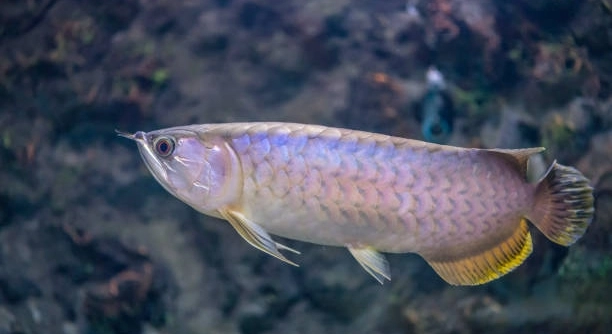
Do you ever notice your arowana spending a lot of time at the water’s surface, gliding slowly or gasping for air? This behavior can seem worrying, especially when your fish usually swims throughout the tank with ease.
Arowanas skimming the surface often indicate low oxygen levels, poor water quality, or stress within the tank environment. Ensuring proper aeration, regular water changes, and monitoring temperature can significantly reduce this behavior and support the fish’s overall health.
Observing this behavior early can help prevent long-term health issues. Understanding why your arowana acts this way allows you to maintain a safer, healthier tank environment.
Common Reasons Your Arowana Skims the Surface
Many arowana owners notice surface-skimming behavior without understanding why it happens. One major factor is oxygen deficiency in the water. Arowanas rely on well-oxygenated water to thrive. If the tank lacks proper aeration, the fish will move to the surface where oxygen is more accessible. Another significant factor is water quality. High ammonia or nitrite levels can make your fish uncomfortable and stressed, causing it to stay near the top. Temperature fluctuations also play a role. Water that is too warm holds less oxygen, encouraging surface activity. Stress from overcrowding or aggressive tankmates can increase this behavior, as your arowana tries to avoid confrontation. Finally, illness or parasites may prompt unusual swimming patterns. Observing your fish closely and maintaining proper tank conditions is essential to prevent health issues and ensure your arowana stays active throughout the water column, not just at the surface.
Maintaining clean water and proper aeration often resolves most surface-skimming behaviors in arowanas.
Consistent monitoring of water quality is key. Testing for ammonia, nitrites, nitrates, and oxygen levels allows you to act before problems escalate. Using a quality filtration system and performing regular water changes help maintain stable conditions. Adjusting water temperature to optimal levels and avoiding sudden fluctuations also keeps your fish comfortable. Proper tank size matters, as arowanas need room to swim freely. Reducing stress by managing aggressive tankmates and providing hiding spaces encourages natural behavior. Additionally, feeding a balanced diet and avoiding overfeeding supports overall health. Recognizing early signs of illness or parasites is important for prompt treatment. By combining these practices, you create a stable, safe environment that reduces surface-skimming, promotes normal swimming patterns, and ensures your arowana remains healthy and active in its tank.
Improving Tank Oxygen Levels
Adding an air stone or increasing water flow can raise oxygen levels efficiently.
Proper aeration is essential for arowanas because they depend on surface oxygen. Water movement helps dissolve oxygen, while still maintaining a calm environment prevents stress. Combining filtration, air stones, and gentle circulation ensures even oxygen distribution. Ensuring the tank is not overcrowded allows oxygen to reach all areas, and keeping plants and decorations arranged thoughtfully prevents dead zones with low oxygen. Regular monitoring with a dissolved oxygen test ensures your adjustments are effective. Even small changes, like adjusting filter output or adding a bubbler, can significantly improve water oxygenation. Remember that warm water holds less oxygen, so balancing temperature and aeration together is crucial. Addressing oxygen needs promptly supports your arowana’s natural behavior, encouraging it to explore the full tank rather than remaining at the surface.
Consistently checking water oxygen and implementing simple aeration techniques helps prevent health issues. Over time, these adjustments promote calmer, more active swimming, reducing surface-skimming. Regular observation and proactive maintenance ensure arowanas enjoy stable conditions. Small tweaks in water flow, temperature, and aeration can make a noticeable difference. Observing your fish daily allows early intervention if oxygen levels drop or stress occurs. Combining proper tank size, minimal overcrowding, and careful water management creates a comfortable environment for your arowana. With consistent care, you can maintain stable oxygen levels, reduce surface-skimming behavior, and support overall fish vitality. This approach encourages long-term health while allowing your arowana to thrive naturally within its habitat.
Feeding and Nutrition
Providing a balanced diet directly impacts your arowana’s behavior. Poor nutrition can lead to lethargy or surface-skimming as the fish searches for more suitable food sources. Feeding high-quality pellets, frozen, or live foods ensures proper growth and energy levels.
Arowanas require a mix of protein-rich foods such as small fish, shrimp, or insects, along with formulated pellets to meet all nutritional needs. Overfeeding can lead to poor water quality, increasing surface-skimming behavior. Feeding smaller amounts multiple times a day rather than a single large portion helps maintain stable digestion and energy. Observing how your arowana eats allows you to adjust feeding routines effectively. Balanced nutrition not only supports physical health but also encourages natural swimming patterns and reduces stress-related behaviors.
Consistency in feeding schedules is equally important. Sudden changes in diet or skipping meals can cause anxiety and alter swimming patterns. Offering varied foods prevents boredom and ensures essential vitamins and minerals are consumed. Proper nutrition strengthens the immune system, helping your arowana resist illnesses that may contribute to surface-skimming. Monitoring appetite and adjusting feeding based on activity levels keeps the fish healthy. By providing the right diet and feeding schedule, you maintain energy levels and reduce stress, supporting overall well-being and promoting calm, normal swimming behavior throughout the tank.
Tank Environment and Space
Arowanas need a spacious tank to swim freely. Crowded or poorly arranged tanks often lead to surface-skimming and stress.
Tank size, layout, and decorations affect swimming behavior. Arowanas are large, active fish that require room to move horizontally and vertically. Inadequate space can cause frustration and force them to stay near the surface. Properly spaced decorations provide hiding spots without blocking swimming paths, reducing stress. Water flow should be gentle but consistent, avoiding strong currents that make swimming difficult. Substrate choice, such as fine gravel or sand, and minimal sharp objects prevent injuries. Regularly checking that the tank meets size requirements ensures your arowana has a comfortable environment. Attention to these factors encourages natural activity and reduces surface-skimming behaviors, keeping the fish healthy and calm.
Creating a stable environment includes managing water temperature, filtration, and oxygen levels in addition to space. Arowanas prefer consistent conditions without sudden changes in temperature or chemical levels. Spacing decorations strategically avoids overcrowding while still offering enrichment. Open swimming areas allow the fish to move naturally, reducing stress-related surface-skimming. Proper lighting simulates natural day-night cycles, supporting normal behavior. Overcrowding should be avoided entirely, as additional fish can create competition for food and oxygen, increasing surface activity. Maintaining a well-structured, stable tank ensures a balanced environment where your arowana can thrive, swim freely, and display calm, healthy behavior consistently.
Water Temperature
Arowanas are sensitive to temperature changes. Water that is too warm or too cold can stress the fish, causing it to stay near the surface for comfort. Maintaining a stable temperature between 75°F and 82°F is ideal for healthy behavior.
Sudden fluctuations should be avoided, as they affect metabolism and oxygen absorption. Using a reliable heater and thermometer ensures the tank remains within the optimal range. Consistent monitoring prevents temperature-related stress and surface-skimming behaviors.
Signs of Illness
Illness can make your arowana seek the surface. Symptoms like lethargy, loss of appetite, or unusual swimming patterns often indicate underlying health issues.
Treating Parasites and Infections
Parasites or infections can irritate your arowana, prompting it to skim the surface in search of relief. Regular observation and early detection are key to effective treatment. Medications should be used according to instructions, and quarantining sick fish prevents spreading illness to the rest of the tank.
Monitoring Behavior
Tracking your arowana’s daily habits helps identify issues early. Note changes in swimming, feeding, or interaction with the tank to maintain health and comfort.
FAQ
Why is my arowana always at the surface?
Arowanas stay near the surface mainly due to low oxygen levels, stress, or water quality issues. They instinctively seek areas where oxygen is most accessible. Ensuring proper aeration, clean water, and appropriate tank conditions usually reduces this behavior.
Can poor water quality make my arowana skim the surface?
Yes. High ammonia, nitrite, or nitrate levels can irritate your fish and make it uncomfortable. Regular water testing, partial water changes, and proper filtration help maintain safe chemical levels and prevent surface-skimming behaviors caused by stress.
Does temperature affect surface-skimming behavior?
Absolutely. Warm water holds less oxygen, which encourages your arowana to stay near the surface. Maintaining a consistent temperature between 75°F and 82°F helps stabilize oxygen levels and reduces stress-related surface activity. Sudden fluctuations should be avoided.
Could my arowana be sick if it skims the surface?
Surface-skimming can indicate illness. Parasites, bacterial infections, or other health issues can cause abnormal swimming patterns. Observing for additional symptoms like lethargy, loss of appetite, or discoloration helps identify illness early, allowing prompt treatment.
How does tank size affect this behavior?
Arowanas need spacious tanks to swim naturally. Small or overcrowded tanks restrict movement, increase stress, and push fish toward the surface. Providing a large tank with open swimming areas and strategic decorations encourages normal swimming and reduces surface-skimming.
Does diet influence surface-skimming?
Yes. Poor nutrition can make your arowana restless or lethargic, leading to increased surface activity. Feeding high-quality pellets, live or frozen foods, and avoiding overfeeding supports energy, overall health, and natural swimming behavior. A consistent feeding schedule is also important.
Can stress from other fish cause this behavior?
Definitely. Aggressive tankmates or overcrowding increase stress, prompting surface-skimming. Ensuring compatible tankmates and adequate space reduces anxiety. Providing hiding spots or visual barriers can also help your arowana feel secure and swim normally throughout the tank.
How do I know if oxygen levels are low?
Signs of low oxygen include surface-skimming, gasping, and slow movement. Using an air stone, adjusting filtration, and increasing water circulation improve oxygen levels. Regularly testing dissolved oxygen ensures your tank remains safe and healthy.
Is it normal for young arowanas to skim the surface?
Juvenile arowanas may occasionally explore near the surface, but frequent or prolonged surface-skimming can indicate environmental issues. Monitoring water quality, oxygen levels, and tank conditions ensures young fish develop healthy swimming habits.
What preventive measures help reduce surface-skimming?
Maintaining clean water, stable temperature, proper tank size, adequate aeration, and a balanced diet prevents most surface-skimming behaviors. Observing your fish daily allows early detection of issues and supports overall health, ensuring your arowana stays active and comfortable throughout the tank.
How quickly should behavior improve after changes?
Behavior should improve within a few days to a week after addressing oxygen, water quality, or stress issues. Persistent surface-skimming may indicate illness, requiring further observation or veterinary consultation. Consistent care and monitoring are essential.
Can lighting affect surface-skimming?
Indirectly. Bright or inconsistent lighting may stress your arowana, causing unusual swimming patterns. Providing a natural day-night cycle with moderate lighting helps fish feel secure and reduces stress-related surface activity.
Are there signs that indicate permanent health issues?
Prolonged lethargy, difficulty swimming, swollen body parts, or continuous surface-skimming may signal chronic health problems. Early intervention with proper care and treatment improves recovery chances and prevents long-term complications.
Does water movement influence this behavior?
Yes. Strong currents can tire arowanas, forcing them to stay near the surface. Gentle, consistent water flow provides adequate circulation without overexerting the fish, supporting normal swimming patterns and reducing surface-skimming behaviors.
When should I consult a professional?
Consult a veterinarian or fish specialist if surface-skimming persists despite optimal tank conditions, or if you notice symptoms like rapid breathing, weight loss, or unusual coloration. Early professional advice can prevent serious health issues.
How often should I monitor my arowana?
Daily observation is best. Watching swimming patterns, feeding habits, and interactions with tankmates allows you to identify potential problems quickly. Regular monitoring combined with routine tank maintenance ensures a healthy, comfortable environment for your arowana.
Are there behavioral differences between species?
Yes. Some arowana species are naturally more active near the surface. Understanding species-specific behavior helps differentiate between normal activity and signs of stress or poor environmental conditions. Proper research ensures appropriate care.
Can tank plants or decorations affect behavior?
Yes. Overcrowded decorations may restrict movement, increasing surface-skimming. Thoughtful arrangement with open swimming spaces and hiding areas reduces stress while encouraging natural swimming patterns. Avoid sharp objects that may injure your fish.
Does water hardness play a role?
Water hardness affects overall fish comfort. Extreme hardness or sudden changes can stress your arowana, causing surface-skimming. Maintaining stable pH and hardness levels suitable for your species supports well-being and reduces abnormal behaviors.
Is it normal for older arowanas to skim the surface?
Older fish may occasionally rest near the surface, but consistent surface-skimming usually signals environmental or health issues. Regular care, water quality management, and monitoring ensure older arowanas remain active and comfortable throughout the tank.
How do I adjust aeration without stressing my arowana?
Introduce gentle air stones or adjust filter output gradually. Avoid sudden bursts of bubbles or strong currents, which can frighten your fish. Properly balanced aeration improves oxygen levels while maintaining a calm, comfortable environment.
Can surface-skimming lead to long-term health issues?
If persistent, it can indicate underlying problems like poor water quality, stress, or illness. Left unaddressed, these conditions may weaken the immune system, reduce growth, and increase susceptibility to disease. Prompt intervention is essential for long-term health.
How does water change frequency affect behavior?
Regular partial water changes remove toxins and stabilize water parameters. Infrequent changes can lead to chemical buildup, encouraging surface-skimming. Maintaining a consistent schedule supports healthy swimming patterns and overall fish well-being.
What is the best way to combine diet, tank conditions, and monitoring?
Feed a balanced diet, maintain proper oxygen levels, clean water, stable temperature, and adequate space. Observe daily for changes in behavior. Integrating these practices ensures your arowana remains healthy, reduces surface-skimming, and promotes calm, active swimming throughout the tank.
Are there warning signs before surface-skimming becomes severe?
Reduced activity, loss of appetite, erratic swimming, or brief trips to the surface often precede persistent skimming. Catching these early signs allows adjustments in water quality, aeration, or feeding before serious health issues develop.
Does stress from handling affect surface-skimming?
Yes. Frequent or rough handling can increase anxiety, causing your arowana to stay near the surface. Minimizing direct interaction and maintaining a stable tank environment helps reduce stress-related behaviors.
Can I rely on visual observation alone?
Visual observation is important but should be combined with water testing and monitoring feeding habits. Observing patterns helps identify stress or illness, while testing ensures environmental factors like oxygen and chemical levels are optimal.
Is quarantine necessary for new fish?
Quarantining new arrivals prevents disease introduction and reduces stress for both new and existing fish. This practice protects your arowana and maintains a stable, healthy tank environment.
What long-term habits reduce surface-skimming?
Consistent water changes, balanced diet, stable temperature, proper aeration, adequate space, and daily observation create a stable environment. Over time, these habits support calm, natural swimming behavior and prevent persistent surface-skimming.
Can seasonal changes impact behavior?
Yes. Seasonal temperature fluctuations can affect oxygen levels and metabolism. Monitoring water temperature and adjusting heating or aeration ensures your arowana remains comfortable and active throughout the year.
How do I know if I have improved conditions effectively?
Reduced surface-skimming, normal feeding, calm swimming, and overall alertness indicate improvements. Continuing consistent care confirms long-term stability and supports your arowana’s health.
Are there any non-chemical methods to prevent skimming?
Yes. Adjusting tank size, aeration, water flow, temperature, and decorations helps. Providing hiding spots and maintaining consistent care prevents stress without relying on medications, supporting natural behavior and overall health.
How often should I test water parameters?
Weekly testing is recommended for ammonia, nitrites, nitrates, pH, and oxygen. Frequent monitoring allows early intervention and helps maintain optimal tank conditions, reducing surface-skimming and supporting long-term health.
Is it normal for arowanas to occasionally break the surface?
Occasional trips to the surface for air or exploration are normal. Persistent or prolonged surface-skimming, however, signals issues with oxygen, stress, or health that need attention.
What role does tank maintenance play in behavior?
Consistent cleaning, water changes, filter checks, and aeration adjustments ensure a stable environment. Proper maintenance reduces stress, prevents disease, and supports normal swimming behavior, minimizing surface-skimming tendencies.
Are there specific signs that diet needs adjustment?
Loss of appetite, slow growth, or increased surface-skimming may indicate dietary deficiencies. Adjusting food type, portion, or frequency can restore energy and support healthy, natural behavior.
Does lighting duration affect surface-skimming?
Consistent light and dark periods simulate natural cycles. Irregular lighting can stress fish, encouraging surface-skimming. Maintaining moderate, stable lighting reduces anxiety and promotes calm, normal swimming behavior.
Can tankmates affect long-term behavior?
Aggressive or overly active tankmates increase stress and oxygen competition, prompting surface-skimming. Choosing compatible species and avoiding overcrowding creates a stable environment and encourages calm, normal swimming patterns.
How can I combine monitoring, diet, and water quality effectively?
Daily observation, regular water testing, and a balanced feeding routine support overall health. Combining these approaches prevents stress, maintains stable conditions, and reduces surface-skimming, ensuring your arowana thrives naturally.
Is surface-skimming always a problem?
Occasional surface visits are normal, but persistent skimming indicates environmental or health issues. Prompt observation and corrective action prevent long-term complications.
What small changes have the most impact?
Improving aeration, adjusting tank layout, stabilizing temperature, and consistent water maintenance often yield immediate improvements in swimming behavior, reducing surface-skimming quickly.
How do I track improvements effectively?
Keep a daily log of swimming patterns, feeding, and water parameters. Tracking changes allows you to measure the impact of adjustments and ensures consistent, long-term health for your arowana.
What is the first step if surface-skimming starts?
Check oxygen levels, water quality, and temperature first. Correcting environmental issues promptly often resolves the behavior without further intervention.
Final Thoughts
Observing your arowana skim the surface can feel concerning at first, but it is often a sign that the fish is responding to its environment. Surface-skimming behavior usually stems from low oxygen, poor water quality, or stress caused by tank conditions. Addressing these factors is the most effective way to help your arowana return to normal swimming patterns. Regularly checking oxygen levels, maintaining clean water, and ensuring proper temperature stability creates a more comfortable environment for your fish. Over time, small adjustments like adding gentle aeration, managing water flow, or rearranging decorations can have a noticeable impact on behavior. These changes are simple to implement but play a significant role in reducing stress and supporting overall health.
Nutrition also has a direct effect on your arowana’s activity and behavior. A well-balanced diet that includes high-quality pellets, live or frozen foods, and occasional variety ensures your fish receives the essential nutrients needed for energy and growth. Feeding in small, consistent portions rather than overfeeding prevents water contamination and helps maintain stable tank conditions. Observing your arowana during feeding also allows you to notice changes in appetite or energy levels that may indicate health or environmental issues. Over time, combining proper nutrition with consistent tank maintenance and monitoring can prevent the return of surface-skimming behaviors and keep your arowana active throughout the tank. These steps create an environment where the fish can swim naturally and remain healthy for years to come.
Finally, consistent observation and proactive care are essential for arowanas. Paying attention to swimming patterns, feeding habits, and interactions with other tankmates allows you to detect problems early. Regular water testing and maintenance, combined with proper tank size and layout, ensure the environment remains stable and comfortable. Surface-skimming is often a symptom of an underlying issue, so taking preventative measures and responding quickly to changes in behavior protects your fish’s health. Over time, a combination of clean water, stable oxygen and temperature levels, balanced nutrition, and thoughtful tank design reduces stress and promotes natural behavior. By understanding the factors that influence surface-skimming and addressing them carefully, you provide your arowana with a safe, healthy, and thriving habitat.

Hello,
If you enjoy the content that we create, please consider saying a "Thank You!" by leaving a tip.
Every little bit helps us continue crafting quality advice that supports the health, happiness, and well-being of pets around the world, for pets of all shapes, sizes, and species.
We really appreciate the kindness and support that you show us!