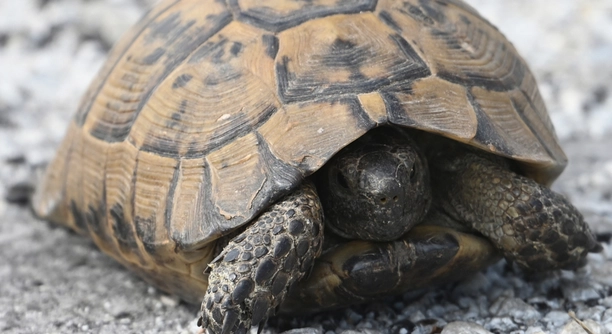
How to Tell If Your Russian Tortoise Is Underweight
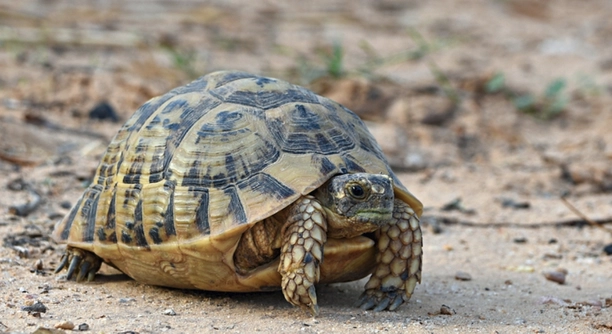
It’s essential to keep an eye on your Russian tortoise’s weight to ensure it remains healthy. An underweight tortoise may be at risk of various health problems, affecting its growth and well-being. To determine if your Russian tortoise is underweight, assess its overall body condition, including the visibility of its bones and its behavior. An … Read more

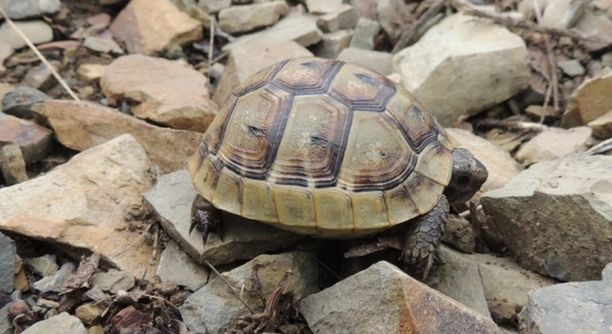
Why Is My Russian Tortoise Trying to Climb on Other Tortoises?

Russian tortoises are fascinating creatures with unique behaviors. Understanding why they climb on each other can provide insight into their social dynamics and natural instincts. This behavior, while intriguing, is part of their regular interaction. Russian tortoises may attempt to climb on one another due to dominance, mating behavior, or territorial disputes. These actions are … Read more

7 Simple Ways to Keep a Russian Tortoise’s Habitat Clean

Keeping your Russian tortoise’s habitat clean is essential for their health and happiness. A clean environment helps reduce stress and keeps them comfortable, allowing them to thrive. Simple steps can make this task easier. The most effective way to maintain a clean habitat is to regularly remove uneaten food, waste, and soiled bedding. A consistent … Read more

How to Recognize Stress in a Russian Tortoise

Recognizing stress in a Russian tortoise is crucial for its well-being. These creatures can show signs of stress in various ways, affecting their health and behavior. Understanding these signs is key to providing them with proper care. Stress in a Russian tortoise is often caused by factors such as improper habitat conditions, handling, or diet. … Read more

Why Is My Russian Tortoise So Sensitive to Loud Noises?

Russian tortoises are known for their calm demeanor, but they can react strongly to loud noises. Understanding why they are sensitive to such sounds can help provide a more peaceful environment for your pet. Russian tortoises are particularly sensitive to loud noises due to their highly developed hearing. They are instinctively cautious and alert to … Read more

7 Reasons Why Your Russian Tortoise Keeps Scraping the Walls

Russian tortoises are known for their unique behaviors, and one common action many owners notice is wall scraping. Understanding the reasons behind this behavior can help address the issue and improve your tortoise’s well-being. The most common reason for wall scraping in Russian tortoises is stress or discomfort, often caused by an unsuitable environment, inadequate … Read more

How to Tell If Your Russian Tortoise Is Ready to Hibernate

As the winter months approach, it’s essential to prepare your Russian tortoise for hibernation. This period requires careful attention to ensure that your pet remains healthy and safe during the colder season. Russian tortoises typically begin preparing for hibernation when the temperature drops and daylight hours decrease. They may show signs of reduced activity, slower … Read more

Why Is My Russian Tortoise Making Clicking Noises?

Russian tortoises are wonderful pets, but sometimes they exhibit strange behaviors that may leave you wondering about their health. One such behavior is making clicking noises, which can be concerning for a pet owner. Clicking noises in a Russian tortoise are commonly a sign of respiratory issues, such as an upper respiratory infection. This can … Read more

7 Ways to Enrich Your Russian Tortoise’s Environment

Russian tortoises are charming pets that require a special environment to thrive. Whether you’re new to tortoises or a seasoned owner, providing the best possible care is essential to their well-being. This article will help you make their habitat more enriching. To enrich your Russian tortoise’s environment, you should focus on creating a habitat that … Read more

How to Safely Handle an Injured Russian Tortoise

Handling an injured Russian tortoise requires careful attention and knowledge. Ensuring their safety and comfort during this time is essential for their recovery. When handling an injured Russian tortoise, it is important to be gentle and calm to prevent additional stress. Provide a safe, quiet environment, avoid unnecessary handling, and seek veterinary care to address … Read more