
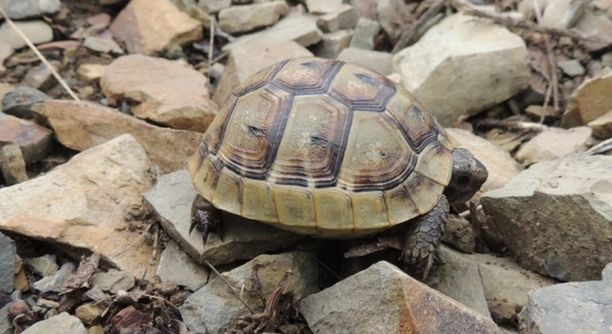
Keeping your Russian tortoise’s habitat clean is essential for their health and happiness. A clean environment helps reduce stress and keeps them comfortable, allowing them to thrive. Simple steps can make this task easier.
The most effective way to maintain a clean habitat is to regularly remove uneaten food, waste, and soiled bedding. A consistent cleaning schedule will also prevent the buildup of harmful bacteria and ensure your tortoise’s environment remains hygienic.
With just a few simple habits, you can create a better space for your tortoise, making them feel more at ease.
Keep Their Enclosure Dry
Keeping your Russian tortoise’s habitat dry is crucial for preventing mold growth and damp bedding. A damp environment can lead to health issues like respiratory infections or skin problems. Dry bedding, such as aspen shavings or paper towels, absorbs moisture well, and it’s easy to replace regularly. Avoid using sand or soil-based materials, as they can retain moisture and create a breeding ground for bacteria. Ensure that your tortoise’s habitat has proper ventilation, especially if it’s housed in a tank or small enclosure. By monitoring humidity levels and adjusting bedding regularly, you can maintain a dry, healthy space for your pet.
Maintaining dryness prevents unwanted bacteria and keeps your tortoise comfortable. Be sure to clean and replace bedding when necessary to ensure a hygienic environment.
Take time to inspect the enclosure daily for any moisture buildup. If you notice wet spots, immediately replace the soiled bedding and check the humidity levels to ensure they remain balanced. In addition, offering a dry, warm area for your tortoise to bask will further support a healthy habitat. Proper ventilation helps prevent excessive humidity. Remember, a dry space contributes to a healthier and happier tortoise. It also limits potential discomfort and illness that could arise from wet conditions.
Clean Uneaten Food Regularly
Uneaten food should be removed from the habitat as soon as possible. Leftover food can spoil, causing bacteria growth that could harm your tortoise. Clean out any uneaten pieces promptly and discard them to keep their space hygienic.
Regularly checking the enclosure and removing leftover food ensures that your tortoise’s habitat remains clean and safe. For example, leafy greens or fruits should not stay in the enclosure for too long, as they can quickly rot and attract pests. Even if food looks dry, it’s still essential to clear it out to prevent mold.
When offering fresh food, use appropriate portions to minimize leftovers. This simple task not only keeps their living space cleaner but also helps maintain better overall health for your tortoise. Be mindful of their feeding habits and make adjustments to the food quantity based on how much they typically eat. This practice will help you keep their space neat without wasting food.
Use a Substrate That Is Easy to Clean
Choosing the right substrate is key to maintaining a clean habitat. Materials like paper towels, newspaper, or aspen shavings are easy to clean and replace. Avoid sand or soil that can be difficult to manage. These materials help reduce the buildup of bacteria and waste.
Regularly spot-clean the substrate by removing droppings and uneaten food. If your tortoise uses a specific area to relieve itself, try adding more absorbent material to that spot. Additionally, you can replace the entire substrate every few weeks to keep the environment fresh. The easier the substrate is to clean, the less time you’ll spend maintaining the habitat.
Check for any clumps or damp areas in the bedding regularly. A clean substrate will prevent odors and bacteria, ensuring a healthier environment for your tortoise. A good cleaning routine for the substrate also minimizes the chance of health problems like infections or skin irritation. Keeping the substrate clean benefits both you and your tortoise, making maintenance simpler and their living space more comfortable.
Maintain a Proper Cleaning Schedule
Creating a cleaning schedule ensures that the habitat stays consistently clean. Set aside time once a week to remove waste, clean accessories, and replace substrate. Regular cleaning prevents buildup, reducing the chance of harmful bacteria growing.
Establishing a weekly cleaning routine helps keep the environment stable and hygienic. Start by removing waste and food scraps. Then, disinfect any surfaces your tortoise frequently contacts, such as rocks or water dishes. Use reptile-safe cleaners to avoid harmful chemicals that could affect your pet’s health. Keep a checklist for tasks to ensure you don’t forget any important steps.
Additionally, check the temperature and humidity levels regularly. Maintaining proper conditions ensures that the environment remains comfortable and clean. A consistent schedule not only makes cleaning easier but also helps you keep track of the health of your tortoise’s habitat. This methodical approach makes it easier to spot any potential issues before they become problems.
Remove Waste Regularly
Make it a habit to remove your tortoise’s waste daily. Leftover droppings can quickly become a source of bacteria. A clean habitat helps prevent any unpleasant odors and keeps your tortoise healthy.
Use a small shovel or scoop to pick up droppings. It’s important to clean up waste as soon as possible to keep the habitat clean and safe.
Clean the Water Dish Daily
Water dishes should be cleaned daily to prevent bacterial growth. Use a mild soap and water solution to wash the dish, and make sure it’s thoroughly rinsed before refilling it with fresh water. Keeping the water clean supports your tortoise’s health and well-being.
Regularly replace the water to ensure it stays fresh. If your tortoise uses a water dish for soaking, be sure to empty and clean it each time. Dirty water can lead to infections or irritate your tortoise’s skin. Fresh water should always be available to them.
Use a UVB Light
Providing proper lighting is essential for your tortoise’s health. A UVB light helps them synthesize vitamin D3, which is crucial for their bone health. Replace the bulb every 6 months to ensure proper function and intensity.
UVB lights should be placed at a proper distance from your tortoise. Too far away, and the light won’t be effective; too close, and it could harm your pet. Make sure to provide a proper day-night cycle by turning the light off during the night.
FAQ
How often should I clean my Russian tortoise’s habitat?
It’s recommended to clean your Russian tortoise’s habitat at least once a week. Spot cleaning, like removing waste and uneaten food, should be done daily to maintain a clean environment. Regular cleaning will help prevent bacteria buildup and ensure your tortoise remains healthy and comfortable. Every few weeks, change the substrate completely to refresh the habitat.
Can I use sand as bedding for my tortoise?
Sand is not an ideal bedding choice for a Russian tortoise. It can retain moisture, which may lead to mold growth or affect the tortoise’s health. Additionally, sand can cause impaction if ingested. Instead, use absorbent materials like paper towels, newspaper, or aspen shavings to create a safe and easy-to-clean habitat.
What kind of food should I provide to my Russian tortoise?
Russian tortoises primarily eat leafy greens such as dandelion greens, collard greens, and kale. You can also offer grasses, herbs, and some vegetables like carrots and squash. Avoid feeding them fruit too often, as it can cause digestive issues. Provide a variety of foods to ensure a balanced diet, and remove any uneaten food to prevent spoilage.
How do I know if my tortoise is sick?
A sick tortoise may show signs such as lethargy, loss of appetite, respiratory issues (like wheezing or discharge), or abnormal stool. If your tortoise is not active, not eating, or showing any unusual symptoms, it’s important to consult a veterinarian with experience in reptiles for proper diagnosis and treatment.
Can I use a heat lamp in my tortoise’s habitat?
Yes, a heat lamp is essential to provide the proper temperature for your Russian tortoise. They need a basking area that is around 95°F (35°C), while the rest of the habitat should be cooler, around 75°F (24°C). Make sure the heat lamp provides a consistent, controlled source of warmth to mimic natural sunlight.
What is the best substrate for a Russian tortoise’s enclosure?
The best substrates for a Russian tortoise are materials that are absorbent and easy to clean, such as aspen shavings, paper towels, or coconut husk. These substrates help keep the habitat dry, reducing the risk of bacterial growth. Avoid using sand, as it can retain moisture and lead to health problems.
How big should my Russian tortoise’s enclosure be?
The enclosure for an adult Russian tortoise should be at least 4 feet by 2 feet. If you have a juvenile tortoise, you can start with a smaller enclosure, but as they grow, it’s important to provide them with enough space to roam. A larger habitat encourages natural behaviors and helps prevent stress.
Can I house multiple Russian tortoises together?
While Russian tortoises can tolerate the presence of other tortoises, it’s not always recommended to house them together. Male tortoises, in particular, can become aggressive toward each other. If you do decide to house multiple tortoises, make sure to provide enough space and separate areas for each to retreat to. Monitor their behavior closely to avoid territorial disputes.
What should I do if my tortoise is not eating?
If your Russian tortoise is not eating, check for signs of stress, illness, or incorrect environmental conditions. Ensure the habitat temperature is appropriate and that the tortoise has access to fresh food. Sometimes, a change in diet or environment can cause a loss of appetite. If the issue persists for more than a few days, consult a veterinarian.
How can I tell if my tortoise is dehydrated?
Signs of dehydration in a Russian tortoise include lethargy, sunken eyes, and a dry or flaky skin texture. If your tortoise appears dehydrated, offer water in a shallow dish or soak it in warm water for about 20 minutes. Ensure your tortoise always has access to fresh water to prevent dehydration.
Is it safe to let my Russian tortoise roam around my house?
Letting your Russian tortoise roam your home is possible, but it should be done with caution. Make sure the area is tortoise-proofed by removing any hazards, such as electrical cords, small objects they could ingest, or areas where they could escape. Always supervise your tortoise while it is out of its enclosure to ensure its safety.
Do Russian tortoises need a UVB light?
Yes, UVB light is essential for your Russian tortoise’s health. UVB light helps them synthesize vitamin D3, which is necessary for proper calcium absorption and bone health. Ensure the UVB light is replaced every 6 months, as its effectiveness decreases over time. Place the light at the appropriate distance from your tortoise to ensure it’s benefiting from the right intensity.
Can I keep my Russian tortoise outside?
It’s possible to keep your Russian tortoise outside, provided the weather conditions are suitable. Russian tortoises prefer temperatures between 75°F and 95°F (24°C to 35°C). If the weather is too cold or wet, it’s best to keep them indoors. Always supervise them outdoors to ensure they are safe from predators and hazards.
How often should I change the substrate in my tortoise’s habitat?
You should replace the substrate in your Russian tortoise’s habitat every 3 to 4 weeks or sooner if it becomes soiled. Changing the substrate regularly helps maintain a clean environment and prevents the buildup of bacteria. Be sure to remove waste daily to keep the habitat hygienic in between full substrate changes.
What is the best way to provide exercise for my Russian tortoise?
To provide exercise, create a larger enclosure that encourages your Russian tortoise to move around and explore. Allowing them to roam in a safe, enclosed outdoor space is also beneficial for their physical activity. A varied environment with different textures, such as rocks, logs, and plants, helps keep them active and engaged.
How can I keep my tortoise warm in the winter?
During winter, make sure your Russian tortoise’s enclosure is kept warm and at the proper temperature. Use heat lamps or ceramic heat emitters to provide consistent warmth. Avoid using heat rocks or pads, as they can create dangerous hot spots. Keep the enclosure in a room that stays warm, and monitor the temperature closely.
Are Russian tortoises friendly?
Russian tortoises can be social and tolerant of human interaction but may not always seek affection. They generally do not enjoy being picked up or held for long periods, as this can stress them out. However, with patience, they can learn to be comfortable around their owner and can be handled gently.
Maintaining a clean habitat for your Russian tortoise is an essential part of ensuring their well-being. Regular cleaning and proper care help prevent health issues and keep your tortoise comfortable. It’s not just about cleaning the enclosure, but also creating an environment where they can thrive. This includes providing the right temperature, a balanced diet, and adequate space. Small changes in their care routine can make a significant difference in their overall health and happiness. Regularly checking the habitat, removing waste, and ensuring the correct lighting are simple ways to support your tortoise’s health.
Over time, as you get to know your tortoise better, you will develop a routine that works best for both of you. Each tortoise is unique, and their needs may vary slightly. The important thing is to stay consistent and stay observant. If you notice anything out of the ordinary, such as changes in behavior or eating habits, it’s crucial to address it early. Ensuring they have access to fresh food and water, and that their environment is kept clean and secure, is key to a long, healthy life.
Caring for a Russian tortoise requires attention to detail and patience, but it can be a very rewarding experience. The small efforts you put into maintaining a clean and well-maintained habitat will pay off in the form of a happy and healthy tortoise. While their needs may seem simple, their care can be a fulfilling part of your daily routine. With proper care, your tortoise will continue to be a joyful companion for years to come.

Hello,
If you enjoy the content that we create, please consider saying a "Thank You!" by leaving a tip.
Every little bit helps us continue crafting quality advice that supports the health, happiness, and well-being of pets around the world, for pets of all shapes, sizes, and species.
We really appreciate the kindness and support that you show us!