
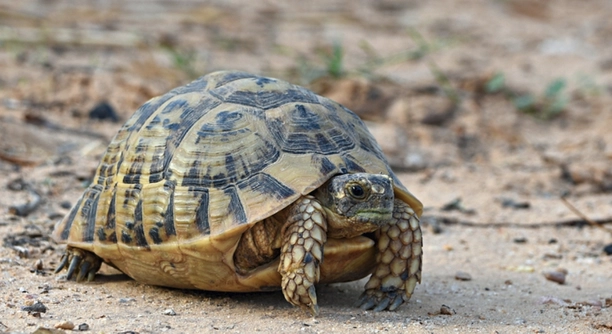
It’s essential to keep an eye on your Russian tortoise’s weight to ensure it remains healthy. An underweight tortoise may be at risk of various health problems, affecting its growth and well-being.
To determine if your Russian tortoise is underweight, assess its overall body condition, including the visibility of its bones and its behavior. An underweight tortoise may have a sunken appearance around the eyes and a thin, visible shell.
Maintaining a balanced diet and proper care will help keep your tortoise in optimal health. Monitoring weight regularly ensures any health issues are addressed early.
Identifying the Signs of an Underweight Russian Tortoise
If you notice that your Russian tortoise seems sluggish, eats less, or appears unusually small for its age, these could be signs it’s underweight. An underweight tortoise often has a visible gap between its shell and body. The ribs might be easy to feel, and the eyes may look sunken. These physical changes indicate that your tortoise isn’t getting enough nutrients to maintain a healthy weight.
In some cases, you might also notice that your tortoise is less active than usual or has a decrease in appetite. If left untreated, these signs can lead to more serious health issues, such as dehydration or digestive problems. It’s important to act quickly when these signs are observed.
The first step is to carefully monitor your tortoise’s eating habits. A healthy diet for a Russian tortoise should include a mix of leafy greens, vegetables, and occasional fruits. Providing the right balance of nutrition is essential for maintaining a healthy weight. It’s also crucial to ensure your tortoise has enough space to move around, as inactivity can contribute to weight loss. Additionally, the environmental conditions, such as temperature and humidity, should be within an appropriate range. If your tortoise continues to show signs of being underweight despite a proper diet and care, it’s best to consult a veterinarian.
Providing the Right Diet and Care
A balanced diet and proper environment play a significant role in your tortoise’s weight management. You should feed your tortoise a variety of dark leafy greens like collard greens, mustard greens, and dandelion leaves. Avoid feeding them high-protein foods, as this can lead to obesity or other health issues.
The diet should be supplemented with fresh water and occasional calcium for strong bones. Keep the enclosure clean, and ensure they have access to a basking spot and a cool area for proper temperature regulation. These factors are essential for digestion and overall health.
Monitoring Your Tortoise’s Weight Regularly
Weighing your Russian tortoise weekly will help you spot any weight changes early. Use a small, accurate scale to measure their weight. Keep track of the results and look for any sudden loss. Consistency is key to catching any potential health issues in time.
If you notice your tortoise’s weight steadily decreasing over several weeks, it’s important to examine its diet and environment. Changes in eating habits or environment can lead to weight loss, which can be corrected with adjustments. Regular weighing gives you insight into how well your tortoise is maintaining its health, providing early signs of trouble.
While weight tracking is crucial, it’s just as important to evaluate other aspects of their well-being. Check if their shell is still smooth, their eyes are clear, and their activity levels are normal. If any of these show signs of decline, it may be time to get veterinary advice to ensure your tortoise’s health.
Ensuring Proper Lighting and Temperature
Your Russian tortoise needs appropriate lighting and temperature for optimal digestion and overall health. UVB lighting helps your tortoise absorb calcium, promoting bone health and weight maintenance. Without proper lighting, a tortoise can become lethargic and lose weight.
Ensure your tortoise has access to both a basking area with temperatures around 95°F and a cooler side at 75°F. This variation helps regulate their body temperature and supports digestion. If the habitat is too cold, your tortoise may stop eating, leading to weight loss. Adjust the temperature to keep your tortoise comfortable and encourage eating.
Common Health Issues That Lead to Weight Loss
If your Russian tortoise is losing weight despite eating well, there could be underlying health issues. Parasites, infections, or metabolic bone disease are common causes of weight loss. Regular vet check-ups will help identify and address these concerns early.
Signs of illness include lethargy, difficulty walking, or abnormal feces. If you notice any of these symptoms alongside weight loss, it’s crucial to take action quickly. A veterinarian can run tests to determine the cause and provide treatment options to restore your tortoise’s health. Early detection is key to avoiding serious complications.
The Importance of Hydration
Proper hydration is vital for your tortoise’s overall health. Dehydration can cause weight loss, reduced appetite, and lethargy. Ensure your tortoise always has access to clean, fresh water.
Adding water-rich vegetables like cucumbers and leafy greens can help keep your tortoise hydrated. You can also mist their environment to increase humidity levels and encourage drinking. Proper hydration supports digestion and helps maintain a healthy weight.
FAQ
How do I know if my Russian tortoise is underweight?
If your Russian tortoise appears lethargic, has sunken eyes, or shows visible bones and a thin shell, it may be underweight. You should also feel its ribs or spine easily, which indicates a lack of proper nutrition. Regular weighing and monitoring its activity can help spot these signs early.
What should I feed my Russian tortoise to help it gain weight?
A proper diet is essential for weight gain. Focus on providing leafy greens like dandelion greens, collard greens, and mustard greens. Offer a variety of vegetables and limit fruit intake to prevent obesity. Occasionally add calcium-rich foods like kale or a calcium supplement to promote bone health.
Can Russian tortoises lose weight due to stress?
Yes, stress can lead to weight loss in Russian tortoises. Stress factors include improper temperatures, inadequate lighting, or overcrowded enclosures. Even changes in their environment or handling can cause stress. Ensure that their habitat is comfortable, quiet, and consistent to reduce stress levels.
What is the ideal temperature for a Russian tortoise?
A Russian tortoise requires a temperature range of 75°F to 95°F, with a basking area at around 95°F and a cooler side at 75°F. This temperature range supports digestion and helps your tortoise maintain its weight. If the enclosure is too cold, it can lead to decreased activity and appetite.
How often should I feed my Russian tortoise?
Feed your Russian tortoise daily with a variety of greens and vegetables. Younger tortoises may need more frequent feedings, while adults can be fed every other day. It’s important to monitor how much they eat to ensure they are consuming enough food to maintain a healthy weight.
Can a Russian tortoise overeat?
While it’s unlikely for a Russian tortoise to overeat, they can become overweight if fed too much high-calcium or high-protein food, such as fruits or animal proteins. Overfeeding these foods can lead to obesity and other health issues. Stick to a balanced, mostly plant-based diet.
How long can a Russian tortoise go without eating?
Russian tortoises can survive for several weeks without food, especially if they are in good health. However, this is not ideal, and long periods without food can lead to malnutrition or dehydration. If your tortoise refuses to eat for more than a few days, consult a veterinarian.
What should I do if my Russian tortoise isn’t eating?
If your tortoise isn’t eating, first check the temperature and lighting of its enclosure. Inadequate temperatures can make them lose appetite. Stress, illness, or incorrect diet can also cause loss of appetite. If the problem persists for more than a few days, seek veterinary advice.
Can I feed my Russian tortoise fruit?
Fruits can be offered in moderation but should not make up a large portion of their diet. Too much fruit can lead to weight gain, diarrhea, or other digestive issues. Stick to offering small amounts of fruit like strawberries, melons, or apples once a week, and focus primarily on leafy greens and vegetables.
How can I help my Russian tortoise with digestion?
Proper hydration is key to digestion. Ensure your tortoise has access to fresh water and is regularly hydrated. Additionally, providing a diet high in fiber, such as leafy greens and dandelion greens, can help maintain healthy digestion. Avoid feeding foods that can cause constipation, such as iceberg lettuce.
Final Thoughts
Maintaining a healthy weight for your Russian tortoise is essential for its overall well-being. It is important to provide a balanced diet, monitor its weight regularly, and ensure its environment supports its health needs. Regular weighing can help you catch any weight changes early, allowing you to make adjustments as needed. Pay attention to signs of weight loss, such as lethargy or a thin shell, which could indicate an underlying health problem. Taking quick action can prevent further complications and help your tortoise recover.
Providing the right diet is key to helping your Russian tortoise maintain a healthy weight. A diet rich in leafy greens and vegetables supports its health and digestion. Avoid feeding too much fruit or protein, as this can lead to obesity or other health issues. Offering a variety of greens ensures your tortoise gets the nutrients it needs to stay active and strong. Calcium is also important for its bones, so make sure your tortoise gets enough through its food or supplements. Adjust its food intake if necessary to ensure it is eating the right amount.
Proper temperature and lighting play a significant role in your tortoise’s ability to digest food and stay healthy. Without the right conditions, your tortoise may stop eating, lose weight, or become lethargic. Make sure its habitat includes a basking area with the right temperature and UVB lighting to support digestion and bone health. In addition to its diet and environment, hydration is equally important. Ensure that your tortoise has access to fresh water daily and consider adding water-rich vegetables to its diet. By monitoring these aspects, you can help keep your tortoise healthy and thriving.

Hello,
If you enjoy the content that we create, please consider saying a "Thank You!" by leaving a tip.
Every little bit helps us continue crafting quality advice that supports the health, happiness, and well-being of pets around the world, for pets of all shapes, sizes, and species.
We really appreciate the kindness and support that you show us!