Why Rasbora Might Suddenly Prefer the Middle
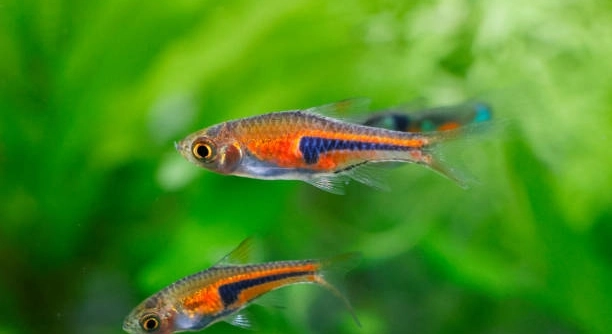
Do you ever notice your rasbora spending less time near the surface and suddenly hovering in the middle of the tank instead? Rasboras often move to the middle of the tank due to subtle changes in water parameters, lighting, or stress levels. This behavior may also be linked to natural instincts or shifts in social … Read more

7 Reasons Rasbora Might Chase Each Other

Rasboras are small, active fish often seen swimming together in home aquariums. Sometimes, these fish chase each other, which can catch the attention of their owners. Understanding this behavior helps in maintaining a peaceful tank environment. Rasboras chase each other primarily due to social interaction, territory establishment, mating behavior, stress, or environmental factors. This behavior … Read more

What to Do If Rasbora Ignore New Decor

Rasboras are lively fish that often explore new additions in their aquarium. Sometimes, they might ignore new decor, leaving owners unsure of how to engage them with the changes. Understanding their behavior can help create a better environment for these fish. If rasboras ignore new decor, it is often due to stress or unfamiliarity with … Read more

Why Rasbora Drift in Open Water

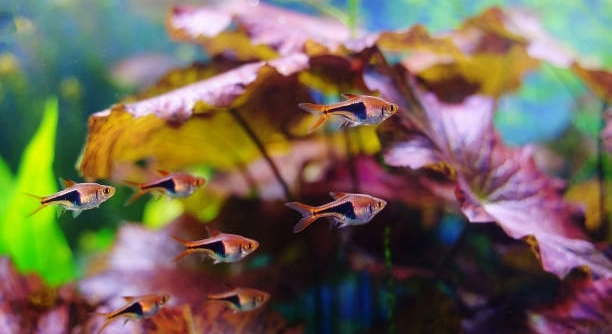
Rasboras are small, peaceful fish often seen swimming in groups in open water. Their movement patterns can seem random, but there is a reason behind their drifting behavior. Understanding this helps in caring for them properly. Rasboras drift in open water primarily as a survival strategy to avoid predators and to maintain group cohesion. Their … Read more

7 Ways Rasbora Test the Water

Have you ever watched your rasboras closely and noticed how they seem to react to small changes in their environment? Rasboras test the water through their behavior, such as sudden darting, color changes, or hovering near the surface. These responses can indicate poor water quality, low oxygen levels, or imbalances in temperature or pH levels. … Read more

How to Read Your Rasbora’s Body Language

Many people enjoy keeping rasboras as peaceful additions to their aquariums. These small fish often communicate through subtle movements and changes in their appearance. Learning to understand these signals can improve their care and well-being. Reading a rasbora’s body language involves observing its swimming patterns, fin movements, color changes, and overall behavior. These signs indicate … Read more

7 Best Practices for Rasbora Tank Cycling

Setting up a tank for rasboras requires careful preparation to create a healthy environment. Cycling the tank properly helps establish beneficial bacteria that keep the water safe for your fish. This process is essential for their well-being and longevity. Tank cycling for rasboras involves establishing a stable biological filter through beneficial bacteria growth, which converts … Read more

7 Benefits of Keeping Rasbora in Schools

Do your rasboras seem restless or disoriented when swimming alone or in small groups? Their natural instincts may be telling you something important about their well-being and daily behavior in your aquarium setup. Keeping rasboras in schools provides essential social structure, reduces stress, and encourages natural behaviors like synchronized swimming and group foraging. This schooling … Read more

Why Rasbora Might Hover Under the Heater

Do you ever notice your rasbora hovering near the heater for long periods? Watching them gather in warmer spots can feel a little odd, especially if you are new to keeping tropical fish in your home aquarium. Rasbora often stay under the heater because they seek slightly warmer water to maintain comfort and support proper … Read more

7 Ways Rasbora Can Communicate Without Sound

Have you ever watched your rasboras swimming and wondered how they interact with each other without making a single sound? Rasboras communicate silently through a variety of behaviors, including body movements, coloration changes, fin positioning, and group dynamics. These nonverbal cues help them navigate their environment, establish social bonds, and maintain order within the school. … Read more