
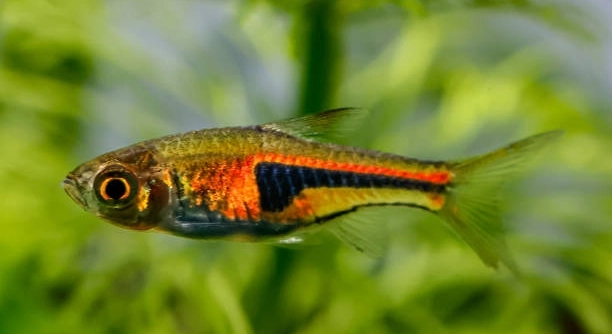
Setting up a tank for rasboras requires careful preparation to create a healthy environment. Cycling the tank properly helps establish beneficial bacteria that keep the water safe for your fish. This process is essential for their well-being and longevity.
Tank cycling for rasboras involves establishing a stable biological filter through beneficial bacteria growth, which converts harmful ammonia into less toxic substances. This practice prevents toxic buildup, ensuring a safe habitat and promoting the fish’s health and survival.
Following these best practices will make a big difference in maintaining a balanced tank. Proper cycling sets the foundation for a thriving rasbora community and reduces future problems in your aquarium care.
Understanding the Nitrogen Cycle
The nitrogen cycle is the foundation of tank cycling. It is a natural process where beneficial bacteria convert harmful waste products into less dangerous compounds. First, fish waste and uneaten food break down into ammonia, which is toxic to rasboras. Then, specific bacteria convert ammonia into nitrites, which are also harmful but slightly less so. Finally, another group of bacteria changes nitrites into nitrates, which are much safer in low concentrations. Regular water changes help keep nitrate levels in check. Knowing how this cycle works helps you understand why cycling is essential before adding your rasboras. Without it, toxic substances build up and can stress or even kill your fish. Patience during this stage pays off with healthier fish and a stable tank environment.
Maintaining the nitrogen cycle requires monitoring water parameters. Test kits can help track ammonia, nitrites, and nitrates during the process. Keeping these in balance is key.
Proper cycling avoids sudden spikes in toxins that stress rasboras. It creates a stable environment where they can thrive. Taking the time to understand and manage the nitrogen cycle will ensure your tank remains healthy and vibrant for years to come.
Using Established Media to Speed Up Cycling
Introducing established filter media from a healthy, cycled tank can speed up the cycling process. This media already contains beneficial bacteria that help jump-start the nitrogen cycle. Adding it to your new tank reduces the time it takes for bacteria colonies to develop naturally. It’s a practical way to create a safe habitat faster and reduce stress on your rasboras.
Using this method requires care to avoid transferring unwanted pests or diseases. Always use media from a trusted source and rinse it gently in tank water before adding it to your new setup. This helps keep your tank clean while introducing the good bacteria your tank needs. With patience and proper care, this approach can make tank cycling smoother and more efficient.
Monitoring Water Parameters Closely
Keeping an eye on water parameters during cycling is vital. Ammonia and nitrite levels should be tested regularly to avoid harming your rasboras.
Test your water every two to three days. Ammonia and nitrite levels will rise first and then drop as bacteria develop. Nitrate levels will gradually increase, signaling the cycle is progressing. If ammonia or nitrite levels become too high, partial water changes are necessary to protect your fish. Avoid adding fish too early, as toxins can build up quickly. Using a reliable test kit ensures you catch any issues early. Consistent monitoring helps maintain a safe and stable tank environment.
Properly tracking water conditions prevents surprises and stress for your rasboras. It also lets you adjust care to keep the cycling process on track, ensuring a healthy start for your fish.
Patience is Key During the Process
Rushing the cycling process can cause problems. It usually takes four to six weeks to complete. Trying to speed it up with shortcuts often harms the bacteria or your fish.
Patience gives beneficial bacteria time to establish and balance. Adding fish too soon can expose them to toxic ammonia and nitrites, causing illness or death. It’s tempting to fill your tank quickly, but waiting leads to a stronger, healthier environment. Regular water testing and small water changes can ease the process. Over time, you’ll see ammonia and nitrites drop to zero, showing your tank is ready for rasboras. Taking your time here is one of the best things you can do for your tank’s long-term success.
Using Fishless Cycling Methods
Fishless cycling is a safe way to build bacteria without risking fish health. It involves adding an ammonia source to feed the bacteria.
This method gives you full control over toxin levels and avoids stress on any fish. It requires careful monitoring but is often faster and cleaner.
Maintaining Stable Temperature and pH
Keeping the tank’s temperature and pH stable supports bacteria growth during cycling. Ideal temperatures range from 75 to 80°F (24 to 27°C). Sudden fluctuations slow down the process and can harm bacteria colonies. Similarly, a pH between 6.5 and 7.5 helps maintain bacterial activity. Use a heater and test kits to monitor and adjust these parameters as needed. Stable conditions ensure the bacteria can multiply efficiently, leading to a successful cycle and a healthier environment for your rasboras.
Avoid Overfeeding During Cycling
Feeding too much during cycling causes excess waste, raising ammonia levels dangerously. Keep feeding minimal or skip it if using fishless cycling.
FAQ
How long does it take to cycle a rasbora tank?
Cycling usually takes about four to six weeks. This time allows beneficial bacteria to grow and fully process harmful ammonia and nitrites. Factors like temperature, pH, and tank size can speed up or slow down the process. Patience is important to avoid stressing or harming your fish by adding them too soon.
Can I add rasboras before the tank is fully cycled?
It’s best to avoid adding rasboras before cycling is complete. Uncycled tanks have high ammonia and nitrite levels that are toxic. If you must add fish early, keep numbers very low and perform frequent water changes to reduce toxins. However, this method is risky and not recommended for long-term fish health.
What is the difference between fishless cycling and fish-in cycling?
Fishless cycling uses pure ammonia or organic waste as a food source for bacteria without live fish present. It’s safer for fish and often faster. Fish-in cycling involves adding a few hardy fish early, relying on their waste to fuel bacteria growth. This puts fish at risk from toxic water and requires careful management.
How do I know when the tank is fully cycled?
The tank is fully cycled when ammonia and nitrite levels both test at zero, and nitrates are present at low to moderate levels. This means the bacteria have established themselves and are processing waste efficiently. Regular testing during the cycle helps you track this progress.
What if ammonia or nitrite levels get too high during cycling?
High ammonia or nitrite levels can harm fish and slow bacterial growth. Perform partial water changes to reduce toxins, but avoid removing all ammonia since bacteria need it to survive. Testing daily and adjusting care accordingly helps prevent dangerous spikes.
Can I speed up the cycling process?
Using established filter media or substrate from an existing healthy tank can introduce beneficial bacteria and shorten cycling time. Maintaining stable temperature and pH also supports bacteria growth. However, rushing by skipping steps or overfeeding will cause problems, so speed up carefully.
Is it necessary to use a water conditioner during cycling?
Water conditioners that detoxify ammonia or nitrites can interfere with the cycling process by preventing bacteria from doing their job. It’s best to avoid using them during cycling unless absolutely necessary. When adding fish after cycling, conditioners help protect them from chlorine and chloramine in tap water.
How often should I test the water during cycling?
Test water parameters every two to three days to monitor ammonia, nitrites, and nitrates. Frequent testing helps you track the cycle’s progress and catch dangerous spikes early. Consistent monitoring is key to managing the process effectively.
Can plants help during the cycling process?
Live plants absorb some ammonia and nitrates, reducing toxins in the water. They also provide surfaces for beneficial bacteria to grow. Adding hardy plants during cycling can support the process and improve water quality, but they don’t replace the need for proper cycling.
What should I do if my fish show signs of stress during cycling?
Signs like gasping, clamped fins, or lethargy indicate poor water quality. Perform partial water changes to lower ammonia and nitrite levels. Adding aeration improves oxygen. Avoid feeding too much and ensure temperature and pH are stable. If stress continues, consider slowing fish additions until the cycle finishes.
Proper tank cycling is a crucial step in keeping rasboras healthy and happy. It sets the stage for a balanced aquarium by establishing beneficial bacteria that break down harmful waste. Without cycling, toxic substances like ammonia and nitrites can build up quickly, putting your fish at risk. Taking the time to cycle your tank carefully ensures the water remains safe and stable, which helps your rasboras thrive in the long run. Skipping or rushing this process often leads to health problems and short fish lifespans.
Patience and regular monitoring are key during the cycling process. Testing the water frequently lets you track ammonia, nitrite, and nitrate levels so you can adjust care as needed. It may take several weeks for the bacteria colonies to grow and fully process waste. Avoid adding too many fish too soon, as this can cause toxins to rise. Using methods like fishless cycling or adding established filter media can help speed up the process safely. Keeping the temperature and pH steady supports bacteria growth and overall tank health.
Once cycling is complete, the tank will provide a stable and healthy environment for your rasboras. This foundation reduces stress for your fish and lowers the chances of disease. Proper cycling also means fewer emergencies and water quality problems later on. It might take some effort at the start, but the benefits are worth it. With a well-cycled tank, you can enjoy watching your rasboras swim actively and live longer. The care you put into this early stage makes all the difference in creating a successful aquarium.

Hello,
If you enjoy the content that we create, please consider saying a "Thank You!" by leaving a tip.
Every little bit helps us continue crafting quality advice that supports the health, happiness, and well-being of pets around the world, for pets of all shapes, sizes, and species.
We really appreciate the kindness and support that you show us!