
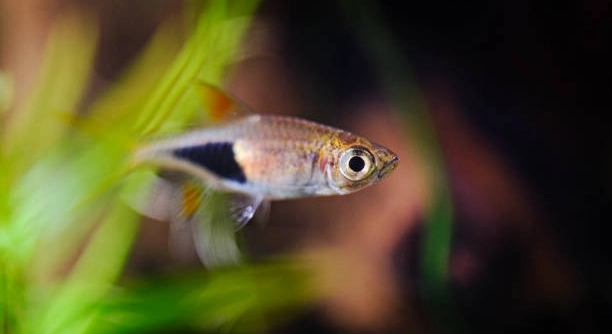
Have you ever watched your rasboras swimming and wondered how they interact with each other without making a single sound?
Rasboras communicate silently through a variety of behaviors, including body movements, coloration changes, fin positioning, and group dynamics. These nonverbal cues help them navigate their environment, establish social bonds, and maintain order within the school.
From subtle shifts in color to synchronized swimming patterns, their quiet interactions are more complex than they appear.
Body Movements Speak Loudly
Rasboras rely heavily on body movements to communicate within their school. Sudden darting or quick changes in direction can alert others to potential threats in the area. Slow, gliding movements often indicate calmness or a secure environment. These subtle shifts help maintain balance within the group, preventing panic or unnecessary scattering. When one rasbora moves, others follow or react based on the urgency or style of the motion. Observing their swimming patterns closely reveals how much is said through simple movement. Each twitch or turn serves a purpose, offering signals that others easily pick up on without sound.
This form of communication is especially useful in dense vegetation or murky water where visibility is limited, and vocal sounds would be ineffective or even risky.
Movement is a key part of rasbora life. It helps them organize, respond to danger, and stay in sync without making a sound. Watching closely can reveal a lot.
Coloration and Fin Displays
Color changes in rasboras often reflect their mood or health.
During moments of stress or excitement, rasboras may brighten or darken in color. These visual cues let others know whether to approach or stay away. Mating periods also bring out more vivid colors in males, which signals their readiness to breed. Fin movements further emphasize intent. A raised dorsal fin might signal alertness, while relaxed fins can suggest a calm state. These changes may happen quickly but hold clear meaning within the group.
Fin positioning plays a silent yet essential role in rasbora communication. A slightly flared tail or a wide display of fins can indicate dominance or ward off other fish. In some cases, a rasbora will gently nudge another using its fins to prompt movement or direct attention. These displays help reduce aggression and keep school dynamics balanced. Since rasboras don’t vocalize, these shifts in color and fin behavior are vital for peaceful interaction. Watching them up close makes it easier to see the silent cues that guide their daily life.
Schooling Patterns and Group Dynamics
Rasboras use schooling patterns to stay safe and communicate silently. Tight formation signals alertness, while a looser group indicates comfort. Their movements stay synchronized, showing constant awareness of each other’s position and emotional state.
When rasboras sense a disturbance, they instinctively bunch together, forming a tight, unified school. This immediate response helps reduce individual risk and confuses predators. It also alerts others in the group that something has changed. In calm settings, they spread out, swim smoothly, and maintain a balanced distance from one another. These shifts are natural and happen without hesitation. The ability to stay in sync, even when startled, is built into their behavior. It shows how much they rely on silent signals and coordinated action to stay safe. Their communication is built into how they swim, move, and respond as one.
Social roles within the group also influence how rasboras swim. Bolder fish often lead during feeding or exploration. Others may follow closely behind, relying on the leader’s decisions. This hierarchy is not aggressive but formed naturally through trust and observation. Subtle signs—such as position in the group or slight changes in pace—help maintain order without chaos. This quiet structure ensures cooperation, especially in unfamiliar or changing environments.
Territorial Signals and Avoidance
Rasboras are not highly territorial, but they do create informal zones in the tank. These areas help reduce stress and keep interactions smooth. When space is respected, the group thrives and aggression stays low.
Fin flaring, subtle chasing, or sudden movements are often ways rasboras set boundaries without direct conflict. If one fish lingers too long in another’s preferred spot, it may be gently nudged or chased away. These signals are not meant to harm, but to guide. Rasboras prefer order and avoid fights through body language and movement. These methods are clear and effective, keeping stress low for the group. In most cases, a short display or a quick swim away is enough to end the interaction. With time, rasboras learn where they feel safest and adapt to others’ preferences, quietly shaping their environment.
This type of communication prevents tension from building. It’s their way of creating balance in shared spaces. Since rasboras are peaceful by nature, these signals stay soft and controlled. They learn from one another and adjust behavior to keep things calm. Each small action tells the group how to respond without sound or aggression. It’s a quiet but constant process that keeps the school stable and calm.
Breeding Behavior and Silent Cues
During courtship, males display brighter colors and swim in short bursts to get the female’s attention. These displays are silent but clear.
Females respond by slowing down or hovering if they are receptive. Both fish rely on body movements and proximity rather than sound.
Feeding Time Signals
Rasboras show excitement during feeding by speeding up their swimming and tightening their school. Some will dart toward the food first, signaling others to follow. Their energy increases, and movements become more focused. This silent shift alerts the group that it’s time to eat. It also shows food has been detected nearby. Observing these changes makes it easier to notice if a rasbora is ill or not eating properly. A healthy fish will always respond to feeding time cues. These behaviors allow them to eat efficiently as a group without any vocal commands or conflict at the surface.
Light and Shadow Responses
Sudden changes in light or shadows trigger quick, synchronized movements. This reaction helps them avoid danger and stay aware.
FAQ
Do rasboras use body language to communicate daily?
Yes, rasboras rely on body language constantly. They use swimming patterns, fin positions, and spacing within the group to send signals. These behaviors help them respond to threats, organize socially, and maintain calm. You’ll often notice subtle shifts in how they move when something changes in their surroundings.
Can rasboras recognize each other in a school?
Rasboras can recognize and respond to familiar fish in their group. Their behavior becomes more stable and relaxed when they’re with known individuals. They tend to swim more evenly, feed calmly, and form tighter groups. New fish might be observed or followed before being fully accepted.
Why do rasboras swim tightly together sometimes and spread out at other times?
This change reflects how secure they feel. A tight formation usually means they sense potential danger, while spreading out shows they feel safe. These silent adjustments allow them to stay alert without panic and conserve energy when conditions feel normal.
Do color changes in rasboras always mean stress?
Not always. Color shifts can mean different things. Stress, excitement, courtship, or even minor changes in water quality can cause these shifts. Males often brighten during breeding, while dull colors might signal illness. Observing context and behavior helps you understand what their color means.
How do rasboras avoid conflict in a tank?
Rasboras avoid conflict by using distance, fin positioning, and subtle movements. If a fish feels crowded or annoyed, it may swim quickly away or display its fins more prominently. These signals are understood by others, keeping aggression low and helping the group stay peaceful.
Can rasboras communicate with other species of fish?
They don’t “speak” directly with other species, but their body language can be picked up by peaceful tank mates. Quick movements or tight schooling can alert other fish that something is wrong. In mixed tanks, rasboras may adjust behavior based on how other fish respond.
What should I look for if a rasbora isn’t following the group?
If a rasbora separates from the group, slows down, or hides often, it may be sick or stressed. Healthy rasboras stay active and in sync with the school. Isolation or odd swimming could mean a health problem or bullying. These are nonverbal signs something is wrong.
Do rasboras use touch to communicate?
Occasionally, rasboras will nudge each other gently, especially during feeding or breeding. These touches help guide movement or show interest. It’s not aggressive. They use touch less than body motion or visual signals, but it can still play a small role in their interaction.
Are these behaviors easy to observe at home?
Yes. With a little patience, you can observe most of these cues in your home tank. Watching their spacing, swimming patterns, and responses to light or movement reveals a lot. Feeding time and schooling shifts are especially clear and easy to notice.
How important is lighting for rasbora behavior?
Lighting influences how rasboras behave and communicate. Sudden bright lights can startle them, while soft, consistent lighting helps them feel secure. Their reactions to light shifts show they are always aware of their surroundings, using those changes as silent information.
Final Thoughts
Rasboras are quiet, peaceful fish, but that doesn’t mean they lack ways to communicate. Instead of sound, they use movement, color changes, fin displays, and group behavior to send messages. These actions help them stay safe, find food, and interact with each other. By watching them closely, it becomes clear that their behavior is never random. Every dart, pause, or shift in direction can mean something. Their quiet ways work well in nature, where staying unnoticed helps them avoid danger. Even in a tank, these same silent signals help rasboras live in harmony with each other and their surroundings.
These small fish rely on each other and their environment to stay in sync. Their communication is soft but constant. Whether it’s forming a tight school when they feel threatened or flaring fins to create space, rasboras have a clear system of cues. These signals are built into how they move and respond to daily changes. Rasboras don’t need to make noise to get their message across. Instead, they’ve adapted to use what they have—movement, color, and behavior—to survive and connect. They use these tools from the moment they hatch and continue using them throughout their lives.
Understanding these signals can make caring for rasboras more meaningful. It helps you spot signs of stress, illness, or changes in behavior early on. If a rasbora starts swimming alone or shows dull color, it could mean something is wrong. Watching them closely teaches you how to keep their environment calm and balanced. It also helps you appreciate their subtle nature. Rasboras may not be loud or flashy, but they have their own quiet way of making things work. Their silent communication helps create order in their group and keeps your aquarium peaceful. Once you start noticing their signals, you’ll see just how much they’re saying—without making a sound.

Hello,
If you enjoy the content that we create, please consider saying a "Thank You!" by leaving a tip.
Every little bit helps us continue crafting quality advice that supports the health, happiness, and well-being of pets around the world, for pets of all shapes, sizes, and species.
We really appreciate the kindness and support that you show us!