
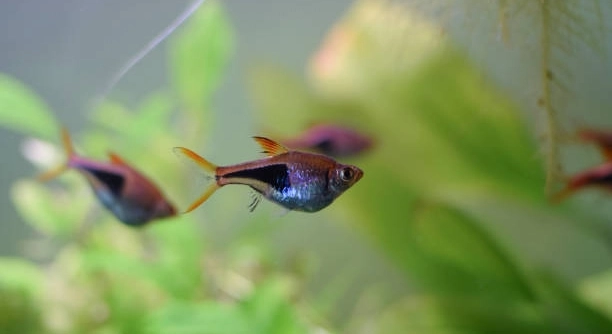
Have you recently added rasboras to your tank and find yourself wondering if they’re finally starting to feel at home?
Rasboras that are settling in will display subtle behaviors such as schooling calmly, exploring their surroundings, eating regularly, and maintaining vivid coloration. These signs indicate comfort, reduced stress, and healthy adjustment to their new environment.
These gentle signs may be easy to miss, but noticing them can help you create a better, more peaceful space for your rasboras.
Calm Schooling Behavior
When rasboras are adjusting well, they begin to swim together in a calm and steady rhythm. This behavior shows they feel safe. In a new environment, they may scatter or dart quickly. But once settled, they swim in tight groups with relaxed movements. Calm schooling means they trust their surroundings and each other. This is a clear sign of comfort. If you notice them gliding peacefully in a synchronized pattern, they are likely feeling at ease. It may take a few days, but consistent tank conditions help this happen. Clean water, steady temperature, and soft lighting encourage calm behavior. Avoid loud noises or sudden movement near the tank, as these can delay their adjustment. Rasboras are sensitive, so a peaceful environment goes a long way. When they stop hiding and swim confidently in a group, it’s a good indicator they’ve begun to settle in.
This kind of movement is more than pretty—it shows real progress in their comfort.
Once your rasboras start swimming calmly with their group, it’s a positive shift. In the beginning, they may hide or dash around due to stress. Calm, steady schooling behavior proves they’re beginning to feel secure.
Regular Eating Habits
A rasbora that eats consistently is showing it feels safe. Skipping meals is common during the first few days in a new tank.
When rasboras feel uncertain, they usually avoid food, even if it’s their favorite. But as they settle in, their appetite returns. You’ll notice they come up during feeding time and eat calmly without rushing or hiding. This is a very good sign. Regular eating shows they feel comfortable and confident enough to approach food without fear. Offer small amounts at consistent times each day. Watch how they respond. If they gather near the surface or middle of the tank when you approach, it means they’re associating your presence with feeding—a sign of trust. Stick with a simple diet of quality flakes or micro pellets for now. Avoid overfeeding. A healthy appetite that shows up daily is a reliable way to know they’re adjusting well to their new home.
Bright and Consistent Color
Rasboras that are feeling safe and healthy will show rich, even coloration. Faded or dull shades often mean they are stressed or not fully adjusted.
Their colors often improve once they feel calm. Bright reds, oranges, and shimmering silvers become more vivid as stress levels drop. You might notice their stripes or spots look clearer too. Consistent lighting and clean water play a role in this. If their coloring stays dull after several days, something may still be off—possibly water quality or tank mates. Bright color alone doesn’t mean everything is perfect, but when paired with other signs, it’s a solid indicator. Rasboras that glow with color, even in low light, are usually doing well. It’s helpful to take photos every few days for comparison. Subtle improvements can be missed if you’re not watching closely.
Sudden color changes, like fading or dark blotches, can also be a warning. These shifts often come before other visible signs of stress or illness. If this happens, check the water parameters immediately and look for signs of bullying or overcrowding. When everything is balanced—lighting, feeding, water conditions—you’ll notice a gradual return of brightness. Consistent color across the school shows your rasboras are becoming more comfortable and adjusting well to their tank life.
Exploring the Tank
Rasboras begin to explore the tank when they feel safe. They’ll investigate corners, plants, and decorations instead of staying in one area. Movement becomes smooth, and they may swim up and down the glass calmly.
This kind of behavior means they feel confident in their space. At first, new rasboras may hide in the back of the tank or gather near the bottom. But as they adjust, they’ll move throughout the tank more freely. Swimming across open areas and through plants or structures means they trust their surroundings. Avoid sudden changes in tank layout during this phase, as that can set back progress. Instead, keep a stable environment while they adjust. Give them a mix of open water and planted spaces to explore. Rasboras enjoy mid-level swimming and appreciate gentle water flow. Exploration is more than curiosity—it’s a reflection of feeling secure. When they move with ease, it shows they’re settling in.
Reduced Hiding
When rasboras settle in, they stop hiding behind plants or decorations. They begin swimming more openly and spend time in the mid-section of the tank. Less hiding shows they feel less threatened by their environment.
If they still tuck themselves away often, something may be wrong. Stress, poor lighting, or aggressive tank mates can cause this. Once they’re comfortable, you’ll see them moving more freely, often with the rest of the group.
Smooth and Steady Movements
A rasbora that feels calm will swim with slow, steady movements. Darting, jerky motions usually mean they are startled or nervous. Once they adjust, their behavior becomes smoother. Watch for them to glide around the tank with ease. This change often happens gradually. Any signs of panic or fast bursts of motion are worth noting. These could suggest something in the environment is bothering them. When movements stay calm and controlled, it’s a clear signal your rasboras are starting to feel at home.
Responding to You
Rasboras that are settling in may swim toward the glass when you approach. They begin to recognize feeding routines and your presence.
FAQ
How long does it usually take for rasboras to settle in?
It usually takes rasboras anywhere from three days to two weeks to settle in, depending on tank conditions and stress levels. Some may start showing signs of comfort within the first few days, like schooling or exploring. Others may take longer, especially if the tank is new or has recently changed. Water quality, tank mates, lighting, and how quietly the environment is maintained all play a role. If everything is stable and peaceful, rasboras will begin to relax more quickly. Give them time and avoid making changes while they’re adjusting. A calm routine helps them feel secure.
Why are my rasboras hiding all the time?
Rasboras usually hide when they feel unsafe. Common reasons include sudden changes in water temperature, poor water quality, loud surroundings, or the presence of aggressive tank mates. Hiding can also happen if there isn’t enough cover in the tank—plants and décor can make them feel more protected. If they don’t come out after several days, test your water parameters and make sure ammonia, nitrite, and nitrate levels are within safe ranges. Keep lighting soft and avoid tapping on the glass. Once the stress factors are removed, they usually start swimming more confidently in open areas.
Do rasboras always school together when they’re happy?
Yes, schooling is a natural behavior, and happy, settled rasboras will usually swim together in a coordinated group. If one or two are constantly straying or separating from the school, it may indicate stress, illness, or incompatibility with tank conditions. Schooling also depends on the size of the group. Keeping at least six rasboras together is best, as smaller numbers can cause stress and lead to more solitary behavior. A healthy, active school that moves calmly around the tank is a reliable sign they’re doing well and feeling safe in their environment.
What should I feed rasboras when they’re new to the tank?
Start with high-quality micro pellets or crushed flakes. Rasboras have small mouths, so food size matters. You can also offer occasional treats like frozen daphnia or baby brine shrimp. Feed small amounts twice a day and remove uneaten food to keep the water clean. During the first few days, they may skip meals due to stress. That’s normal. Don’t overfeed to compensate. As they settle in, they’ll begin to eat regularly and may even swim up when they see you. Keeping their diet simple and consistent helps them gain trust and adjust faster.
Why are my rasboras losing color?
Color loss is often a stress signal. It can be caused by poor water conditions, inconsistent lighting, or fear from sudden movement or aggressive fish. New arrivals might appear pale at first, but as they settle, their color usually returns. To support their recovery, keep tank lighting soft, perform regular water changes, and maintain steady temperatures. Avoid overhandling or moving décor around. Bright, consistent coloring will return once they feel stable. If color fades suddenly and stays that way, check for illness or aggression. Addressing those issues early can prevent more serious problems.
Can rasboras live alone or in pairs?
No, rasboras are schooling fish and should never be kept alone or in pairs. They feel safe in groups of six or more. In small numbers, they often hide more, show signs of stress, and can become ill over time. Without enough companions, their natural behavior disappears. Group swimming helps them feel secure and less exposed to threats. Always aim for a school that fits your tank size but still offers enough room for movement. If you want calm, happy rasboras, keeping a proper group is essential for their well-being and comfort.
Final Thoughts
Rasboras are gentle fish that bring life and movement to a freshwater tank. When they begin to settle in, they show clear signs—like schooling calmly, eating regularly, and exploring their surroundings. These small changes are easy to miss if you’re not looking for them, but they each mean something important. Watching your rasboras grow more comfortable is a rewarding experience. It shows that your care, patience, and setup are working. A settled rasbora is one that feels safe, and safety leads to better health, brighter color, and smoother behavior.
Keeping their environment steady is key. Rasboras do best in clean, quiet tanks with soft lighting and gentle water flow. Avoid big changes, loud noises, or aggressive tank mates. These things can quickly stress them out and undo progress. Offer a mix of open swimming space and shelter like plants or rocks. This balance helps them explore and rest when needed. Keep their diet simple and consistent. Even if they ignore food in the beginning, they usually come around once they start feeling safe. Every small sign—like reduced hiding or brighter color—is a step forward.
It’s important to be patient and gentle. Rasboras are sensitive and notice everything in their environment. They respond well to a calm routine and steady care. Over time, they will become more active and start to recognize your presence. These signs may not come all at once, but if you pay attention, you’ll see their progress. The more you observe them, the easier it becomes to spot signs of comfort or stress. Taking time to understand your rasboras helps you create a peaceful space they can enjoy. With the right care, they will thrive.

Hello,
If you enjoy the content that we create, please consider saying a "Thank You!" by leaving a tip.
Every little bit helps us continue crafting quality advice that supports the health, happiness, and well-being of pets around the world, for pets of all shapes, sizes, and species.
We really appreciate the kindness and support that you show us!