7 Inexpensive Ways to Upgrade a Threadfin Rainbowfish Setup
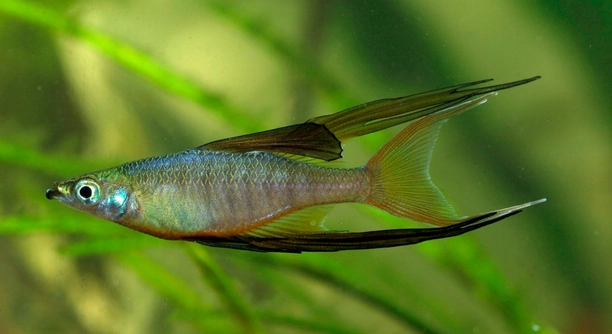
Do you enjoy keeping Threadfin Rainbowfish but feel your tank could use a subtle refresh without spending too much? Upgrading a setup can be simple, affordable, and rewarding for both you and your fish companions. Enhancing a Threadfin Rainbowfish setup can be achieved through low-cost methods such as rearranging plants, adding natural décor, optimizing water … Read more
Why Do Threadfin Rainbowfish Sometimes Hover and Shake?

Do you ever notice your Threadfin Rainbowfish hovering in one spot, gently shaking, and moving their fins almost like they are floating in place? These small bursts of unusual behavior often catch the attention of aquarium enthusiasts. Threadfin Rainbowfish sometimes hover and shake due to stress, water quality issues, or minor irritations from parasites. This … Read more

What to Do If a Threadfin Rainbowfish Gets Injured

Have you ever noticed your threadfin rainbowfish get injured and felt unsure about the right steps to help it recover safely? The best way to care for an injured threadfin rainbowfish is by immediately isolating it in a clean, separate tank. This reduces stress, prevents further injury, and protects it from possible infections while allowing … Read more

7 Tiny Rasbora Gestures With Big Meaning

Tiny rasboras are small freshwater fish known for their delicate movements and social behavior. Observing their subtle gestures can reveal a surprising amount about their mood and interactions within their environment. These tiny signals carry important meanings for both the fish and their caretakers. Tiny rasbora gestures, such as fin flicks, body tilts, and swimming … Read more

7 Things Rasbora Might Think Are Threats

Do you ever find yourself watching your rasboras dart around the tank and wonder what might make them feel unsafe or stressed? Rasboras may perceive sudden movements, changes in water conditions, aggressive tank mates, loud noises, unusual lighting, human presence, or new decorations as potential threats, often triggering hiding behavior or erratic swimming patterns. Understanding … Read more

Why Rasbora Might Watch You From the Corner

Do you ever find yourself watching your Rasbora and noticing it seems to be watching you right back from the corner of the tank? Rasboras may watch from the corner due to a mix of environmental awareness, social behavior, and curiosity. These fish often scan their surroundings for movement and change, especially when they associate … Read more

Do Rasbora React to Their Own Reflection?

Rasboras are small, colorful fish often kept in home aquariums. Many aquarium owners notice their rasboras interacting with reflective surfaces inside the tank. Observing how these fish react to their own reflection can be quite interesting. Rasboras do respond to their own reflection, often mistaking it for another fish. They may show behaviors like chasing … Read more

7 Behaviors Rasbora Show When They’re Tired

Many aquarium lovers enjoy watching rasboras swim gracefully in their tanks. These small fish have unique habits that show how they feel. Knowing their tired behaviors helps in caring for them better. Rasboras display tiredness through slower swimming, reduced activity, staying near the bottom, less interest in food, hiding more often, faded colors, and occasional … Read more

7 Rasbora Actions That Indicate Curiosity

Rasboras are small, active fish often kept in home aquariums. They show interesting behaviors that reveal their interest in the environment around them. Watching these actions helps us understand their curious nature better. Rasboras display curiosity through actions like exploring new objects, following movement, changing swimming patterns, and inspecting their surroundings. These behaviors indicate their … Read more

What Happens If Rasbora Are Left in Silence?

Rasboras are small, peaceful fish that many enjoy keeping in home aquariums. They thrive in groups and respond to their surroundings quietly. Their behavior can change depending on the environment they live in, especially when there is little or no noise around. When rasboras are left in silence, they tend to become less active and … Read more