
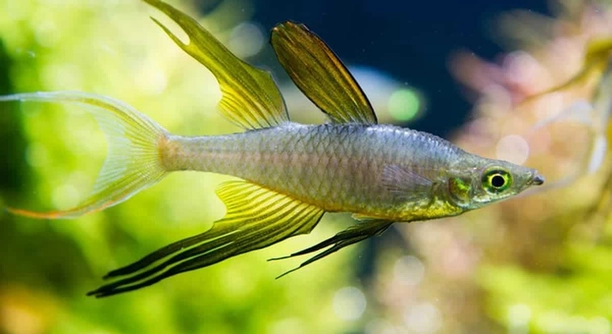
Do you ever notice your Threadfin Rainbowfish hovering in one spot, gently shaking, and moving their fins almost like they are floating in place? These small bursts of unusual behavior often catch the attention of aquarium enthusiasts.
Threadfin Rainbowfish sometimes hover and shake due to stress, water quality issues, or minor irritations from parasites. This behavior can indicate environmental discomfort or early signs of illness, requiring prompt attention to maintain optimal health and prevent further complications.
Observing these subtle movements can provide important insights into your fish’s well-being. Understanding the causes helps ensure your rainbowfish remain healthy and active in their aquatic environment.
Common Reasons for Hovering and Shaking
Threadfin Rainbowfish often hover and shake for a variety of environmental and health reasons. Poor water quality is a leading factor, including high ammonia, nitrite, or nitrate levels, which can irritate fish and stress them. Temperature fluctuations or sudden changes in pH can also lead to this behavior, as the fish struggle to adjust to less-than-ideal conditions. In some cases, parasites or mild infections trigger shaking or fin movements. Overcrowding or aggressive tank mates may contribute, making fish retreat and hover to avoid confrontation. Even minor dietary imbalances or inconsistent feeding schedules can create discomfort, causing unusual motion patterns. Observing their habitat carefully can reveal subtle signs of stress, such as faded colors or clamped fins, which often accompany hovering and shaking. Proper maintenance, including regular water changes, careful feeding, and monitoring water parameters, can reduce these behaviors significantly and promote a more stable, healthy environment.
Addressing water quality and stress factors quickly often restores normal behavior and reduces the need for frequent observation.
When Threadfin Rainbowfish hover and shake, immediate attention to their tank conditions can prevent further stress. Regular testing of water parameters, maintaining consistent temperatures, and avoiding sudden changes in lighting or décor all contribute to a stable habitat. Introducing new fish gradually, along with proper quarantine procedures, minimizes disease transmission. Ensuring a balanced diet with appropriate feeding amounts supports their overall health and energy levels. Observing daily behavior allows early detection of problems, making interventions more effective. Consistency in care and a calm environment often lead to noticeable improvement in behavior within a few days. A combination of clean water, stress reduction, and balanced nutrition creates the most reliable conditions for healthy, active rainbowfish.
Signs of Illness or Stress
Hovering and shaking may indicate illness, stress, or minor irritation in your fish. These behaviors often appear before more severe symptoms develop.
Persistent hovering, fin clamping, or rapid gill movement can signal infection, parasites, or environmental issues. Even mild stress weakens the immune system, making fish more vulnerable. Regular monitoring of activity levels, coloration, and appetite provides critical information. Fish that suddenly stop eating or isolate themselves may need immediate attention. Quarantine procedures for new fish prevent spreading diseases, while maintaining stable water conditions supports recovery. Proper filtration, temperature regulation, and careful handling reduce stress. Observing interactions with other tank mates can reveal bullying or dominance issues, which contribute to anxious behavior. Timely intervention often prevents illness from worsening, ensuring rainbowfish remain active and healthy. Early recognition of stress signs allows for adjustments in feeding, habitat, and medical treatment, preserving their overall well-being. Preventive measures, such as consistent maintenance routines and stress reduction techniques, are key to minimizing hovering and shaking behaviors over time.
Adjusting Water Conditions
Maintaining stable water conditions is essential for Threadfin Rainbowfish. Temperature, pH, and ammonia levels should be monitored daily to prevent stress. Sudden changes often trigger hovering and shaking, so gradual adjustments are critical for their comfort and health.
Regular testing of tank water helps identify issues before they escalate. Use a reliable water test kit to measure ammonia, nitrites, nitrates, and pH. Maintain temperatures within the recommended range, usually between 24–28°C, and avoid sudden drops or spikes. Gradual water changes prevent shock, and proper filtration removes harmful chemicals. Stable conditions reduce stress, minimize shaking, and encourage normal swimming patterns. Small adjustments, like slowly introducing new water or balancing mineral content, make a big difference in overall fish behavior.
Water changes should be consistent, with careful attention to temperature and chemistry. Over time, these efforts prevent recurring stress. Avoid overfeeding and remove uneaten food promptly to maintain clean water. Adding plants or hiding spots can further reduce stress, giving fish safe areas to retreat. Observing behavior during adjustments ensures changes are effective. With patience and attention, hovering and shaking behaviors become less frequent, supporting long-term health and vitality in the tank.
Feeding Practices and Diet
Balanced feeding supports rainbowfish health and reduces stress-related behaviors. Offer a variety of high-quality flakes, pellets, and occasional live or frozen foods to meet nutritional needs. Avoid overfeeding, as excess food can pollute the water and trigger shaking.
Feeding in small, controlled portions several times a day helps maintain stable water quality. Include protein-rich foods like brine shrimp or daphnia for growth and energy. Supplementing with vegetable matter, such as blanched spinach or spirulina, provides essential vitamins. Observe feeding behavior to ensure all fish are eating evenly, as competition or dominance can affect nutrition. Rotate food types to prevent deficiencies and support natural coloration. Avoid sudden changes in diet, which can lead to digestive issues or stress, contributing to hovering and shaking.
Consistency in feeding routines reinforces comfort and reduces anxiety. Providing a balanced diet and monitoring intake encourages active swimming and natural behaviors. Keep track of uneaten food and adjust portion sizes accordingly to prevent water quality decline. Live plants can supplement diet while offering hiding spots. Feeding at the same times daily builds predictability, which fish respond to positively. Gradual changes in food type or quantity help prevent stress-induced shaking, allowing your rainbowfish to thrive in a stable and well-maintained environment.
Tank Environment and Layout
Providing hiding spots and open swimming areas reduces stress for Threadfin Rainbowfish. Plants, rocks, and decorations create natural boundaries and safe zones. Proper spacing prevents overcrowding, giving fish room to swim freely and hover without feeling threatened.
Arranging the tank thoughtfully minimizes stress-induced behaviors. Avoid sharp edges or unstable decorations that may injure fish. Open swimming areas combined with shaded spots create balance, allowing fish to regulate their comfort level while exploring and resting.
Observing Social Behavior
Interactions with tank mates influence hovering and shaking. Aggressive or dominant fish can intimidate others, causing retreat and stress-related movements. Monitoring compatibility helps maintain a calm environment.
Ensuring the right number of fish reduces territorial disputes. Threadfin Rainbowfish thrive in small schools, which provides safety and encourages natural swimming patterns. Avoid introducing aggressive species that may trigger anxiety. Watch for signs of bullying, such as chasing, nipping, or hiding, which often precede stress behaviors like shaking. Adjusting tank population or separating aggressive individuals supports harmony. Healthy social dynamics promote active, confident fish while reducing hovering and trembling caused by tension or fear.
Lighting Considerations
Consistent lighting prevents stress and supports natural activity cycles. Avoid sudden brightness changes that may trigger shaking or hiding.
FAQ
Why do Threadfin Rainbowfish hover near the surface?
Hovering near the surface often indicates low oxygen levels or poor water circulation. Fish may seek higher oxygen concentrations at the top of the tank. Ensuring proper aeration, regular water changes, and gentle water flow helps maintain balanced oxygen levels and reduces surface hovering.
Is shaking always a sign of illness?
Shaking is not always linked to illness. It can result from mild stress, changes in water parameters, or temporary irritation. However, persistent shaking combined with other symptoms like clamped fins, faded color, or loss of appetite may indicate infection or parasites and requires immediate attention.
Can overcrowding cause hovering and shaking?
Yes. Overcrowding increases stress and competition for space, leading to unusual behaviors. Threadfin Rainbowfish thrive in small groups with enough room to swim freely. Maintaining an appropriate tank population ensures comfort and reduces stress-induced hovering and shaking.
How often should I test water parameters?
Daily or weekly testing is recommended depending on tank size and population. Monitoring ammonia, nitrite, nitrate, pH, and temperature helps detect issues early. Keeping water stable prevents sudden changes that often trigger shaking and hovering.
Does diet affect these behaviors?
Yes, diet impacts overall health and stress levels. Overfeeding can pollute the water, while inconsistent feeding may cause anxiety. A balanced diet including flakes, pellets, live, or frozen foods, offered in controlled portions, promotes normal swimming and reduces unusual behaviors.
Can tank mates influence hovering and shaking?
Aggressive or dominant fish may intimidate Threadfin Rainbowfish, leading to retreat and stress. Selecting compatible tank mates and observing interactions helps prevent tension. Schools of rainbowfish benefit from social support, which encourages confident movement and reduces stress-induced behaviors.
Are sudden changes in lighting a problem?
Yes. Sudden bright or flickering light can startle fish, triggering shaking or rapid hovering. Gradual lighting adjustments or dimmable lights help Threadfin Rainbowfish adapt comfortably to their environment, supporting natural activity patterns.
Do temperature fluctuations affect behavior?
Temperature changes can cause stress, leading to hovering or shaking. Threadfin Rainbowfish prefer stable conditions between 24–28°C. Sudden increases or decreases reduce metabolism, weaken the immune system, and make fish more prone to illness or irritation.
How long should I monitor the fish after noticing hovering or shaking?
Observe fish daily for several days to track changes. Note frequency, duration, and context of behavior. Consistent patterns help identify triggers and determine if adjustments to water quality, diet, or tank setup are needed.
When should I seek veterinary advice?
If shaking or hovering persists despite stable water conditions, proper diet, and a calm environment, consulting a fish health specialist is recommended. Early intervention prevents worsening of illness or stress-related behaviors, ensuring your rainbowfish remain active and healthy.
Can decorations or tank layout cause stress?
Yes. Sharp edges, unstable items, or lack of hiding spots can create anxiety. Providing secure plants, rocks, and open swimming areas allows fish to retreat when needed, reducing hovering and shaking caused by environmental discomfort.
Are there natural remedies to reduce stress?
Gentle water changes, adding live plants, maintaining stable lighting, and providing consistent feeding routines can alleviate mild stress. Avoid chemical treatments unless necessary, as they may create additional stress and worsen unusual behaviors.
Is it normal for young rainbowfish to shake more than adults?
Juvenile fish are more sensitive to environmental changes and social interactions. Temporary shaking or hovering is often observed as they adapt to tank conditions. Maintaining stable water, proper diet, and a calm environment helps them grow without persistent stress behaviors.
Can disease prevention reduce hovering and shaking?
Preventive measures such as quarantining new fish, monitoring water quality, and maintaining balanced nutrition are effective. Healthy, stress-free fish are less likely to display shaking or hovering, allowing them to thrive in a stable and harmonious tank environment.
Do seasonal changes impact their behavior?
Seasonal shifts affecting room temperature or light duration can influence fish activity. Consistent heating, lighting, and routine monitoring mitigate seasonal stress, preventing behaviors like hovering and shaking that often arise from environmental fluctuations.
Final Thoughts
Threadfin Rainbowfish are delicate and sensitive creatures that respond strongly to their environment. Observing hovering and shaking is often an early indicator that something in the tank requires attention. These behaviors are usually linked to stress, water quality issues, or minor health concerns. Maintaining stable conditions, including consistent water temperature, pH, and oxygen levels, is essential for their comfort. Regular water testing and careful monitoring can prevent many of these issues before they escalate. Simple steps like gradual water changes, proper aeration, and a balanced filtration system create a safer and more comfortable habitat. Paying attention to the fish’s behavior daily allows for early intervention, which is much more effective than attempting to correct problems after they have progressed.
Diet also plays a significant role in the overall well-being of Threadfin Rainbowfish. Providing a varied and balanced diet, including flakes, pellets, and occasional live or frozen foods, helps meet their nutritional needs. Overfeeding or inconsistent feeding can lead to water pollution, stress, and abnormal behaviors such as shaking or hovering. Observing how the fish interact with their food ensures that all individuals are eating adequately, and adjusting portion sizes prevents leftover waste from deteriorating water quality. Including some vegetable matter, such as spirulina or blanched greens, contributes essential vitamins and supports natural coloration. Establishing a consistent feeding routine reduces anxiety and encourages regular activity, while small adjustments to diet over time help the fish remain healthy and active.
The tank environment and social dynamics are equally important for preventing stress-related behaviors. Providing adequate hiding spots, open swimming areas, and compatible tank mates allows the fish to feel secure while exploring. Overcrowding or aggressive individuals can increase anxiety and lead to persistent hovering or shaking. Lighting should be stable, avoiding sudden changes that may startle the fish. Observing social interactions and making small adjustments, such as separating aggressive fish or rearranging decorations, can create a calmer environment. Preventive measures, including quarantine procedures for new fish, careful handling, and monitoring for early signs of illness, further reduce stress. By combining proper water maintenance, balanced nutrition, and a thoughtfully arranged habitat, Threadfin Rainbowfish are more likely to remain healthy, active, and vibrant. Attentive care and observation help ensure they thrive in a stable and supportive aquarium environment.

Hello,
If you enjoy the content that we create, please consider saying a "Thank You!" by leaving a tip.
Every little bit helps us continue crafting quality advice that supports the health, happiness, and well-being of pets around the world, for pets of all shapes, sizes, and species.
We really appreciate the kindness and support that you show us!