
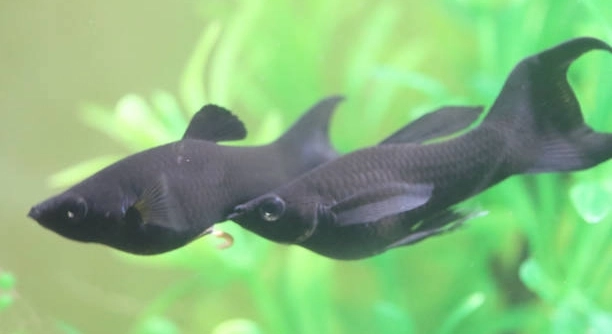
Is your Black Molly swimming near the glass more than usual, seemingly uneasy or startled by reflections? Many fish owners notice this behavior and wonder if mirrors in their tank may be causing unnecessary stress for their pets.
Black Mollies can become stressed when exposed to mirrors for prolonged periods. The reflection may trigger territorial or aggressive instincts, leading to increased activity, erratic swimming, and elevated stress levels, which can negatively impact overall health and well-being.
Understanding how mirrors affect your Black Molly can help improve its environment and reduce stress, ensuring a calmer and healthier aquatic habitat.
Why Mirrors Affect Black Mollies
Black Mollies are naturally territorial fish. When they see their reflection, they may mistake it for another fish intruding on their space. This can lead to sudden bursts of swimming, chasing behavior, and even hiding. Over time, repeated exposure to mirrors can increase stress hormones, which affect appetite, immunity, and overall health. It’s not just the presence of the mirror but the frequency and duration of exposure that matters. Short, occasional glimpses might stimulate natural activity, but constant exposure can be harmful. Tank placement, lighting, and the size of the mirror also influence how a Black Molly perceives its reflection. A mirror near high-traffic areas or bright lights can amplify stress. Observing your fish for signs like rapid gill movement, erratic swimming, or staying in corners can indicate distress. Adjusting the environment can help maintain a calm, balanced habitat for your Black Molly.
Monitoring reflection-induced stress is essential to maintain fish health and avoid long-term behavioral issues.
Regular observation and adjustments to tank setup can prevent unnecessary stress for your Black Molly, keeping it active and healthy.
Managing Mirror Exposure
Limiting exposure to mirrors is crucial for reducing stress. Black Mollies do better in stable, calm environments without constant reflections.
Gradually removing or covering mirrors can help your Black Molly adjust without sudden changes. Start by partially covering reflective surfaces or moving mirrors away from areas where the fish spend most of their time. Introducing decorations, plants, or background scenery can break up reflections and provide hiding spots, giving the fish a sense of security. Observe behavior closely during this adjustment period, noting changes in swimming patterns, feeding, and interactions. Some Black Mollies may still approach mirrors out of curiosity, but stress indicators should lessen over time. A balanced approach ensures the fish remain active and engaged without triggering aggressive or anxious behavior. Consistency in tank lighting and positioning also plays a role, as sudden shifts in reflections can confuse or startle the fish. Maintaining a structured environment helps preserve both physical health and natural behavioral patterns, supporting long-term well-being.
Creating a comfortable habitat with controlled reflections promotes a calmer, healthier life for Black Mollies while encouraging natural behaviors without stress.
Signs of Stress in Black Mollies
Rapid gill movement, erratic swimming, and hiding are common stress indicators in Black Mollies. Loss of appetite and color fading may also occur. Observing these behaviors early can help prevent long-term health issues.
When a Black Molly is stressed, it often swims frantically along the tank walls or repeatedly attacks its own reflection. Reduced interest in food and less interaction with tank mates are also signs. Chronic stress weakens the immune system, making the fish more prone to illness. Other behaviors, like clamped fins or staying in one corner, indicate discomfort. Stress can also cause physical changes, such as duller coloration or slower growth. By paying attention to these signals, adjustments to the tank environment can be made to improve the fish’s well-being.
Behavioral stress can affect reproduction and social interaction among Black Mollies. Stressed fish may avoid other tank mates or become unusually aggressive. Providing hiding spaces, limiting mirror exposure, and maintaining consistent water conditions help reduce stress. Regular monitoring allows owners to detect subtle changes before they escalate. A stable environment with appropriate lighting and minimal reflective surfaces encourages natural behavior. Environmental enrichment, including plants and decorations, can also redirect attention and reduce anxiety. Over time, these steps support both mental and physical health, ensuring Black Mollies remain active and vibrant in the tank.
Creating a Calm Environment
Providing plants, decorations, and hiding spots reduces stress and limits mirror exposure, giving Black Mollies a sense of security.
Arranging the tank to break up reflections prevents repeated aggressive or territorial behavior. Backgrounds or non-reflective surfaces can block mirrors while creating a visually interesting space for the fish. Natural plants not only reduce stress but also improve water quality. Hiding spots give Black Mollies safe zones, allowing them to retreat when feeling threatened. The placement of decorations should consider swimming space, ensuring the fish can navigate freely without obstruction. Controlled lighting helps minimize glare and sharp reflections that could trigger stress. Consistent temperature, filtration, and water quality complement these changes, supporting overall health. Observing how the fish interact with these elements allows for further adjustments. Small modifications often lead to noticeable improvements in activity levels and coloration, indicating reduced stress.
A calm environment encourages natural behaviors, promotes health, and reduces the negative impact of mirrors on Black Mollies, supporting their well-being over time.
Adjusting Mirror Use
Short, controlled mirror exposure can stimulate activity without causing stress. Avoid leaving mirrors in the tank for extended periods.
Observe how your Black Molly reacts during brief mirror sessions. Remove mirrors if signs of agitation appear. Controlled exposure helps maintain engagement without triggering territorial behavior.
Tank Setup and Layout
Strategically placing plants, rocks, and decorations can minimize reflections and create safe zones. Black Mollies respond positively to varied environments that provide both open swimming areas and hiding spots. These elements break up reflections, reduce stress, and encourage natural exploration. Proper tank arrangement also supports social interactions, allowing fish to coexist without aggression. Regular observation ensures that the layout continues to meet the fish’s needs. Avoid overcrowding, as too many fish or decorations can increase stress levels. Adjustments should prioritize comfort, visibility, and safety. A balanced tank design maintains a healthy habitat while reducing stress triggers, including mirrors, ensuring Black Mollies remain active, calm, and healthy.
Observing Long-Term Behavior
Tracking behavior over time helps identify stress patterns and adjust tank conditions accordingly.
FAQ
Can Black Mollies see themselves clearly in a mirror?
Yes, Black Mollies can see their reflection, but they do not recognize it as themselves. They often interpret it as another fish, which can trigger territorial or aggressive instincts. Their response depends on personality, tank size, and how long they are exposed.
How long can a mirror safely stay in a tank?
Mirrors should only be introduced for brief periods, ideally 5–10 minutes at a time. Prolonged exposure increases stress levels, leading to erratic swimming, color fading, and weakened immunity. Using mirrors occasionally can stimulate activity without harming health.
What behaviors indicate stress from mirrors?
Common signs include rapid gill movement, constant chasing of the reflection, hiding, clamped fins, loss of appetite, and dull coloration. Chronic stress may result in slower growth, reduced social interaction, and susceptibility to illness. Watching these behaviors helps determine when mirrors should be removed.
Are all Black Mollies affected the same way?
No, individual fish respond differently. Some may show curiosity without stress, while others display intense territorial behavior. Age, size, and tank environment also influence reactions. Observing individual responses is key to preventing stress-related problems.
Can mirrors be beneficial at all?
Short exposure to mirrors can encourage exercise and activity, particularly in young or less active Black Mollies. Brief mirror sessions can provide stimulation and mental engagement, but constant exposure is harmful. Balance is essential to avoid stress.
What alternative enrichment can replace mirrors?
Decorations, plants, rocks, and floating structures provide hiding spots and exploration areas. These reduce stress while promoting natural behaviors. Tank rearrangements and visual variety stimulate curiosity without triggering territorial aggression that mirrors can cause.
How do tank conditions affect mirror stress?
Water quality, temperature, lighting, and space influence stress levels. Poor conditions amplify anxiety from reflections. Stable, clean water with appropriate filtration and consistent lighting helps mollies cope with environmental changes, including occasional mirror exposure.
Should mirrors be avoided entirely for Black Mollies?
It depends on the individual fish and tank setup. Many Black Mollies do better without mirrors, but occasional controlled exposure can be safe. Monitoring behavior is essential to decide whether mirrors are appropriate for your tank.
How quickly do Black Mollies recover from mirror-induced stress?
Recovery varies but usually occurs within a few hours to a day after removing the mirror. Providing hiding spots, stable water conditions, and gentle observation supports faster recovery and restores normal behavior.
Can stress from mirrors affect long-term health?
Yes, chronic stress can weaken the immune system, reduce growth, and shorten lifespan. Managing exposure and ensuring a calm, enriched environment helps prevent long-term negative effects. Regular monitoring and adjustments are essential for ongoing health.
Is it okay to let multiple Black Mollies see the mirror together?
Multiple fish may still react aggressively toward their reflections. Group exposure can increase agitation if territorial instincts are triggered. Careful observation is necessary, and mirrors should be limited to short periods to avoid conflict.
What’s the best way to introduce a mirror safely?
Start with very brief sessions, placing the mirror in a less central area of the tank. Watch for signs of stress, gradually increasing exposure only if the fish remain calm. Remove immediately if aggressive or anxious behavior appears.
Do mirror reflections cause permanent behavioral changes?
Occasional, brief exposure usually does not. However, prolonged exposure can lead to persistent anxiety, hyperactivity, and social disruption. Preventing long-term stress involves careful control of exposure and a well-structured tank environment.
Can juveniles tolerate mirrors better than adults?
Juvenile Black Mollies may be more curious and less territorial, showing short bursts of activity rather than stress. Adults are often more territorial and may become aggressive quickly. Individual observation remains crucial to ensure safety for all ages.
How do decorations help reduce mirror stress?
Plants, rocks, and visual barriers break up reflections and create safe zones. Hiding spots give fish a retreat from perceived threats, lowering anxiety and promoting natural behaviors. A varied layout keeps the tank stimulating without inducing stress.
Are there signs that a mirror is beneficial rather than harmful?
Active swimming, brief interaction with reflections, and quick return to normal behavior indicate positive stimulation. If fish remain calm and show no prolonged aggression or hiding, short mirror exposure may be enriching rather than stressful.
Can stress from mirrors trigger aggression toward other fish?
Yes, stress can increase territorial behavior. A fish may attack tank mates after reacting to its reflection. Ensuring plenty of space, hiding spots, and controlled mirror exposure prevents conflicts and keeps social dynamics stable.
How often should tank behavior be monitored?
Daily observation is recommended, focusing on swimming patterns, appetite, color, and interactions. Early detection of stress allows timely intervention, preventing escalation and long-term health issues.
What’s the safest approach to mirrors for Black Mollies?
Use mirrors sparingly, only for brief sessions. Combine this with environmental enrichment, stable water conditions, and careful monitoring. Adjust placement and duration based on individual reactions to maintain a calm and healthy tank.
Can mirror stress affect breeding behavior?
Yes, excessive stress may reduce interest in mating or disrupt social hierarchy. Ensuring a low-stress environment with hiding spaces and controlled mirror use supports normal reproductive behavior.
How do lighting and reflection intensity impact stress?
Bright lights and sharp reflections amplify perceived threats. Diffused lighting and non-reflective backgrounds reduce stress. Adjusting lighting levels alongside mirror placement helps maintain a comfortable environment.
Is it necessary to remove mirrors permanently?
Permanent removal isn’t always required but is often safer. Occasional controlled exposure can be tolerated. The key is monitoring behavior and minimizing continuous reflection to prevent stress.
Can mirrors help with exercise?
Short, occasional mirror exposure can encourage swimming and activity, especially for less active fish. This must be balanced carefully to avoid overstimulation or stress-related behaviors.
How do I know if my Black Molly prefers mirrors?
Preference is indicated by calm interaction, brief curiosity, and normal behavior afterward. Aggression, hiding, or prolonged agitation shows the fish does not tolerate mirrors well. Observation is the best guide.
Are there tank setups where mirrors are safer?
Larger tanks with plenty of plants, decorations, and hiding spots allow for safer, controlled mirror exposure. Small, bare tanks increase stress risk and should avoid mirrors entirely.
Can mirrors affect coloration?
Yes, prolonged stress can cause color fading. Temporary exposure may stimulate curiosity without long-term effects, but continuous reflection is harmful. Healthy environments with enrichment help maintain vibrant coloration.
Should mirrors be used for behavior studies?
Mirrors can reveal territorial instincts and activity levels but should be used cautiously. Observations should be brief and monitored to avoid inducing stress or aggressive behavior.
How can I tell if multiple Black Mollies tolerate a mirror together?
Watch for chasing, fin nipping, or hiding. If these behaviors occur, reduce exposure. Some fish coexist calmly, but supervision is necessary to prevent conflicts.
Does water temperature influence mirror-induced stress?
Yes, stressful reflections are amplified if water conditions are unstable. Maintaining proper temperature, pH, and filtration helps mollies cope with environmental challenges, including brief mirror exposure.
What steps help recover stressed fish after mirror use?
Remove mirrors immediately, provide hiding spots, maintain stable water conditions, and monitor behavior closely. Calm interaction and proper nutrition support recovery and restore normal activity levels.
Are mirror reactions the same across fish species?
No, species vary in territoriality and recognition. Black Mollies are moderately territorial; other species may react differently. Understanding species-specific behavior is important for safe mirror use.
Can mirrors be used for short-term enrichment safely?
Yes, when exposure is brief, monitored, and the tank environment is enriched with plants, decorations, and hiding spaces. Controlled sessions can stimulate activity without causing stress.
How do I balance activity stimulation and stress prevention?
Limit mirror exposure, provide hiding spots, maintain stable water conditions, and observe behavior closely. Environmental enrichment and thoughtful tank design reduce stress while encouraging natural activity.
Can frequent mirror exposure create anxiety in Black Mollies?
Yes, repeated exposure without breaks can lead to chronic stress, aggression, and disrupted social behavior. Limiting interaction prevents anxiety and supports overall health.
Is it necessary to adjust feeding during mirror exposure?
Feeding can continue normally, but watch for reduced appetite during or after exposure. Stress may temporarily affect eating habits, requiring attention to maintain nutrition.
How do I introduce mirrors safely for the first time?
Start with very short sessions, monitor closely, and ensure hiding spots are available. Gradually increase exposure only if fish remain calm and stress indicators are absent.
Can mirror exposure replace social interaction with other fish?
No, mirrors do not provide social interaction. Black Mollies benefit from real tank mates for social behavior, and reflections should not substitute for companionship.
How often should mirrors be used for enrichment?
Occasional, brief sessions are sufficient. Overuse can cause stress, aggression, and health problems. Observing individual tolerance ensures safe enrichment.
What long-term effects should be monitored?
Watch for color changes, slowed growth, aggression, hiding, and illness. These indicate chronic stress from mirror exposure or other environmental factors.
Can mirror-induced stress affect immune function?
Yes, chronic stress weakens the immune system, making Black Mollies more susceptible to infections. Limiting mirror exposure and maintaining stable conditions prevents immune suppression.
How do tank size and population density impact mirror stress?
Smaller tanks and crowded conditions increase stress from reflections. Larger tanks with fewer fish allow more space to retreat and reduce the impact of mirrors.
Can mirrors trigger social hierarchy conflicts?
Yes, dominant fish may perceive reflections as rivals, causing aggression toward tank mates. Controlled exposure and hiding spaces minimize conflicts and maintain social balance.
Are certain times of day better for mirror exposure?
Calmer periods with stable lighting are preferable. Avoid peak feeding times or sudden light changes, as these can amplify stress reactions to reflections.
How do I know if my Black Molly recovered fully after mirror stress?
Normal swimming, bright coloration, regular feeding, and calm interaction with tank mates indicate recovery. Persistent hiding or aggression signals continued stress and requires further adjustments.
Can mirror stress influence reproduction long-term?
Prolonged stress can reduce mating interest, disrupt social hierarchy, and impact egg production. Maintaining a low-stress environment supports natural reproductive behavior.
What’s the best overall strategy for mirrors in Black Molly tanks?
Use brief, controlled exposure with close monitoring, provide enrichment and hiding spaces, maintain water stability, and adjust based on individual fish reactions. The goal is safe stimulation without compromising health or behavior.
Can mirror exposure be used for educational purposes safely?
Yes, short observation sessions reveal natural behaviors, aggression, and curiosity. Avoid prolonged exposure to prevent stress while learning about Black Molly interactions.
Is it better to use mirrors for single or multiple fish?
Single fish may tolerate short mirror sessions more easily. Groups can experience amplified aggression. Monitor carefully and limit exposure to reduce conflicts.
How do I combine mirrors with other enrichment methods?
Use mirrors sparingly alongside plants, decorations, and hiding spots. Rotate enrichment methods to maintain interest while preventing stress from repeated reflections.
Does stress from mirrors affect coloration differently in males and females?
Males may display brighter or duller colors depending on stress level. Females also show color fading but may exhibit more hiding behavior. Observing both sexes helps determine appropriate mirror use.
Can mirrors help with observation of natural behavior?
Yes, brief controlled sessions reveal territorial instincts, activity patterns, and reactions without causing lasting stress. Observation should remain short and monitored closely.
Are reflective tank accessories safer than mirrors?
Subtle reflections from decorations or ornaments are usually less stressful than full mirrors. They provide visual interest without triggering intense territorial responses.
How do I maintain a balance between curiosity and stress?
Limit exposure, provide hiding spaces, monitor behavior, and ensure stable water conditions. Controlled enrichment promotes engagement while avoiding anxiety or aggression.
Can mirror exposure influence feeding behavior?
Short exposure may temporarily distract fish, but chronic stress can reduce appetite. Monitor eating patterns and adjust mirror use to maintain proper nutrition.
Are there alternatives to mirrors for exercise?
Floating toys, safe currents, and rearranged decorations encourage swimming and activity without causing stress. Regularly changing tank layout keeps Black Mollies engaged safely.
How does tank reflection compare to real fish interaction?
Reflections simulate presence but do not provide social cues. Real fish interactions are necessary for proper social behavior, while mirrors serve only brief enrichment purposes.
What are the signs that mirror use is successful?
Calm curiosity, brief engagement, maintained appetite, bright coloration, and normal interaction indicate positive stimulation. Aggression, hiding, or erratic behavior signals it is not tolerated.
How do I handle aggressive reactions during mirror exposure?
Remove mirrors immediately and provide hiding spots. Monitor recovery and adjust future exposure based on tolerance. Aggression indicates the fish does not benefit from reflection stimulation.
Is mirror use ever recommended for daily enrichment?
No, daily exposure can cause chronic stress. Occasional, controlled sessions are safer, combined with other forms of environmental enrichment.
What long-term monitoring should follow mirror exposure?
Track swimming patterns, social interactions, appetite, coloration, and stress indicators. Adjust the tank environment and mirror use based on ongoing observations to maintain health and well-being.
How do I decide if mirrors are appropriate for my tank setup?
Consider tank size, population density, decorations, hiding spots, and individual fish temperament. Observe behavior carefully to determine if occasional mirrors are safe and beneficial.
Can mirror-induced stress affect lifespan?
Chronic stress can shorten lifespan by weakening immunity, reducing growth, and causing behavioral problems. Minimizing exposure and maintaining a healthy environment helps prevent these effects.
How do I combine mirrors with social fish safely?
Limit mirror sessions, provide hiding spaces, and monitor interactions. Ensure fish have sufficient space to avoid conflicts and maintain calm social dynamics.
What is the safest duration for initial mirror exposure?
Start with 2–5 minutes, observing behavior closely. Gradually increase if fish remain calm. Immediate removal is necessary if stress signs appear.
Can stress from mirrors lead to disease?
Yes, chronic stress lowers immune function, increasing susceptibility to infections and illness. Reducing exposure and maintaining stable tank conditions helps prevent health problems.
How do I identify subtle signs of stress?
Watch for clamped fins, slight color fading, hiding in corners, reduced swimming, or less interaction with other fish. Early detection allows intervention before chronic stress develops.
Is it better to rotate mirrors or keep them static?
Rotation prevents overexposure to a single reflection. Moving mirrors occasionally can provide enrichment while reducing territorial stress. Always monitor fish responses.
Can mirrors replace other enrichment methods entirely?
No, mirrors cannot substitute for plants, hiding spots, or social interaction. They are supplementary tools that must be used carefully to avoid stress.
Do lighting conditions change how mirrors affect Black Mollies?
Yes, bright or harsh lighting intensifies reflections, increasing stress. Soft, diffused lighting reduces glare and makes mirror exposure less stressful for the fish.
Can mirror exposure help identify aggressive individuals?
Yes, reactions to reflections reveal territorial tendencies. This can help with tank management but should be brief to prevent prolonged stress.
Should mirror exposure be limited for tanks with multiple species?
Yes, stress from reflections can trigger aggression or frighten other species. Limit exposure and monitor all tank inhabitants closely.
Are there signs that mirror enrichment is improving fish activity?
Active swimming, brief investigation, and rapid return to normal behavior indicate successful enrichment. Lack of stress or aggression shows mirrors are stimulating without harm.
How do I safely introduce mirrors for a new fish?
Wait until the fish is acclimated, then start with very short sessions in a low-traffic area. Monitor closely and remove mirrors at the first sign of stress.
Can mirror stress affect feeding schedules?
Yes, stress may reduce appetite temporarily. Ensure normal feeding continues and adjust exposure if the fish avoids food during or after mirror sessions.
How do I balance enrichment with stress prevention?
Use mirrors sparingly, provide hiding spots, maintain stable water conditions, and rotate enrichment options. Observation ensures fish remain healthy and active without anxiety.
Is it safe to use mirrors in small tanks?
Small tanks increase stress risk due to limited escape space. Mirrors should be avoided or used only briefly with careful observation.
Can mirror exposure affect social hierarchy?
Yes, dominant fish may become aggressive toward reflections and other tank mates. Controlled exposure and hiding spots reduce conflicts and maintain balance.
What is the best overall guideline for mirror use?
Limit exposure to short, monitored sessions, combine with enrichment, provide hiding spaces, and ensure stable tank conditions. Always prioritize fish well-being.
How do I assess if mirrors are suitable for long-term use?
Track behavior, appetite, coloration, and interactions over time. Positive responses with minimal stress indicate occasional safe use, while persistent agitation signals mirrors should be removed.
Are mirrors suitable for all Black Molly tanks?
Not all tanks are ideal. Large, well-decorated tanks allow safer, brief exposure. Small, bare, or crowded tanks increase stress and should avoid mirrors.
How do I prevent stress after mirror exposure?
Remove mirrors, provide safe hiding spots, ensure stable water conditions, and monitor behavior until normal patterns return. Regular care supports recovery and health.
Can mirror stress affect growth?
Chronic stress can slow growth by impacting metabolism and feeding. Limiting exposure and maintaining a calm environment promotes normal development and vitality.
How do I know if my fish recovered fully?
Normal swimming, active feeding, bright coloration, and calm interaction with tank mates indicate full recovery from mirror-induced stress. Persistent hiding or aggression suggests further monitoring.
Are mirrors more stressful for males than females?
Males often show more territorial aggression, while females may hide or display color fading. Observation of both sexes guides safe mirror use.
Can mirrors be part of a regular enrichment routine?
Only occasionally and briefly. Daily or prolonged use causes stress, aggression, and health problems. Rotate with other enrichment methods to maintain well-being.
How does tank layout influence mirror reactions?
Plants, decorations, and hiding spots break up reflections and provide escape routes. Proper layout reduces territorial behavior and stress triggered by mirrors.
Is mirror exposure necessary for Black Mollies?
No, mirrors are optional. Natural stimulation from plants, swimming space, and tank mates is usually sufficient. Mirrors can be used sparingly for brief enrichment.
Can mirrors affect multiple species in a community tank?
Yes, reflections may stress or provoke aggression in other species. Limit exposure and monitor all tank inhabitants to ensure a calm environment.
What signs show mirrors are causing harm?
Prolonged hiding, frantic swimming, aggression, loss of appetite, clamped fins, and color fading indicate stress and the need to remove mirrors immediately.
**How do I reintroduce a mirror safely
Final Thoughts
Managing a Black Molly’s environment is essential for keeping the fish healthy and calm. Mirrors can be both a source of stimulation and stress, depending on how they are used. When a Black Molly sees its reflection, it may mistake it for another fish and respond with aggressive or territorial behavior. This can lead to erratic swimming, hiding, or reduced appetite. Over time, repeated exposure can increase stress hormones, weaken the immune system, and affect growth. Understanding these risks helps owners make informed decisions about mirror use. Short, controlled exposure is generally safe, but prolonged contact should be avoided. Observation is key. Watching your fish closely for signs of agitation allows adjustments before stress becomes a long-term problem. Mirrors are not inherently harmful, but they must be introduced carefully and thoughtfully to avoid negative impacts on behavior and health.
Creating a comfortable habitat goes beyond mirror management. Plants, decorations, and hiding spots give Black Mollies places to explore and retreat when they feel threatened. These elements help reduce stress, break up reflections, and encourage natural behaviors like swimming, foraging, and social interaction. A well-planned tank layout balances open swimming areas with safe zones, allowing fish to move freely while feeling secure. Water quality, temperature, and lighting also play a critical role. Stable conditions reduce anxiety and make occasional mirror exposure less likely to trigger strong territorial reactions. Environmental enrichment combined with proper tank maintenance creates a healthier, calmer, and more active fish. By paying attention to both physical and psychological needs, owners can support overall well-being, minimize stress, and encourage natural behaviors.
Every Black Molly is unique, so responses to mirrors can vary. Some fish may show curiosity without stress, while others react aggressively or hide. Juveniles may tolerate reflections more easily, while adults often display stronger territorial instincts. Monitoring individual behavior is essential. Gradual introduction of mirrors, along with observation and adjustments, ensures the fish remain comfortable and active. Avoiding constant or prolonged exposure prevents long-term negative effects on health and social behavior. Combining brief mirror sessions with other enrichment methods helps maintain mental stimulation while keeping stress low. The goal is to provide a safe, engaging, and balanced environment where Black Mollies can thrive. By managing reflections, maintaining water quality, and offering proper hiding spots, owners can reduce stress, support natural behavior, and create a harmonious tank that promotes both health and vitality.

Hello,
If you enjoy the content that we create, please consider saying a "Thank You!" by leaving a tip.
Every little bit helps us continue crafting quality advice that supports the health, happiness, and well-being of pets around the world, for pets of all shapes, sizes, and species.
We really appreciate the kindness and support that you show us!