
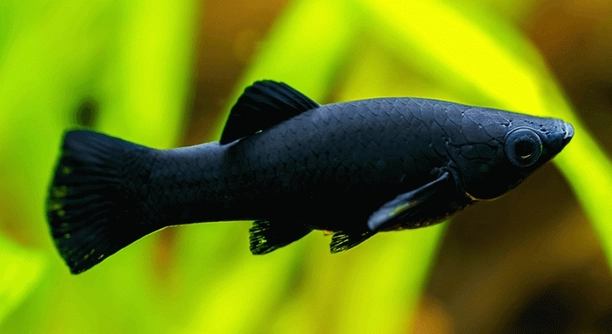
Are your black mollies ignoring the pellets in their tank? Many fish owners notice this behavior and feel concerned about their pets’ nutrition. Understanding why they refuse food can help maintain healthy, happy fish and a balanced aquarium environment.
Black mollies may avoid eating pellets due to factors including water quality, stress, sudden dietary changes, inappropriate pellet size, lack of enrichment, competition among tank mates, or underlying health issues. Addressing these factors can improve feeding behavior and overall wellbeing.
Identifying the underlying causes will help you adjust their environment and diet, ensuring your black mollies remain healthy and active in their aquatic home.
Water Quality Issues
Poor water quality can greatly affect a black molly’s appetite. High ammonia or nitrite levels, sudden pH changes, or incorrect temperature can stress fish and make them refuse pellets. I’ve noticed that even minor fluctuations in water chemistry can lead to days of picky eating. Black mollies are sensitive to their environment, and they rely on stable water conditions to feel safe and eat regularly. Regular water testing and partial water changes are essential to maintain a healthy tank. Filtration systems must also be checked to ensure they are functioning correctly. Uneaten food can further deteriorate water quality, creating a cycle of stress and refusal to eat. Monitoring water parameters closely helps prevent health issues and encourages consistent feeding behavior. This step is often overlooked by new fish owners but is vital for keeping black mollies active and vibrant.
Maintaining clean, stable water will help your black mollies regain their appetite and maintain long-term health.
Proper water conditions support metabolism, reduce stress, and make black mollies more willing to accept new food. Consistent care ensures their tank remains a safe, nourishing environment, encouraging natural feeding habits. Tracking temperature, pH, and chemical levels can prevent problems before they impact eating behavior. Even minor improvements can lead to noticeable changes in appetite and overall vitality. Over time, your black mollies will associate the tank with a safe space to eat, swim, and socialize. Clean water also reduces the risk of disease, which is often a hidden reason for food refusal. Feeding routines combined with stable water conditions strengthen their immune system and enhance digestion. Observing their behavior alongside these measures allows you to respond quickly if appetite changes again. Gradual adjustments to diet and environment can help mollies feel more secure, promoting regular pellet consumption.
Stress and Tank Environment
Black mollies are sensitive to overcrowding, sudden movements, or aggressive tank mates. Stress can cause them to refuse pellets entirely, even when hungry.
Minimizing disturbances and providing hiding spots allows black mollies to feel secure, reducing stress-related feeding issues.
Stress affects their digestion and immune system, making consistent feeding difficult. Ensuring a calm, properly structured tank with sufficient space, plants, and shelters encourages mollies to eat. Aggressive or overly active tank mates can intimidate them, so separating species or rearranging the tank may help. Bright lighting, frequent noise, or vibrations can also trigger stress, causing them to ignore food. Gradual acclimation to new environments and consistent daily routines helps mollies feel safe. Feeding at predictable times in a quiet setting can reinforce positive eating habits. Over time, they adapt to their environment, regain confidence, and begin accepting pellets more reliably. Observing behavior closely allows for quick interventions when signs of stress appear. By adjusting tank layout and reducing stressors, mollies are more likely to maintain consistent feeding patterns, supporting long-term health and vitality.
Sudden Dietary Changes
Black mollies often reject pellets if their diet has changed abruptly. Switching brands or introducing new foods without a gradual transition can confuse them. I’ve seen mollies refuse pellets for days until they adjust slowly to the new diet.
Gradual introduction is key. Mixing small amounts of new pellets with familiar food over several days allows black mollies to acclimate to the change. Sudden shifts in flavor, texture, or size can trigger refusal. Observing how they respond during this period helps determine the right balance for complete acceptance. A consistent feeding schedule combined with gradual changes reduces stress and encourages regular eating. Reintroducing familiar pellets intermittently can reinforce comfort while exploring new options.
Some mollies may need a few weeks to fully accept new pellets. During this time, supplementing with live or frozen foods can maintain nutrition. Slowly decreasing these alternatives encourages them to return to pellets. Paying attention to individual preferences also helps, as some mollies respond better to certain pellet types or textures. Maintaining patience and consistency prevents frustration while ensuring they receive adequate nutrients for healthy growth and activity. Over time, gradual adjustments create stable feeding habits, and mollies regain regular appetite and overall wellbeing.
Pellet Size and Type
Pellets that are too large or hard can be difficult for black mollies to eat. Choosing the right size prevents frustration and ensures they consume enough nutrients.
Smaller, softer pellets are easier for black mollies to grasp and digest. If pellets sink too quickly or are too dense, mollies may ignore them entirely. Observing which type they prefer can guide selection. Softening pellets with water or switching to floating varieties can make feeding more manageable and less stressful.
I’ve found that experimenting with brands, shapes, and textures often solves feeding issues. Some black mollies favor round pellets, while others prefer flakes or micro-pellets. Consistency is important, but occasional variation keeps their diet appealing. Adjusting pellet type can improve digestion, reduce waste, and maintain energy levels. Watching their eating habits closely helps identify preferred types, allowing better nutritional planning. Proper pellet choice combined with routine feeding fosters healthier, more confident mollies that consume their meals regularly. This adjustment often leads to noticeable improvements in growth, color, and overall activity.
Competition Among Tank Mates
Black mollies may avoid pellets if other fish dominate feeding areas. Aggressive or faster eaters can intimidate them, leaving little opportunity to eat.
Providing multiple feeding spots and observing mealtime dynamics can help mollies access food without stress, improving their overall intake and comfort in the tank.
Health Issues
Illness or parasites can reduce appetite in black mollies. Lethargy, weight loss, or unusual swimming patterns often accompany refusal to eat. Regular observation and prompt treatment are essential. Maintaining clean water and balanced nutrition supports immune function, helping prevent diseases that interfere with feeding behavior.
Lack of Enrichment
A bare tank with minimal plants or hiding spots can make black mollies feel insecure. Insufficient environmental stimulation may lead them to ignore pellets and become less active.
FAQ
Why is my black molly refusing pellets but eating other foods?
Black mollies can be selective eaters. They may prefer live or frozen foods over pellets due to taste, texture, or smell. Sudden changes in pellet type or brand can also trigger refusal. Gradually mixing pellets with familiar foods often encourages them to eat consistently.
Can stress cause my black molly to stop eating pellets?
Yes. Overcrowding, aggressive tank mates, sudden movements, or noisy environments can stress black mollies. Stress reduces appetite and affects digestion. Providing hiding spots, multiple feeding areas, and a calm environment helps mollies feel secure and resume normal feeding habits.
How do I know if water quality is affecting their appetite?
Poor water conditions often lead to appetite loss. High ammonia, nitrite, or nitrate levels, fluctuating pH, and improper temperature can make mollies refuse food. Regular testing, partial water changes, and proper filtration maintain a stable, healthy tank environment.
Are pellet size and type important for black mollies?
Yes. Pellets that are too large or hard can be difficult to eat. Smaller or softer pellets are easier to consume. Floating or water-softened pellets often work better, and trying different brands or shapes can help identify their preference.
How should I introduce new pellets?
Introduce new pellets gradually. Mix small amounts with the old diet over several days to allow adjustment. Slowly increasing the proportion of new pellets ensures mollies accept them without stress or refusal. Patience and observation are key.
Can health issues cause pellet refusal?
Illnesses, parasites, or digestive problems can reduce appetite. Lethargy, unusual swimming, or weight loss often accompany refusal. Quarantining affected fish, maintaining clean water, and seeking treatment early supports recovery and encourages normal feeding behavior.
Do tank decorations affect feeding?
Yes. Black mollies feel more comfortable with plants, hiding spots, and visual barriers. A bare tank can increase stress, making them avoid pellets. Adding enrichment helps them feel secure and encourages regular eating.
Is it normal for black mollies to skip meals occasionally?
Occasional skipping can happen, especially during minor stress or environmental changes. However, persistent refusal may indicate water issues, illness, or dietary problems. Monitoring behavior closely ensures timely intervention and proper nutrition.
Can overfeeding affect their willingness to eat pellets?
Yes. Excessive feeding can make mollies full and less interested in pellets. Feeding small portions multiple times a day rather than one large meal encourages consistent eating and prevents waste accumulation in the tank.
How long should I wait before changing pellets if they refuse them?
Give mollies time to adjust over several days. Abruptly switching can worsen refusal. Gradual introduction while maintaining familiar foods ensures acceptance without causing stress or appetite loss.
Should I remove aggressive tank mates during feeding?
Separating aggressive fish or feeding in multiple locations can prevent intimidation. This allows black mollies to eat comfortably, reducing stress and improving their intake. Observation helps determine the best feeding arrangement for all tank mates.
Can supplements help picky black mollies?
Yes. Adding vitamins or nutrient-rich foods temporarily can maintain health during pellet refusal. Live, frozen, or blanched vegetables can supplement their diet while encouraging gradual acceptance of pellets.
How do I know if they are finally accepting pellets?
Consistent eating during scheduled feedings, visible energy, and normal swimming patterns indicate acceptance. Slowly reducing supplemental foods reinforces reliance on pellets and ensures proper nutrition over time.
Are there certain pellet brands black mollies prefer?
Preferences vary individually. Experimenting with floating, sinking, soft, or micro-pellets often helps identify what your mollies will consistently eat. Observing behavior during feeding ensures selection meets their needs.
Can environmental changes improve pellet consumption?
Yes. Adjusting light, tank layout, and hiding spots can reduce stress and encourage mollies to feed. Stable routines and minimal disturbances improve comfort and appetite. Over time, they become more confident in eating pellets regularly.
Is it safe to skip pellets and feed only live or frozen foods?
Occasional supplementation is fine, but pellets provide balanced nutrition essential for long-term health. Relying solely on other foods may lead to nutrient deficiencies. A mix ensures mollies receive complete dietary support.
How often should I feed black mollies?
Small, frequent feedings are ideal. Twice a day is common, with amounts they can finish in a few minutes. This prevents overeating, reduces waste, and maintains regular appetite for pellets.
What if my black molly still refuses pellets after all adjustments?
Some mollies are very selective. Continue providing a balanced alternative diet while monitoring health. Gradual reintroduction of pellets combined with patience often leads to eventual acceptance. Observation and persistence are key to long-term feeding success.
Can temperature changes affect appetite?
Yes. Black mollies prefer stable temperatures around 75–82°F. Sudden changes can stress them, reducing appetite. Maintaining consistent warmth helps promote regular pellet consumption and overall health.
Do black mollies share food fairly in a community tank?
Not always. Dominant or faster fish may consume most pellets. Providing multiple feeding spots, smaller portions, or separate feeding areas ensures all mollies get sufficient nutrition without conflict.
Can adding plants encourage feeding?
Yes. Live plants provide natural cover and security. Mollies feel safer and more comfortable exploring the tank, which increases their likelihood of accepting pellets and maintaining healthy eating habits.
How long does it usually take for black mollies to adapt to pellets?
Adjustment periods vary from a few days to a few weeks. Gradual introduction, stable environment, and consistent routines are essential. Observing preferences, supplementing temporarily, and maintaining patience ensures eventual regular pellet consumption.
Are there signs of nutrient deficiency from pellet refusal?
Weight loss, dull color, lethargy, or stunted growth can indicate deficiencies. Supplementing with varied foods and ensuring eventual pellet acceptance prevents long-term health problems. Monitoring appearance and behavior helps catch deficiencies early.
What feeding techniques encourage reluctant mollies to eat pellets?
Floating pellets, softened pellets, and feeding in quiet, calm areas can encourage reluctant mollies. Offering food near hiding spots or alongside live/frozen supplements makes feeding less intimidating and more appealing.
Can overstocking the tank impact pellet consumption?
Yes. Crowded tanks increase competition, stress, and reduce access to food. Adequate space and careful planning of tank population improve comfort and feeding success. Observing dynamics ensures all mollies receive sufficient nutrition.
Do black mollies need variety in their diet?
Yes. While pellets are the main source of nutrients, occasional live, frozen, or vegetable foods enrich their diet and maintain interest. Variety encourages healthier, more consistent feeding behavior.
How important is observation during feeding?
Critical. Watching how mollies eat identifies problems early, including aggression, stress, or pellet rejection. Timely adjustments based on observation ensure all fish remain healthy and maintain proper nutrition.
Can tank location affect feeding behavior?
Yes. Tanks near high traffic areas or vibrations can stress mollies. Quiet, stable locations encourage relaxed feeding and higher acceptance of pellets. Consistency supports routine eating habits.
Is it normal for only some mollies to refuse pellets?
Yes. Individual differences are common. Monitoring each fish and adjusting feeding methods or pellet type for selective eaters ensures all mollies receive adequate nutrition without unnecessary stress.
What’s the best long-term solution for picky black mollies?
Consistency, gradual dietary changes, proper tank conditions, and observation are key. Combining balanced pellets with occasional supplements ensures nutrition while building trust and reducing stress, resulting in healthy, regularly feeding mollies.
How can I prevent future pellet refusal?
Maintaining stable water conditions, consistent routines, appropriate pellet size, stress reduction, and gradual dietary changes prevent refusal. Regular observation and minor adjustments help mollies remain comfortable and consistently consume pellets.
What if I want to switch pellets in the future?
Introduce new pellets gradually while keeping some familiar food. Monitor reactions and adjust slowly to prevent refusal. A consistent approach ensures smooth transitions without impacting appetite or health.
Are some mollies naturally picky eaters?
Yes. Personality differences exist. Some black mollies prefer certain textures or flavors, requiring patience, observation, and gradual adjustments to maintain consistent pellet consumption.
Can seasonal changes affect feeding behavior?
Yes. Temperature and daylight variations can impact metabolism and appetite. Adjusting feeding schedules and monitoring water conditions during seasonal shifts helps mollies maintain regular eating habits.
Is it safe to feed pellets exclusively?
Yes, if pellets are high-quality and balanced. However, supplementing occasionally with live or vegetable foods enhances nutrition and variety, supporting long-term health and appetite.
What signs indicate they are thriving on pellets?
Bright coloration, active swimming, consistent feeding, healthy weight, and normal social behavior indicate they are thriving. Observing these signs confirms the diet supports growth, energy, and overall health.
How can I encourage shy mollies to eat pellets?
Feed near hiding spots, use softened or floating pellets, and minimize disturbances. Patience and gentle observation create confidence and increase the likelihood of regular pellet consumption.
What if my mollies still prefer live food over pellets?
Continue gradual mixing with pellets while maintaining a balanced live or frozen diet. Over time, mollies may accept pellets, ensuring nutritional needs are met without stress or loss of appetite.
How do I balance multiple feeding preferences in one tank?
Offer a combination of pellet types, floating and sinking options, and occasional supplements. Multiple feeding spots reduce competition, allowing all mollies to eat comfortably and maintain proper nutrition.
Can diet affect breeding behavior?
Yes. Balanced nutrition from pellets supports energy, health, and reproductive readiness. Ignoring pellet consumption may reduce fertility, fry survival, or overall breeding success in black mollies.
How long should I monitor feeding after a tank change?
Observe for at least a week following changes. Watch for appetite, behavior, and social interactions. Quick adjustments ensure mollies continue eating properly and remain healthy.
Are there signs that pellets are not suitable for certain mollies?
Persistent refusal, weight loss, and reliance on other foods may indicate preference or unsuitability. Gradual adjustments and alternative supplements ensure nutrition while encouraging eventual pellet acceptance.
Do black mollies require different pellets at different life stages?
Yes. Fry and juveniles need smaller, softer pellets with higher protein. Adults require balanced maintenance pellets. Choosing appropriate pellets ensures proper growth, energy, and long-term health.
Can poor feeding habits lead to long-term health issues?
Yes. Consistent refusal of pellets can cause nutrient deficiencies, weakened immunity, and slow growth. Maintaining proper diet and monitoring feeding behavior prevents long-term problems and ensures mollies thrive.
How do I handle very stubborn mollies?
Patience, gradual introduction, and supplemental foods are essential. Observe individual preferences, adjust feeding methods, and ensure water quality and tank environment support stress-free, consistent feeding. Persistence usually results in eventual pellet acceptance.
Can I train black mollies to eat pellets?
Yes. Consistent routines, gentle encouragement, and positive reinforcement using preferred pellets alongside live or frozen foods help mollies associate pellets with safe, rewarding feeding experiences.
What is the main factor affecting pellet refusal?
Multiple factors interact, including water quality, stress, pellet type, tank environment, and health. Addressing these systematically ensures mollies are comfortable, healthy, and willing to eat pellets consistently.
How often should I adjust their diet?
Adjust slowly and only when necessary. Sudden changes may lead to refusal. Gradual introduction of new pellets or supplements maintains nutrition and reduces stress. Observation guides safe adjustments without disrupting appetite.
Can lighting affect appetite?
Yes. Bright or fluctuating lighting can stress mollies. Consistent, moderate lighting supports comfort, reduces stress, and encourages regular pellet consumption.
How do I ensure all mollies are eating equally?
Multiple feeding spots, observing behavior, and adjusting pellet type or placement ensures equal access. Addressing aggressive or dominant tank mates prevents underfeeding and supports consistent growth and health.
Are live plants better than artificial for feeding behavior?
Live plants provide hiding, improve water quality, and reduce stress, encouraging pellet consumption. Artificial plants may offer cover, but live plants add additional environmental benefits supporting appetite and wellbeing.
How long should it take for behavior to normalize after changes?
Behavior often stabilizes within a few days to weeks depending on adjustment type. Consistency, observation, and gradual transitions ensure mollies resume regular feeding and normal activity.
Can tank mates influence pellet preferences?
Yes. Observing others may encourage or discourage pellet consumption. Aggressive eaters can dominate, while calm companions can model feeding behavior, helping hesitant mollies accept pellets more readily.
What is the best approach for long-term feeding success?
Combine consistent pellets, gradual dietary changes, stable water conditions, enrichment, and careful observation. Patience and persistence promote regular feeding, healthy growth, and overall wellbeing for black mollies.
How important is tank maintenance for feeding?
Critical. Clean water, proper filtration, and stable conditions reduce stress, prevent disease, and support appetite, ensuring mollies consistently eat pellets and maintain optimal health.
What if my black mollies suddenly refuse pellets after months of eating them?
Check water quality, health, stressors, and recent dietary changes. Sudden refusal often signals environmental or physiological issues. Gradual adjustments and observation help restore appetite.
Are frozen or live foods better than pellets?
They provide variety but should complement, not replace, pellets. Pellets offer balanced nutrition, while supplements maintain interest and prevent selective feeding. Combining both supports health and appetite.
Can overfeeding live foods discourage pellets?
Yes. Mollies may fill up on preferred foods and ignore pellets. Moderation and structured feeding schedules encourage balanced consumption and maintain nutritional intake.
Do black mollies require different pellet types in community tanks?
Yes. Observing interactions and providing varied pellets ensures all fish can eat comfortably. Floating, sinking, and size-appropriate options reduce competition and improve overall intake.
How often should I check pellet acceptance?
Daily observation during feeding confirms acceptance. Noticing changes early allows adjustments, preventing nutritional deficiencies and ensuring mollies continue eating consistently.
Can I mix pellets with vegetables?
Yes. Blanched vegetables can be mixed with pellets to encourage consumption and provide additional nutrients. Gradual incorporation helps mollies adapt without stress.
What if mollies only nibble at pellets?
Nibbling may indicate stress, preference, or minor environmental issues. Observing behavior, adjusting tank conditions, or softening pellets often encourages complete consumption.
Can I rotate pellet brands safely?
Yes, with gradual transitions. Mixing small amounts of a new brand with the current one prevents refusal and maintains nutrition while introducing variety.
Do black mollies remember feeding patterns?
Yes. Consistent schedules and routines help them anticipate feeding times, reducing stress and encouraging regular pellet consumption.
Can supplements replace pellets entirely?
No. Supplements support nutrition but cannot fully replace the balanced diet provided by quality pellets. Proper combination ensures long-term health.
How can I encourage timid mollies to feed?
Feed near plants or hiding spots, reduce disturbances, and offer soft or floating pellets. Gentle observation and patience build confidence and improve acceptance.
Are some mollies more adaptable than others?
Yes. Individual personality affects acceptance of pellets. Gradual introduction, observation, and environmental adjustments help less adaptable mollies adjust over time.
What is the most effective strategy for consistent pellet feeding?
Stable water, minimal stress, gradual dietary changes, appropriate pellet type, enrichment, and observation ensure regular consumption. Patience and consistency foster healthy, confident black mollies.
Can feeding frequency affect pellet refusal?
Yes. Infrequent or excessive feeding may reduce appetite or increase stress. Small, consistent feedings encourage regular consumption and maintain overall health.
Do black mollies prefer floating or sinking pellets?
Preferences vary individually. Floating pellets allow surface access and observation, while sinking pellets may appeal to bottom feeders. Testing both types helps identify what works best.
How important is patience during dietary adjustments?
Critical. Sudden changes often cause refusal. Gradual, consistent introductions reduce stress, improve acceptance, and support long-term health and feeding behavior.
Can black mollies develop bad eating habits?
Yes. Overreliance on live foods or irregular feeding can create selective feeding. Structured routines, gradual adjustments, and balanced diets prevent persistent issues and maintain appetite for pellets.
Should I separate new mollies during feeding?
Temporarily isolating new or timid mollies ensures they get adequate food and reduces stress. Gradual integration helps them adapt to pellets alongside established tank mates.
How do I balance nutrition if some mollies refuse pellets?
Supplement with live, frozen, or vegetable foods while maintaining gradual pellet introduction. Monitoring intake ensures all mollies receive complete nutrition without compromising health.
Are there signs mollies are stressed due to feeding?
Hiding, rapid swimming, aggression, or ignoring food indicate stress. Adjusting tank conditions, feeding locations, and enrichment reduces stress and encourages regular pellet consumption.
Can adjusting tank flow affect feeding?
Yes. Strong currents can push pellets away or intimidate mollies. Moderate flow ensures easy access to food and comfortable feeding conditions.
How do I reintroduce pellets after refusal?
Gradually mix familiar foods with pellets, offer small portions, and maintain calm feeding routines. Observation and patience are essential to encourage eventual acceptance.
Are black mollies social eaters?
Yes. They often feed alongside companions. Calm, compatible tank mates encourage eating, while aggressive fish can suppress appetite. Proper observation ensures balanced feeding opportunities.
Can seasonal water changes affect pellet consumption?
Yes. Temperature fluctuations, pH shifts, and daylight changes may influence metabolism and appetite. Monitoring conditions during seasonal changes helps maintain consistent feeding.
What are the risks of prolonged pellet refusal?
Extended refusal can lead to malnutrition, weakened immunity, and slowed growth. Prompt adjustments in diet, environment, and care prevent long-term health issues.
How do I manage selective eaters in a community tank?
Provide multiple feeding spots, varied pellet types, and supplemental foods. Observe interactions to ensure all mollies have access and maintain consistent nutrition.
Are supplements necessary if mollies eat pellets?
Not always. High-quality pellets are usually sufficient. Occasional supplementation adds variety and additional nutrients but is not essential for well-balanced diets.
How do I ensure long-term pellet acceptance?
Maintain stable water, appropriate pellet type, structured routines, enrichment, and gradual dietary changes. Patience and careful observation promote consistent feeding and overall health.
Can black mollies go without pellets temporarily?
Yes, with alternative foods like live, frozen, or vegetables, but long-term reliance risks nutrient deficiencies. Gradual reintroduction ensures complete nutrition.
Do black mollies prefer certain flavors?
Some show preference for specific tastes or textures. Observation helps identify favored pellet types, increasing acceptance and reducing feeding challenges.
**Can
Black mollies can be selective eaters, and refusal of pellets is a common issue many owners face. Several factors contribute to this behavior, including water quality, stress, tank environment, diet changes, pellet type, and health. Understanding these factors is essential to ensure mollies receive proper nutrition and remain healthy. Consistently monitoring water parameters such as temperature, pH, ammonia, nitrite, and nitrate levels helps prevent stress that may lead to pellet refusal. Clean water is not only important for feeding but also supports overall health and activity. A stable, well-maintained environment gives mollies the confidence to explore their tank and accept food without fear or distraction. Overcrowding, aggressive tank mates, and sudden environmental changes can all affect their appetite, so providing adequate space, hiding spots, and calm surroundings is essential to encourage consistent eating habits.
Adjusting the type and size of pellets can make a significant difference in encouraging black mollies to eat. Soft, small, or floating pellets are often easier for them to handle, and mixing new pellets with familiar foods over several days allows a gradual transition. Abrupt changes in diet or pellet type can cause confusion and refusal, even if the food is nutritionally complete. Some mollies prefer live or frozen foods as supplements, and using these temporarily can maintain nutrition while encouraging acceptance of pellets. Observation is key; noting their preferences, feeding times, and behavior allows owners to make informed adjustments. Over time, patience and consistency in feeding routines help mollies adapt to pellet diets while reducing stress and promoting healthy growth. Providing a variety of feeding methods and monitoring interactions among tank mates ensures that all fish have fair access to food and maintain balanced nutrition.
Health considerations also play a role in pellet acceptance. Illness, parasites, or digestive problems can reduce appetite, making mollies less willing to eat pellets. Regular observation for signs of disease, lethargy, unusual swimming patterns, or weight loss allows early intervention. Maintaining proper nutrition, clean water, and a stress-free environment supports their immune system and overall wellbeing. Environmental enrichment, such as plants or hiding spots, encourages natural behaviors and reduces anxiety during feeding. Over time, consistent care, attention to individual needs, and gradual dietary adjustments lead to mollies accepting pellets more reliably. Understanding the combination of environmental, dietary, and health factors allows owners to provide a supportive environment that encourages regular feeding, supports long-term growth, and keeps black mollies active, vibrant, and healthy in their tanks.

Hello,
If you enjoy the content that we create, please consider saying a "Thank You!" by leaving a tip.
Every little bit helps us continue crafting quality advice that supports the health, happiness, and well-being of pets around the world, for pets of all shapes, sizes, and species.
We really appreciate the kindness and support that you show us!