
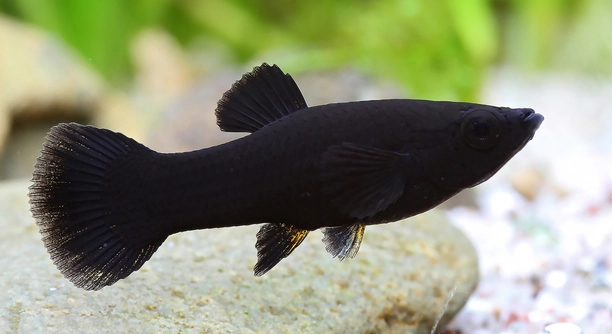
Are your black mollies thriving in your aquarium, or do you sometimes notice them acting sluggish or losing their vibrant color? Maintaining a stable environment is essential to keep these lively fish healthy and active every day.
Black mollies require careful monitoring of seven key water parameters to ensure optimal health. These include temperature, pH, hardness, ammonia, nitrite, nitrate, and salinity levels. Properly balancing these factors prevents stress, illness, and premature mortality in aquarium-kept black mollies.
Understanding how each parameter affects your fish will help you provide a stable and safe home. Small adjustments can make a big difference in their overall well-being.
Temperature
Black mollies thrive best in water temperatures between 75°F and 82°F. Maintaining a consistent temperature is crucial, as sudden fluctuations can stress your fish and weaken their immune system. Too cold or too warm water can lead to lethargy, loss of appetite, and increased susceptibility to disease. Using a reliable aquarium heater and a thermometer ensures the temperature stays within this optimal range. Placement of the tank away from drafts, sunlight, or heat sources also helps maintain stability. Observing your mollies’ behavior can indicate if the temperature is off, as they may cluster near the heater when too cold or avoid certain areas when too warm. Regular monitoring and adjustments prevent long-term health issues and support their natural activity levels. For tanks with multiple fish species, make sure the chosen temperature is compatible with all inhabitants. Consistency is more important than hitting the exact number, as mollies adapt better to steady conditions.
Keeping temperature stable encourages healthy growth and active swimming.
Gradual adjustments and careful monitoring help black mollies maintain their energy, color, and overall well-being in their aquarium environment.
pH Levels
Black mollies prefer slightly alkaline water, ideally with a pH between 7.5 and 8.5.
Maintaining proper pH is essential because sudden shifts can stress your fish and disrupt biological processes. Regular testing using a reliable pH kit allows you to detect changes early. Natural materials like driftwood can lower pH, while adding crushed coral can increase it. Make changes gradually to avoid shocking the fish. A stable pH supports digestion, reproduction, and activity levels. In community tanks, ensure all species are compatible with this pH range to avoid conflicts. Consistent water chemistry also helps beneficial bacteria thrive, improving filtration and water clarity. Regular partial water changes prevent acidification and help maintain this balance over time. Observing your mollies for signs of stress, such as erratic swimming or hiding, can indicate pH problems. A stable, slightly alkaline environment promotes longevity and vibrant coloration, keeping your black mollies healthy and active for years.
Hardness
Black mollies do best in moderately hard to hard water, with general hardness (GH) between 12–25 dGH. This helps support bone development, osmoregulation, and overall health. Soft water can make them more prone to stress and disease.
Maintaining proper hardness ensures your mollies’ bodies function efficiently. It affects their ability to regulate salts and fluids, which is vital for maintaining balance in their system. Using water conditioners or blending tap water with remineralized water can help achieve the correct hardness. Testing with a GH kit regularly ensures you can make adjustments before problems arise. Consistency is key, as sudden changes can shock your fish. Minerals like calcium and magnesium not only support physical health but also aid in reproduction. By keeping water hardness stable, you encourage strong growth, healthy scales, and proper development of fry if you are breeding black mollies.
Too soft or inconsistent water can weaken your mollies over time. Regular checks and adjustments prevent long-term issues, ensuring vitality and resilience.
Ammonia
Ammonia levels must remain at 0 ppm in a black molly tank. Even low concentrations are toxic and can damage gills and stress fish. Regular monitoring with test kits is essential to prevent dangerous buildups.
Ammonia is produced by fish waste, uneaten food, and decaying plants. Proper filtration and routine partial water changes help eliminate ammonia efficiently. Newly established tanks should be cycled fully before adding mollies, as uncycled systems often produce spikes. Overcrowding increases ammonia quickly, so maintaining a balanced fish population is crucial. Using live plants can help absorb some nitrogen compounds, but they do not replace the need for filtration. Observing fish for signs of ammonia stress, like gasping at the surface or inflamed gills, allows for early intervention. Treating spikes with ammonia-neutralizing products can protect your fish temporarily while long-term fixes are implemented. Consistently low ammonia keeps mollies energetic and supports long-term health.
Nitrite
Nitrite levels should always remain at 0 ppm for black mollies. Even small amounts can interfere with oxygen transport in their blood and cause severe stress.
Regular water testing and maintaining a fully cycled tank prevent nitrite accumulation. Partial water changes help reduce spikes and keep the environment safe for your fish.
Nitrate
Nitrate is less toxic than ammonia or nitrite but should stay below 20 ppm for black mollies. High levels can stress fish and promote algae growth. Regular water changes and proper filtration help maintain safe nitrate levels.
Consistently low nitrate supports overall health, encourages active swimming, and reduces the risk of long-term illnesses. Managing feeding amounts also prevents excess nitrate buildup from uneaten food.
Salinity
Black mollies tolerate slightly brackish water, around 1–1.005 specific gravity. Maintaining this level can improve health and reduce stress in freshwater setups.
Adding a small amount of aquarium salt carefully supports osmoregulation and enhances immune function, particularly in younger or weaker fish.
FAQ
How often should I test my water for black mollies?
Testing your aquarium water at least once a week is ideal. Frequent monitoring of temperature, pH, hardness, ammonia, nitrite, nitrate, and salinity helps you catch issues before they become serious. Keeping a simple log can track trends and make adjustments easier.
What is the best way to maintain stable temperature?
Using a reliable aquarium heater with a thermostat ensures the water stays consistent. Avoid placing the tank near windows, heaters, or air conditioners to prevent sudden fluctuations. A thermometer placed in the middle of the tank allows accurate readings. Gradual adjustments are safer than sudden changes.
How can I safely adjust pH levels?
For raising pH, crushed coral or limestone can be added to the substrate or filter. To lower pH, using driftwood or peat moss works gradually. Always make small, incremental changes and test the water frequently to avoid shocking the fish. Consistency is more important than hitting an exact number.
How do I manage water hardness effectively?
Using a GH test kit helps monitor general hardness. Tap water often needs supplementation with minerals like calcium and magnesium, while soft water may require remineralization. Regular partial water changes maintain a balanced mineral level and prevent fluctuations that can stress your mollies.
What should I do if ammonia or nitrite levels spike?
Immediate partial water changes help dilute toxic compounds. Using ammonia or nitrite neutralizers can protect fish temporarily. Check the filtration system and reduce overfeeding. Spikes are often caused by overstocking or uneaten food, so addressing the source is as important as treating the symptoms.
How can I control nitrate levels in the tank?
Regular partial water changes remove excess nitrate. Avoid overfeeding and remove decaying plant matter promptly. Live plants can absorb nitrates, but they do not replace the need for consistent filtration. Keeping nitrate below 20 ppm reduces stress and supports healthy fish growth.
Do black mollies need salt in their water?
A small amount of aquarium salt can help with osmoregulation, especially for young or weaker fish. Keep the specific gravity around 1–1.005. Avoid high concentrations, as excessive salt can be harmful and stress freshwater species. Use salt sparingly and adjust gradually if needed.
How do I know if my black mollies are stressed?
Signs include hiding, gasping at the surface, clamped fins, loss of color, or erratic swimming. Stress often results from poor water quality, temperature fluctuations, or overcrowding. Observing behavior regularly and checking water parameters allows early intervention and prevention of serious health issues.
Can I keep black mollies with other fish?
Yes, but compatibility depends on water parameters and temperament. Choose species that thrive in similar temperature, pH, and hardness ranges. Avoid aggressive or much larger fish that may harass mollies. Maintaining proper stocking levels reduces competition and stress.
What is the best routine for feeding black mollies?
Feed small amounts 1–2 times daily, ensuring all food is consumed within a few minutes. Overfeeding leads to excess waste, increasing ammonia, nitrite, and nitrate levels. A varied diet of flakes, pellets, and occasional live or frozen food supports growth and overall health.
How often should I perform water changes?
Partial water changes of 20–30% every week or biweekly help maintain optimal water quality. Frequent changes remove toxins, replenish minerals, and stabilize pH and hardness. Monitor fish behavior to adjust frequency if needed. Proper water changes prevent long-term health issues and maintain energy levels.
What equipment is essential for maintaining water parameters?
A heater, thermometer, reliable filtration system, pH and GH test kits, and a nitrate test kit are essential. For brackish setups, a hydrometer or refractometer is useful. Using the right tools ensures consistent water quality and reduces the risk of stress or disease.
Can live plants help maintain water parameters?
Yes, live plants absorb nitrates and provide shelter, reducing stress for black mollies. They can help stabilize pH slightly but do not replace the need for proper filtration or monitoring. Choosing hardy plants that tolerate slightly alkaline water works best.
How do I handle sudden changes in water quality?
Perform immediate partial water changes and test all parameters. Identify the cause, such as overfeeding, dead plants, or filter problems. Make gradual corrections rather than large adjustments, and monitor fish for signs of stress. Acting quickly prevents long-term health problems and keeps mollies active.
What are common signs of poor water hardness management?
Soft water may cause weak bones, poor growth, and reduced fertility. Hardness that fluctuates frequently can stress the fish and reduce their immunity. Regular testing, mineral supplementation, and partial water changes help maintain a healthy GH level for black mollies.
How can I prevent algae growth while keeping water parameters stable?
Control feeding amounts, perform regular water changes, and avoid excessive light exposure. Live plants compete with algae for nutrients. Stable parameters reduce stress on fish and limit conditions that favor algae overgrowth. Routine tank maintenance keeps both mollies and plants healthy.
What is the best method for introducing black mollies to a new tank?
Acclimate slowly by floating the bag in the tank for 15–20 minutes. Gradually mix small amounts of tank water into the bag over 30–60 minutes. This helps mollies adjust to temperature, pH, and hardness, minimizing stress and reducing the risk of shock.
How do I maintain long-term water stability?
Regular monitoring, consistent feeding, proper filtration, and weekly or biweekly water changes are key. Avoid sudden changes in temperature, pH, or hardness. Keeping a consistent schedule and using test kits ensures black mollies remain healthy and active over time.
Can I use tap water for black mollies?
Yes, but it may require conditioning and mineral adjustments. Remove chlorine or chloramine with water conditioner. Test and adjust hardness, pH, and other parameters as needed to ensure the water matches their requirements. Proper preparation prevents stress and health problems.
How important is observation in maintaining water parameters?
Regularly watching your mollies provides early warning signs of stress or illness. Behavior changes often indicate water quality issues before tests detect them. Observation combined with testing ensures problems are addressed quickly, keeping fish healthy and vibrant.
What should I do if my mollies show signs of illness?
Check all water parameters immediately. Perform a partial water change and isolate affected fish if necessary. Identify possible causes, such as high ammonia, nitrite, nitrate, or temperature stress. Addressing the root problem alongside treatment ensures better recovery and prevents recurrence.
How do seasonal changes affect water parameters?
Temperature fluctuations during winter or summer can stress mollies. Indoor heaters or cooling fans may be necessary. Seasonal tap water changes can affect pH and hardness, so test water regularly and adjust before adding it to the tank. Consistency is crucial for long-term health.
How can I make gradual adjustments to avoid shocking my mollies?
Change only small amounts of water or alter temperature and pH slowly over several hours or days. Avoid large, sudden corrections. Gradual adjustments allow mollies to adapt safely and reduce the risk of stress-related illness.
Are there signs that indicate salinity is too high?
Excessive salt can cause lethargy, clamped fins, and erratic swimming. Observe your fish after adding salt, and always measure with a hydrometer or refractometer. Reducing salinity gradually restores comfort without shocking the fish.
How do I balance multiple water parameters simultaneously?
Adjust parameters one at a time and monitor each closely. For example, raising pH may affect hardness. Make small, gradual changes and retest. Consistency is more important than achieving perfect numbers, as mollies tolerate stable conditions better than frequent fluctuations.
What tools are essential for long-term monitoring?
Reliable test kits for ammonia, nitrite, nitrate, pH, GH, and salinity are crucial. Thermometers, heaters, and filtration systems complete the setup. Keeping logs of readings helps track trends and prevents sudden issues. Regular use ensures black mollies remain healthy and stress-free.
How do I reduce stress from water parameter changes?
Make gradual adjustments, maintain consistent feeding, provide hiding spots, and avoid overcrowding. Observation allows you to intervene early if behavior indicates discomfort. A stable and predictable environment keeps black mollies active, colorful, and healthy.
What is the relationship between feeding and water quality?
Overfeeding produces excess waste, increasing ammonia, nitrite, and nitrate levels. Feeding small amounts that are fully consumed prevents water parameter spikes. Proper feeding supports digestion, reduces stress, and maintains long-term water stability.
Can black mollies adapt to different water conditions?
They tolerate slight variations but thrive in stable conditions. Sudden or extreme changes can cause stress, illness, and reduced lifespan. Gradual adaptation allows mollies to adjust safely, while consistent monitoring ensures they remain healthy and vibrant.
How often should I clean the tank without disrupting water parameters?
Partial substrate vacuuming and filter maintenance weekly or biweekly keeps water clean without removing too many beneficial bacteria. Avoid full tank cleaning unless absolutely necessary, as it can destabilize ammonia, nitrite, and pH levels, causing stress to the fish.
How do I prevent long-term health issues from poor water quality?
Maintain consistent monitoring, perform regular water changes, and adjust parameters gradually. Addressing minor issues quickly prevents chronic stress, disease, or weakened immunity. Consistent care ensures black mollies stay vibrant, active, and healthy for years.
What is the most common mistake aquarium owners make with black mollies?
Neglecting regular testing, overfeeding, and sudden changes in water parameters are common errors. Staying consistent with water quality checks, careful feeding, and slow adjustments prevents stress and promotes longevity for black mollies.
How can I ensure young mollies grow healthy?
Stable temperature, pH, hardness, and low ammonia and nitrite levels are crucial. Frequent monitoring, proper feeding, and gentle acclimation create an environment that supports strong growth, vibrant coloration, and overall resilience in juvenile black mollies.
How do I safely mix tap water and conditioned water?
Add treated tap water gradually to the tank while testing parameters. This allows mollies to adjust to minor changes in hardness or pH without stress. Slow integration ensures long-term stability and minimizes health risks.
What role does filtration play in maintaining water parameters?
Filtration removes waste, toxins, and debris, stabilizing ammonia, nitrite, nitrate, and pH. Proper filter size and maintenance ensure efficient water flow, oxygenation, and chemical balance. Good filtration is key to reducing stress and supporting overall black molly health.
Can I use water conditioners for long-term stability?
Yes, conditioners neutralize chlorine and chloramine and may support mineral balance. They help maintain safe water parameters during routine changes and prevent sudden shocks to mollies, contributing to consistent health and activity levels.
How do I handle emergencies like sudden parameter spikes?
Perform immediate partial water changes, test all parameters, and identify the cause. Use temporary treatments if necessary, but focus on restoring stable, balanced conditions. Quick and calm action prevents long-term harm to your black mollies.
What are safe ranges for all seven key water parameters combined?
Temperature: 75–82°F, pH: 7.5–8.5, GH: 12–25 dGH, Ammonia: 0 ppm, Nitrite: 0 ppm, Nitrate: <20 ppm, Salinity: 1–1.005 specific gravity. Staying within these ranges ensures optimal health, stress-free behavior, and long-term vitality for black mollies.
How do I keep track of changes over time?
Maintain a log of daily or weekly readings for all parameters. Note water changes, feeding, and any adjustments. Tracking trends helps prevent sudden issues and allows for informed decisions to maintain consistent, healthy conditions.
Can adjusting one parameter affect others?
Yes, for example, adding minerals to raise hardness may slightly increase pH. Changes should be gradual, with careful testing to ensure all parameters remain within safe ranges. Awareness of interactions prevents stress and promotes stability.
How important is tank size in relation to water parameters?
Larger tanks dilute waste more effectively, stabilizing ammonia, nitrite, nitrate, and temperature. Overstocked or small tanks are prone to rapid fluctuations, making monitoring and frequent maintenance critical to maintain healthy black mollies.
How do I know if my filtration system is adequate?
If water remains clear, ammonia and nitrite stay at 0, and fish are active, the system is sufficient. Regular cleaning and replacement of filter media ensures consistent performance and stable water parameters over time.
What adjustments are needed for breeding black mollies?
Stable temperature, slightly harder water, and low ammonia and nitrite levels encourage reproduction. Maintaining consistent pH and gentle water flow helps fry survival. Observing behavior indicates readiness for breeding, ensuring healthy offspring in optimal conditions.
Can I mix freshwater and slightly brackish water species?
Yes, if parameters overlap, but monitor salinity closely. Black mollies tolerate slight brackish water, but other species must also be compatible. Gradual adjustments prevent stress and ensure both species thrive without compromising health.
What are signs of long-term poor water quality?
Stunted growth, faded color, frequent illness, lethargy, and clamped fins indicate chronic water issues. Addressing water parameters early prevents these symptoms and promotes vibrant, active, and healthy black mollies for years.
How can I make routine maintenance less stressful for fish?
Use gradual water changes, keep equipment in place, and avoid sudden temperature or chemical shifts. Provide hiding spots and minimize disruptions during cleaning. Consistency helps mollies remain comfortable and reduces stress during maintenance.
Are there natural ways to stabilize water parameters?
Live plants, driftwood, and mineral substrates can support pH, hardness, and nitrate absorption. While helpful, these measures complement regular monitoring, water changes, and filtration rather than replacing them entirely.
How do I educate myself about parameter interactions?
Read reliable sources on black molly care, water chemistry, and aquarium maintenance. Experiment gradually while observing fish behavior. Understanding how temperature, pH, hardness, and salinity interact allows for informed, stress-free adjustments.
Can I rely solely on test kits?
Test kits provide essential data but must be paired with observation and proper maintenance. Fish behavior, water clarity, and equipment performance offer practical insights into tank health. Combining both ensures accurate assessment of water conditions.
How can I prevent mistakes when adjusting multiple parameters?
Change one factor at a time and monitor results. Use logs to track adjustments and outcomes. Gradual, careful changes prevent shock and maintain stability, ensuring black mollies remain healthy and active.
How often should I review overall tank conditions?
Weekly monitoring of all parameters, feeding habits, and equipment function helps prevent issues. Regular review ensures timely intervention and keeps black mollies thriving in a stable, safe environment.
What is the most important habit for maintaining water quality?
Consistency in testing, feeding, water changes, and observation is key. Routine habits prevent stress, illness, and parameter fluctuations, supporting long-term health and vitality for black mollies.
Can water conditioners impact pH or hardness?
Some conditioners slightly alter water chemistry, so retest parameters after use. Adjustments may be necessary to maintain stability, especially for pH-sensitive species like black mollies. Careful monitoring prevents unintended changes.
How do I handle travel or temporary absence?
Ensure stable parameters before leaving and arrange for someone to feed and monitor water quality. Automated feeders and timers can help, but observation and partial water changes beforehand reduce stress for black mollies.
Are there signs that my mollies are thriving?
Bright colors, active swimming, regular feeding, healthy fins, and social interaction indicate good health. Observing these behaviors alongside stable water parameters confirms your maintenance routine is effective.
What should I prioritize if multiple parameters are off?
Address ammonia and nitrite first, followed by temperature, pH, and hardness. Stabilizing critical factors prevents acute stress or mortality. Gradual correction of other parameters ensures long-term health without shocking the fish.
How can I minimize stress during testing and adjustments?
Perform tests and water changes calmly, avoid sudden temperature shifts, and provide hiding spots. Gentle handling and gradual corrections keep mollies comfortable while maintaining safe water conditions.
What is the ideal combination of parameters for overall health?
Stable temperature (75–82°F), pH (7.5–8.5), GH (12–25 dGH), ammonia and nitrite at 0 ppm, nitrate below 20 ppm, and salinity around 1–1.005 specific gravity create an optimal environment for active, healthy black mollies.
How do I handle new additions without disturbing water stability?
Acclimate new fish slowly by gradually mixing tank water into their transport water. Monitor parameters closely and avoid sudden changes that could stress both new and existing mollies. This ensures a smooth transition and stable tank conditions.
What common maintenance mistakes affect black mollies most?
Overfeeding, skipping water tests, neglecting partial water changes, and sudden adjustments in temperature, pH, or hardness are frequent errors. Following a consistent routine prevents stress and promotes long-term health.
How can I simplify monitoring multiple tanks?
Keep logs for each tank, use labeled test kits, and schedule regular checks. Consistency and organization help prevent mistakes, maintain stable water parameters, and ensure all black mollies remain healthy.
Can seasonal water supply changes affect tank chemistry?
Yes, tap water hardness and pH may vary seasonally. Testing and adjusting water before adding it ensures stability and prevents stress caused by unexpected fluctuations. Monitoring trends allows proactive maintenance.
How does crowding impact water parameters?
Overstocking increases ammonia, nitrite, nitrate, and stress. Maintaining proper stocking density ensures filtration can handle waste efficiently, keeping water parameters within safe ranges for black mollies.
What long-term habits ensure stable water conditions?
Weekly testing, regular partial water changes, careful feeding, consistent temperature, and attentive observation are essential. These practices prevent sudden fluctuations and keep black mollies healthy, active, and vibrant over years.
How do I address stubborn algae while maintaining water parameters?
Control light exposure, manage nutrients, maintain consistent water changes, and use algae-eating tank mates if compatible. Stable parameters reduce algae growth without stressing mollies or disrupting the balance of the aquarium ecosystem.
What are safe ways to introduce mineral supplements?
Add small amounts gradually, retest parameters, and monitor fish behavior. Over-supplementation can stress mollies, so careful dosing and incremental changes maintain hardness and pH without compromising health.
How often should filter media be replaced or cleaned?
Rinse or replace filter media monthly or as needed, using tank water to preserve beneficial bacteria. Avoid over-cleaning, which can destabilize ammonia and nitrite levels. Proper maintenance keeps water quality consistent.
How can I prevent chemical imbalances when using treatments?
Follow manufacturer instructions, test water before and
Maintaining black mollies in an aquarium requires consistent attention to several key water parameters. Temperature, pH, hardness, ammonia, nitrite, nitrate, and salinity all play a critical role in keeping these fish healthy and active. Each parameter affects the fish in a specific way, from regulating metabolic functions to supporting proper growth and immune response. Sudden changes in any of these conditions can stress your mollies, leading to poor coloration, lethargy, or even disease. Understanding the importance of these water parameters and monitoring them regularly ensures that your aquarium remains a stable environment. By observing your fish and testing the water frequently, you can prevent many common problems before they become serious.
A structured routine helps maintain long-term water stability. Weekly or biweekly partial water changes, combined with regular testing, keep ammonia, nitrite, and nitrate levels within safe ranges. Using reliable equipment such as heaters, thermometers, and test kits ensures that temperature and chemical balances remain consistent. Adjustments should always be gradual to prevent shocking the fish. Additionally, attention to feeding practices and tank stocking levels supports overall water quality. Overfeeding or overcrowding can quickly disrupt ammonia and nitrite levels, stressing mollies even in a well-maintained tank. Small actions, like removing uneaten food and maintaining a clean filter, make a significant difference in water stability. Providing hiding spots and plants also contributes to a balanced and low-stress environment.
Overall, caring for black mollies is about maintaining consistent, stable conditions while being attentive to the fish’s needs. Regular monitoring, proper filtration, gradual adjustments, and mindful feeding create an environment where mollies can thrive. Paying attention to minor changes in behavior can indicate early water parameter issues, allowing for timely corrections. By following these practices, your black mollies will remain vibrant, active, and healthy. A well-maintained aquarium not only promotes their longevity but also makes caring for them more enjoyable. Stability and consistency in water management are the foundation of a thriving black molly habitat.

Hello,
If you enjoy the content that we create, please consider saying a "Thank You!" by leaving a tip.
Every little bit helps us continue crafting quality advice that supports the health, happiness, and well-being of pets around the world, for pets of all shapes, sizes, and species.
We really appreciate the kindness and support that you show us!