
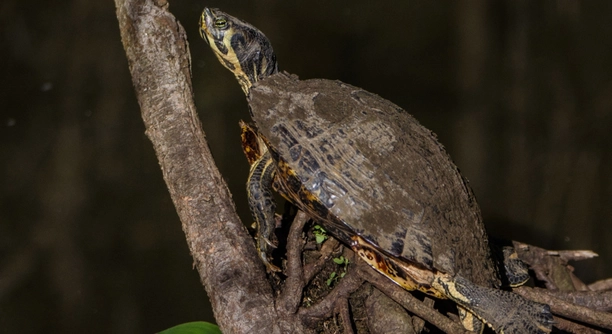
Yellow-bellied sliders are popular pet turtles, but they can sometimes suffer from bacterial infections. These infections can affect their health and behavior. Understanding how to treat them is important for their well-being and recovery.
To treat bacterial infections in yellow-bellied sliders, it’s essential to follow a series of steps to address the infection properly. This includes keeping the turtle in a clean environment, providing appropriate antibiotics, and monitoring its health closely for improvement.
Knowing how to manage an infection can help your turtle recover more effectively. These steps will guide you in properly treating and supporting your yellow-bellied slider’s health.
Step 1: Isolate Your Turtle from Other Pets
When a yellow-bellied slider is sick, isolating it from other animals is crucial to prevent any potential spread of the infection. Infected turtles may carry bacteria that could affect other pets in the household, especially if they come into contact with the same water or environment. Isolation allows you to monitor your turtle’s condition more closely and ensures the rest of your animals stay healthy. Set up a separate tank or container for your sick turtle, making sure it’s cleaned and sanitized before use.
For the isolation tank, ensure it provides enough space for your turtle to move around and access water. Avoid overcrowding it with unnecessary items that could add stress. Clean the tank regularly to maintain proper hygiene, as bacteria thrive in dirty environments.
A simple setup with a clean water source and basking area will help reduce your turtle’s stress during recovery. It also keeps the bacterial infection contained, ensuring your other pets remain safe from contamination.
Step 2: Clean Your Turtle’s Habitat
Keeping the habitat clean is one of the most important parts of treating bacterial infections in turtles. The tank should be scrubbed and disinfected to remove any bacteria lingering in the water or on surfaces. This prevents reinfection and helps your turtle recover in a healthier environment. Clean the filter, rocks, and any other decorations, ensuring no residue is left behind.
A healthy environment supports your turtle’s healing process. Water should be changed regularly to ensure it stays clean and free of harmful bacteria. Additionally, check the water temperature and lighting to make sure they are optimal for recovery.
Step 3: Administer Antibiotics
If your turtle has been diagnosed with a bacterial infection, antibiotics may be necessary for treatment. Consult a veterinarian for the right prescription based on the infection’s severity and type. Your vet will recommend the appropriate dosage and form, whether oral or topical.
Be sure to follow the instructions carefully. Over or underdosing can affect your turtle’s health, making the infection harder to treat. If your turtle resists taking medicine, try to use an eyedropper or syringe to gently administer the antibiotics. Keep track of the treatment schedule and monitor for improvements.
Consistent and timely medication is key to your turtle’s recovery. Even if your turtle starts to show signs of improvement, complete the full course of antibiotics to prevent the infection from returning.
Step 4: Monitor Water Quality
Water quality plays a major role in your turtle’s health during recovery. Regularly test the water to ensure it’s free from harmful bacteria, chlorine, or other contaminants that could impede healing. Proper filtration and water changes are essential.
Maintain clean, well-filtered water with the right pH levels. It’s important to check the water temperature as well—too cold or too hot can stress your turtle and make recovery more difficult. A stable, clean environment supports your turtle’s immune system while fighting off the infection. Clean the water at least twice a week to keep things fresh.
Step 5: Maintain Proper Temperature and Lighting
Maintaining the right temperature and lighting is crucial for your turtle’s healing process. A consistent temperature range between 75°F and 85°F helps boost your turtle’s immune system. Ensure it has access to a proper basking spot for warmth.
UVB lighting is essential for turtles to metabolize calcium and maintain overall health. Place a UVB bulb over the basking area, so your turtle can soak up the necessary rays. Both temperature and light contribute to keeping your turtle strong enough to fight the infection.
Step 6: Provide a Balanced Diet
Feeding your turtle a nutritious diet will support its immune system during recovery. Include a variety of greens, protein, and calcium-rich foods to ensure your turtle gets the right nutrients. Offer small portions to prevent overfeeding, which can lead to water contamination.
Regularly offering fresh food helps to keep your turtle’s energy up and supports its ability to recover. Make sure the food is clean and free from any contaminants that could worsen the infection. Adjust the portions based on your turtle’s appetite to prevent waste.
Step 7: Regular Health Monitoring
Keep an eye on your turtle’s health throughout the treatment process. Regularly check for signs of improvement or worsening, such as changes in activity, appetite, or behavior. If symptoms persist, consult your veterinarian for further guidance.
Your turtle may recover at its own pace, so patience is key. Make sure you keep track of any new symptoms or issues that arise, as they could indicate complications.
FAQ
What are the common signs of a bacterial infection in yellow-bellied sliders?
Bacterial infections in yellow-bellied sliders may show up through various symptoms. Common signs include lethargy, a loss of appetite, swelling, red or inflamed skin, or discharge around the eyes, mouth, or cloaca. Affected turtles may also have difficulty swimming or basking. If you notice any of these signs, it’s essential to act quickly to get a proper diagnosis and treatment plan. Early detection makes a big difference in their recovery.
How do I know if my turtle needs antibiotics?
If your yellow-bellied slider shows signs of a bacterial infection, a veterinarian will be able to determine whether antibiotics are necessary. They may recommend specific treatments based on the infection’s type and severity. It’s important not to administer antibiotics without professional guidance, as incorrect use can harm the turtle or cause resistance to medication.
Can I use over-the-counter antibiotics for my turtle?
It’s not advisable to use over-the-counter antibiotics without a veterinarian’s approval. Not all antibiotics are safe or effective for turtles, and incorrect medication can worsen the situation. Your vet will prescribe the right medication based on your turtle’s needs and condition, ensuring the best chance for recovery.
How long will it take for my turtle to recover from a bacterial infection?
The recovery time for a yellow-bellied slider depends on the infection’s severity and the treatment provided. Generally, it could take anywhere from a few weeks to a couple of months. Monitoring your turtle closely and following the treatment plan will help speed up the process. Be patient, as some infections take longer to heal completely.
Should I remove my turtle from the water if it has an infection?
No, your turtle should not be kept completely out of the water for prolonged periods. However, it’s crucial to maintain a clean and well-regulated water environment during recovery. Clean water helps with the healing process. Ensure the water is free of contaminants, and maintain the correct temperature and lighting for your turtle’s health.
Can bacterial infections in turtles spread to other pets?
Yes, bacterial infections can potentially spread to other pets, especially if they share the same habitat. This is why isolating the infected turtle is important. Clean tanks and proper hygiene routines will reduce the risk of spreading any bacteria. Avoid handling other pets with infected equipment or after touching the turtle to prevent contamination.
How can I prevent bacterial infections in my turtle?
Preventing bacterial infections in your yellow-bellied slider comes down to maintaining a clean environment, proper water filtration, and regular health monitoring. Provide a well-balanced diet, maintain correct water temperature, and ensure your turtle has a proper basking area. Quarantine new turtles before introducing them to an existing habitat to avoid introducing infections.
Can bacterial infections cause permanent damage to my turtle?
If left untreated, bacterial infections can lead to long-term health problems for your turtle, including permanent damage to the skin, internal organs, or even death. However, with prompt and proper treatment, most turtles can fully recover without lasting effects. Be sure to monitor your turtle throughout the healing process.
Is it safe to handle my turtle while it’s sick?
Handling your sick turtle should be kept to a minimum to reduce stress. However, when necessary, ensure that your hands are clean to avoid transferring bacteria. Use gloves if needed, and wash your hands thoroughly afterward. Excessive handling can cause stress, which might hinder recovery.
How often should I clean the turtle’s tank during treatment?
The turtle’s tank should be cleaned frequently during treatment, at least once a week, to prevent any bacteria from lingering. Clean the filter, decorations, and any areas that may harbor bacteria. Keeping the tank sanitized and changing the water regularly reduces the chances of reinfection or prolonging the illness.
Can I treat my turtle with natural remedies for bacterial infections?
While natural remedies might seem appealing, they are not a substitute for proper veterinary care. Bacterial infections require specific medications and treatment plans to ensure your turtle’s safety and recovery. Always consult your vet before trying any alternative remedies to avoid complications.
Final Thoughts
Taking care of a yellow-bellied slider with a bacterial infection can be a challenging experience, but with the right approach, your turtle can make a full recovery. It’s crucial to recognize the signs early and consult a veterinarian for proper diagnosis and treatment. With the right care, antibiotics, and a clean environment, your turtle will have the best chance to recover quickly. Keeping up with treatment, maintaining water quality, and ensuring proper lighting and temperature will support your turtle’s healing process.
Remember, bacterial infections can be tough on your pet, but they are not always fatal if treated early. Following the steps outlined in this guide, like administering antibiotics, providing a balanced diet, and monitoring your turtle’s health, will give you a structured plan to follow. The more diligent you are in maintaining the right environment and providing consistent care, the more likely your turtle will make a smooth recovery. Your patience and attention will be crucial throughout the process.
Lastly, it’s important to prevent future infections by regularly cleaning the tank and keeping your turtle’s environment free of harmful bacteria. Providing a balanced diet, ensuring proper basking and lighting conditions, and keeping water clean are the foundation of good turtle health. By staying proactive with your turtle’s care, you can help avoid future illnesses and ensure your yellow-bellied slider remains happy and healthy for years to come.

Hello,
If you enjoy the content that we create, please consider saying a "Thank You!" by leaving a tip.
Every little bit helps us continue crafting quality advice that supports the health, happiness, and well-being of pets around the world, for pets of all shapes, sizes, and species.
We really appreciate the kindness and support that you show us!