
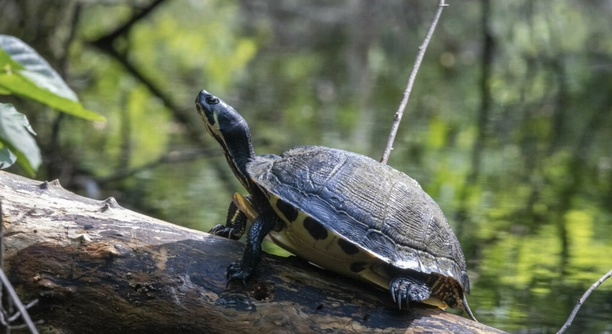
Building a suitable habitat for a yellow-bellied slider requires careful planning. These turtles need both land and water areas that mimic their natural environment. Ensuring their comfort and health is key to their well-being.
Creating the perfect habitat for a yellow-bellied slider involves providing a water area for swimming, a dry basking area, proper lighting, a filtration system, and a balanced diet. Temperature control, substrate choice, and hiding spots are also essential for their comfort and security.
Understanding these essentials will help create a thriving environment for your slider, ensuring they live happily and healthily in their new home.
1. Creating the Right Water Area
For yellow-bellied sliders, a clean and spacious water area is crucial. The water should be deep enough for the turtle to fully submerge and swim. An area of at least 40 gallons is recommended for one turtle, and larger spaces are preferred if you have more than one. Keep in mind that yellow-bellied sliders are very active swimmers, so they need ample room to move freely.
A filtration system is necessary to keep the water clean and prevent it from becoming murky. Without proper filtration, the water can quickly become polluted, leading to health issues for the turtle. Regular water changes should also be part of your routine to ensure optimal water quality.
It’s important to monitor the water temperature as well. Yellow-bellied sliders thrive in water temperatures between 75-85°F (24-29°C). Too cold or too warm water can cause stress, making it difficult for your turtle to thrive. Use a water heater and thermometer to keep the environment stable and comfortable.
2. Providing a Dry Basking Area
Your slider needs a dry area to bask and regulate its body temperature. A basking platform should be large enough for the turtle to climb onto easily, providing full access to the dry land.
Basking areas should be placed under a heat lamp to help maintain an appropriate temperature. Aim for a basking spot that stays between 85-90°F (29-32°C) during the day. This allows the slider to bask comfortably and absorb the necessary UVB rays for healthy shell growth and metabolism.
The basking area should also be easy to clean and safe for your turtle. Ensure that it is sturdy and won’t tip over when the turtle climbs onto it. Providing a natural feel, such as using rocks or driftwood, will make the area more appealing.
3. Maintaining Proper Lighting
UVB lighting is essential for your turtle’s health. It helps them synthesize Vitamin D3, which is necessary for calcium absorption and shell health. Without proper UVB exposure, your slider could develop shell deformities or metabolic bone disease.
Place the UVB light directly over the basking area, ensuring the turtle has access to it for about 10-12 hours a day. The light should be replaced every 6-12 months to ensure it continues to emit the right amount of UVB.
Additionally, providing a heat lamp alongside the UVB light creates a natural day-night cycle for the turtle. Make sure the temperature varies between the basking and water areas to give your slider a choice of environments that suit its needs.
4. Choosing the Right Substrate
The substrate plays an important role in your turtle’s habitat. A safe, easy-to-clean material for the bottom of the tank should be chosen. Gravel is often a good option, but avoid small stones that may be accidentally ingested.
Using sand or large river rocks can also work well in tanks, providing a natural, comfortable feel. It’s essential to choose a substrate that is easy to clean and doesn’t trap debris. A clean environment helps prevent health issues like infections.
Avoid using materials that can be harmful if swallowed, such as small pebbles or decorative stones. Make sure whatever you choose is non-toxic and won’t affect water quality.
5. Temperature Control
Temperature control is key to your slider’s comfort. The water should be maintained at 75-85°F (24-29°C), while the basking area needs to be 85-90°F (29-32°C). Use a reliable thermometer to monitor both.
A water heater is crucial for maintaining the proper temperature in the aquatic area. Invest in a quality heater that can regulate the water consistently. Without proper heating, your turtle might become sluggish, affecting its overall health and digestion.
Use a separate heat lamp for the basking spot to ensure your slider can fully bask in warmth. A consistent temperature gradient will allow the turtle to choose its ideal environment.
6. Hiding Spots and Security
Providing hiding spots gives your slider a sense of security. Turtles can become stressed without proper cover. Using rocks, driftwood, or aquarium decorations will give them safe spaces.
These hiding spots will also mimic their natural habitat, reducing stress and encouraging natural behavior. Add at least one hiding place in both the water and land areas. Make sure the space is large enough for your turtle to retreat comfortably but not too small.
These areas also offer a place for the turtle to rest or sleep, which is important for their well-being.
FAQ
How much space does a yellow-bellied slider need?
A yellow-bellied slider needs at least a 40-gallon tank for one turtle. If you plan to house multiple turtles, you’ll need more space. The tank should have both aquatic and dry areas for basking, with enough room for the turtle to swim and move freely. The more space you provide, the better.
What type of filtration system is best for yellow-bellied sliders?
A good filtration system is essential for maintaining water quality. A canister filter is often recommended for larger tanks, as it provides strong water circulation and keeps the water clean. Make sure to choose a filter rated for a tank size larger than the one you’re using, as this ensures it will handle waste effectively.
What should I feed my yellow-bellied slider?
Yellow-bellied sliders are omnivores, which means they eat both plants and animals. A balanced diet includes turtle pellets, leafy greens (like lettuce and kale), and occasional protein such as insects, fish, or shrimp. Offering a variety of foods ensures your turtle gets all the nutrients it needs.
Can I keep a yellow-bellied slider with other turtles?
Yes, yellow-bellied sliders can be housed with other turtles, but only if they have enough space. It’s important to monitor them for aggression, as some turtles can become territorial. Providing separate basking areas and hiding spots helps reduce stress and conflicts. Always ensure the tank is large enough to accommodate multiple turtles comfortably.
Do yellow-bellied sliders need UVB lighting?
Yes, UVB lighting is essential for yellow-bellied sliders. UVB light helps them produce Vitamin D3, which is necessary for calcium absorption and healthy shell growth. Without UVB exposure, your turtle can develop metabolic bone disease. A high-quality UVB light should be placed over the basking area for about 10-12 hours daily.
How do I know if my yellow-bellied slider is sick?
Signs of illness in yellow-bellied sliders include a lack of appetite, swollen eyes, lethargy, or abnormal swimming behavior. If your turtle is having trouble swimming or staying afloat, it could indicate an infection or respiratory issue. Always monitor their behavior and consult a vet if you notice anything unusual.
What is the ideal water temperature for yellow-bellied sliders?
The water temperature should be between 75-85°F (24-29°C) for yellow-bellied sliders. Maintaining a consistent temperature is important for their health and digestion. Using a water heater and thermometer helps keep the water at an appropriate temperature. Ensure that the basking area is slightly warmer, around 85-90°F (29-32°C).
Can yellow-bellied sliders live outside?
Yellow-bellied sliders can live outside, but only in a safe, secure environment. If you live in a warm climate, a large outdoor pond can be a great option. However, you’ll need to ensure the pond is predator-proof and has both land and water areas. Always monitor the water quality and temperature.
How often should I clean the tank?
Cleaning the tank should be done regularly to prevent waste buildup. Water changes should be done every 1-2 weeks, while spot cleaning the substrate and removing uneaten food should be done daily. The filter should also be cleaned every few weeks depending on the size and usage. Keeping a clean environment helps prevent bacterial growth and health problems.
Can I use regular rocks for the basking area?
You can use regular rocks for the basking area, but they should be large enough for your turtle to climb onto easily. Avoid using sharp-edged rocks that could hurt your turtle’s soft skin. The rocks should be stable and not easy to tip over, providing a safe and sturdy place for your slider to bask.
What kind of substrate is best for a yellow-bellied slider tank?
Gravel or large river rocks are ideal substrates for yellow-bellied slider tanks. They provide a natural look and are easy to clean. Avoid using small gravel or sand that the turtle could ingest, as this could lead to digestive issues. The substrate should also allow water to flow freely, preventing any stagnant areas.
Final Thoughts
Creating the perfect habitat for a yellow-bellied slider requires attention to detail, but with the right setup, your turtle can thrive. It’s important to balance water quality, temperature, lighting, and space to ensure a healthy environment. Regular cleaning, proper filtration, and the correct diet are essential components of their well-being.
By providing the right basking area, hiding spots, and UVB lighting, you mimic their natural environment, giving them the opportunity to express natural behaviors. A stress-free habitat promotes a happy and healthy turtle. Also, remember that turtles can live for many years, so setting up a habitat that can grow with them is key to long-term care.
Finally, always monitor your turtle’s behavior and health. If you notice any signs of illness or unusual behavior, it’s important to consult a veterinarian. Keeping a close eye on their environment and health will ensure your yellow-bellied slider enjoys a long, healthy life in a habitat you’ve carefully created for them.

Hello,
If you enjoy the content that we create, please consider saying a "Thank You!" by leaving a tip.
Every little bit helps us continue crafting quality advice that supports the health, happiness, and well-being of pets around the world, for pets of all shapes, sizes, and species.
We really appreciate the kindness and support that you show us!