
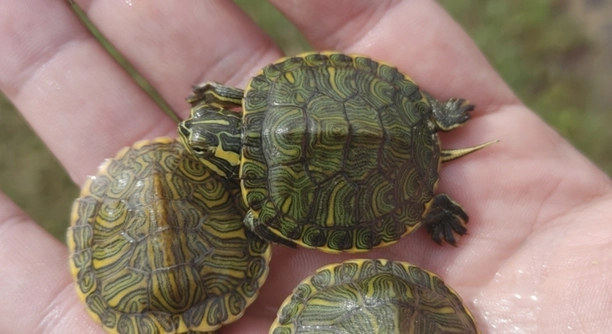
Yellow-bellied sliders are known for their active behavior and unique habits. One thing you may notice is how often they seek out warmth, particularly from heat sources like a heater. This can seem odd, but it’s quite normal.
The main reason your yellow-bellied slider spends so much time near the heater is due to their need for a warm environment. These turtles are ectothermic, meaning they rely on external heat to regulate their body temperature for proper digestion and activity.
This behavior can be a sign of your turtle’s natural instincts, and understanding why can help ensure their comfort and well-being.
Why Heat is Important for Yellow-Bellied Sliders
Yellow-bellied sliders are reptiles, and like all reptiles, they rely on external heat sources to regulate their body temperature. In the wild, they bask in the sun to absorb warmth. In captivity, this need translates to their desire to be near heaters. The heater provides a consistent and controlled environment for them to thrive in. When their habitat is too cold, they may not be able to digest food properly or even suffer from health issues like respiratory infections.
Maintaining the correct temperature is crucial for your slider’s digestion and immune system. If the water temperature drops below their preferred range, they may become lethargic and less active. Over time, this can lead to stress and health problems.
If you’re unsure about the right temperature for your slider, you should aim for a basking spot around 85°F to 90°F, while the water should stay between 75°F to 80°F. Providing heat in both areas ensures your turtle can regulate its body temperature as needed.
What Happens if a Slider Doesn’t Get Enough Heat?
If your yellow-bellied slider consistently lacks heat, you may notice some concerning behaviors. Without sufficient warmth, they might become sluggish, avoiding their food or resting more than usual. Their metabolism slows down, making them less active. They may also become more susceptible to infections.
The lack of proper heat can eventually lead to digestive problems, as their bodies won’t be able to break down food efficiently. As a result, this can cause issues like constipation or a lack of appetite. Additionally, turtles that are too cold might experience slower healing from wounds and injuries. By ensuring your slider has access to heat, you’ll improve its health, activity, and overall well-being. Proper heating can help your slider stay healthy and happy for a long time.
Risks of Overheating Your Slider
While heat is essential, too much can be harmful. If the temperature in your slider’s environment gets too high, it can lead to overheating. This can cause your turtle stress and potentially serious health issues. It’s important to monitor the temperature regularly to ensure it stays within a safe range.
Overheating can cause your slider to become lethargic, as it tries to escape the warmth. Excessive heat can also lead to dehydration and skin shedding problems. In extreme cases, it might result in burns. To prevent this, make sure you have a thermometer and adjust the heater accordingly.
One of the best ways to manage temperature is by using a thermostat-controlled heater. This ensures your slider’s environment remains stable and prevents any dangerous fluctuations. By being mindful of the heater settings, you can avoid the risk of overheating while keeping your slider comfortable.
Adjusting the Temperature for Nighttime
At night, the temperature should be lowered slightly to mimic natural conditions. During this time, your yellow-bellied slider’s metabolism slows down, and they need less heat. However, it’s important not to let the temperature drop too much.
A good practice is to lower the basking spot temperature by a few degrees, while keeping the water temperature stable. Most yellow-bellied sliders do well with nighttime temperatures around 70°F to 75°F for water and 75°F to 80°F for the basking area. This slight drop helps them rest and recharge for the next day.
You can achieve this by using a separate nighttime heater or by adjusting the main heating source. Regular checks ensure the environment doesn’t become too cold. Keeping the balance right will promote your turtle’s health and natural rhythms.
How to Tell If Your Slider Is Too Cold
If your yellow-bellied slider is too cold, it will likely become inactive. They might spend long periods on the bottom of the tank, not moving much. A lack of interest in food or basking can also signal that the temperature is too low.
You may also notice your slider exhibiting slow movements or staying in one spot. If the water is too cold, their immune system becomes weaker, and they can develop health issues. You can prevent this by keeping a reliable thermometer to ensure the tank stays within the correct temperature range.
Signs of Overheating in Your Slider
Overheating can cause your yellow-bellied slider to behave erratically. They might spend too much time in the water or try to escape from the heat source. A sign of distress includes erratic swimming or a refusal to bask in the usual spots.
If the environment is too hot, your slider may also begin to show signs of dehydration. They may start basking more than usual, trying to cool off, and this could lead to skin shedding issues. It’s essential to monitor both the water and basking areas to avoid overheating and ensure your turtle’s well-being.
Finding the Right Heater for Your Slider
Choosing the right heater is vital for your yellow-bellied slider’s comfort. A submersible heater is ideal for controlling the water temperature, while a heat lamp can be used to warm the basking area. Make sure both are appropriate for your tank’s size.
It’s best to get a heater that is adjustable to maintain the correct temperature ranges. Some heaters have built-in thermostats, which provide extra convenience. Always check the heater’s wattage to ensure it’s suitable for the tank size. Regularly monitor the water temperature with a thermometer to avoid any sudden fluctuations.
FAQ
Why does my yellow-bellied slider spend so much time under the heater?
Yellow-bellied sliders are ectothermic, meaning they rely on external heat sources to regulate their body temperature. If your turtle is staying under the heater for extended periods, it could be because it needs warmth to properly digest food, stay active, and maintain its immune system. The heater provides an environment that mimics the warmth they would naturally seek in the wild.
Can my slider get too hot from the heater?
Yes, it’s possible for your yellow-bellied slider to get overheated. Too much heat can cause stress, dehydration, and even burns. If the basking area or water temperature rises too high, your slider may try to escape, swim frantically, or become lethargic. It’s important to monitor the temperature regularly to ensure it stays within a safe range for your turtle.
What is the ideal temperature for my yellow-bellied slider?
The ideal water temperature for a yellow-bellied slider is between 75°F and 80°F, while the basking spot should range from 85°F to 90°F. These temperatures promote healthy digestion and activity levels. It’s essential to use a thermometer to keep track of the tank temperature and adjust the heater as needed to maintain a stable environment.
How do I know if the temperature is too low for my slider?
If the temperature is too low, your yellow-bellied slider will likely become sluggish and less active. It may spend most of its time on the bottom of the tank or show a lack of interest in food. Slow movements and reluctance to bask are also signs that the tank may be too cold for your turtle.
What should I do if the water temperature is too high?
If the water temperature is too high, your yellow-bellied slider may become stressed and attempt to escape the water. You should immediately check the heater and adjust it if necessary. To cool down the water, you can temporarily add cold, dechlorinated water until the temperature stabilizes. Monitor the tank to make sure the temperature returns to the proper range.
Should I use a basking lamp for my yellow-bellied slider?
Yes, using a basking lamp is essential for your yellow-bellied slider. This lamp provides the necessary heat for basking, which is important for their digestion and overall well-being. Make sure the lamp is positioned at the correct height to create a warm spot around 85°F to 90°F. It’s also important to use UVB lighting to help your turtle produce vitamin D3, which is crucial for calcium absorption.
How do I maintain proper humidity levels for my slider?
Humidity plays a role in keeping your yellow-bellied slider comfortable, especially in the basking area. You can maintain the right humidity levels by using a humidifier or placing a water dish near the basking spot. Regular misting can also help, but it’s important not to overdo it. Use a hygrometer to check humidity levels and ensure they stay within the ideal range of 40% to 60%.
Can my slider live without a heater?
While it’s possible for a yellow-bellied slider to survive without a heater in certain conditions, it’s not recommended. These turtles thrive in warm environments, and without proper heating, they may become lethargic, lose their appetite, or develop health problems. A heater ensures the water stays at an optimal temperature, allowing your turtle to remain active and healthy.
How often should I check the temperature in my slider’s tank?
You should check the temperature in your yellow-bellied slider’s tank at least once a day. Temperature fluctuations can occur throughout the day, especially if you have multiple heat sources. By keeping a close eye on the temperature with a thermometer, you can prevent any drastic changes that could negatively affect your turtle’s health.
Is it safe to let my slider bask for long periods under the heater?
While it’s important for your yellow-bellied slider to bask, prolonged exposure to heat can lead to overheating. Monitor the time your slider spends under the basking lamp and ensure it doesn’t stay too long in one spot. Provide a cool retreat area in the tank to allow your turtle to regulate its body temperature as needed.
Can I use a regular lamp instead of a basking lamp for my slider?
Regular lamps are not suitable for heating your yellow-bellied slider’s basking area. Only specialized basking lamps that emit heat and UVB rays should be used. These lamps are designed to provide the proper warmth and lighting your turtle needs to stay healthy. Regular lamps won’t provide the right heat or UVB exposure, which are essential for your slider’s well-being.
How can I tell if my slider is overheating?
Signs of overheating in a yellow-bellied slider include erratic swimming, staying in the water for long periods, and trying to escape the heat source. Your slider may also begin to show signs of dehydration, such as dry skin or excessive basking. If you notice these symptoms, immediately check the water and basking area temperatures.
Should I turn off the heater at night?
It’s generally not necessary to turn off the heater at night. While the temperature should be slightly lower during the nighttime, it’s important to maintain a stable environment. You can use a thermostat-controlled heater to automatically adjust the temperature, or use a night-specific heater to ensure your yellow-bellied slider remains comfortable while sleeping.
Final Thoughts
Managing the temperature for your yellow-bellied slider is essential for its overall health and well-being. These turtles need a carefully balanced environment to thrive. By providing the right water and basking temperatures, you can support their immune system, digestion, and activity levels. Maintaining proper temperature control will also reduce the chances of your slider developing health issues like shell rot or metabolic bone disease.
Regularly monitor the temperature with thermometers in both the water and basking areas. Having a reliable heater is crucial, especially if you live in cooler climates. It ensures that the tank remains within the correct temperature range, which promotes the well-being of your turtle. In addition, avoid drastic temperature fluctuations as they can stress your slider and lead to discomfort. Be mindful of the heater’s placement and wattage to ensure the tank doesn’t get too hot, as overheating can cause serious harm.
By keeping a consistent temperature and paying attention to your yellow-bellied slider’s behavior, you’ll be able to spot any potential problems early on. If your turtle spends too much time on the heater or becomes inactive, it may be a sign that the temperature is not ideal. Likewise, overheating signs like erratic swimming or a lack of interest in food should be addressed immediately. Providing a healthy environment will allow your slider to live a long and happy life.

Hello,
If you enjoy the content that we create, please consider saying a "Thank You!" by leaving a tip.
Every little bit helps us continue crafting quality advice that supports the health, happiness, and well-being of pets around the world, for pets of all shapes, sizes, and species.
We really appreciate the kindness and support that you show us!