
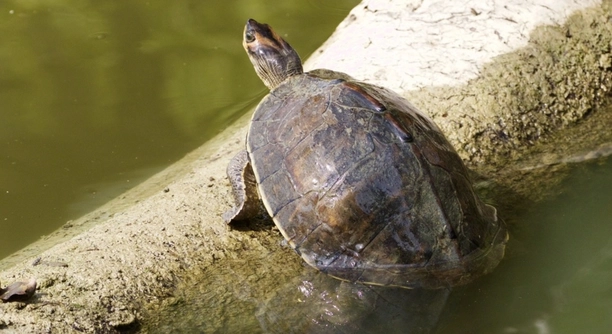
Training an Indian Roofed Tortoise to follow a routine can improve its well-being and ease of care. Establishing a consistent schedule allows you to meet its needs while fostering a bond between you and your pet.
To train your tortoise, focus on creating a stable environment with regular feeding times, a consistent basking schedule, and daily exercise. Gradually introduce these routines, reinforcing them with positive reinforcement to encourage your tortoise to follow the pattern.
Consistency in routine will ensure your tortoise feels secure and adapt to its new schedule more easily.
Setting a Feeding Schedule
Establishing a consistent feeding schedule is one of the most important steps in training an Indian Roofed Tortoise. Like other pets, tortoises thrive on routine, and feeding at the same time every day creates a sense of security. Choose a specific time, whether morning or evening, and stick with it. This will help your tortoise understand when to expect meals and develop a natural feeding rhythm. Avoid overfeeding, as it can lead to health problems. Offer fresh vegetables and occasional protein sources, ensuring that the meal is balanced. By keeping a predictable feeding time, your tortoise will start anticipating its food and become more comfortable with the routine.
It’s also essential to monitor your tortoise’s weight regularly to ensure the feeding schedule is appropriate. Adjust portions if necessary, keeping in mind that tortoises can be picky eaters. The goal is to keep them healthy without overfeeding, as obesity is a concern for these reptiles.
When the feeding routine becomes predictable, your tortoise will adapt faster, leading to a healthier, happier pet. Be consistent, and ensure that the feeding process is quiet and calm, so your tortoise can focus solely on its food.
Creating a Consistent Environment
A stable environment is key to helping your tortoise follow a routine. Place its enclosure in a quiet area with minimal distractions. This helps your tortoise stay calm and focused on its schedule.
To achieve this, consider the lighting, temperature, and humidity of your tortoise’s space. These factors should remain constant, as any sudden changes can affect its behavior. Ensure the basking area is warm, while the cooler zone provides a place for the tortoise to retreat. The proper temperature is essential for digestion and overall health. Additionally, include a shallow water dish and ensure it’s always clean to encourage hydration.
Establishing a Basking Routine
Tortoises need daily exposure to UVB light for proper health. Establish a basking routine where your tortoise spends time in a well-lit area every day. This helps with digestion and ensures they maintain proper calcium levels. Make sure the basking spot is warm, ideally between 85-90°F.
By establishing a consistent basking time, your tortoise will begin to expect this part of the day. It’s essential to set a fixed time, whether in the morning or afternoon, to keep things predictable. Your tortoise will learn to bask at the same time daily, promoting regularity and reducing stress. Ensure the basking area is clean and free of distractions so your tortoise can focus on absorbing the heat and light it needs.
The key is to keep the routine simple and quiet. Avoid sudden changes in the lighting or temperature. This stability helps the tortoise feel secure and adapt to the set pattern over time.
Encouraging Physical Activity
Regular exercise is crucial for the health of your tortoise. Create a routine that includes daily time outside of the enclosure for roaming. This not only provides physical exercise but also mental stimulation.
Allow your tortoise to roam freely in a secure, controlled environment. You can place it in a safe, tortoise-friendly yard or a designated indoor space. A consistent daily exercise schedule helps maintain your tortoise’s mobility and prevents obesity. It also encourages natural behavior, such as foraging and exploring. During this time, supervise your tortoise to keep it safe from potential hazards.
The activity doesn’t need to be overly strenuous but should encourage your tortoise to move and explore. As the routine becomes ingrained, your tortoise will look forward to the time spent outside, making it a natural part of its day.
Monitoring Health Regularly
A regular health check is essential to maintaining your tortoise’s well-being. Inspect its shell, eyes, and skin frequently for signs of illness or injury. If anything unusual is noticed, take action immediately.
Routine health checks, such as monitoring for weight changes, skin conditions, or breathing irregularities, will help detect problems early. Keeping a journal of your tortoise’s health can be useful for tracking any changes and helping your vet identify potential issues.
By ensuring your tortoise’s health is monitored regularly, you can prevent complications and support a longer, healthier life.
Offering Proper Hydration
Water is vital for your tortoise’s health. Always ensure it has access to fresh, clean water. Change the water daily to keep it free from contamination.
Without sufficient hydration, your tortoise can become lethargic and prone to health issues. Make sure your tortoise drinks regularly by providing a shallow water dish. The dish should be large enough for your tortoise to soak its legs but not too deep to pose a drowning risk.
Adjusting the Routine
As your tortoise grows or its needs change, adjust the routine accordingly. Monitor its behavior to understand when it requires more or less activity or food.
Adapting the routine based on your tortoise’s age or health ensures it remains comfortable and content. If you notice any signs of stress, such as refusal to eat or abnormal behavior, modify its environment and daily schedule accordingly.
FAQ
How often should I feed my Indian Roofed Tortoise?
Feed your tortoise every other day, or based on its age and activity level. Juveniles typically need daily meals, while adults can be fed less frequently. Provide a variety of fresh vegetables and occasional protein. Avoid overfeeding, as it can lead to obesity and other health issues.
What is the best diet for an Indian Roofed Tortoise?
An Indian Roofed Tortoise thrives on a diet that consists mainly of leafy greens, such as dandelion greens, collard greens, and mustard greens. Include vegetables like squash, carrots, and bell peppers, along with occasional fruits such as strawberries and melon. Limit protein intake to once a week and avoid feeding too many high-oxalate foods, like spinach, as they can lead to kidney problems.
How can I create a suitable environment for my tortoise?
Provide a large, secure enclosure with access to both a basking area and a cooler zone. The basking area should have a heat source to maintain temperatures around 85-90°F, while the cooler side should be around 75°F. Ensure the enclosure is large enough to allow for roaming and has a shallow water dish for drinking and soaking.
Can my Indian Roofed Tortoise live outside?
Yes, but only in a secure, enclosed area where it is safe from predators and extreme weather conditions. If you choose to house it outdoors, ensure the environment is not too hot or cold, and always provide access to shaded areas and fresh water. Supervise outdoor time to prevent any potential dangers.
How much space does an Indian Roofed Tortoise need?
Provide a spacious enclosure for your tortoise, ideally at least 4×6 feet for an adult. The more space you can offer, the better, as it allows for exercise and exploration. Ensure the enclosure is secure to prevent escape, and include both hiding spots and basking areas.
How do I get my tortoise to follow a routine?
Start by setting a consistent schedule for feeding, basking, and exercise. Tortoises thrive on routine, and repetition will help them learn when to expect certain activities. Be patient and consistent, as it can take time for them to fully adjust to a new routine.
What kind of lighting does my tortoise need?
Indian Roofed Tortoises need UVB lighting to help them metabolize calcium and maintain bone health. Use a UVB bulb that covers the entire enclosure, and ensure it’s replaced every 6-12 months. Additionally, provide a heat lamp for basking to maintain the proper temperature in the basking area.
How do I handle my Indian Roofed Tortoise?
Handle your tortoise gently and avoid sudden movements. Let it move at its own pace and avoid picking it up too often, as frequent handling can cause stress. If you do need to pick it up, support its body fully, and hold it securely but not too tightly.
Is it safe for my tortoise to interact with other pets?
It’s generally best to keep your Indian Roofed Tortoise separate from other pets. Avoid letting it interact with dogs, cats, or other animals that could harm it. If you do allow interaction with other reptiles, ensure the species are compatible and that the environment is safe for both.
What should I do if my tortoise isn’t eating?
If your tortoise refuses to eat, check the environmental conditions first. Ensure the temperature, humidity, and lighting are correct. Stress or illness can also affect appetite, so consider any changes in its environment or handling. If the problem persists, consult a veterinarian.
How can I tell if my tortoise is healthy?
A healthy Indian Roofed Tortoise will have clear, bright eyes, a smooth shell without cracks or signs of injury, and active behavior. Monitor its weight regularly, as a sudden weight loss can be a sign of illness. Keep an eye out for signs of lethargy, respiratory issues, or a lack of appetite, as these could indicate health problems.
Can I give my tortoise fruits?
Fruits can be fed in moderation as a treat. Some safe options include strawberries, papaya, and melons. However, avoid feeding fruits too frequently, as they are high in sugar, which can lead to health problems like obesity and digestive issues. Always provide fruits in small portions.
Why is my tortoise not basking?
If your tortoise isn’t basking, it could be due to several factors. Check the temperature and lighting to ensure they’re optimal. Tortoises may also avoid basking if they’re feeling stressed or unwell. Make sure the basking spot is comfortable and free from distractions or environmental stressors.
Final Thoughts
Training your Indian Roofed Tortoise to follow a routine takes time and patience. By consistently providing the right environment, food, and care, your tortoise will adjust to a predictable schedule. This helps them feel secure and comfortable, which is essential for their overall well-being. A stable routine supports not only their health but also their behavior, making it easier for you to care for them.
It’s important to remember that every tortoise is unique. Some may take longer to adjust to a new routine, while others might embrace it quickly. Observing your tortoise’s behavior is key to understanding its needs. Adjustments may be necessary as your tortoise grows and its preferences change. For example, you may need to adjust the temperature, diet, or even the layout of their enclosure. Being flexible and attentive to their needs will help ensure their comfort and happiness.
By providing the right care and following a consistent routine, you’ll build a strong bond with your Indian Roofed Tortoise. They may not show affection the way some pets do, but they will begin to trust you over time. The bond you form with your tortoise will be based on mutual respect, care, and attention to their needs. This will make both your lives more enjoyable and stress-free.

Hello,
If you enjoy the content that we create, please consider saying a "Thank You!" by leaving a tip.
Every little bit helps us continue crafting quality advice that supports the health, happiness, and well-being of pets around the world, for pets of all shapes, sizes, and species.
We really appreciate the kindness and support that you show us!