
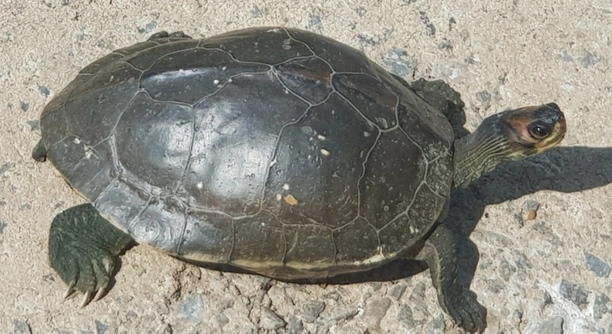
Indian Roofed Tortoises are fascinating creatures, often requiring careful attention to their diet. As owners, understanding what foods are safe for them can help ensure their health and well-being. One common question is whether cat or dog food is suitable for them.
Indian Roofed Tortoises should not eat cat or dog food. These foods are formulated for carnivorous animals and lack the necessary nutrients for a herbivorous tortoise. Feeding them such food can lead to serious health issues.
Understanding the risks associated with feeding your tortoise the wrong food can help protect its health and ensure it receives the nutrition it needs for a long, happy life.
Why Cat and Dog Food Isn’t Suitable for Tortoises
Cat and dog food are designed for animals with very different nutritional needs compared to tortoises. These foods are primarily made for carnivores, so they contain high levels of protein, fat, and other nutrients that are not suitable for an herbivorous animal like an Indian Roofed Tortoise. Feeding these foods to your tortoise can result in digestive problems, obesity, and even kidney issues. Additionally, the lack of essential vitamins and minerals could lead to deficiencies and overall poor health.
Even though the occasional small amount of cat or dog food may not immediately harm a tortoise, it should never be a part of their regular diet. The high levels of fat and protein can strain their kidneys and other organs, which could lead to long-term damage. Instead, tortoises thrive on a balanced diet of fresh vegetables, fruits, and grasses, which provides the essential nutrients they need.
Properly feeding your tortoise with a diet tailored to its specific needs can greatly improve its quality of life. It is important to avoid feeding them foods designed for carnivorous pets and stick to a plant-based diet to maintain health.
What to Feed Your Indian Roofed Tortoise
The right diet for an Indian Roofed Tortoise is rich in fiber and low in protein. Their diet should primarily consist of leafy greens, grasses, and a variety of vegetables. A mix of dandelion greens, kale, and hibiscus flowers is ideal. Offering safe fruits like strawberries and apples as occasional treats will keep your tortoise satisfied. Always ensure the food is pesticide-free and fresh.
Avoid feeding tortoises processed foods, dairy, or anything high in fat and protein. These can disrupt their digestion and lead to serious health problems over time. A well-balanced, plant-based diet will keep your tortoise strong and thriving.
Risks of Feeding Your Tortoise Dog or Cat Food
Dog and cat food are often too rich in protein and fat for a tortoise. A tortoise’s digestive system is not designed to process these types of food. Over time, consuming them can lead to kidney problems and other health issues. This diet imbalance can also lead to obesity, which places stress on their body.
If you feed your tortoise dog or cat food regularly, it can have severe consequences. These foods lack the necessary nutrients that tortoises need for proper bone and shell development. A poor diet can also impact their immune system, making them more susceptible to illness. A consistent diet of plant-based foods is crucial for your tortoise’s overall well-being and longevity.
Even though it might seem convenient to feed your tortoise leftover pet food, it is never worth the potential damage it can cause. Ensure that the food you provide matches the natural dietary needs of your tortoise.
How to Offer a Healthy Diet
Providing your tortoise with a healthy diet doesn’t have to be complicated. Focus on offering a variety of fresh leafy greens and grasses. You can also supplement with flowers such as dandelions, which are both nutritious and safe. Occasional fruits like melon or berries are good, but should not be given too often.
Maintaining a balanced diet requires consistency and attention to detail. A tortoise’s health is directly linked to the quality of the food they consume. Regularly offering a variety of fresh plant-based foods ensures your tortoise will receive a broad spectrum of essential vitamins and minerals. Keep in mind that water is just as important as food; always provide clean, fresh water to keep your tortoise hydrated.
Proper Calcium and Vitamin D3 Intake
Tortoises need adequate calcium and vitamin D3 to maintain strong bones and shells. Without these, they can develop metabolic bone disease, leading to deformities and fractures. Offer calcium supplements if needed, but be sure they are specifically designed for reptiles.
Calcium and vitamin D3 play vital roles in bone strength and overall health. Without enough of these nutrients, your tortoise can suffer from serious skeletal issues. You can also provide calcium-rich foods like collard greens, which naturally support bone health. Always check your tortoise’s diet to ensure these nutrients are included.
Hydration Is Key
Tortoises need a constant supply of fresh, clean water. Hydration is crucial for digestion and overall health. Ensure they always have access to a water dish, and change it daily. Proper hydration helps prevent dehydration and promotes healthy bodily functions.
Proper hydration is just as important as a balanced diet. Dehydration can lead to lethargy, constipation, and more serious health issues. If your tortoise isn’t drinking enough water, you can try soaking them in a shallow dish of water for about 15 minutes a few times a week.
FAQ
Can I feed my tortoise dog or cat food in an emergency?
While feeding your tortoise dog or cat food in an emergency may not immediately cause harm, it is not advisable. The high protein and fat content in these foods can cause long-term health problems, such as kidney issues and obesity. It’s always best to feed your tortoise appropriate foods such as leafy greens, vegetables, and safe fruits. If you find yourself without tortoise food, try to find alternatives like fresh herbs or grasses to provide temporary sustenance.
How much should I feed my tortoise each day?
The amount of food your tortoise needs depends on its size and species. Generally, adult tortoises should be fed once a day, while younger tortoises may require two meals. You should aim to provide a portion of food roughly the size of their shell. Ensure that their diet is varied and rich in fiber, with a mix of leafy greens, flowers, and some fruits. Overfeeding can lead to obesity, so avoid offering excessive amounts of food at once.
Can tortoises eat fruit every day?
Fruits should be offered to tortoises only in moderation. While they provide essential vitamins and hydration, they are also high in sugar, which can lead to health issues like obesity and shell deformities if fed too often. Limit fruit offerings to once or twice a week, and focus on high-fiber, low-sugar foods such as leafy greens and grasses as their main diet.
Is it okay to feed my tortoise lettuce?
Lettuce can be offered to tortoises but should not be their primary food. Iceberg lettuce, in particular, has little nutritional value and can cause diarrhea. Opt for darker, more nutritious varieties like romaine or red leaf lettuce. While it’s fine to feed lettuce occasionally, ensure that it’s part of a well-rounded diet, including other vegetables and grasses.
Should I give my tortoise supplements?
Calcium and vitamin D3 supplements are recommended, especially if your tortoise isn’t getting enough from their diet. These supplements help prevent metabolic bone disease, a common issue in tortoises that lack sufficient calcium. If you feed your tortoise a variety of calcium-rich foods, supplements may not be necessary, but they can be useful during the winter months when natural sunlight is limited. Always consult a veterinarian for guidance on supplementing your tortoise’s diet.
Can my tortoise eat flowers from my garden?
Many garden flowers are safe for tortoises to eat, but it’s important to know which ones. Safe options include dandelions, hibiscus, and clover. However, some flowers, such as lilies and tulips, can be toxic to tortoises. Always research the flowers you plan to offer and avoid those that may be harmful. Ensure the flowers haven’t been treated with pesticides or chemicals before feeding them to your tortoise.
Can I give my tortoise a bath?
Yes, giving your tortoise a bath can help keep them hydrated, especially if they’re not drinking enough water on their own. Fill a shallow dish with lukewarm water and place your tortoise in it for 10-15 minutes. Gently soak them a few times a week to prevent dehydration. Avoid using soap or other products, as they may irritate their skin. Always supervise your tortoise during bath time to ensure their safety.
What should I do if my tortoise isn’t eating?
If your tortoise stops eating, it can be a sign of stress, illness, or incorrect environmental conditions. Check the temperature and humidity levels in their enclosure, as tortoises require specific conditions to feel comfortable and healthy. Make sure they have access to fresh food and water. If the problem persists for more than a couple of days, consult a veterinarian for further evaluation.
Do tortoises need UVB light?
Yes, UVB light is essential for a tortoise’s health. It helps them synthesize vitamin D3, which is crucial for calcium absorption and bone development. If your tortoise is kept indoors, provide them with a UVB light that mimics natural sunlight. This light should be placed in their enclosure for about 12-14 hours a day. Outdoor tortoises can get UVB from direct sunlight, but indoor tortoises depend on artificial lighting.
How do I keep my tortoise’s shell healthy?
A healthy diet and proper hydration are key factors in maintaining a tortoise’s shell health. Ensure they receive enough calcium, vitamin D3, and fiber. A diet that’s too high in protein can lead to soft or malformed shells, while a lack of hydration can cause the shell to become brittle. Regular exposure to UVB light also helps maintain shell health by supporting calcium absorption. Keep your tortoise’s living environment clean and provide adequate space for movement to support their overall well-being.
Final Thoughts
Feeding your Indian Roofed Tortoise properly is crucial for its overall health and well-being. While it may be tempting to offer a variety of foods, it’s important to stick to a diet that is specifically designed for tortoises. Dog or cat food is not suitable for tortoises, as it contains ingredients that can cause long-term harm. These foods often have high levels of protein and fat that tortoises cannot properly digest, which can lead to kidney problems, obesity, and other health issues. Understanding what foods are safe for your tortoise will ensure they live a long, healthy life.
Incorporating a variety of leafy greens, safe fruits, and vegetables into your tortoise’s diet is key to meeting their nutritional needs. Tortoises require a balance of calcium, fiber, and vitamins to maintain strong bones, a healthy shell, and good digestion. While supplements can help fill nutritional gaps, it’s always best to provide natural sources of these nutrients. Ensure your tortoise has access to fresh, clean water at all times, and offer foods like dandelions, clover, and leafy greens, which are rich in calcium. You can also add occasional fruits to their diet, but they should only make up a small portion of their meals.
Maintaining the right environment for your tortoise is just as important as feeding them the right foods. Providing access to UVB light is essential for their health, as it helps them absorb calcium and maintain strong bones and shells. Without proper UVB exposure, your tortoise may suffer from metabolic bone disease. It’s also important to ensure that your tortoise has a clean, spacious habitat with a temperature that suits their needs. A well-balanced diet, proper hydration, and the right environmental conditions are the foundation of a healthy, happy tortoise.

Hello,
If you enjoy the content that we create, please consider saying a "Thank You!" by leaving a tip.
Every little bit helps us continue crafting quality advice that supports the health, happiness, and well-being of pets around the world, for pets of all shapes, sizes, and species.
We really appreciate the kindness and support that you show us!