
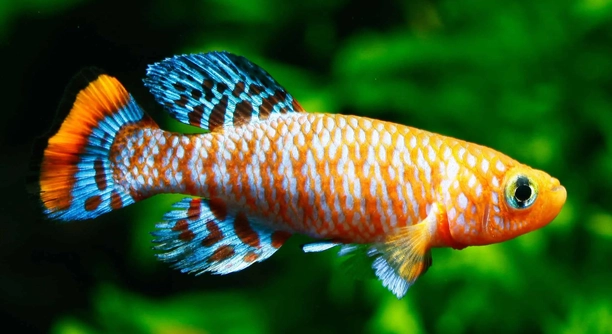
Male and female killifish can look quite similar, making it tricky to tell them apart at first glance. Knowing the differences helps with caring for them properly and understanding their behavior in your aquarium. This article will guide you through the basics of identifying each gender.
Male and female killifish differ mainly in coloration, size, and fin shapes. Males usually display brighter colors and longer fins, while females tend to have duller tones and shorter fins. These distinctions help in breeding and species identification.
Recognizing these traits will improve your experience with killifish and support their health and well-being in your care.
Key Differences in Color and Size
Male killifish are usually more vibrant, showing bright colors like blues, reds, or yellows. Their colors help them attract mates and defend territory. Females, in contrast, tend to have more muted shades, often brown or gray, which help them blend into their environment and stay safe from predators. Size is another clear difference. Males typically grow larger and have elongated fins that make them stand out. Females are generally smaller with shorter fins, giving them a less flashy appearance. Observing these features closely can help you tell them apart, especially during breeding seasons when colors become even more distinct.
These physical traits are reliable ways to identify male and female killifish without confusion.
Spotting these color and size differences becomes easier with experience and improves your ability to care for them properly. Watching their interactions can also offer clues about their gender.
Behavior and Breeding Patterns
Males often display more active and territorial behavior, especially around breeding time. They will swim more aggressively and flare their fins to attract females or warn rivals. Females tend to be calmer and focus on searching for safe spots to lay eggs. Breeding involves the male performing courtship displays, and once successful, females deposit eggs in specific places like plants or spawning mops. Observing these behaviors can confirm the gender of your killifish. Understanding these patterns helps manage your aquarium better, ensuring both males and females coexist peacefully and breed successfully. Maintaining the right environment supports their natural behavior and promotes healthy fish.
Fin Shapes and Patterns
Male killifish usually have longer, more elaborate fins compared to females. Their dorsal, anal, and caudal fins often show unique shapes and patterns that make them stand out. Females have shorter, more rounded fins, lacking the elaborate details males display.
The fin differences are often linked to mating displays. Males use their bright, flowing fins to attract females and intimidate other males. These fins can sometimes have spots or stripes that add to their visual appeal. Females’ fins are more practical, helping with quick movements and hiding from threats rather than showing off.
Careful observation of fin length and patterns is a useful tool for distinguishing genders. This is especially helpful when colors are less vibrant due to water conditions or age.
When Color and Size Aren’t Enough
Some killifish species show less obvious color and size differences between males and females, making identification trickier. In these cases, behavioral cues and fin examination become more important for accurate gender recognition.
Watching interactions can reveal dominance displays or courtship behavior exclusive to males. Additionally, the shape and size of fins, as well as body posture, provide clues. Females may appear rounder, especially when carrying eggs, while males maintain a slimmer profile.
Environmental factors such as water quality and diet can affect the vibrancy of coloration, so relying on multiple traits is best. Observing these aspects together improves your ability to tell males and females apart in less distinct species. This careful attention benefits breeding success and overall care.
Seasonal Changes in Appearance
Killifish males often show brighter colors during breeding seasons. This helps them attract females and signal readiness to mate. Females’ colors may also deepen slightly but remain more subdued overall.
These seasonal color shifts can be subtle but are important for identifying gender at different times of the year.
The Role of Environment
Water conditions, diet, and tank setup can influence killifish coloration and behavior. A healthy, stress-free environment encourages males to display their full color range, making identification easier. Poor conditions can dull colors and affect fin health in both sexes.
Maintaining stable water parameters and providing nutritious food supports natural behaviors and clear gender traits. This care improves overall fish health and breeding success.
Common Mistakes in Identification
Assuming all color differences mean male or female can lead to errors. Some species have naturally dull males or brightly colored females, so look at multiple traits.
Tips for Beginners
Start by observing behavior and fin shapes alongside colors to tell males and females apart confidently.
FAQ
How can I quickly tell male and female killifish apart?
The fastest way to differentiate is by looking at color and fin length. Males are usually brighter with longer, more ornate fins. Females tend to have duller colors and shorter fins. Observing behavior can also help since males are often more active and territorial.
Can females ever be as colorful as males?
In most species, females are less colorful than males. However, some females may show slightly brighter colors when healthy or during breeding season. Still, their colors rarely match the vividness or patterns seen in males.
Do fin shapes change over time?
Fin shapes in males can become more pronounced as they mature, especially during breeding. Females’ fins usually stay shorter and rounder throughout their lives. Damage or poor water quality can also affect fin appearance.
Is size a reliable gender indicator?
Size helps but isn’t always conclusive. Males tend to be larger, but overlap exists depending on species and individual health. Use size together with color and fin traits for better accuracy.
What if my killifish don’t show bright colors?
Dull colors may result from stress, poor diet, or water quality. Improving these conditions often restores natural coloration. If colors remain dull, pay more attention to fin shape and behavior to determine gender.
How do breeding behaviors differ between males and females?
Males display courtship actions like fin flaring and chasing females. Females usually look for safe places to lay eggs and avoid conflict. Watching these behaviors during breeding season clearly reveals their genders.
Can lighting affect how I see killifish colors?
Yes, lighting impacts color perception. Bright, natural light shows true colors better, while dim or artificial lighting can hide subtle color differences. Adjusting tank lights can make identification easier.
Are there species where males and females look almost identical?
Some killifish species have minimal sexual dimorphism, meaning males and females look very similar. In these cases, behavior and breeding activity are the best ways to tell them apart.
Do environmental factors influence gender traits?
Water parameters, diet, and tank setup affect coloration and fin health. A stable environment promotes clear gender differences, while poor conditions may mask these traits.
Can juveniles be sexed accurately?
It’s difficult to distinguish young killifish by gender because their colors and fins are not fully developed. Waiting until they mature gives a clearer idea of their sex.
Is it necessary to separate males and females in a tank?
Separating is usually not required unless males become aggressive during breeding. Providing plenty of hiding spots and space helps reduce conflicts and keeps both sexes healthy.
How does stress affect male and female killifish?
Stress can dull colors, damage fins, and reduce activity in both males and females. Maintaining good water quality and a calm environment is important for showing their true gender traits.
What should I do if I’m still unsure about my killifish’s gender?
Observe them over time, noting changes in color, fins, and behavior. Consulting species-specific care guides or experienced hobbyists can also help confirm their gender with more confidence.
Do males require special care compared to females?
Males sometimes need more space to establish territories, especially in groups. Otherwise, care requirements are similar for both sexes, focusing on clean water, proper diet, and a balanced environment.
How often do killifish change colors?
Colors may shift during breeding seasons or with changes in health and environment. These changes are usually gradual and reversible, reflecting the fish’s condition rather than permanent gender traits.
This FAQ covers common concerns about identifying male and female killifish and caring for them properly. Paying attention to multiple factors ensures better understanding and enjoyment of these vibrant fish.
Final Thoughts
Knowing how to tell male and female killifish apart is important for anyone caring for these fish. The most obvious signs are differences in color, size, and fin shape. Males tend to be brighter and have longer, more elaborate fins. Females usually have duller colors and shorter fins. These traits are especially noticeable during the breeding season when males display their best colors to attract females. Observing behavior also helps, as males are often more active and show territorial displays. Paying attention to these features makes it easier to identify the genders correctly and helps you provide the right care for each fish.
It is also important to remember that not all killifish show clear differences between males and females. Some species look very similar regardless of gender, which can make identification tricky. In these cases, watching their behavior during breeding can offer clues. Females focus on finding safe places to lay eggs, while males perform courtship displays. Environmental factors like water quality, diet, and lighting can affect how bright the colors appear, so maintaining a healthy tank environment is key. When the fish are healthy and stress-free, their natural traits become more visible, making gender identification easier and more accurate.
Finally, identifying the gender of killifish is not just about curiosity. It supports better tank management, helps avoid conflicts between aggressive males, and improves breeding success. Understanding these differences allows you to create a more comfortable home for your fish. Whether you are a beginner or experienced keeper, observing your killifish closely over time is the best way to learn their characteristics. This knowledge will make your experience more rewarding and contribute to the well-being of these colorful and fascinating fish.

Hello,
If you enjoy the content that we create, please consider saying a "Thank You!" by leaving a tip.
Every little bit helps us continue crafting quality advice that supports the health, happiness, and well-being of pets around the world, for pets of all shapes, sizes, and species.
We really appreciate the kindness and support that you show us!