
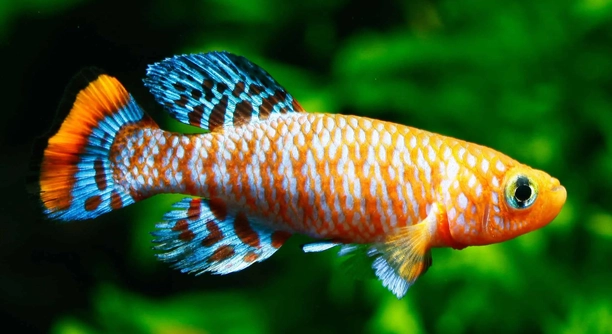
Killi fish are small, colorful freshwater fish known for their unique spawning habits. Many hobbyists enjoy breeding them, but success depends on specific environmental factors. Understanding these triggers can improve the chances of healthy egg production and hatching.
Killi spawning is influenced by factors such as water temperature, light cycles, water quality, food availability, presence of plants, water hardness, and seasonal changes. Each of these elements plays a critical role in stimulating and supporting the breeding process.
Knowing how these environmental triggers affect killi spawning helps ensure a thriving tank and healthier offspring. This knowledge can make breeding more predictable and rewarding for fish keepers.
Water Temperature
Water temperature is one of the most important factors affecting killi spawning. Most killifish species prefer temperatures between 22°C and 26°C (72°F to 79°F) to start breeding. If the water is too cold, their metabolism slows down, and they may not show interest in spawning. On the other hand, if it’s too warm, it can stress the fish and reduce egg viability. Gradual changes in temperature often trigger spawning behavior, mimicking natural seasonal shifts. Maintaining stable temperature within the preferred range helps create a comfortable environment for egg development. Using a reliable aquarium heater and thermometer makes this easier to manage.
Stable water temperature encourages consistent spawning activity and better egg hatching rates.
Adjusting the water temperature to match the species’ natural habitat is key. Slowly raising or lowering the temperature by a degree or two over several days can simulate seasonal changes. This method often prompts killis to begin their reproductive cycle. It is important to avoid sudden temperature swings that may shock the fish or harm the eggs. Monitoring daily and keeping the environment steady supports healthier breeding results and reduces stress on the fish.
Light Cycles
Light cycles impact killi spawning by signaling seasonal changes. Most species respond well to 10 to 12 hours of light each day. A consistent light schedule helps regulate their internal clock and breeding patterns. Changing the light duration gradually, like increasing daylight hours, can encourage spawning. Too much light or irregular cycles may cause stress or inhibit breeding behavior. Using a timer ensures the lighting remains steady and reliable for the fish’s needs.
Proper lighting supports the fish’s natural breeding rhythm.
Killifish rely on light to tell time and detect seasonal shifts. In the wild, longer days often mean the rainy season, which triggers spawning. In an aquarium, replicating this cycle can help them breed more naturally. It’s important to balance light and dark periods, allowing the fish to rest. Bright, continuous light can tire them out and prevent normal behavior. Regular light cycles with gradual changes create an environment closer to their natural habitat, improving breeding success. Ensuring the light source isn’t too harsh or too dim is also beneficial for their overall health.
Water Quality
Water quality is essential for killi spawning success. Clean, well-filtered water with stable parameters encourages healthy fish and viable eggs. Sudden changes or poor conditions can stop spawning altogether.
Maintaining water with low nitrate and ammonia levels is critical. Regular water changes help keep toxins down. Killis prefer slightly acidic to neutral pH, usually between 6.0 and 7.0. Hardness also matters; many species do best in soft to moderately hard water. Testing water regularly helps catch issues early. Avoiding chemical fluctuations reduces stress, making fish more willing to spawn.
Filtration should be gentle to prevent disturbing eggs or fry. Sponge filters are a good choice. Also, aeration keeps oxygen levels stable, supporting egg development. A clean environment reduces risks of fungal infections on eggs. Overall, steady water quality conditions provide a safe and supportive habitat for killi reproduction.
Food Availability
Providing a varied, high-quality diet is important for triggering spawning behavior in killifish. Well-fed fish have more energy and are more likely to breed.
Feeding live or frozen foods like daphnia, brine shrimp, and bloodworms helps condition the fish. These foods supply nutrients that support egg production and improve overall health. Supplementing with high-quality flakes or pellets ensures a balanced diet. Feeding small amounts multiple times a day mimics natural feeding patterns and reduces waste buildup. Overfeeding should be avoided to maintain water quality.
In nature, abundant food signals favorable breeding conditions. Recreating this in the aquarium encourages killifish to spawn. Nutrient-rich diets promote stronger eggs and higher survival rates for fry. A consistent feeding routine combined with other environmental triggers increases the chance of successful spawning events.
Presence of Plants
Plants offer ideal spawning sites for killifish. They provide shelter and surfaces where eggs can attach safely.
Live plants like Java moss or spawning mops are popular choices. They mimic natural environments and reduce stress, encouraging breeding behavior.
Water Hardness
Water hardness affects egg development and fish health. Most killifish prefer soft to moderately hard water.
Hard water can cause poor egg survival or deformities. Testing and adjusting hardness helps maintain optimal conditions for spawning.
Seasonal Changes
Seasonal changes naturally trigger killifish spawning. Variations in temperature, daylight, and water conditions signal the start of breeding periods.
Simulating these changes in captivity by gradually altering temperature and light cycles can stimulate spawning. Recreating wet and dry season patterns encourages fish to reproduce as they would in the wild. This approach helps synchronize breeding and improves overall success rates.
FAQ
How long does it take for killi eggs to hatch?
Killi eggs usually hatch within 10 to 21 days, depending on species and environmental conditions. Temperature plays a big role—warmer water speeds up development, while cooler water slows it down. Maintaining stable temperature and good water quality helps ensure timely hatching. Some species’ eggs can survive dry periods before hatching once water returns.
What is the best way to simulate seasonal changes for spawning?
Gradually adjust the water temperature and light cycle over several weeks. Increase daylight hours and raise the temperature by a few degrees to mimic the rainy season. This signals killifish that it’s time to spawn. Adding fresh water during this period can also help recreate natural conditions.
Can I use artificial plants for spawning?
Yes, artificial spawning mops or plants work well. They provide surfaces for eggs to stick to and are easy to clean. However, live plants often offer additional benefits like hiding places and better water quality.
How often should I feed killifish to encourage spawning?
Feed small amounts two to three times daily with a varied diet. Live or frozen foods like brine shrimp, daphnia, and bloodworms are ideal. A consistent feeding routine keeps the fish healthy and ready to spawn without polluting the water.
What water parameters are best for killi breeding?
Most killifish prefer slightly acidic to neutral pH (6.0–7.0) and soft to moderately hard water. Keep ammonia and nitrate levels very low by regular water changes. Stable conditions reduce stress and support egg development.
How do I care for killi eggs after spawning?
Remove the eggs carefully from the tank or leave them attached to plants if the species is an egg scatterer. Keep the eggs in clean, slightly warm water with gentle aeration. Avoid disturbing them and watch for fungus; using antifungal treatments may help if needed.
What causes killifish to stop spawning?
Stress from poor water quality, incorrect temperature, or inadequate diet often causes spawning to stop. Sudden changes in environment or overcrowding can also affect breeding behavior. Ensuring stable conditions and meeting all needs helps keep spawning consistent.
Can male and female killifish live together year-round?
Yes, in most cases. However, during breeding periods, males can become territorial or aggressive. Providing plenty of hiding spots and space reduces conflict. Separating them after spawning may be necessary for some species to protect eggs or fry.
Do all killifish species have the same spawning triggers?
No, different species vary in their requirements. While temperature, light, and water quality are common triggers, specifics like pH tolerance or breeding habits can differ. Researching your particular species’ needs ensures better spawning results.
Is it necessary to remove adults from the tank after spawning?
For species that lay eggs openly, adults may eat the eggs or fry. Removing adults helps improve survival rates of young fish. In some cases, separating eggs or using breeding tanks offers better protection and control during development.
Final Thoughts
Breeding killifish can be a rewarding experience, but it takes careful attention to several environmental factors. Understanding the importance of water temperature, quality, light cycles, and food availability can make a big difference in encouraging spawning. These triggers are natural signals that help the fish know when it is the right time to reproduce. Creating conditions that closely mimic their natural habitat will give the best chance for healthy eggs and successful hatching. Keeping these elements steady and balanced helps reduce stress on the fish, which is important for their overall health and breeding success.
It is also important to pay attention to the details that sometimes get overlooked, such as the presence of plants or the hardness of the water. Plants provide safe places for eggs to attach and shelter for the fish, making them feel secure. Water hardness affects not only the fish but also the development of their eggs. Adjusting these small factors can improve spawning results. In addition, seasonal changes influence killifish behavior. Simulating these natural patterns by slowly changing temperature and light cycles can trigger breeding instincts. Patience is key since some species respond slowly to changes, and rushing the process may cause stress.
Overall, keeping killifish healthy and happy requires a balance of proper care and understanding their needs. Breeding them is not always quick or easy, but with consistent effort and the right environment, it is possible to see positive results. Monitoring water conditions regularly, providing a good diet, and maintaining a calm tank environment all contribute to better spawning outcomes. Each species has unique preferences, so learning about the specific type you keep will help tailor care for the best chance of success. Taking the time to observe and adjust will make breeding killifish a more manageable and enjoyable experience.

Hello,
If you enjoy the content that we create, please consider saying a "Thank You!" by leaving a tip.
Every little bit helps us continue crafting quality advice that supports the health, happiness, and well-being of pets around the world, for pets of all shapes, sizes, and species.
We really appreciate the kindness and support that you show us!