
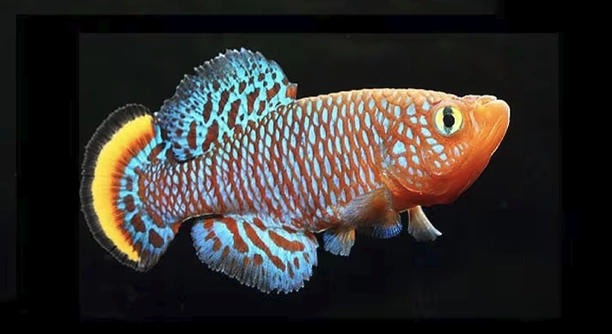
Are your kids asking for colorful fish to add to their tank, and you’re wondering if killifish are a good choice for them?
Killifish are not ideal for kids’ tanks due to their specific care needs, short lifespan, and occasional aggression. While their bright colors are appealing, they generally require experienced handling and a controlled environment to thrive.
Understanding their care requirements and behavior will help you decide if they are the right addition to your child’s aquarium.
What Makes Killifish Appealing
Killifish come in striking colors and patterns, which can make them seem perfect for a child’s aquarium. Their small size and active swimming style are also fun to watch. Some species are even known for their fascinating breeding habits. Because of their unique appearance, they often stand out in a tank. However, their care needs are more specific than most beginner-friendly fish. They usually prefer soft, slightly acidic water and are sensitive to water quality changes. They’re also short-lived, with many species living just a year or two. While that might sound manageable, their short life can be upsetting for kids who become attached. Also, many killifish don’t do well in a standard community tank and can show aggressive behavior, especially among males. This makes choosing the right tank mates a challenge. These factors combined make them less suitable for young or first-time fish keepers.
Their beauty can be misleading if you’re not ready for their needs.
Some peaceful species exist, but they’re not always easy to find or ideal for beginners. Choosing killifish requires planning, and their tank must be tailored to them. If your child’s tank setup is simple and shared with other fish, it’s better to go with more adaptable species. Even peaceful killifish need space and calm tank mates to avoid stress. They also prefer low lighting and plenty of plants or hiding spaces, which might not match the playful style kids usually enjoy in their tanks. Feeding can also be tricky—many killifish do best on live or frozen foods, not flakes or pellets. If you’re looking for a low-maintenance option that offers reliable behavior and a longer life span, you might be happier choosing fish like guppies, platies, or tetras. These are more forgiving of mistakes and easier for kids to help care for without frustration.
What Kids Need in a Fish
Children do best with hardy, peaceful fish that don’t need specialized care.
Fish that tolerate a wide range of conditions and eat simple foods make things easier. Tetras, mollies, and guppies are great for this. These species are generally calm and don’t mind changes in the environment as much. They also live longer and are more social in community tanks, which means more fun for kids to watch and interact with. Many are brightly colored too, so you don’t have to give up beauty for simplicity. Since they accept flake food and don’t need live prey, feeding is simple and more fun for children. Kids can also help with maintenance like feeding or checking the filter, building good habits and responsibility.
Killifish, in contrast, require water conditions that are harder to manage and don’t always get along with others. For children still learning how to care for fish, it’s best to choose species that offer a calm and rewarding experience. Fish that tolerate a few beginner mistakes without getting sick or stressed are ideal. This builds your child’s confidence and encourages interest in the hobby. Once they’ve gained experience and are more comfortable, then unique fish like killifish could be a fun next step. Until then, sticking with easy-going fish can make aquarium care something your child enjoys instead of struggles with.
Tank Setup and Care Requirements
Killifish need a well-maintained tank with soft, slightly acidic water and stable temperatures. They don’t do well with large fluctuations. A lid is essential because many species are jumpers.
Their tanks should have plenty of hiding spaces, like plants or caves, and low lighting to reduce stress. A sponge filter is often better than stronger filtration, which can create too much current. Many killifish are kept in species-only tanks to avoid conflict. They usually prefer still or slow-moving water and need regular water changes. Tap water may need conditioning to match their requirements.
Maintaining the tank means testing water frequently and being cautious about tank mates. Most killifish do not handle poor water quality well, and overcrowding increases stress. Feeding them may also be different from what kids expect, as live or frozen food is often necessary. A basic setup with gravel and a bubbler usually isn’t enough for them to thrive.
Behavior and Compatibility
Some killifish are territorial and may nip at others, especially during breeding times. This can upset the balance in a peaceful tank and make it less enjoyable for kids to watch.
Even within their own species, aggression can be a problem—particularly among males. It’s usually safer to keep one male with a few females, but this setup requires space and planning. In community tanks, they might either harass smaller tank mates or get bullied by more active fish. Because of their sensitivity, they may hide often, which can disappoint kids looking for playful, visible pets.
You’ll need to monitor tank dynamics closely if you try to house killifish with other species. A quiet tank with gentle fish like corydoras might work, but compatibility varies widely by killifish type. Since their behavior depends on sex, tank size, and environment, it’s not always predictable. A peaceful experience for kids depends on choosing calm, social fish that are easy to observe and care for.
Feeding Needs and Habits
Killifish often prefer live or frozen food like brine shrimp or bloodworms. They might ignore flakes or pellets, which can be frustrating for kids. Their feeding style is quick and focused, and they need small portions a few times a day.
If food isn’t eaten quickly, it can dirty the tank. Uneaten live food may also hide in the substrate. Feeding killifish can become a bit of a chore if you’re not used to handling specialty food or keeping up with regular feeding schedules.
Breeding and Lifespan
Killifish breeding can be interesting but requires planning and patience. Some lay eggs in plants, while others bury them in substrate. Most eggs need to be collected and incubated separately, and hatching takes weeks to months depending on the species. It’s not beginner-friendly and can confuse kids expecting easy results. Some species only live for a year or two, which can be upsetting for young fish keepers. Explaining short lifespans and failed breeding attempts can be emotionally difficult, especially if your child becomes attached to a particular fish. These factors make them more suitable for adults or experienced aquarists.
Final Thoughts Before Choosing
If your child is still learning how to care for fish, there are better choices than killifish. Simpler species will bring more fun and fewer challenges.
FAQ
Are killifish good for beginners or kids?
Killifish are generally not the best choice for beginners or kids. They have specific water needs, require careful feeding, and can show aggressive behavior. Their short lifespan and sometimes tricky breeding make them better suited for experienced hobbyists. Kids may find caring for killifish frustrating or upsetting if the fish die quickly or hide most of the time.
What kind of tank do killifish need?
Killifish need a tank with soft, slightly acidic water and stable temperature. The tank should have plenty of plants and hiding spots to reduce stress. A lid is important because they like to jump. Water changes must be regular, and filtration should be gentle, like a sponge filter, to keep the water calm.
Can killifish live with other fish?
Some killifish can live with peaceful species, but many are territorial and aggressive, especially males. It’s best to research the specific killifish species before adding tank mates. Community tanks with lively fish may stress killifish, causing them to hide or act aggressively. Usually, keeping killifish in species-only tanks is safest.
What do killifish eat?
Killifish mostly eat live or frozen foods such as brine shrimp, daphnia, and bloodworms. They often won’t accept regular flake or pellet food. Feeding needs to be done carefully to avoid leftover food that can pollute the tank. Their diet can be more work compared to common beginner fish.
How long do killifish live?
Most killifish live between one to two years. Some species have very short lifespans, which can be surprising and sad for children. This is shorter than many popular aquarium fish, so it’s important to prepare kids for the idea of fish that may only be around for a short time.
Can kids help care for killifish?
Kids can assist with simple tasks like feeding and checking water, but killifish care requires more adult supervision. Feeding live food and maintaining stable water conditions can be challenging. It’s best to have an adult manage most of the tank maintenance to keep the fish healthy.
Are killifish active and visible in the tank?
Killifish can be shy or hide if stressed, especially in community tanks. They prefer calm environments and plenty of cover. This means they may not always be visible or active, which can be disappointing if kids want to watch their fish swim around freely.
What makes killifish different from other beginner fish?
Killifish require specific water chemistry, feeding, and tank conditions, unlike easy-to-care-for fish like guppies or tetras. Their short lifespan and occasional aggression make them less forgiving of beginner mistakes. This means they need more attention and experience to thrive.
Are killifish expensive?
Some killifish species can be pricey, especially rare or colorful varieties. The cost of live food and specialized tank setup can also add up. For families on a budget or those new to fish keeping, more common, hardy fish are usually a better choice.
Is breeding killifish difficult?
Breeding killifish takes knowledge and patience. They often lay eggs in specific places, and the eggs sometimes need to be removed and incubated separately. The hatching period can be long, and survival rates vary. This process is usually too complex for kids or beginners without guidance.
How often should the tank be cleaned for killifish?
Regular water changes are essential—usually weekly or biweekly, depending on tank size and stocking. Because killifish are sensitive to water quality, maintaining cleanliness is very important. Neglecting water changes can lead to stress and illness.
Can killifish jump out of the tank?
Yes, killifish are known jumpers. A secure lid is necessary to prevent them from escaping, which is another safety consideration for children’s tanks. Without a lid, they can easily jump out and get hurt or lost.
What tank size is best for killifish?
Smaller species can live in tanks as small as 10 gallons, but a larger tank is always better for stability and to reduce aggression. Keeping multiple killifish means more space is needed to avoid territorial fights.
Are there peaceful killifish species suitable for kids?
Some killifish species are less aggressive and more peaceful, but they are still not as hardy as beginner fish. They also need specialized care, so even peaceful types require experience and proper tank conditions.
Can killifish live in community tanks with kids’ other fish?
While it’s possible with careful species selection, it’s risky. Killifish may nip at other fish or be bullied themselves. Many community fish have different water needs, making it harder to keep them healthy together.
What signs show that killifish are stressed?
Hiding frequently, loss of color, reduced appetite, and lethargy are common signs of stress. Stress can result from poor water conditions, aggressive tank mates, or inappropriate diet. Early attention can prevent illness or death.
Is feeding live food safe for kids?
Handling live food can be safe with supervision but requires hygiene and care to avoid contamination. It may not be convenient or appealing for all children. Frozen options are sometimes easier to use but still need proper preparation.
How can I help my child enjoy fish keeping without killifish?
Choose hardy, colorful fish that are easy to feed and maintain. Encourage your child to participate in simple tasks and watch the fish’s behavior. This builds interest and confidence before moving on to more advanced species like killifish later on.
Killifish are beautiful and unique fish, but they come with challenges that make them less suitable for kids’ tanks. Their specific water needs, feeding habits, and short lifespans require careful attention and experience. While their bright colors and interesting behavior can be appealing, the care involved is more complex than most beginner fish. If your child is new to fish keeping, killifish might cause more frustration than enjoyment. It’s important to consider how much time and effort you and your child are ready to spend on their care before choosing killifish for the tank.
For children learning about fish care, starting with hardy, easy-going species is usually better. Fish like guppies, tetras, and mollies are more forgiving when mistakes happen and can live longer, making the experience less upsetting. These fish adapt well to a variety of tank conditions and eat simple foods that are easier for kids to handle. Watching these fish swim actively in a community tank can keep kids interested and encourage their involvement. Once your child has gained confidence and responsibility in maintaining a fish tank, moving on to more specialized fish like killifish can be a good next step.
Deciding on fish for a child’s tank means balancing beauty, care requirements, and enjoyment. Killifish require a stable environment, regular maintenance, and special feeding routines, which may be too much for a young hobbyist. However, if you have experience and can provide the right setup, killifish can be rewarding pets. It’s helpful to think about your family’s lifestyle, your child’s interest level, and how much support you can give before bringing killifish home. Choosing the right fish from the start will lead to a more positive and fun aquarium experience for everyone involved.

Hello,
If you enjoy the content that we create, please consider saying a "Thank You!" by leaving a tip.
Every little bit helps us continue crafting quality advice that supports the health, happiness, and well-being of pets around the world, for pets of all shapes, sizes, and species.
We really appreciate the kindness and support that you show us!