
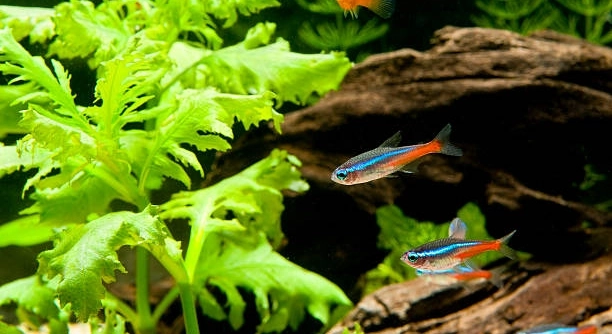
Building a tetra tank can seem overwhelming at first, especially if you want it to look great and keep your fish healthy. Many beginners worry about making mistakes or spending too much time on setup. A clear, step-by-step approach can simplify the process.
The best way to build a tetra tank without stress is to follow seven well-organized steps. These include selecting the right tank, preparing the substrate, adding plants, cycling the tank, introducing fish gradually, maintaining water quality, and performing regular upkeep.
Knowing these steps will help you create a stable and attractive environment for your tetras. This guide provides straightforward instructions to make the setup easier and more manageable.
Choosing the Right Tank and Location
Selecting the right tank size and location is the first step to a successful tetra setup. A 10 to 20-gallon tank is ideal for a small school of tetras, providing enough space for them to swim comfortably. Make sure the tank is made of quality glass or acrylic and has a secure lid to prevent fish from jumping out. The tank should be placed on a sturdy, level surface away from direct sunlight, drafts, or heaters. Sunlight can cause algae growth, while temperature fluctuations can stress the fish. Choose a quiet area that allows easy access for maintenance but isn’t in a busy spot where vibrations or sudden noise could disturb the fish.
A proper location ensures the tank stays stable and safe. Avoid areas with heavy foot traffic or near windows.
Placing the tank in a stable environment helps maintain water quality and reduces stress on the tetras. It also makes cleaning and monitoring easier, contributing to healthier fish and a more enjoyable aquarium experience.
Preparing the Substrate and Plants
A good substrate provides a natural look and supports beneficial bacteria growth. Fine gravel or sand is best for tetra tanks since tetras prefer smooth surfaces that won’t harm their delicate fins. Rinse the substrate thoroughly before adding it to the tank to remove dust and debris. Adding live plants enhances water quality by absorbing nitrates and provides hiding spots for shy fish. Choose low-maintenance plants like Java fern, Anubias, or Amazon sword that thrive in low to moderate light. Arrange plants so there is enough open swimming space but also areas where the tetras can feel secure. Avoid overcrowding the tank with plants, as this can reduce oxygen levels and make cleaning difficult. A balanced planting helps mimic their natural habitat and encourages natural behavior.
Cycling the Tank Properly
Cycling the tank is essential before adding tetras. This process builds beneficial bacteria that break down harmful ammonia and nitrites. Without cycling, fish are at risk of poisoning and stress.
Cycling typically takes four to six weeks. Start by adding a source of ammonia, like fish food or pure ammonia, to encourage bacteria growth. Test water regularly for ammonia, nitrites, and nitrates. Ammonia and nitrites should peak and then drop to zero, while nitrates rise, signaling the cycle is complete. Patience during this phase ensures a safe environment.
Skipping or rushing the cycle often causes fish loss. Using a water conditioner and test kits supports monitoring and helps maintain stable water conditions. A fully cycled tank promotes healthier tetras and a more balanced aquarium.
Introducing Fish Gradually
Introduce tetras slowly after cycling. Adding too many at once stresses the system and the fish. Start with a small group, about 3 to 5 tetras, to observe how the tank handles the bioload.
Acclimate the fish to the tank by floating the sealed bag in the aquarium for 15 to 20 minutes. Then gradually add tank water into the bag every 10 minutes over an hour. This prevents shock from sudden changes in temperature or water chemistry. After acclimation, gently release the fish.
Adding fish gradually helps maintain water quality and reduces stress. It also allows you to watch for any signs of illness or incompatibility early on, keeping the tank environment stable.
Maintaining Water Quality
Regular water changes keep the tank clean and healthy. Changing 20-30% of the water weekly helps remove toxins and keeps nitrate levels low.
Using a water conditioner during changes protects fish from harmful chlorine and chloramines found in tap water.
Feeding Tetras Properly
Feed tetras small amounts twice a day. Use high-quality flakes or pellets designed for small tropical fish. Overfeeding leads to poor water quality and health problems. Remove uneaten food after a few minutes to prevent decay. A balanced diet helps tetras stay vibrant and active.
Monitoring Fish Health
Observe tetras daily for signs of stress or illness. Look for unusual behavior, discoloration, or damaged fins. Early detection allows quick treatment and prevents problems from spreading.
Regular Tank Upkeep
Clean the tank glass and equipment regularly. Remove algae and debris without disturbing beneficial bacteria. This routine keeps the environment stable and fish comfortable.
FAQ
How often should I change the water in my tetra tank?
Water changes should be done weekly, replacing about 20-30% of the tank’s water each time. This routine helps keep harmful chemicals and nitrates at safe levels. Regular water changes support a stable and healthy environment for your tetras, preventing stress and illness.
Can I keep other fish with tetras?
Yes, tetras are peaceful fish and do well with other small, non-aggressive species. Suitable tank mates include guppies, rasboras, and small catfish like Corydoras. Avoid larger or aggressive fish that may bully or eat tetras.
What temperature is best for tetra tanks?
Tetras prefer water temperatures between 72°F and 78°F (22°C to 26°C). Use a reliable aquarium heater to maintain a consistent temperature within this range. Sudden temperature changes can stress fish and lower their immunity.
How many tetras should I keep in one tank?
A minimum group size of six tetras is recommended, as they are schooling fish and feel safer in groups. For a 10 to 20-gallon tank, 6 to 10 tetras provide a comfortable community. Overstocking can cause poor water quality and stress.
How do I know if my tetra tank is cycled?
A tank is fully cycled when ammonia and nitrite levels drop to zero and nitrate levels begin to rise. This usually takes 4 to 6 weeks. Using test kits regularly during the cycling process helps confirm when it is safe to add fish.
What should I feed my tetras?
Feed tetras a varied diet of high-quality flakes, pellets, and occasional live or frozen foods like brine shrimp or daphnia. Variety ensures proper nutrition and vibrant colors. Feed only what they can consume in 2-3 minutes to avoid leftover food polluting the water.
Why are my tetras hiding all the time?
Tetras may hide due to stress from poor water conditions, sudden changes, or bullying by other fish. Ensure the water is clean, temperature stable, and the tank has enough plants or decorations for hiding spots. Stress relief often restores their natural activity.
How often should I clean the substrate?
Clean the substrate during water changes by gently vacuuming it to remove debris and uneaten food. Avoid deep disturbance to preserve beneficial bacteria. Cleaning once every 1-2 weeks is usually enough to maintain a healthy tank.
Can I use artificial plants instead of live ones?
Artificial plants can be used but don’t provide the same water quality benefits as live plants. Live plants absorb nitrates and improve oxygen levels. If using artificial plants, clean them regularly to prevent algae buildup.
What are common diseases in tetras and how do I prevent them?
Common diseases include ich, fin rot, and fungal infections, often caused by poor water quality or stress. Prevent disease by maintaining clean water, proper feeding, and avoiding sudden changes. Quarantine new fish before adding them to the main tank to reduce risks.
How do I acclimate new tetras to my tank?
Float the sealed bag with the fish in the tank water for 15-20 minutes to equalize temperature. Then add small amounts of tank water into the bag every 10 minutes over the next hour. Finally, gently release the fish into the tank to reduce shock.
What size tank do I need for a tetra school?
A 10 to 20-gallon tank is suitable for a small school of 6 to 10 tetras. Larger tanks provide more swimming space and better water stability, which improves fish health and behavior.
Can tetras live without a heater?
Tetras are tropical fish that need stable, warm water. Without a heater, temperatures may fluctuate too much, causing stress or illness. A heater keeps the tank within the ideal temperature range year-round.
How do I prevent algae growth in my tetra tank?
Limit direct sunlight exposure and avoid overfeeding to reduce excess nutrients. Regular water changes and proper filtration also help control algae. Adding live plants can compete with algae for nutrients, slowing its growth naturally.
Final Thoughts
Building a tetra tank can feel challenging at first, but following a clear plan makes it much easier. Choosing the right tank size and location sets a strong foundation. Preparing the substrate and adding live plants not only creates a natural environment but also supports water quality. Taking time to cycle the tank properly ensures a safe space for your fish. Introducing tetras gradually helps avoid sudden stress to the system. Regular feeding, water changes, and monitoring fish health keep the tank balanced and your tetras thriving. These steps work together to create a healthy and attractive aquarium.
It’s important to remember that patience is key throughout the process. Cycling the tank can take several weeks, and rushing it can harm the fish. Consistent care with water changes and feeding supports long-term stability. Watching your tetras daily lets you catch early signs of any health issues, which can be addressed quickly. Keeping the tank clean without disturbing beneficial bacteria is essential. While the work may seem like a lot at times, the effort pays off with a peaceful, beautiful tank where your tetras can swim happily.
By sticking to these basic guidelines, you can reduce stress and enjoy building your tetra tank. The setup doesn’t need to be complicated or overwhelming. Simple steps done well create a strong environment for your fish. Over time, you will gain confidence in maintaining the tank and may even want to add new plants or fish. The key is to keep the tank conditions stable and consistent. Following the advice shared here will help you build a tetra tank that lasts and provides enjoyment for years to come.

Hello,
If you enjoy the content that we create, please consider saying a "Thank You!" by leaving a tip.
Every little bit helps us continue crafting quality advice that supports the health, happiness, and well-being of pets around the world, for pets of all shapes, sizes, and species.
We really appreciate the kindness and support that you show us!