
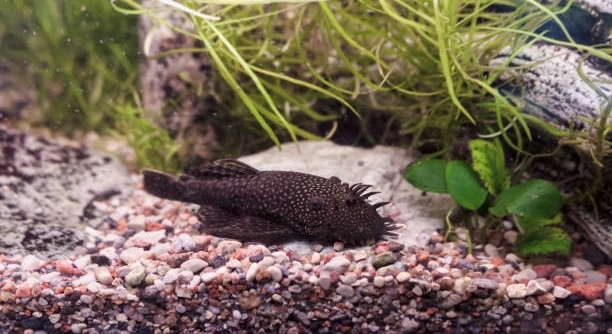
Have you ever noticed your pleco acting differently and wondered if the water temperature might be the reason? Temperature plays a huge role in how your pleco behaves, eats, and stays healthy in your aquarium.
A pleco that is too hot will often breathe rapidly, become restless, and show faded colors, while one that is too cold may move slowly, eat less, and appear lethargic. Maintaining stable water temperature between 74°F and 80°F is essential for their well-being.
Learning to recognize these subtle changes can help you keep your pleco healthy and thriving in the right environment.
Signs Your Pleco Is Too Hot
When the water temperature rises above their comfort range, plecos begin to show clear signs of distress. You might notice them breathing faster, staying close to the surface, or hiding more often than usual. Their colors may fade, and they could stop eating as frequently. Warm water holds less oxygen, which makes it harder for your pleco to breathe, leading to exhaustion and stress. Over time, constant exposure to high temperatures can weaken their immune system, making them prone to illness. Keeping your aquarium well-aerated and using a reliable thermometer can help you maintain stable conditions. It’s also helpful to avoid placing the tank near direct sunlight or heat sources that can cause sudden temperature spikes. A calm, stable environment supports your pleco’s overall health and ensures they stay active and comfortable throughout the day.
If your pleco seems restless or gasping often, it’s a strong sign the tank is too warm.
You can gradually cool the water by performing partial water changes with slightly cooler water or by using an aquarium fan. Always adjust temperatures slowly to prevent shock. Adding more surface agitation through an air stone or filter output helps increase oxygen levels. Monitoring your equipment regularly ensures the water stays within a safe, consistent range.
Signs Your Pleco Is Too Cold
A pleco kept in water below its preferred range may seem sluggish, spending long hours on the tank bottom without much movement or appetite.
Cold water slows down a pleco’s metabolism, making it less active and more vulnerable to digestive problems. You might also notice your fish producing less waste or ignoring food altogether. In very cold conditions, their immune system can weaken, leaving them open to infections and fungal growth. To prevent this, ensure your aquarium heater functions properly and keep the tank away from drafts or windows during colder months. Using a thermometer to track temperature changes can help you react before it becomes harmful. If you suspect your pleco is too cold, raise the temperature slowly by a few degrees each day until it reaches the ideal range. A warm, stable environment will encourage natural behaviors, a healthy appetite, and vibrant coloration, allowing your pleco to thrive comfortably.
Ideal Temperature Range for Plecos
Plecos thrive best in warm, stable water that mimics their natural tropical environment. The ideal temperature range is between 74°F and 80°F, depending on the species. Keeping the temperature consistent within this range helps prevent stress and supports healthy digestion and activity levels.
Maintaining the correct temperature is one of the easiest ways to keep your pleco healthy. Use a reliable aquarium heater and thermometer to avoid sudden changes. Digital thermometers are often more accurate, helping you detect fluctuations early. Some pleco species, such as the bristlenose or zebra pleco, have slightly different needs, so researching your specific type ensures proper care. Avoid frequent water temperature swings caused by water changes or room temperature shifts. A stable environment encourages your pleco to remain active, display bright colors, and eat regularly. Consistency is the key to long-term health and comfort for your fish.
It’s also important to account for seasonal variations, as room temperature can affect your tank’s stability. In warmer months, tanks may heat up more quickly, while in winter, temperatures can drop without a reliable heater. Regularly checking the water temperature, even when it seems fine, helps you catch potential issues early. Plecos handle gradual temperature shifts better than sudden ones, so always make small, careful adjustments when needed.
Tools to Monitor and Control Temperature
Accurate temperature control depends on the quality of your equipment. A dependable heater and thermometer are essential to keeping your aquarium’s environment safe for your pleco. Regularly inspecting both ensures the water remains within a healthy range.
Choose a heater that matches your tank size and is adjustable to precise degrees. Submersible heaters with built-in thermostats provide more consistent results than basic models. Pairing your heater with a digital thermometer allows you to monitor temperature changes at a glance. Consider placing the thermometer on the opposite side of the heater for a balanced reading. If your home experiences frequent temperature fluctuations, an aquarium controller can help maintain stability automatically. Always avoid drastic changes when adjusting water temperature—slow, steady shifts protect your pleco from stress. Keeping these tools maintained and accurate ensures your fish stay comfortable and your aquarium runs smoothly.
Common Temperature Mistakes
One common mistake is allowing sudden temperature changes during water changes. Adding water that’s too hot or too cold can shock your pleco, leading to stress or illness. Always match the new water temperature to the existing tank water before adding it.
Another frequent issue is relying solely on room temperature. Even if your home feels comfortable, aquarium water can cool or heat faster than expected. Without a heater or thermometer, it’s easy for temperatures to drop too low at night or rise too high during the day.
Adjusting Temperature Safely
When adjusting your pleco’s tank temperature, make gradual changes to prevent shock. If the water is too cold, increase the heater by no more than two degrees per hour until it reaches the ideal range. For tanks that are too warm, use partial water changes with cooler water or increase aeration to reduce heat. Always monitor your pleco’s behavior during adjustments—slow movement or erratic swimming can signal discomfort. Taking small steps helps the fish adapt without stress, maintaining their health and normal routine. Consistency and patience are key when managing aquarium temperature changes.
Importance of Stability
Stable water temperature prevents stress, boosts immunity, and supports healthy feeding patterns. Frequent temperature swings can harm your pleco’s metabolism and weaken its natural defenses, making it harder for the fish to recover from even minor changes.
FAQ
How can I tell if my pleco is overheating?
When your pleco is too hot, it may become restless and start moving around the tank more than usual. You might notice faster breathing or gasping near the surface, as warmer water holds less oxygen. Its colors can fade slightly, and it may eat less or hide more often. These changes happen because heat affects their metabolism and oxygen levels. If you see these signs, check your thermometer immediately and lower the temperature slowly. Adding aeration or performing small water changes with cooler water can help restore balance safely.
What happens if my pleco gets too cold?
A pleco exposed to cold temperatures will slow down noticeably. You may see it resting for long periods, showing little interest in food, or staying hidden in one spot. Cold water slows its metabolism, which can lead to digestion issues or loss of energy. Over time, low temperatures can weaken its immune system, making it more likely to catch diseases. If this happens, increase the tank’s temperature gradually until it returns to the proper range. Avoid sudden heat changes, as those can cause additional stress or even shock.
Can plecos adapt to different temperatures?
Plecos can tolerate small temperature changes, but they prefer stability above all. While short fluctuations won’t harm them immediately, frequent or large swings can lead to stress and health problems. Each species has a preferred range, with tropical types needing warmer conditions and some river species handling slightly cooler water. It’s best to research your specific pleco’s needs to know its comfort zone. Even though they seem hardy, plecos thrive when the environment stays consistent. Maintaining stable water temperature ensures better feeding, stronger immunity, and more vibrant colors.
Is a heater necessary for all plecos?
Most plecos need a heater, especially if you live in an area where room temperatures drop below 74°F. Without a heater, the water can cool overnight, causing your fish to become sluggish and unhealthy. A reliable aquarium heater keeps the temperature steady, which is crucial for tropical species. Even if your home feels warm, water temperature tends to fluctuate more quickly than air. Using a heater provides peace of mind and ensures your pleco stays active and comfortable. Always choose a heater suited for your tank size and check it regularly for accuracy.
Can high temperatures harm my pleco permanently?
Yes, prolonged exposure to high temperatures can cause lasting damage. When water stays too warm, oxygen levels drop, and your pleco must work harder to breathe. This stress can weaken its immune system and lead to long-term health issues. Overheating can also cause internal organ strain and shorten its lifespan. If your aquarium frequently overheats due to room conditions or lighting, consider using an aquarium fan or chiller. Always monitor temperatures daily, especially in summer. Keeping the tank stable helps prevent irreversible harm and keeps your pleco thriving for years.
Why does my pleco stay near the surface?
When a pleco stays near the surface, it’s often trying to get more oxygen. This behavior is common when the water is too warm or lacks proper aeration. Warm water reduces oxygen levels, forcing your pleco to seek air-rich areas near the top. It might also indicate that your filter isn’t circulating the water efficiently. Adding an air stone, adjusting your filter’s output, or lowering the temperature slightly can improve oxygen flow. Regular water changes also help maintain good oxygen levels. Once conditions stabilize, your pleco should return to its usual behavior at the bottom.
How often should I check the temperature in my pleco tank?
It’s best to check the temperature at least once or twice a day. Morning and evening checks help you catch fluctuations caused by changes in room temperature. Sudden shifts can happen if sunlight hits the tank directly or if a heater malfunctions. Using a digital thermometer with a clear display makes it easier to track temperature changes. If you notice frequent inconsistencies, double-check your heater’s settings and placement. Consistent monitoring ensures your pleco’s environment stays stable and reduces the risk of stress-related issues.
Can temperature affect my pleco’s eating habits?
Yes, temperature plays a big role in how much and how often your pleco eats. When the water is too cold, their metabolism slows down, leading to a lower appetite and sluggish movement. In contrast, higher temperatures can make them restless and less focused on feeding. The right temperature range encourages regular eating and digestion, keeping them active and healthy. If your pleco suddenly stops eating, check the water temperature before adjusting its diet. Maintaining consistent warmth often restores normal feeding behavior and overall well-being.
Do temperature changes affect breeding behavior in plecos?
They do. Many pleco species rely on temperature cues for breeding. Slightly warmer water can trigger spawning behavior, while colder temperatures may stop it entirely. Breeders often raise the temperature a few degrees to encourage activity. However, drastic changes can stress the fish, so adjustments should always be gradual. Maintaining stable, clean, and well-oxygenated water supports both breeding and fry development. If your pleco pair isn’t breeding, temperature stability and proper conditions are often the key factors to check first.
What should I do if my heater breaks suddenly?
If your heater fails, act quickly but calmly. First, check the temperature and assess whether it’s rising or dropping. For cold water, wrap the tank with towels to hold warmth temporarily and use room heaters if available. For overheating, perform small water changes using slightly cooler water. Avoid drastic adjustments, as they can shock your pleco. Replace or repair the broken heater as soon as possible, and keep a backup on hand for emergencies. Regular maintenance and having a spare heater can prevent future problems and ensure your pleco stays safe.
Final Thoughts
Caring for a pleco may seem simple at first, but maintaining the right temperature is one of the most important parts of keeping them healthy. These fish come from tropical environments where the water stays warm and stable throughout the year. When their tank conditions mimic that balance, they remain active, eat well, and show bright, healthy colors. A sudden temperature change can be stressful, even if it doesn’t seem like a big difference to you. Whether the water becomes too warm or too cold, it can slowly affect your pleco’s overall health, energy levels, and immune system. Watching for changes in behavior, such as reduced movement, rapid breathing, or loss of appetite, helps you spot issues before they become serious. The more you observe and understand your fish, the easier it becomes to keep them comfortable and thriving.
Consistency is the key to success in any aquarium, and temperature is no exception. Using reliable equipment, such as a good-quality heater and a digital thermometer, helps prevent sudden swings that can harm your pleco. Even small variations between day and night can cause stress if they happen often. Regularly checking your equipment ensures that it continues working properly, especially during seasonal changes when room temperatures shift. It also helps to avoid placing your aquarium near windows, vents, or direct sunlight, as these can affect water temperature quickly. When adjusting heat levels, always do it gradually—small changes over time are safer and easier for your pleco to handle. Patience and consistency will always lead to a healthier, more balanced tank environment.
Understanding your pleco’s needs goes beyond simply feeding and cleaning the tank; it’s about creating a space that feels natural and stable. A pleco that lives in the right temperature range will be more active, display stronger colors, and show natural behaviors like exploring or grazing on surfaces. When the water conditions remain steady, your pleco can live for many years, becoming a calm and dependable part of your aquarium. Taking the time to learn about temperature control not only benefits your pleco but also helps maintain a balanced ecosystem for all your fish. In the end, a little attention and care make a big difference. Keeping your pleco at the right temperature is a simple step that ensures a peaceful, healthy, and rewarding experience for both you and your aquatic companion.

Hello,
If you enjoy the content that we create, please consider saying a "Thank You!" by leaving a tip.
Every little bit helps us continue crafting quality advice that supports the health, happiness, and well-being of pets around the world, for pets of all shapes, sizes, and species.
We really appreciate the kindness and support that you show us!