
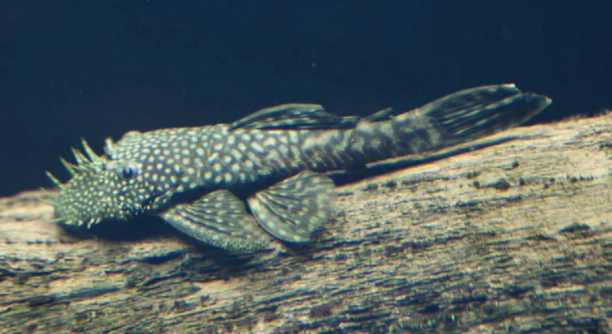
Do you ever find yourself setting up a calm aquarium and wondering how your Bristlenose Plecos will adapt? These peaceful fish have unique habits that can make low-flow environments a consideration for your tank setup.
Bristlenose Plecos can survive in low-flow conditions if their tank provides adequate oxygenation, hiding spots, and proper maintenance. Ensuring clean water and a balanced diet supports their health, allowing them to thrive even without strong currents.
Understanding their specific needs will help you maintain a healthy tank and support your Plecos’ natural behavior effectively.
Understanding Bristlenose Pleco Needs
Bristlenose Plecos are peaceful fish that prefer calm waters with moderate flow. In low-flow tanks, they rely on stable water conditions, hiding spots, and clean surfaces for grazing. Driftwood and smooth rocks provide surfaces for algae growth, which is essential for their diet. These fish also appreciate plants that create shaded areas and help reduce stress. Maintaining the right temperature and pH is crucial, as sudden changes can affect their health. While they do not need strong currents, consistent water movement ensures oxygen distribution, which supports their overall well-being. Proper filtration is important to prevent buildup of waste that can harm them. Observing their behavior helps you notice if they are comfortable or stressed. Low-flow environments can suit them well if you provide enough space, enrichment, and proper feeding. Monitoring water quality and making small adjustments can make a significant difference in their comfort and longevity.
Even in low-flow tanks, Plecos need consistent care and observation to stay healthy.
With careful planning, you can create a low-flow setup that mimics their natural habitat. Driftwood and rocks provide grazing areas, while plants offer shelter and shade. Proper water filtration and gentle circulation maintain oxygen levels. Watching their behavior lets you adjust conditions to ensure they thrive. Feeding algae wafers or fresh vegetables supplements their diet. By balancing these elements, a low-flow aquarium becomes a comfortable environment for Bristlenose Plecos, supporting their growth and natural activity patterns. Consistency is key, and small adjustments can prevent stress and illness.
Water Quality and Flow Considerations
Low-flow tanks require careful monitoring of water parameters.
Maintaining proper oxygenation is essential for Bristlenose Plecos in gentle currents. Even with low flow, water should circulate enough to distribute oxygen and nutrients evenly. Filters should be adjusted to avoid strong currents while preventing debris accumulation. Regular water changes are critical to remove waste, maintain pH stability, and support beneficial bacteria growth. Keeping nitrate and ammonia levels low ensures a healthy environment. Temperature stability also matters, as fluctuations can stress the fish and reduce their immune response. Observing your Plecos for signs of lethargy or unusual behavior helps you identify issues early. Gentle aeration devices or sponge filters can improve oxygen levels without creating strong currents, making the tank more comfortable. Additionally, providing hiding spots near the water’s surface or near driftwood allows them to rest safely. By focusing on these factors, low-flow tanks can be as supportive as more turbulent setups.
Regular testing of water parameters is essential to prevent health issues. Consistent monitoring ensures that Plecos remain active, feed well, and display natural behaviors. Adjusting filtration and aeration can improve conditions without increasing flow, keeping the tank calm and stable. Proper tank maintenance, combined with careful observation, allows Bristlenose Plecos to thrive even in low-flow environments. This approach supports their long-term health while making daily care more manageable.
Feeding and Diet in Low-Flow Tanks
Bristlenose Plecos primarily graze on algae, but they benefit from supplementary foods. In low-flow tanks, algae growth may be slower, so adding algae wafers or fresh vegetables ensures proper nutrition. Variety helps keep them healthy and active.
Providing a balanced diet is essential to support their growth. Vegetables like zucchini, cucumber, and spinach are good options, lightly blanched for easy consumption. Algae wafers supplement their grazing and ensure they get necessary nutrients. Feeding small amounts regularly prevents overfeeding, which can pollute low-flow tanks. Observing their eating habits helps you adjust portions to maintain water quality and avoid leftover food accumulation that could stress the fish.
Offering occasional protein-rich foods like shrimp pellets or bloodworms can help maintain their health. In low-flow tanks, leftover food should be removed promptly, as slow-moving water can allow debris to settle, impacting oxygen levels. Combining grazing opportunities, vegetables, and occasional protein supports their natural behaviors and prevents deficiencies, ensuring a thriving Pleco population.
Habitat Enrichment and Hiding Spots
Bristlenose Plecos need hiding places to feel secure. Driftwood, caves, and plants provide shelter and reduce stress. Proper placement ensures they can rest without being disturbed.
Creating a naturalistic environment encourages natural behaviors. Driftwood serves as both a grazing surface and hiding area, while smooth rocks and ceramic caves give them refuge. Plants not only offer shade but also create vertical and horizontal barriers that simulate their native habitat. In low-flow tanks, hiding spots are especially important because the water movement is insufficient to mask disturbances. Placing structures strategically ensures all areas of the tank are accessible while giving each fish a safe retreat. Watching where your Plecos spend time helps you adjust the arrangement to meet their preferences.
Variety in hiding spots enhances their comfort and reduces aggression. Combining driftwood, rocks, and plants allows multiple Plecos to share the tank without competition. Different textures and sizes encourage exploration and grazing while maintaining a calm environment. Careful attention to spacing and accessibility ensures fish are not trapped or stressed. Regularly checking these areas prevents debris buildup and maintains water quality, supporting both health and natural behaviors.
Maintaining Water Flow
Even in low-flow tanks, gentle circulation is necessary. Sponge filters or air-driven filters provide enough movement without stressing Bristlenose Plecos. Maintaining consistent flow supports oxygen distribution and prevents stagnant areas.
Adjusting filter placement can improve water movement in key areas. Avoid strong currents near hiding spots or feeding areas. Proper flow keeps waste suspended for filtration, ensuring clean water and healthy fish.
Temperature and pH Stability
Bristlenose Plecos thrive in stable water conditions. Temperature should remain between 72–78°F, and pH levels around 6.5–7.5. Sudden changes can stress the fish and affect their immune system. Using a reliable heater and monitoring devices helps maintain consistency.
Monitoring Behavior
Observing your Plecos regularly indicates tank health. Lethargy, reduced grazing, or hiding excessively may signal issues with water quality, diet, or environment. Early detection allows prompt adjustments to maintain comfort and vitality in low-flow conditions.
Cleaning and Maintenance
Regular water changes and debris removal are critical in low-flow tanks. Cleaning surfaces and vacuuming the substrate prevents buildup that could harm Plecos.
FAQ
Can Bristlenose Plecos live in tanks with no water flow at all?
While Bristlenose Plecos can tolerate low flow, completely stagnant water is not suitable. Without any movement, oxygen levels drop quickly, leading to stress and potential suffocation. Even minimal water movement from an air stone, sponge filter, or gentle bubbler helps keep oxygen evenly distributed. Additionally, water circulation prevents the buildup of debris and harmful gases in the substrate. If your tank lacks filtration or air movement, your Plecos may become lethargic or show signs of respiratory distress. Maintaining at least a slight current ensures a stable environment and supports their long-term health.
Do Bristlenose Plecos prefer high or low water flow?
Bristlenose Plecos prefer moderate to low water flow, similar to the calm areas of rivers where they naturally live. High currents can make them expend unnecessary energy, causing stress and reducing feeding activity. In contrast, low flow allows them to rest easily on tank surfaces while still having enough movement for oxygenation. The key is balance — too strong a current pushes them away from preferred areas, while too weak a current leads to poor water circulation. Observing their behavior helps you adjust the flow to their comfort level.
How can I keep oxygen levels high in a low-flow tank?
Oxygenation can be maintained with air stones, sponge filters, or surface agitation from an adjustable filter outlet. Live plants also contribute by producing oxygen during the day. Regular water changes replenish oxygen and remove buildup that affects gas exchange. Even in calm tanks, these steps ensure Bristlenose Plecos breathe comfortably and stay active. It’s best to place the air stone or filter outlet near one side of the tank to create gentle movement without disturbing hiding spots.
Do Bristlenose Plecos produce a lot of waste in low-flow tanks?
Yes, Bristlenose Plecos are known to produce noticeable waste due to their constant grazing and vegetable-based diet. In low-flow tanks, this waste can settle easily, leading to poor water quality if not managed properly. A sponge filter or gentle water circulation helps suspend debris for easier removal. Regular siphoning and partial water changes prevent buildup. Feeding smaller portions and removing leftovers right after feeding time also help maintain balance. Proper maintenance ensures your Plecos stay healthy and the water remains clear.
What type of filtration is best for low-flow tanks?
Sponge filters and canister filters with adjustable outlets are excellent for low-flow tanks. Sponge filters provide gentle movement, oxygenation, and biological filtration without creating strong currents. Canister filters allow precise control over flow strength and direction, letting you target areas prone to debris accumulation. Avoid hang-on-back filters with strong outflows unless they can be diffused with spray bars or sponges. Keeping the filter clean prevents clogs that reduce flow and oxygen levels, maintaining a stable environment for Bristlenose Plecos.
Can Bristlenose Plecos share a low-flow tank with other fish?
Yes, they can live with other peaceful species that tolerate similar water conditions. Avoid aggressive or fast-moving fish that may outcompete them for food or disturb their resting spots. Corydoras, tetras, and guppies are suitable companions. Ensuring plenty of hiding spaces prevents stress and territorial behavior. When properly balanced, a low-flow community tank can support multiple species comfortably.
How often should I clean a low-flow tank with Bristlenose Plecos?
Cleaning frequency depends on tank size, stocking level, and feeding habits. Typically, partial water changes every week or two are ideal. Vacuuming the substrate and wiping surfaces prevent algae and waste buildup. Because flow is minimal, debris tends to settle quickly, requiring consistent maintenance. Checking filter media regularly ensures it remains effective without restricting flow. Maintaining cleanliness not only supports Pleco health but also keeps the entire tank ecosystem stable.
Do Bristlenose Plecos need special care in low-flow setups during breeding?
Yes, breeding Plecos in low-flow tanks requires careful attention to water quality and oxygen levels. Males guard eggs inside caves, and still water can limit oxygen to developing fry. Using gentle aeration near breeding caves helps ensure proper oxygen exchange. After hatching, maintaining stable temperature and cleanliness supports fry growth. Providing soft vegetables and algae-based foods promotes healthy development. Consistent observation during this stage helps prevent problems caused by poor circulation or contamination.
Can low-flow conditions affect algae growth for Plecos to graze on?
Low-flow tanks may experience slower algae growth because water movement aids nutrient distribution. While some algae will still develop, it might not be enough to sustain Plecos alone. Supplementing their diet with algae wafers and vegetables compensates for reduced natural growth. Maintaining moderate light exposure encourages healthy algae without overgrowth. Regular feeding ensures your Plecos get the nutrition they need even in calm waters.
What signs indicate my Pleco is unhappy in low-flow conditions?
Watch for reduced activity, clamped fins, loss of appetite, or frequent surfacing. These behaviors often point to low oxygen or poor water quality. Testing parameters and adjusting flow, aeration, or feeding routines can quickly resolve issues. When the tank is balanced, Bristlenose Plecos remain active, graze frequently, and rest calmly on driftwood or plants.
Final Thoughts
Creating a healthy environment for Bristlenose Plecos in low-flow tanks is entirely possible with the right care and attention. These peaceful fish can thrive when their basic needs are met, even without strong water currents. The key is to maintain water quality, provide enough oxygenation, and keep their surroundings clean. Consistent care goes a long way in keeping them active and healthy. They are adaptable creatures, but they rely on stable conditions to feel comfortable. A calm tank environment helps them display natural behaviors like grazing, exploring, and resting. When provided with suitable conditions, Bristlenose Plecos remain resilient and can live long, healthy lives in both community and single-species setups.
A low-flow tank setup offers several benefits, especially for aquarists who prefer quieter and calmer environments. Gentle water movement not only reduces stress for Plecos but also allows other slow-moving fish to live comfortably. However, this type of setup requires more frequent observation to ensure everything stays balanced. Water changes, filter maintenance, and oxygenation play major roles in preventing problems that can arise from still water. Plecos are efficient algae eaters, but their waste output is high, so keeping debris under control is important. Providing them with hiding spots, smooth surfaces, and a balanced diet enhances their health and natural activity. Taking time to observe their habits helps you make small adjustments that improve their quality of life.
Maintaining a successful low-flow aquarium with Bristlenose Plecos is about consistency and understanding their needs. Paying attention to temperature stability, filtration, and tank layout makes a noticeable difference. Simple actions such as adjusting the filter output, positioning driftwood strategically, or offering fresh vegetables can create a thriving environment. Avoiding sudden changes in water conditions helps them stay stress-free and active. Each Pleco may behave differently depending on the tank setup, so patience and regular care are key. The calm atmosphere of a low-flow tank can highlight the beauty of these unique fish as they move gracefully across the surfaces, keeping them clean and lively. With thoughtful management and attention to detail, Bristlenose Plecos can live comfortably in low-flow tanks, bringing a peaceful and balanced charm to your aquarium.

Hello,
If you enjoy the content that we create, please consider saying a "Thank You!" by leaving a tip.
Every little bit helps us continue crafting quality advice that supports the health, happiness, and well-being of pets around the world, for pets of all shapes, sizes, and species.
We really appreciate the kindness and support that you show us!