
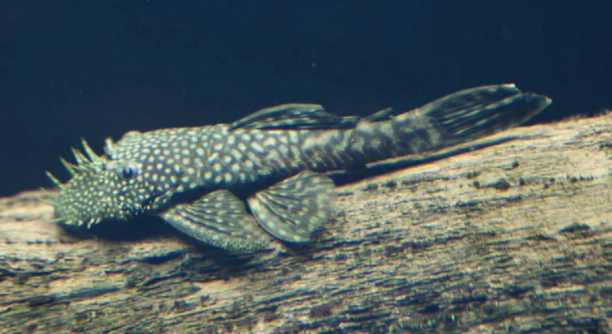
Bristlenose plecos are a popular choice for home aquariums due to their peaceful nature and algae-eating habits. Many aquarists enjoy observing their behaviors, especially when these fish begin preparing for breeding. Understanding their triggers helps in creating the ideal environment.
Several key factors can stimulate bristlenose plecos to breed. These include stable water parameters, suitable hiding spots such as caves, a consistent feeding schedule with protein-rich foods, maintaining appropriate temperature and pH levels, and mimicking seasonal rainfall changes within the aquarium.
Knowing these breeding triggers allows hobbyists to create conditions that support natural reproduction. Implementing these steps can improve the chances of healthy offspring in a controlled environment.
Water Quality and Parameters
Maintaining stable water quality is essential for bristlenose plecos to feel comfortable enough to breed. These fish thrive in clean, well-oxygenated water with consistent temperature and pH levels. Frequent water changes help reduce nitrate buildup, which can stress the fish and prevent spawning. Temperature should ideally stay between 75°F and 80°F, and pH should remain slightly acidic to neutral, around 6.5 to 7.5. Monitoring these parameters regularly ensures the environment remains stable, reducing stress and encouraging natural behaviors. Filtration is also important, as gentle water flow mimics their natural habitat. Avoid harsh chemicals, and ensure the tank is cycled before introducing plecos. A stable environment allows both males and females to display their breeding behaviors without interruption. Sudden changes in water chemistry or temperature can halt spawning entirely, so patience and consistency are crucial for successful breeding.
Regular testing and monitoring make it easier to maintain ideal conditions for breeding success.
Observing the water parameters carefully can prevent issues and keep your plecos ready to spawn.
Feeding and Nutrition
A balanced, protein-rich diet directly impacts breeding readiness. Offering foods like bloodworms, brine shrimp, and high-quality sinking pellets stimulates reproductive behavior and supports egg development. Feeding smaller portions multiple times per day mimics natural foraging, keeping the fish healthy and energetic. Vegetables such as zucchini, cucumber, or spinach should also be provided to maintain digestive health. Overfeeding can pollute the tank, so careful portion control is important. Providing a variety of food ensures both male and female plecos receive adequate nutrition, improving the likelihood of successful spawning. Seasonal changes in feeding can also mimic natural cycles, signaling to the fish that it’s time to breed. Maintaining a clean feeding routine and removing uneaten food reduces stress and keeps water conditions optimal, further encouraging breeding behaviors. Observing their response to different foods can help you fine-tune a diet that promotes consistent spawning. Nutrition and routine play a pivotal role in supporting reproduction in bristlenose plecos.
Hiding Spots and Caves
Providing suitable hiding spots is essential for breeding. Male bristlenose plecos prefer caves to guard eggs, and females need secure areas to feel comfortable laying them. Driftwood, clay pots, or aquarium-specific caves work well for this purpose.
Hiding spots help reduce stress and create a sense of security. Males use caves to attract females and to protect the eggs once laid. Properly sized entrances allow the fish to move in and out easily while keeping eggs safe from other tank inhabitants. Arranging multiple caves in the tank gives fish options and reduces territorial conflicts. Darker interiors mimic natural conditions, encouraging breeding behaviors and egg-laying inside the shelter. Regular cleaning ensures the caves remain free of algae or debris that could affect water quality or harm the eggs.
Placement of hiding spots is important. Caves should be positioned in quieter areas with gentle water flow. Avoid placing them near strong currents or frequent activity, as this can stress the fish. Multiple options prevent fights and allow both males and females to feel secure. Observing the plecos’ preferences can help determine the best location for caves and hiding structures. Over time, the fish will consistently use these areas for breeding, demonstrating the effectiveness of providing proper shelter in the tank environment.
Temperature and Seasonal Changes
Temperature stability plays a major role in triggering spawning. A steady range between 75°F and 80°F encourages activity and breeding behaviors in both males and females.
Mimicking seasonal changes can further stimulate reproduction. Slight adjustments in water temperature, along with increased feeding, can simulate rainfall patterns that signal the breeding season. Gradual changes are more effective than sudden shifts, which may stress the fish and reduce spawning chances. Observing the fish during these adjustments can help determine their comfort level and readiness to breed.
Seasonal temperature fluctuations paired with water changes create a natural rhythm for plecos. By slightly lowering temperatures for a short period and then gradually increasing them, you can encourage courtship and egg-laying. Combining this with regular feeding of protein-rich foods and providing secure caves increases the likelihood of successful spawning. Monitoring both males and females during this period ensures they remain healthy and reduces stress. Creating a consistent, seasonally influenced environment supports natural breeding cycles and can lead to repeated spawning events over time.
Water Flow and Filtration
Gentle water flow is important for bristlenose plecos. Too strong a current can stress them, while a steady, moderate flow mimics natural river conditions. Proper filtration keeps water clean without creating turbulence.
Placing filters or powerheads strategically helps maintain oxygenation and circulation. Avoid directing strong currents toward caves, allowing the fish to feel secure while breeding.
Lighting Conditions
Bristlenose plecos prefer dim lighting when spawning. Bright lights can make them shy away from caves and reduce breeding activity.
Adjusting light cycles to mimic natural day and night patterns encourages normal behaviors. Shorter periods of light combined with shaded areas provide the right environment for both males and females to feel comfortable and ready to breed.
Tank Mates
Compatibility with tank mates matters for breeding success. Aggressive or overly active fish can stress plecos and disrupt egg-laying.
Keeping the tank peaceful ensures the male can guard the eggs and the female can enter caves safely. Avoid large or territorial species that may harass or harm the plecos during this critical period.
FAQ
How can I tell if my bristlenose pleco is ready to breed?
Signs of breeding readiness include males developing longer bristles on their snouts, increased territorial behavior around caves, and frequent cleaning of potential egg-laying sites. Females may appear rounder, especially near the abdomen, indicating developing eggs. Observing these behaviors closely gives clear indications of spawning preparation.
How many eggs does a bristlenose pleco usually lay?
A typical clutch contains between 20 and 60 eggs, depending on the female’s size and health. Larger, well-nourished females generally produce more eggs. The male guards and fans the eggs, ensuring proper oxygenation until they hatch. Survival rates improve with clean water and minimal disturbances.
How long do the eggs take to hatch?
Bristlenose pleco eggs usually hatch within 4 to 10 days, depending on temperature and water conditions. Slightly warmer water can accelerate development, while cooler temperatures slow it down. During this period, the male continues guarding and fanning the eggs to maintain proper oxygen levels.
Should I remove other fish from the tank during spawning?
Yes, keeping aggressive or curious tank mates away increases survival rates. Other fish may eat eggs or harass the male, disrupting the breeding process. Peaceful community species can remain if they do not disturb caves or interfere with egg care.
What should I feed plecos during breeding?
High-protein foods like bloodworms, brine shrimp, and sinking pellets help condition both males and females. Fresh vegetables such as zucchini or cucumber maintain digestive health. Feeding small portions multiple times daily ensures consistent nutrition without polluting the water. Proper diet supports reproductive health and egg development.
How do I care for fry after hatching?
Once fry hatch, they absorb their yolk sacs for a few days. Afterward, provide finely crushed algae wafers, blanched vegetables, or specially formulated fry food. Maintain clean water with gentle filtration. Frequent, small feedings help the fry grow while minimizing water quality issues.
Do I need to separate males and females after spawning?
Separation is not necessary if the male can guard the eggs successfully. However, if aggression occurs or if the female repeatedly disturbs the cave, temporary separation may be helpful. Observing interactions ensures both adult fish and eggs remain safe.
How often do bristlenose plecos breed?
Under ideal conditions, plecos can spawn every few weeks to months. Stability in water parameters, consistent feeding, and adequate hiding spots encourage repeated breeding cycles. Males can become highly protective of multiple clutches over time, so monitoring their behavior is important.
Can environmental changes trigger breeding naturally?
Yes, mimicking seasonal rainfall, adjusting temperature slightly, and increasing feeding can stimulate natural spawning behaviors. Gradual changes are more effective than sudden shifts, as they reduce stress while signaling to the plecos that it’s time to reproduce.
What is the best way to ensure high fry survival?
Maintain clean, stable water, provide secure caves, and avoid disturbances. Remove or separate aggressive tank mates if necessary. Feeding the fry properly and monitoring water parameters daily improves chances of healthy growth and reduces risks of fungal infections or predation.
Are there signs the eggs are not viable?
Unfertilized eggs often turn white and may develop fungus. The male typically removes spoiled eggs, but manual removal can prevent contamination of healthy eggs. Keeping water clean and observing the eggs daily helps detect and address issues promptly.
How can I encourage multiple breeding events?
Consistency in water quality, temperature, and diet encourages repeated spawning. Offering several caves and maintaining a calm environment reduces stress. Gradual changes that mimic natural seasons, combined with proper nutrition, can result in multiple successful breeding events throughout the year.
What is the ideal tank size for breeding plecos?
A tank of at least 30 gallons is recommended for one breeding pair, providing enough space, caves, and hiding spots. Larger tanks allow for multiple pairs and reduce territorial conflicts, ensuring each pleco has space to breed comfortably. Proper filtration and maintenance remain critical in all tank sizes.
How long should the male guard the eggs?
Males usually guard eggs until they hatch, which is typically 4 to 10 days. During this time, they fan the eggs to provide oxygen and remove debris. After hatching, the male may continue guarding the fry for a few additional days, depending on tank conditions and the presence of other fish.
Can breeding affect adult pleco health?
Proper nutrition, stable water conditions, and minimal stress prevent health issues. Overbreeding or poor tank conditions can weaken adults, reduce egg quality, and increase susceptibility to disease. Maintaining a balanced environment ensures both the breeding pair and fry remain healthy and active.
Final Thoughts
Bristlenose plecos are fascinating fish that can bring both beauty and activity to a home aquarium. Observing them prepare for breeding, guard eggs, and care for their fry is rewarding. These fish are naturally resilient, but they thrive best under consistent conditions that mirror their natural environment. Attention to water quality, temperature, and pH creates a stable habitat that encourages normal behaviors and reduces stress. Proper filtration and gentle water flow ensure oxygen levels remain high, which is crucial for both adults and developing eggs. By understanding their basic needs and monitoring the tank closely, it is possible to create an environment where breeding occurs naturally and successfully. The small details, like caves, dim lighting, and well-placed hiding spots, play a large role in supporting reproduction. Providing these elements gives the fish a sense of security, which is essential for spawning. It is important to remember that patience is key, as plecos do not always breed immediately, and consistent care over time will produce the best results.
Nutrition is another critical factor in supporting bristlenose pleco breeding. A balanced diet that combines protein-rich foods with vegetables ensures both males and females remain healthy and ready to reproduce. Protein sources such as bloodworms, brine shrimp, or high-quality sinking pellets provide the energy necessary for courtship and egg production. Vegetables like zucchini, cucumber, and spinach support digestion and overall health. Feeding small portions multiple times a day prevents overfeeding and maintains water quality, which directly affects breeding success. Seasonal adjustments in feeding, such as slightly increasing protein before and during the breeding period, can help simulate natural environmental cues. Observing how the fish respond to changes in diet and monitoring their physical condition provides insight into their readiness to spawn. Both nutrition and consistent feeding schedules play a pivotal role in maintaining the vitality of the breeding pair, ensuring that eggs and fry develop properly in a stable, clean environment.
Breeding bristlenose plecos requires a careful combination of environmental management, proper nutrition, and attention to natural behaviors. Successful reproduction is achieved through consistency and observation, providing conditions that reduce stress and encourage natural instincts. Water parameters, caves, hiding spots, gentle flow, and dim lighting all contribute to creating a suitable environment. Seasonal changes, gradual temperature adjustments, and regular feeding schedules can simulate natural triggers for breeding. Observing the fish closely allows for adjustments and ensures the pair remains healthy and comfortable. By focusing on these factors, it is possible to achieve multiple successful breeding cycles over time. Caring for the fry once they hatch also plays a role in long-term success, as proper feeding and clean water promote growth and survival. With dedication and attention to detail, keeping bristlenose plecos not only enhances the aquarium but also allows for rewarding breeding experiences that showcase the fascinating behavior of these unique fish.

Hello,
If you enjoy the content that we create, please consider saying a "Thank You!" by leaving a tip.
Every little bit helps us continue crafting quality advice that supports the health, happiness, and well-being of pets around the world, for pets of all shapes, sizes, and species.
We really appreciate the kindness and support that you show us!