
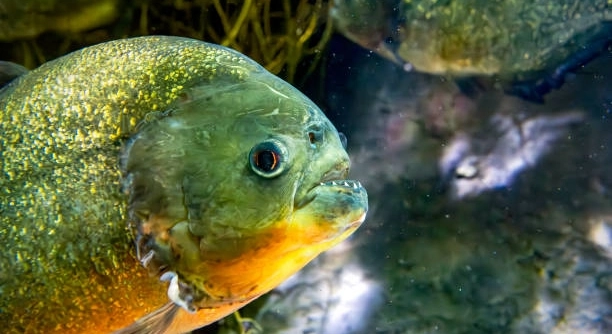
Is your piranha acting differently lately, maybe hiding more or eating less? Changes in behavior can mean something is wrong. Understanding what these signs might mean can help you take better care of your fish.
The most reliable way to tell if your piranha is in pain is by observing changes in behavior, such as loss of appetite, erratic swimming, or sudden aggression. These behavioral cues often signal discomfort, injury, or underlying illness.
Small changes can reveal a lot about what your piranha might be going through, and noticing them early can make a big difference.
Common Signs Your Piranha Might Be in Pain
A piranha in pain will often show subtle changes that may seem small at first. One of the most noticeable signs is a shift in appetite. If your piranha is normally eager during feeding time but suddenly ignores food or only nibbles, this could be a warning sign. Changes in movement are also important to watch. Piranhas in pain may swim unevenly, stay near the bottom of the tank, or isolate themselves more than usual. Their colors might appear duller, and they could show signs of rapid gill movement, which suggests stress. Keep an eye out for rubbing against objects, which can signal irritation. These behaviors do not always point to a major health issue, but they are worth noting. The earlier you notice them, the better you can respond. Observing your piranha daily can help you learn what is normal and what is not.
Even small shifts in behavior can give you valuable clues about your piranha’s condition.
By learning what signs to look for, you can help reduce your piranha’s stress and take action before things get worse. Regular observation and knowing your piranha’s normal habits are key to spotting problems early.
What Could Be Causing the Pain
Tank conditions that are even slightly off can quickly cause discomfort for your piranha.
Pain in piranhas is often linked to stress from poor water quality, overcrowding, or injury. Ammonia or nitrate buildup in the tank can irritate the gills and cause breathing problems. Sudden changes in temperature may weaken their immune system, making them more likely to get sick. Sharp decorations or rough substrate can injure their fins or body, which may lead to infection if not treated. Another cause could be a fight with another fish, especially if you keep more than one piranha in the same tank. Look for missing scales or torn fins, which are signs of physical harm. Parasites and internal infections are also possible and can be harder to spot until the fish becomes lethargic or starts swimming in circles. Pain is not always visible, but when you combine your observations with steady tank maintenance and a good diet, you improve your piranha’s chance of staying healthy.
How to Respond If You Think Your Piranha Is in Pain
Start by checking the water quality. Test for ammonia, nitrites, nitrates, and pH. If anything is off, perform a partial water change. Keep the tank quiet and reduce stress by dimming lights or removing aggressive tank mates if needed.
After stabilizing the water, take time to observe your piranha’s behavior again. Look for any physical signs such as swelling, injuries, or discoloration. If these symptoms are present, you may need to separate the fish into a smaller hospital tank. This setup should be clean and easy to monitor. Avoid using medication unless you are sure of the problem, since the wrong treatment can cause more harm. Instead, focus on providing calm, clean conditions to allow your piranha to recover naturally. If the behavior doesn’t improve after a few days, consult a veterinarian who has experience with fish. They can recommend tests or treatments based on what they observe.
Sometimes, pain can come from infection or parasites. If you notice stringy poop, bloating, or white patches on the skin, those are signs of something more serious. In these cases, you may need to treat with antibiotics or antiparasitic medication. Look for treatments that are safe for piranhas and follow the dosage carefully. Never use multiple medications at once unless directed. Too much stress from incorrect treatment can make things worse. If you’re unsure, taking a short video of your fish’s behavior can help when reaching out to a vet or a fish care expert. Keeping a calm tank and acting early makes a big difference. Your piranha depends on you to notice these changes.
Preventing Future Problems
Keep the water clean by testing it weekly and doing regular partial water changes. Use a good filter, avoid overfeeding, and clean any waste or leftover food to reduce harmful buildup that can affect your piranha’s health.
Avoid overcrowding the tank. Give your piranha enough space to swim freely without bumping into decorations or other fish. Less stress means better health and fewer chances of injury or illness.
When to Contact a Vet
If your piranha shows no improvement after a few days of care, or symptoms get worse, it’s time to involve a vet. Signs like gasping at the surface, swollen areas, or constant isolation should not be ignored. A vet can diagnose hidden issues like internal infections or parasites.
Final Check-In
Make it a habit to observe your piranha daily. Quick action and basic care can go a long way in keeping your fish healthy and pain-free.
FAQ
How can I tell the difference between normal behavior and signs of pain in my piranha?
Piranhas can be shy or calm, but pain usually brings a clear change in behavior. Watch for things like staying in one corner for long periods, refusing food, or swimming oddly. If your piranha used to move quickly and eat well but now hides all the time or looks disoriented, that’s not normal. Changes in body color or signs of stress like fast gill movement also stand out. Knowing your fish’s usual habits helps you notice these things quickly. Keep a log if needed. That way, even small changes will be easier to track and understand.
Can poor water quality cause pain or illness in my piranha?
Yes, it can. Even slight shifts in water chemistry can lead to stress and pain. High ammonia or nitrate levels are toxic and can damage gills or cause burning sensations. If the temperature is too low or high, it can weaken your fish’s immune system. Dirty water also encourages bacteria, which can lead to infections. Clean, filtered water is the best way to avoid this. Check levels weekly using a test kit. Keep the temperature stable, and never skip water changes. Preventing pain starts with good tank maintenance and consistency in care.
What should I do if my piranha has visible injuries?
If you see cuts, missing scales, or torn fins, it’s best to move your piranha to a separate tank where it can rest safely. Keep the water extra clean and avoid handling it more than needed. Do not add medications unless you’re sure of the type of injury or infection. Salt baths can help in some cases, but always research before using any treatment. Observe daily to track healing. If wounds worsen or your fish acts more stressed, reach out to a vet. Clean water and low stress are the most important steps in the first few days.
Are medications safe for piranhas?
Some are, but not all. Over-the-counter treatments for fish need to be used carefully with piranhas. They are sensitive to certain chemicals, and too much can harm them. Always check the label for species warnings. Use only one medication at a time unless directed by a professional. Never mix treatments on your own. Start with the lowest safe dose and monitor how your piranha responds. If you’re unsure, talk to a vet or aquarium specialist before starting anything. Safe use depends on your piranha’s weight, the type of illness, and the tank conditions.
Do piranhas show pain the same way other fish do?
Not exactly. Piranhas are more private and may not show pain clearly at first. While some fish may thrash or float near the top, piranhas tend to become still and withdrawn. You may also see subtle signs, like color loss or a shift in how they breathe. Some might get aggressive toward tank mates, while others become overly passive. Knowing what’s normal for your fish helps a lot in picking up on pain early. They won’t “cry out,” but they’ll show discomfort in their body language and behavior.
How often should I check on my piranha’s health?
Daily is best. Just a quick look in the morning and evening can help you catch problems early. Check if they’re swimming normally, eating well, and responding to movement. Test the water weekly, and clean the tank regularly. These small steps make a big difference. Write down anything that seems off. This habit helps you spot patterns that may signal stress or pain. Even if nothing seems wrong, keeping a close eye helps your piranha feel safe and stay healthy in the long run.
What tank setup helps reduce the chance of pain?
Give your piranha space to move, hide, and explore without bumping into sharp decorations or aggressive tank mates. Avoid plastic plants or rough rocks. Use soft lighting, keep noise low around the tank, and maintain stable water conditions. Strong filtration, proper heating, and a smooth feeding schedule reduce stress. A calm, clean, and roomy environment keeps your piranha from becoming sick or injured. Small things like rounded tank corners and slow water flow can also make a big difference in comfort and safety.
Can piranhas recover from pain or injury on their own?
Sometimes, yes. If the injury is small and conditions are right, your piranha may recover without any medical help. Clean water, low stress, and time are often enough. But if symptoms get worse, or if there are signs of infection, such as swelling or white patches, they may need help. Healing takes longer in poor conditions, so the sooner you act, the better. Watch them closely, keep them calm, and offer a high-quality diet. Natural recovery is possible, but not always enough without proper care.
Final Thoughts
Caring for a piranha means more than just feeding it and watching it swim. Like any animal, piranhas can feel discomfort and pain, even if they do not show it in obvious ways. Learning to notice small changes in their behavior, appearance, or habits is an important part of responsible care. A piranha that stops eating, hides more than usual, or swims differently might not just be acting strange—it could be trying to show that something is wrong. Taking these signs seriously and acting quickly can help you prevent larger problems from developing. Just a few minutes each day spent observing your fish can help you stay ahead of any health issues.
Keeping your piranha’s tank clean, safe, and calm is one of the best ways to avoid pain and stress. Regularly testing the water, doing partial water changes, and avoiding sharp objects or overcrowding all contribute to your fish’s comfort. If you have more than one piranha, give them enough space to reduce the risk of fighting and injury. Stick to a regular feeding schedule and offer a balanced diet. These simple habits can make a big difference in your piranha’s overall well-being. And if you ever notice something unusual that you can’t explain, don’t wait too long. Reaching out to a vet or aquarium expert could give you the guidance you need to make the right choice for your fish.
Being a good fish keeper means staying alert, calm, and willing to learn. Piranhas might not ask for help in a way people are used to, but they do give signals when something is off. The more time you spend with your fish, the better you’ll understand what is normal and what isn’t. Each fish is a little different, and knowing your piranha’s habits helps you take better care of it. Responding early to signs of pain or illness can improve recovery and help your piranha feel safe again. With patience, observation, and steady care, your piranha can stay healthy and active for years to come. Taking these steps shows respect for the animal and helps ensure it lives a full, comfortable life in your care.

Hello,
If you enjoy the content that we create, please consider saying a "Thank You!" by leaving a tip.
Every little bit helps us continue crafting quality advice that supports the health, happiness, and well-being of pets around the world, for pets of all shapes, sizes, and species.
We really appreciate the kindness and support that you show us!