
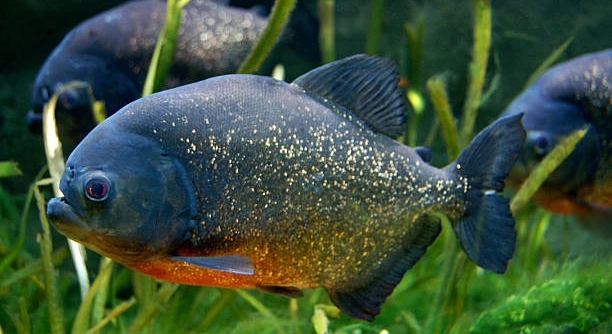
Keeping a piranha tank healthy and visually appealing takes regular care. Over time, tanks may show signs that they no longer meet the needs of the fish or the space. Recognizing these signs early helps maintain a safe and attractive environment.
A piranha tank needs a redesign when it shows overcrowding, poor filtration, inadequate hiding spots, damaged decorations, unbalanced water conditions, visible algae buildup, or if the tank size no longer fits the fish properly. These factors impact fish health and tank aesthetics.
Identifying these problems early helps protect your fish and keeps the tank enjoyable to watch. Knowing what to look for can make all the difference in maintaining a thriving aquarium.
Overcrowding and Its Effects
Overcrowding in a piranha tank can cause serious problems. When too many fish share limited space, they compete for food and oxygen. This leads to stress, which weakens their immune systems and makes them prone to illness. Overcrowding also increases waste production, causing water quality to decline quickly. The tank’s filtration system may struggle to keep up, leading to toxic ammonia and nitrate buildup. Additionally, piranhas may become more aggressive when crowded, resulting in injuries. Proper tank size and fish number balance are essential to prevent these issues. Redesigning the tank to reduce crowding helps create a healthier environment for the piranhas to thrive.
Reducing fish numbers or moving to a larger tank improves fish health and behavior. Space is key for piranha well-being.
Proper space gives each piranha room to swim and establish territory. This reduces stress and aggression. It also helps maintain better water quality by spreading waste over a larger volume of water. When redesigning, consider the adult size of your fish. Juveniles may seem small, but they grow quickly and need more room. Including enough hiding places can also ease tension among tank mates. A spacious, well-planned tank design supports healthier fish and a more enjoyable viewing experience.
Filtration and Water Quality
A tank with poor filtration can quickly become unhealthy for piranhas.
Filtration removes harmful waste and maintains water clarity, which is vital for fish health. A weak or clogged filter fails to clean the water efficiently. This causes a buildup of toxins that stress the fish and can lead to illness. Inadequate filtration also causes cloudy water and unpleasant odors. When redesigning, upgrading the filter or adding additional filtration methods ensures cleaner water. Good water quality supports the natural behavior and longevity of piranhas.
When a tank’s filtration system is not sufficient for its size or fish load, the water deteriorates fast. Piranhas produce significant waste, so the filter must handle this load. Choosing a filter rated above your tank’s volume can prevent problems. Regular maintenance, like cleaning or replacing filter media, is equally important. Besides mechanical filtration, biological filtration helps break down toxic ammonia into less harmful substances. Including plants or specialized bacteria in the redesign can enhance this natural process. Overall, investing in a reliable filtration system reduces stress and keeps the tank environment stable for your piranhas.
Inadequate Hiding Spots
Piranhas need hiding places to feel secure and reduce stress. A tank lacking sufficient cover can make fish feel exposed and anxious.
Adding caves, plants, and decorations provides safe spots for piranhas to retreat. These areas help reduce aggression by giving fish space to escape conflicts. Natural or artificial plants work well to create shaded areas and break line of sight between aggressive fish. Including varied hiding places improves overall tank harmony and makes your piranhas feel more comfortable. When redesigning, focus on creating enough cover without overcrowding the tank.
Proper hiding spots also encourage natural behavior. Piranhas often rest or watch their surroundings from sheltered areas. This can reduce constant movement and stress, leading to healthier fish. When your tank lacks these spots, piranhas may become more defensive or stressed. Using driftwood, rock formations, or dense plant clusters can simulate their natural habitat. This balance between open swimming space and secure hiding places is important when redesigning to meet your piranhas’ needs.
Visible Algae Buildup
Excessive algae growth is a common sign your tank needs attention.
Algae thrives in tanks with too much light, excess nutrients, or poor maintenance. This buildup can make the tank look dirty and affect water quality. Algae can reduce oxygen levels at night, stressing your piranhas. Removing algae and controlling its growth is necessary to keep the tank healthy.
Managing algae starts with reducing light exposure and avoiding overfeeding, which increases nutrient levels. Regular cleaning of the tank glass, decorations, and substrate helps control algae. Introducing algae-eating species or plants can also compete with algae for nutrients, limiting its growth. When redesigning, consider lighting schedules and filtration upgrades to maintain balance. Proper algae control keeps your tank clear and your piranhas comfortable.
Damaged Decorations
Damaged decorations can create sharp edges that might hurt your piranhas. Broken items also collect dirt and waste more easily.
Replacing or repairing decorations keeps the tank safe and clean. Smooth, intact decorations support healthy fish and improve tank appearance.
Unbalanced Water Conditions
Maintaining stable water parameters is critical for piranha health. Sudden changes in pH, temperature, or hardness can stress fish and cause illness. Monitoring water regularly helps catch imbalances early. When redesigning, investing in quality testing kits and equipment, like heaters or chillers, supports a stable environment. Adjusting water conditions gradually prevents shock and keeps piranhas thriving.
Tank Size Too Small
A tank that’s too small restricts piranha movement and growth. It also increases waste concentration, harming water quality.
FAQ
How do I know if my piranha tank is overcrowded?
Overcrowding shows when fish have little space to swim or display aggressive behavior frequently. If you notice your piranhas chasing or biting each other often, or if the tank looks cramped, these are signs. A good rule is to allow at least 20 gallons per adult piranha to ensure enough room and reduce stress.
What is the best way to improve filtration in my tank?
Upgrading to a filter rated for a larger tank is key. Also, combine mechanical, chemical, and biological filtration for best results. Regular cleaning of filter media helps maintain efficiency. Adding extra filtration units or using power filters can improve water turnover and clarity, keeping conditions healthy for your fish.
How often should I clean my piranha tank?
Partial water changes of 20-30% should be done weekly or biweekly, depending on tank size and stocking levels. Clean the substrate and decorations gently to avoid disturbing beneficial bacteria. Avoid deep cleanings too often, as this can upset the biological balance and harm your piranhas.
What kind of decorations work best for hiding spots?
Use smooth rocks, caves, driftwood, and sturdy artificial or live plants. Avoid sharp edges that can injure fish. Creating multiple hiding areas helps reduce aggression and stress. Make sure the hiding spots do not overcrowd the swimming area.
How do I control algae growth in my piranha tank?
Limit light exposure to about 8-10 hours daily and avoid overfeeding. Regularly clean tank surfaces and remove excess algae manually. Including live plants or algae-eating creatures, like certain snails or shrimp, can help balance nutrient levels. Good filtration and regular water changes also keep algae under control.
What water parameters are ideal for piranhas?
Maintain a temperature between 74-82°F (23-28°C), pH around 6.5-7.5, and moderate hardness. Regular testing is important to catch changes early. Avoid sudden shifts in temperature or pH, which can stress or harm your fish.
How large should my tank be for adult piranhas?
Each adult piranha needs at least 20 gallons of water. For a group, size up accordingly. A 55-gallon tank can comfortably house about three adult piranhas. Larger tanks offer better water stability and more space for natural behavior.
Can I use live plants in a piranha tank?
Yes, but choose hardy plants that tolerate the fish’s activity and water conditions. Java fern, Anubias, and Amazon swords are good options. Live plants improve water quality and provide natural hiding spots, helping reduce stress.
What signs show my piranhas are stressed?
Signs include erratic swimming, hiding more than usual, loss of appetite, or visible injuries. Stress can be caused by poor water quality, overcrowding, lack of hiding spots, or sudden environmental changes. Addressing these factors quickly helps prevent illness.
How often should I test my tank water?
Test water parameters at least once a week, especially pH, ammonia, nitrite, and nitrate levels. Frequent testing ensures any problems are detected early. Keeping a record helps track changes over time and manage your tank better.
Final Thoughts
Taking care of a piranha tank requires attention to many details. From the size of the tank to the water quality, every aspect affects the health and happiness of your fish. It is important to notice the signs that your tank may need a redesign early. These signs include overcrowding, poor filtration, and damaged decorations. Fixing these problems helps create a safer and more comfortable environment for your piranhas. Redesigning your tank can also improve its appearance, making it more enjoyable to watch.
A well-maintained tank supports the natural behavior of piranhas. They need enough space to swim and proper hiding spots to feel secure. If these needs are not met, the fish may become stressed or aggressive. Stress can make piranhas more prone to illness and reduce their lifespan. Keeping the water clean and balanced also plays a big role in their health. Regular testing and proper filtration keep the water safe and clear. When you redesign your tank, focus on creating a stable and healthy environment that meets these basic needs.
It is natural to feel overwhelmed by the care requirements of a piranha tank, but small improvements can make a big difference. Start by observing your tank regularly and addressing any problems you see. Changes such as upgrading the filtration system, adding hiding spots, or reducing overcrowding can greatly improve your fish’s well-being. Taking these steps shows your commitment to providing the best home for your piranhas. Over time, a thoughtful redesign will result in a tank that is both beautiful and healthy, giving your fish the best chance to thrive.

Hello,
If you enjoy the content that we create, please consider saying a "Thank You!" by leaving a tip.
Every little bit helps us continue crafting quality advice that supports the health, happiness, and well-being of pets around the world, for pets of all shapes, sizes, and species.
We really appreciate the kindness and support that you show us!