
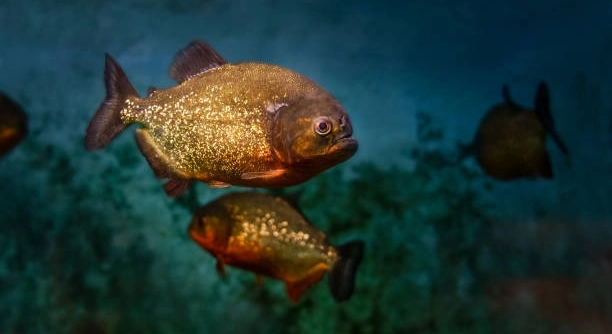
Piranhas are often known for their sharp teeth and strong bite. They usually eat quickly and with great intensity. However, there are certain situations where these fish temporarily stop feeding, showing different behaviors.
Several factors can cause piranhas to stop eating temporarily. These include changes in water temperature, lack of food availability, presence of predators, spawning season, poor water quality, illness, and human disturbances. Each factor influences their feeding habits in unique ways.
Knowing these stopping points helps us better understand piranha behavior. It also sheds light on how they interact with their environment and other creatures around them.
Changes in Water Temperature
Piranhas are very sensitive to water temperature. When the water gets too cold or suddenly changes, their metabolism slows down. This means they eat less or stop eating altogether. In colder water, piranhas conserve energy and focus more on survival than feeding. Warm water generally encourages more activity and feeding. Sudden shifts in temperature, like during rainy seasons or droughts, make piranhas less interested in food. This change can last for hours or even days until the water temperature stabilizes. Understanding this helps explain why piranhas might not be eating, even when food is around.
Cold water lowers their body functions, causing them to become less active and eat less. Warmer water brings them back to their usual feeding habits.
Temperature changes not only affect feeding but also their movement and interaction with other fish. They tend to hide more during cold spells, waiting for the water to warm up before becoming active again. This natural response helps protect them from threats while conserving energy.
Lack of Food Availability
When food is scarce, piranhas naturally reduce their eating. They may hunt less aggressively or stop feeding temporarily until food returns. This behavior helps them avoid wasting energy when chances of catching prey are low. Piranhas rely on a steady supply of small fish, insects, or plants. If their usual food sources decline due to environmental changes or competition, they may eat less. During these times, they become more cautious and spend more time hiding or resting, waiting for better feeding conditions. This pause can protect them from unnecessary risks in their habitat, especially when hunting would be inefficient or dangerous.
Presence of Predators
Piranhas reduce feeding when predators are nearby. They become more cautious and avoid risky behavior to stay safe.
Predators like caimans or larger fish make piranhas nervous. Instead of hunting, piranhas focus on hiding or swimming away quickly. This survival instinct temporarily stops their feeding, especially in areas where threats are common. The presence of predators forces piranhas to prioritize safety over eating, lowering their activity levels until the danger passes.
This behavior helps keep piranha populations alive despite constant threats. It also changes their usual aggressive feeding pattern, showing how environmental pressures influence their habits.
Spawning Season
During spawning season, piranhas focus on reproduction rather than feeding. They gather in groups and spend energy protecting their eggs and young.
Because of this, their feeding slows down significantly. Males guard nests carefully, often chasing away anything that comes close. This protective role leaves less time and energy for hunting or eating. The female also stays close to the nest, eating less to keep watch. This natural pause in feeding supports the survival of the next generation and shows how important reproduction is to piranhas’ life cycle.
Poor Water Quality
Poor water quality makes piranhas less active and less likely to eat. Pollutants or low oxygen levels stress them out.
When the water is dirty or oxygen is low, piranhas conserve energy. They hide more and avoid unnecessary movement to survive the tough conditions.
Illness and Injury
Sick or injured piranhas often stop eating temporarily. Illness weakens their bodies and lowers appetite. Injury can make it painful or difficult for them to hunt or bite. During recovery, piranhas focus on healing rather than feeding. This natural pause helps increase their chances of survival until they regain strength.
Human Disturbances
Noise, fishing, or habitat disruption by humans can scare piranhas. They may stop feeding when stressed by these disturbances, retreating to safer areas and avoiding activity until conditions improve.
Why do piranhas sometimes stop eating even when food is available?
Piranhas may stop eating despite available food due to several factors like water temperature changes, stress from predators, or illness. Their feeding depends heavily on environmental conditions and internal health. Even if food is nearby, these factors can cause a temporary pause in their appetite.
How does water temperature affect piranha feeding habits?
Water temperature affects piranha metabolism directly. In colder water, their bodies slow down, reducing energy needs and feeding activity. Warmer water encourages more movement and feeding. Sudden temperature shifts can confuse them, causing them to stop feeding until the water stabilizes.
Can predators really make piranhas stop eating?
Yes, the presence of predators such as caimans or larger fish makes piranhas more cautious. They avoid feeding to reduce exposure and risk. This survival tactic helps them stay safe by focusing on hiding or escaping instead of hunting.
What happens to piranhas during their spawning season?
During spawning, piranhas focus more on reproduction than feeding. Males guard nests and protect young, which takes energy and attention away from hunting. Both males and females eat less during this time, prioritizing care and safety of their offspring.
Does water quality impact piranha feeding behavior?
Poor water quality, including low oxygen levels or pollution, stresses piranhas and lowers their feeding. They conserve energy by hiding and reducing movement until the water conditions improve. Clean, well-oxygenated water encourages healthier feeding habits.
How do illness and injury affect piranhas?
When sick or injured, piranhas often stop eating temporarily. Illness weakens them, and injury can make it painful or difficult to hunt. This pause helps them focus on recovery before resuming normal feeding behavior.
What kinds of human activities disrupt piranha feeding?
Human disturbances like fishing, loud noises, or habitat destruction cause stress and scare piranhas. They stop feeding and retreat to safer places. This disruption may last until the environment becomes calm again.
Are piranhas aggressive feeders all the time?
No, piranhas are not always aggressive feeders. Their behavior depends on many factors like safety, health, and environment. They feed aggressively when conditions are right but can become cautious or stop eating when threatened or stressed.
How long can piranhas go without eating?
Piranhas can survive without food for several days or even weeks depending on conditions. During this time, they lower activity to save energy. However, long periods without food can weaken them and affect health.
Is it normal for piranhas to stop eating during certain times?
Yes, it’s normal for piranhas to stop eating temporarily during times like spawning, illness, or environmental stress. This behavior is part of their survival strategy and helps them adapt to changing conditions in their habitat.
Piranhas are fascinating creatures with complex behaviors that help them survive in their natural environment. While they are often known for their sharp teeth and fast feeding, there are several reasons why they may stop eating temporarily. Changes in water temperature, the presence of predators, spawning season, poor water quality, illness, and human disturbances all influence their feeding habits. Understanding these factors gives us a clearer picture of why piranhas behave the way they do and helps explain their natural pauses in eating. These pauses are important for their survival and are part of how they adapt to different situations.
It is important to remember that piranhas do not stop eating because they are weak or lazy. Instead, their feeding habits respond to the conditions around them. For example, when water gets colder or polluted, their bodies slow down, and they need less food. When predators are nearby, they avoid feeding to stay safe. During spawning season, protecting their eggs becomes more important than hunting. Even illness or injury can cause piranhas to pause their feeding as they recover. These natural responses help maintain balance in their ecosystem and protect their health.
Knowing why piranhas sometimes stop eating helps us appreciate their role in nature. It also reminds us that their behavior is not just about being aggressive or dangerous. Like many animals, piranhas adapt to their environment in ways that ensure their survival. When we see changes in their feeding patterns, it can be a sign of environmental shifts or health issues. Paying attention to these signs can help in studying and protecting these unique fish. Overall, the temporary stops in eating are a normal and necessary part of piranha life.

Hello,
If you enjoy the content that we create, please consider saying a "Thank You!" by leaving a tip.
Every little bit helps us continue crafting quality advice that supports the health, happiness, and well-being of pets around the world, for pets of all shapes, sizes, and species.
We really appreciate the kindness and support that you show us!