
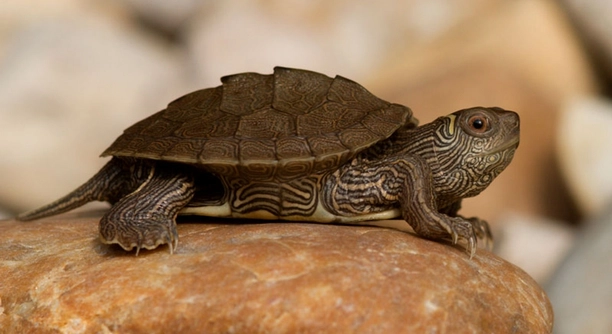
Map turtles are social creatures, and just like any pet, they can experience feelings of loneliness. Understanding their behavior and needs is key to ensuring their well-being and happiness in your care.
Map turtles may show signs of loneliness through reduced activity, lack of interest in food, or increased hiding. Providing a companion or enhancing their environment can help address these issues, improving their overall health and happiness.
In the following sections, we’ll explore what could be causing your map turtle’s loneliness and offer simple tips on how to support their social needs.
Signs Your Map Turtle Might Be Lonely
Map turtles can be quite independent, but they also need social interaction to thrive. If your turtle is feeling lonely, you might notice a few changes in its behavior. One common sign is a lack of interest in its usual activities, like basking or swimming. Turtles that are alone may become less active and spend more time hiding. In more extreme cases, they may refuse to eat or lose interest in their environment altogether. These behaviors can indicate that they’re missing the companionship they need.
Loneliness can also affect your turtle’s health. When a map turtle isn’t feeling content, its immune system may weaken, making it more vulnerable to illnesses. If you’re seeing signs of depression or anxiety in your pet, it’s time to take action and address the issue.
By paying attention to these changes, you can spot loneliness early and take steps to improve your turtle’s quality of life. Social animals need stimulation, and without it, they can become withdrawn or inactive.
How to Help a Lonely Map Turtle
If your map turtle seems lonely, the first step is to provide more interaction. Adding a companion is one way to reduce isolation. However, it’s essential that the new turtle is of a similar size and temperament to avoid potential aggression.
Ensuring your map turtle’s habitat is stimulating is another key factor. Offer plenty of hiding spots, ramps for climbing, and rocks for basking. Turtles enjoy exploring their environment, and a varied space can keep them engaged. You could even consider placing plants or different substrates to make their surroundings feel more natural.
Another great way to help them feel less lonely is to spend more time near their tank. Just being present can offer a sense of comfort. Be sure to watch for any signs of aggression if you introduce a new turtle. Not all turtles get along, and introducing one too soon can cause stress. If you notice conflict, it may be better to keep them apart.
Benefits of Having Two Map Turtles
Having two map turtles can be very beneficial, especially if one seems lonely. A companion can offer them the social interaction they need, which reduces stress and encourages more natural behavior. This also helps prevent depression that might arise from isolation.
Introducing a second turtle allows both to interact, bask, and swim together. They can form their own social bonds, making your turtle more active and healthier. When they engage with each other, they’ll show a range of behaviors, such as following each other or playing in the water. This can greatly reduce loneliness and boredom.
However, it’s important to choose a compatible companion. The turtles should be around the same size to avoid aggression. Turtles that are too different in size might fight over food or basking spots. Monitoring their behavior and adjusting the environment to accommodate both turtles will help ensure a peaceful and harmonious relationship between them.
Other Ways to Reduce Loneliness in Map Turtles
If you’re not ready for a second turtle, there are still other ways to reduce loneliness. Spending more time interacting with your turtle can make a significant difference. While map turtles are not as social as some pets, they appreciate the presence of their owner.
Try placing your turtle outside its tank for brief periods under supervision. Let it explore in a safe, contained area. Turtles enjoy having room to roam, and this might give it the stimulation it needs. Even allowing it to explore the room can break up the monotony of a solitary tank life.
Another effective option is to provide a variety of enrichment activities. This could include adding new items to the tank, like different rocks or plants, to give your turtle something to interact with. You can also rotate the items in the habitat, so it’s constantly refreshed, preventing the turtle from becoming bored.
How to Spot Stress in Map Turtles
Stress in map turtles often shows up as a lack of appetite, hiding more than usual, or even biting their shells. If your turtle seems unusually quiet or aggressive, stress might be the cause. It’s important to address these behaviors quickly to prevent long-term health issues.
Physical signs such as shallow breathing, lethargy, or an inability to bask properly may also indicate stress. These symptoms suggest your turtle is feeling overwhelmed, possibly due to loneliness or an unsatisfactory environment. By monitoring these behaviors closely, you can make adjustments to improve your turtle’s well-being.
Correcting the source of stress can go a long way in restoring balance to your turtle’s life. Providing a stable, peaceful habitat and ensuring it has enough interaction or stimulation is key to helping your turtle feel more comfortable.
Providing a Balanced Habitat
A balanced habitat is crucial for your turtle’s well-being. Map turtles require a proper mix of land and water areas, a reliable heat source, and UVB lighting. These elements help create a safe and comfortable environment, reducing stress and promoting healthy activity.
Maintaining clean water is just as important. Turtles need a tank with proper filtration to keep their environment hygienic. A dirty or overcrowded tank can increase stress, making your turtle more likely to withdraw or become agitated. Regularly check water parameters and ensure the space is large enough for your turtle to move freely.
Feeding Your Map Turtle
Feeding a map turtle properly is essential for its health and happiness. Provide a diet of high-quality commercial pellets and supplement with fresh vegetables and protein. This balanced diet will ensure your turtle gets all the nutrients it needs to stay active and healthy.
Some turtles may refuse food if they are lonely or stressed. However, ensuring a regular feeding routine can help them feel secure and calm. If your turtle continues to refuse food, it might be worth considering changes to its environment or introducing a companion.
FAQ
How do I know if my map turtle is lonely?
If your map turtle is lonely, it might show signs of depression or stress. A lonely turtle will often become less active, spend more time hiding, or even stop eating. You might also notice that it seems uninterested in its surroundings or does not interact with its environment as much. Changes in behavior like these can be a sign that your turtle is not happy in its current living conditions.
Can I keep a map turtle alone?
Yes, map turtles can live alone, but they are social creatures that can benefit from the company of another turtle. While they can manage on their own, they may be less active or more stressed without a companion. If your turtle seems lonely or withdrawn, consider adding another turtle or increasing its interaction with you.
Should I get another map turtle?
Adding another map turtle can help reduce loneliness and provide social interaction. However, it’s important to choose a turtle of similar size and temperament to avoid aggression. Introduce the turtles gradually and observe how they interact. Not all turtles get along, and some may need to be kept separately to prevent fighting.
How can I make my map turtle feel more comfortable?
To help your turtle feel more comfortable, ensure its habitat is well-maintained. This includes keeping the water clean, providing proper lighting and heating, and having a balanced land and water area. Adding plants, rocks, or logs for hiding can also give your turtle more to explore, making its environment more enriching.
Is it okay to have multiple turtles in the same tank?
It can be okay to keep multiple turtles in the same tank, as long as the tank is large enough and each turtle has enough space to feel comfortable. Make sure the turtles are of similar size to prevent any aggression. Some turtles may not get along, so monitor their behavior closely when first introducing them.
What happens if a map turtle doesn’t eat?
If your map turtle stops eating, it could be a sign of stress, illness, or environmental issues. A lonely or stressed turtle may refuse food, so it’s important to ensure its tank is clean, properly lit, and appropriately heated. If your turtle continues to refuse food for an extended period, consult a veterinarian.
Can stress affect my map turtle’s health?
Yes, stress can negatively affect your map turtle’s health. Chronic stress can lead to a weakened immune system, making it more susceptible to illnesses and infections. It can also cause behaviors like loss of appetite, excessive hiding, or even aggression. Reducing stress by providing a stable environment and social interaction can improve your turtle’s well-being.
How often should I feed my map turtle?
Map turtles typically eat once a day, but the frequency may depend on their age and activity level. Hatchlings and younger turtles may require daily feedings, while adults may only need food every other day. Make sure to offer a balanced diet with commercial pellets, fresh vegetables, and occasional protein like insects or fish.
What kind of tank is best for a map turtle?
A large tank with both land and water areas is ideal for a map turtle. The tank should have enough space for your turtle to swim and bask comfortably. The water should be kept clean, with a proper filtration system. Provide UVB lighting and a heat source to mimic natural conditions.
How can I prevent my map turtle from getting lonely?
To prevent loneliness, you can add a companion turtle of similar size and temperament. Another option is to spend more time interacting with your turtle, even if it’s just sitting near its tank. Ensuring a stimulating environment with plenty of things to explore can also help reduce feelings of loneliness.
Can map turtles live with other animals?
Map turtles can sometimes live with other species, but this requires careful consideration. Other animals, especially fish, may become targets for the turtle, especially if they are smaller. If you plan to keep multiple species in the same tank, it’s essential to research the compatibility of the animals and monitor their behavior.
What should I do if my map turtle fights with another turtle?
If your map turtles fight, you may need to separate them. Turtles, even of the same species, can become territorial or aggressive. Ensure they each have enough space in their tank to avoid conflict. You might also need to adjust their environment by adding more basking spots or hiding places to reduce tension.
How do I know if my turtle is happy?
A happy map turtle will be active, exploring its environment, swimming, and basking regularly. It will eat well, have a healthy appetite, and seem generally curious about its surroundings. If your turtle is moving freely, basking, and interacting with its tank, it is likely content.
Final Thoughts
Caring for a map turtle involves understanding its social needs, as these creatures, like many pets, can experience loneliness. If you notice your turtle becoming withdrawn, spending more time hiding, or refusing to eat, it could be a sign that it is lonely or stressed. Addressing these signs early is important for your turtle’s overall well-being. Whether it’s adding another turtle, adjusting the habitat, or spending more time with your pet, there are simple ways to improve their quality of life. By keeping an eye on their behavior and making necessary changes, you can create a happier and healthier environment for your turtle.
While it’s possible to keep a map turtle alone, it’s often better for them to have a companion, especially if they show signs of loneliness. Turtles are social animals and benefit from the interaction, both with each other and with their owners. However, introducing a second turtle should be done carefully. Be sure to choose one that is a similar size and temperament to avoid aggression. If introducing another turtle isn’t an option, make sure your turtle’s environment is stimulating enough to keep it engaged. A varied tank with plants, rocks, and hiding spots can help your turtle stay active and content.
Ultimately, being a responsible turtle owner means paying attention to your pet’s physical and emotional needs. By keeping their habitat clean, providing proper lighting and heating, and offering plenty of space, you create an environment where your turtle can thrive. If loneliness or stress persists, it’s always a good idea to consult with a veterinarian. With the right care and attention, your map turtle can live a long, happy life, and you’ll have the satisfaction of knowing you’ve done your best to meet its needs.

Hello,
If you enjoy the content that we create, please consider saying a "Thank You!" by leaving a tip.
Every little bit helps us continue crafting quality advice that supports the health, happiness, and well-being of pets around the world, for pets of all shapes, sizes, and species.
We really appreciate the kindness and support that you show us!