
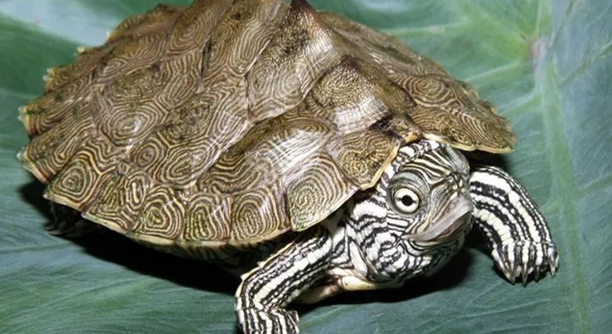
Different species of map turtles can be intriguing to keep together in one tank. Their unique colors and behaviors might make them seem like the perfect companions, but they come with special care needs.
In general, different map turtle species can live together if their specific habitat and care requirements are met. It’s important to ensure they have enough space, proper water quality, and a balanced diet to reduce stress and potential conflict.
With the right setup and attention to their needs, keeping multiple map turtle species together can be a rewarding experience. We’ll guide you through the best practices to ensure their well-being and harmony.
Understanding Map Turtles
Map turtles are a popular choice for many pet owners due to their beautiful patterns and relatively easy care. They come in various species, including the Northern Map Turtle and the Alabama Map Turtle. Each species has slightly different preferences when it comes to their habitat, food, and water conditions. However, despite these differences, many map turtles share similar needs, which makes keeping them together possible under the right circumstances.
To start, it’s essential to research the specific requirements of each map turtle species you’re considering. Some may need warmer water temperatures, while others may be more tolerant of cooler conditions. Water quality also plays a major role in their health. Regular water changes and proper filtration will prevent diseases that might arise from a dirty tank.
Map turtles, like most reptiles, also thrive in spaces that mimic their natural environment. Providing plenty of basking spots and hiding areas can reduce stress and aggression. Make sure each turtle has enough room to swim and climb.
Space and Tank Setup
The size of your tank will make a significant difference in the comfort of your map turtles. A larger tank gives each turtle more room to explore and reduces territorial behaviors. Ideally, a 75-gallon tank is the minimum for housing multiple turtles, but more space is always better.
When setting up the tank, it’s important to include areas for both basking and swimming. Map turtles spend a lot of time in the water but also need a place to dry off and bask under heat lamps. Providing these different areas in your tank can help ensure your turtles stay healthy and content. Be mindful of the water depth as well—map turtles are strong swimmers, but the depth should be manageable for all species to access the surface easily.
Keeping the Peace Among Species
Map turtles can coexist peacefully when their needs are met, but some precautions can help. A common issue with keeping different species together is aggression. Some turtles might become territorial, especially when competing for space or food. To avoid this, it’s a good idea to provide multiple basking spots and feeding areas. This way, the turtles can each enjoy their space without being in direct competition.
It’s also a good idea to keep a close eye on the behavior of your turtles. If you notice any signs of bullying or stress—such as one turtle staying in a corner or hiding too often—it may be time to separate them. Ensuring they have plenty of visual barriers or hides can help them feel more secure in the tank. Always be ready to make adjustments based on how they interact.
Water Quality and Filtration
Water quality is one of the most crucial aspects of keeping map turtles healthy. Poor water conditions can quickly lead to diseases and other health problems. You should aim to maintain clean, clear water with proper filtration. Using a high-quality filter is essential for maintaining water clarity and removing waste.
A powerful filtration system can handle waste from multiple turtles, but regular water changes are still necessary. Plan to change 20-30% of the tank’s water every week to prevent the buildup of harmful toxins. Additionally, monitoring the water’s pH and temperature is key. Map turtles thrive in slightly acidic to neutral water with temperatures between 75-80°F. Keeping the water at the right levels will help prevent stress and promote healthy growth.
Feeding Map Turtles
Map turtles are omnivores and will eat a variety of foods. A balanced diet is essential to keep them healthy and active. You should offer them a mix of vegetables, proteins, and occasionally live foods.
Feeding them vegetables like lettuce, kale, and carrots ensures they get enough fiber. Proteins such as fish, worms, or insects can be given a few times a week to satisfy their carnivorous side. It’s also important to feed them a high-quality commercial pellet that meets their nutritional needs. Avoid overfeeding, as this can lead to obesity and other health problems.
Map turtles also need calcium for strong shells, so provide calcium supplements. You can add cuttlebone or crushed oyster shells to their diet. Be sure to remove any uneaten food from the tank to maintain water quality. It’s best to feed them in separate areas to avoid competition and reduce aggression.
Handling and Interaction
Map turtles generally don’t enjoy being handled, so it’s important to minimize stress. Handling them too much can disrupt their routine and cause stress, leading to health problems.
If you must handle your map turtle, be gentle and avoid sudden movements. Use both hands to support the turtle’s body, ensuring it feels secure. Keep handling sessions short and infrequent, allowing your turtle to return to its natural behavior.
If you want to interact with your turtle, consider observing its behavior and providing enrichment through various objects or changes in the tank environment. Map turtles are naturally curious and will often engage with new items or structures in their tank.
Tank Maintenance
Regular tank maintenance is crucial to your map turtles’ health. Clean the tank every week by replacing 20-30% of the water and cleaning the decorations and substrate.
Check the filtration system and replace the filter media as needed. Keep an eye on the water’s temperature, pH, and overall quality. Clean the basking spots and any rocks to avoid algae buildup.
Lighting and Temperature
Map turtles need proper lighting for both basking and health. Use UVB lights to mimic sunlight and help them absorb calcium. Set up a basking area with a heat lamp to provide warmth.
Maintain a water temperature of 75-80°F. This ensures your turtles stay active and comfortable. If your tank is too cold, they may become sluggish and prone to illness. Make sure to use a thermometer to monitor the temperature and adjust it as necessary.
FAQ
Can map turtles live in cold water?
Map turtles are not cold-water species. They thrive in water temperatures between 75-80°F (24-27°C). Cold water can make them sluggish and more susceptible to illness. If the temperature drops too low, they may even stop eating or basking properly. For their health, it’s best to maintain warm water in their tank.
How long can map turtles live?
Map turtles typically live for 20-30 years, sometimes even longer if they are well cared for. Their lifespan depends on the quality of their habitat, diet, and overall care. A healthy, properly maintained environment can help ensure they live a long, happy life.
How big do map turtles get?
The size of a map turtle depends on the species. Most map turtles grow to about 8-12 inches long. Some species, like the Northern Map Turtle, may reach around 10-12 inches, while others, like the Alabama Map Turtle, remain smaller. The size of the tank should accommodate their adult size.
Do map turtles need a basking area?
Yes, map turtles need a basking area to dry off, regulate their body temperature, and absorb UVB light. Without access to a basking spot, they can become stressed and may develop health issues like shell rot. Make sure the basking area is dry and easily accessible from the water.
How do I tell if my map turtle is sick?
Signs of illness in map turtles include lethargy, loss of appetite, abnormal swimming, and shell discoloration. If your turtle isn’t basking or swimming like usual, it might indicate a health problem. In such cases, it’s important to consult a vet to get a proper diagnosis and treatment.
Can map turtles share a tank with other species?
Map turtles can sometimes live with other species of turtles, provided the other species have similar care requirements. However, aggression can occur, so it’s best to monitor their behavior. Some turtles might compete for food or basking spots, causing stress. It’s often safer to house them with other peaceful, non-aggressive species.
What should I feed my map turtle?
Map turtles are omnivores and need a varied diet. Offer them a mix of vegetables (like kale, collard greens, and carrots), live prey (such as insects, worms, or small fish), and high-quality pellets designed for aquatic turtles. Make sure to avoid overfeeding and remove any leftover food after feeding.
How often should I feed my map turtle?
You should feed adult map turtles 3-4 times a week. Baby turtles require more frequent meals, usually every day. Adjust their feeding schedule based on their age and size. Overfeeding can lead to obesity, so stick to a regular feeding routine with balanced portions.
Do map turtles need a filter?
Yes, a filter is essential to maintain clean and healthy water for map turtles. Turtles produce waste, and without proper filtration, harmful bacteria can grow, leading to poor water quality and potential health issues. A strong filter helps maintain a clean tank, reducing the need for frequent water changes.
Can map turtles live without UVB light?
No, map turtles require UVB light to synthesize vitamin D3 and absorb calcium properly. Without UVB light, they are at risk of developing metabolic bone disease, which can cause soft shells and other serious health problems. Make sure to use a UVB bulb designed for reptiles, and replace it every 6 months to ensure its effectiveness.
How do I clean a map turtle’s shell?
Regular cleaning of a map turtle’s shell is necessary to prevent algae buildup and keep the shell healthy. You can gently scrub the shell using a soft toothbrush and warm water. Avoid using soap or harsh chemicals, as they can harm the turtle. If you notice any injuries or discoloration, consult a vet.
Are map turtles easy to care for?
Map turtles are relatively easy to care for if you understand their needs. They require a proper tank setup, including clean water, UVB light, and space to bask. Their diet needs to be varied, and their tank should be kept clean to prevent diseases. With the right care, map turtles make great pets.
How much space does a map turtle need?
Map turtles need plenty of space to swim, bask, and explore. The minimum recommended tank size is 75 gallons for a single turtle, but larger tanks are always better. If you have more than one turtle, the tank size should increase accordingly. This gives them enough space to move around comfortably and reduce stress.
Can map turtles be handled?
Map turtles don’t enjoy being handled, and it’s best to limit physical interaction. Handling can stress them out, which can affect their health. If you need to move them, always be gentle and support their body, but avoid handling them frequently. Let them stay in their environment where they feel safest.
Final Thoughts
Keeping map turtles together can be a rewarding experience if you understand their specific needs and provide the right environment. These turtles are beautiful and fascinating creatures, but they require a bit of effort in terms of tank setup, maintenance, and care. With the right precautions, they can coexist peacefully with other map turtle species or even with other compatible turtle species. However, it’s essential to monitor their behavior closely to ensure there are no signs of aggression or stress.
Proper tank size, water quality, and diet are key factors in keeping your map turtles healthy and happy. A well-maintained tank with enough space for each turtle to swim and bask will reduce territorial behaviors. Regular cleaning and maintaining the water temperature, pH, and filtration are crucial for preventing illnesses. Ensuring that each turtle has access to food, basking spots, and hiding places helps create a peaceful environment, allowing the turtles to thrive together.
Feeding a balanced diet, providing proper UVB lighting, and limiting handling are also important aspects of map turtle care. By paying attention to their dietary needs and giving them enough time in the sun, you support their overall well-being. While map turtles are relatively low-maintenance pets, they do require consistent care. Keeping them in an environment that closely matches their natural habitat will not only help them live longer but also ensure a more enjoyable experience for both you and your turtles.

Hello,
If you enjoy the content that we create, please consider saying a "Thank You!" by leaving a tip.
Every little bit helps us continue crafting quality advice that supports the health, happiness, and well-being of pets around the world, for pets of all shapes, sizes, and species.
We really appreciate the kindness and support that you show us!