
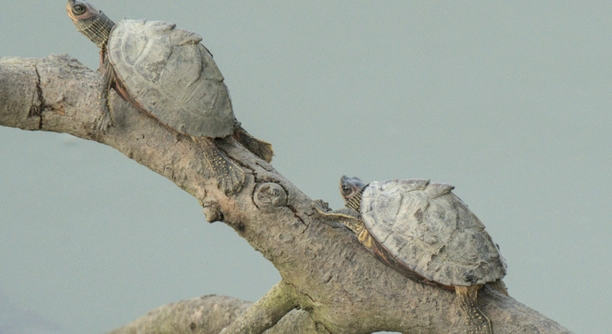
Calcium is an essential nutrient for the health of your Indian Roofed Tortoise. Just like any other pet, they rely on a balanced diet to thrive, and calcium plays a big role in their overall well-being.
An Indian Roofed Tortoise may need more calcium if you notice signs like shell deformities, softening, or slower growth. Calcium deficiency can cause various health problems, which is why ensuring their diet includes enough of this nutrient is crucial.
Proper calcium intake will help support your tortoise’s shell and bone health, preventing long-term issues. This article will guide you through recognizing calcium deficiency signs and how to ensure your tortoise gets the right amount.
Signs Your Indian Roofed Tortoise Might Need More Calcium
If your tortoise seems sluggish, or you notice changes in its behavior, it might be related to calcium intake. Calcium is important for muscle function, bone strength, and overall health. Without enough, tortoises can develop soft or deformed shells. You may also observe slower growth or lack of appetite. These signs are often subtle at first, but it’s crucial to act quickly. Keeping an eye on their behavior and shell condition can help you spot these signs early. This is especially important because calcium deficiency can lead to more serious health problems over time.
Calcium deficiency also affects your tortoise’s activity levels. When they don’t get enough, they may appear lethargic or weak. This can make them less active and may cause them to hide more often than usual.
Calcium is vital for your tortoise’s shell development. A healthy shell should be firm and smooth. If you notice any soft spots or deformities in your tortoise’s shell, it’s likely a sign that it needs more calcium. A soft shell indicates that your pet’s bones aren’t getting the support they need to grow strong. Without the proper nutrients, their body can’t form a healthy shell structure, leaving it vulnerable to injury and disease. Additionally, shells that grow too slowly or unevenly can be a sign of malnutrition. In such cases, it’s best to consult a vet immediately and adjust their diet accordingly.
How to Ensure Your Tortoise Gets Enough Calcium
One of the simplest ways to increase calcium intake is through a proper diet. Foods like leafy greens, such as kale and collard greens, are good sources.
If your tortoise’s diet lacks calcium-rich foods, you can also supplement with calcium powder. Sprinkle it over their meals two to three times a week. Be cautious with the amount, as too much calcium can cause other issues, such as kidney problems. Always follow the recommended dosage on the supplement packaging or consult a vet for guidance. It’s also essential to provide access to UVB light, which helps them metabolize calcium effectively. Tortoises need both UVB light and calcium to process the nutrient correctly. Without enough exposure to sunlight or artificial UVB light, their bodies can’t properly absorb calcium. Make sure their enclosure has an adequate heat and light source to keep them healthy.
Foods Rich in Calcium for Your Indian Roofed Tortoise
Leafy greens, like collard greens, dandelion greens, and kale, are excellent sources of calcium for your tortoise. Offering these regularly can help provide a steady supply of calcium. You can also feed them calcium-rich vegetables like bell peppers and broccoli. These foods are easy to find and provide great nutritional value.
In addition to leafy greens, you can feed your tortoise some fruit, such as figs or blackberries, which have small amounts of calcium. However, keep these as occasional treats since they are higher in sugar. A balanced mix of vegetables and fruits, along with good-quality hay, will help meet their calcium needs. Avoid feeding them foods high in oxalates, such as spinach or beet greens, as these can interfere with calcium absorption.
If you’re unsure about which foods provide enough calcium, it’s always helpful to research or ask a vet for specific recommendations. They can help you build a diet plan that ensures your tortoise gets enough calcium and other vital nutrients.
Supplementing Calcium in Your Tortoise’s Diet
Calcium supplements are a practical way to ensure your tortoise gets the calcium it needs. You can find powdered calcium supplements at pet stores. These powders are designed to be sprinkled over your tortoise’s food a few times a week. Be sure to use a supplement specifically made for reptiles, as other types may not provide the correct calcium balance.
When adding calcium powder, avoid over-supplementing. Too much calcium can lead to other health problems, such as kidney issues. To ensure your tortoise gets the right amount, stick to the recommended dosage on the label or consult your vet. The correct balance of nutrients is key to your tortoise’s overall health.
You can also find calcium supplements with added vitamin D3, which can help with calcium absorption. If your tortoise has limited access to sunlight or artificial UVB light, this added vitamin D3 can be beneficial.
Signs of Over-Supplementation
Over-supplementing calcium can lead to several health issues. If you notice your tortoise showing signs of lethargy or difficulty moving, it could indicate a problem with too much calcium. Excessive calcium intake can also cause kidney damage over time.
To avoid over-supplementation, be sure to measure the correct amount of calcium powder when adding it to their food. Watch for any unusual symptoms, such as bloating or a loss of appetite. These signs may indicate that you are adding too much calcium to their diet. In such cases, adjust the dosage or consult a vet.
Providing UVB Light for Better Calcium Absorption
UVB light helps your tortoise process calcium more effectively. Without it, their body can’t absorb calcium as efficiently, leading to potential deficiency, even if their diet is adequate. It’s essential to provide UVB light for 10-12 hours a day to help them maintain a healthy balance.
The UVB light source should be placed at the right distance from the tortoise’s habitat to ensure they get enough exposure. If using artificial light, ensure the bulb is replaced regularly, as it can lose its effectiveness over time. Regular exposure to proper UVB lighting supports calcium metabolism.
The Role of a Vet in Calcium Management
If you are unsure about your tortoise’s calcium needs, it’s best to consult a vet. A reptile vet can help assess their health and offer advice on proper supplementation. Regular check-ups ensure they are getting the right amount of calcium.
A vet can also help address any underlying health conditions that might be affecting calcium absorption. They will provide tailored recommendations based on your tortoise’s age, size, and specific needs, making sure your pet gets the right balance of nutrients for a healthy life.
FAQ
How much calcium does my Indian Roofed Tortoise need?
The amount of calcium your tortoise needs depends on its age, size, and activity level. For an adult tortoise, you should aim to provide a calcium supplement around two to three times a week. Younger tortoises, which are still growing, may require calcium more frequently, often every other day. It’s essential to ensure the calcium is balanced with other nutrients to prevent any deficiency or excess. Always follow the guidelines on the supplement packaging or consult a vet for the correct dosage.
Can my tortoise get enough calcium from food alone?
While certain foods, such as leafy greens and vegetables, do provide calcium, it can be difficult to meet all of your tortoise’s calcium needs from food alone. Many tortoises require additional calcium supplementation, especially if their diet doesn’t always include high-calcium vegetables. If your tortoise is not getting sufficient calcium, a supplement will help ensure they are getting the right amount. Be mindful of their overall diet and include a variety of calcium-rich foods to support their health.
Is it safe to use calcium supplements for my tortoise?
Yes, calcium supplements can be safe for your tortoise as long as you follow the recommended dosage. Over-supplementing can cause problems like kidney damage, so it’s important to measure the right amount. Use a supplement designed for reptiles, as it will contain the appropriate balance of calcium and other nutrients. You can sprinkle the powder on their food a few times a week, or as advised by your vet.
What are the signs that my tortoise is getting too much calcium?
Too much calcium can lead to kidney problems, lethargy, and a loss of appetite. If you notice that your tortoise is not as active or seems unusually sluggish, this could be a sign of calcium overload. It may also experience difficulty moving, bloating, or even deformities in its shell. In these cases, it’s important to reduce the calcium supplements and consult a vet for further guidance.
Can I use regular calcium supplements for reptiles?
It’s crucial to use calcium supplements specifically designed for reptiles. These supplements have the correct amount of calcium that your tortoise needs, and they are usually formulated with the right balance of vitamin D3 for calcium absorption. Regular human calcium supplements may not be suitable and can lead to imbalances in your tortoise’s diet.
What is the role of vitamin D3 in calcium absorption?
Vitamin D3 plays an essential role in helping tortoises absorb calcium effectively. Without enough vitamin D3, your tortoise may struggle to process calcium, even if it’s getting enough in its diet. Vitamin D3 is naturally produced when exposed to UVB light, so ensuring your tortoise has access to adequate UVB lighting is key to its calcium metabolism. If your tortoise doesn’t get enough UVB, you may want to use a calcium supplement that contains vitamin D3 to support their calcium absorption.
How long can my tortoise go without calcium?
If your tortoise is deprived of calcium for a prolonged period, it can lead to serious health issues, like shell deformities, weak bones, and even paralysis. However, short-term lapses may not immediately cause harm, especially if the tortoise is getting other essential nutrients. Over time, though, calcium deficiency will affect their overall health, so it’s crucial to maintain a consistent intake of calcium through food, supplements, and UVB exposure.
Can I use cuttlefish bone as a calcium source?
Cuttlefish bone is a natural source of calcium and can be a good addition to your tortoise’s diet. It’s rich in calcium and can be offered as a chewable item in their enclosure. Many tortoises enjoy nibbling on cuttlefish bone, which helps with calcium intake and provides a natural way to wear down their beaks. Be sure to monitor the amount they consume to avoid over-supplementation.
How do I know if my tortoise has a calcium deficiency?
Common signs of calcium deficiency include soft or deformed shells, sluggishness, poor appetite, and weakness. If your tortoise has difficulty moving or is showing signs of a weak shell, it may be a clear indication that it’s not getting enough calcium. In some cases, the shell may appear to have soft spots or be unnaturally thin. If you suspect a calcium deficiency, it’s important to address it quickly by adjusting their diet and possibly adding a calcium supplement.
Can my tortoise get calcium from sunlight?
Yes, sunlight is one of the most effective ways for your tortoise to get calcium. UVB rays from the sun help tortoises produce vitamin D3, which is essential for absorbing calcium. If your tortoise is housed outdoors, make sure they have access to direct sunlight for several hours a day. If they are housed indoors, providing a UVB light source is just as important to help them metabolize calcium effectively. A combination of UVB exposure and calcium-rich foods ensures your tortoise gets the proper nutrients.
Is it okay to feed my tortoise fruits high in calcium?
Fruits can provide some calcium, but they are generally lower in calcium compared to leafy greens and vegetables. You can offer fruits like figs and blackberries, which are higher in calcium, but these should only be given as occasional treats. Fruits are often high in sugar, which isn’t ideal for a balanced diet. Make sure to prioritize leafy greens and other calcium-rich vegetables as the main part of your tortoise’s diet for better health.
How often should I take my tortoise to the vet for calcium-related issues?
If you’re concerned about your tortoise’s calcium levels, it’s a good idea to take them to the vet at least once a year for a routine check-up. This ensures that any calcium deficiency or overload issues are detected early on. If your tortoise shows signs of health issues, such as shell deformities or weakness, a vet visit is necessary to get an accurate diagnosis and treatment plan. Your vet can guide you on the best approach to managing calcium levels for optimal health.
Final Thoughts
Calcium plays an essential role in the health of your Indian Roofed Tortoise. Ensuring that your tortoise gets enough calcium is important for their bone and shell development, as well as their overall well-being. A proper diet, supplemented with the right amount of calcium, can help prevent many health issues, like shell deformities and slow growth. Keeping a balance is key, as both too little and too much calcium can lead to problems. If you’re unsure whether your tortoise is getting enough calcium, it’s always a good idea to consult with a vet.
Providing a variety of calcium-rich foods, such as leafy greens, will help ensure your tortoise gets the nutrients it needs. It’s also important to remember that supplementation may be necessary, especially if your tortoise isn’t eating enough calcium-rich foods or doesn’t have access to natural sunlight. UVB light is just as crucial as calcium, as it allows your tortoise to absorb calcium properly. Regular exposure to UVB light, either from the sun or a UVB light bulb, should be part of your tortoise’s daily routine.
Lastly, monitoring your tortoise’s behavior and shell condition is the best way to spot any potential problems early. If you notice signs of calcium deficiency, such as a soft or deformed shell, weakness, or slow growth, it’s essential to address the issue quickly. Adjusting their diet and supplementing with calcium can help restore balance. Taking small steps to ensure they are getting enough calcium and UVB light will go a long way in keeping your tortoise healthy and happy for years to come.

Hello,
If you enjoy the content that we create, please consider saying a "Thank You!" by leaving a tip.
Every little bit helps us continue crafting quality advice that supports the health, happiness, and well-being of pets around the world, for pets of all shapes, sizes, and species.
We really appreciate the kindness and support that you show us!