
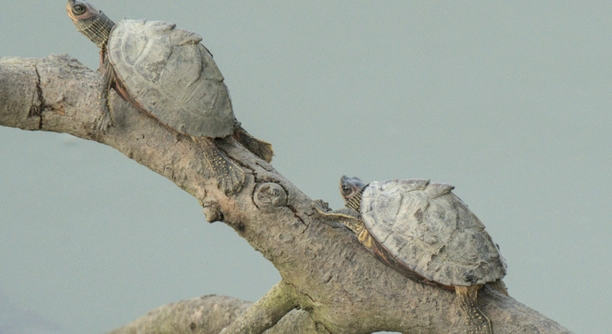
Indoor plants play a vital role in enhancing the environment for your Indian Roofed Tortoise. Choosing the right plants can provide shelter, food, and a naturalistic touch to your tortoise’s enclosure, ensuring their well-being and comfort.
Several plants are safe for an Indian Roofed Tortoise enclosure, offering a mix of greenery and nourishment. Leafy plants like dandelion, hibiscus, and parsley are beneficial. Ensure that all plants are pesticide-free to promote a healthy, safe environment for your tortoise.
By selecting the appropriate plants, you can create a more comfortable and enriching space for your tortoise. These plants provide natural elements that enhance the habitat.
Choosing the Right Plants for Your Tortoise
Selecting the right plants for your Indian Roofed Tortoise’s enclosure is essential to create a safe and comfortable environment. Plants not only enhance the aesthetic appeal of the enclosure but also provide crucial benefits. These plants can offer shelter, improve air quality, and even serve as food sources. It is important to choose plants that are non-toxic, easily maintained, and safe for your tortoise to interact with. The variety of plants available can make it easy to add greenery and natural elements to the habitat, helping your tortoise feel more at home.
While there are many plant options, not all of them are suitable. Some plants may be harmful to tortoises, leading to health problems. Ensuring that plants are safe, pesticide-free, and easy to care for can help maintain a healthy environment. A few simple choices can make a significant difference in both the appearance and the well-being of your tortoise’s habitat.
With the right selection, your tortoise’s enclosure will be filled with life and provide a more enriching space for it to thrive. The plants can offer both nutrition and a comfortable environment, promoting the overall health of your pet.
Benefits of Safe Indoor Plants
Safe indoor plants for tortoises can also provide benefits like UV light filtering and increased humidity. These plants help maintain a balanced climate in the enclosure.
Some plants, like dandelion and hibiscus, provide additional nutritional benefits, such as vitamins and minerals, which can contribute to your tortoise’s diet. Offering these plants in the enclosure can help mimic a natural habitat. This is especially important for an Indian Roofed Tortoise, which requires a varied diet for proper digestion and health.
However, it’s crucial to ensure that plants are regularly cleaned and free of pests or chemicals that could harm your tortoise. Some plants may need more light or water than others, so it is essential to research and select the best options for your specific enclosure setup. By keeping the plants well-maintained, you ensure that they continue to benefit your tortoise without causing any harm.
Safe Plant Choices for Your Tortoise
Dandelion is a popular and safe option for an Indian Roofed Tortoise enclosure. It’s not only non-toxic but also provides nutritional value, making it a great addition to their diet. Dandelions are easy to maintain and can grow well indoors.
Dandelion leaves are rich in vitamins and minerals, including calcium and vitamin A, which are essential for the tortoise’s health. These plants also help in maintaining humidity levels in the enclosure, making them a functional addition. However, it’s important to avoid overfeeding them, as too much calcium can be harmful over time. The flowers and roots are also safe for tortoises to consume, giving them variety in their diet.
Dandelions can be grown in pots within the enclosure or planted directly in the substrate. They thrive in moderate sunlight, so make sure to place them in a well-lit area. Regularly remove any dead leaves to prevent mold or pests from affecting the plant.
Plant Care for a Healthy Habitat
Hibiscus is another excellent plant to include in your tortoise’s enclosure. Known for its vibrant flowers, hibiscus is safe for tortoises and easy to grow indoors. It’s a great way to add color and beauty to the enclosure.
Not only does hibiscus offer aesthetic appeal, but it also serves as a food source. The flowers are safe for tortoises and can be offered as a treat. The plant’s leaves are nutritious and rich in fiber, making them a healthy snack. Hibiscus also grows well in pots, which makes it easy to place and move around the enclosure as needed.
For the plant to thrive, ensure it gets plenty of indirect sunlight. It should also be watered regularly, but avoid overwatering to prevent root rot. Keep an eye on the leaves for any signs of pests, and trim dead or damaged parts to promote healthy growth.
Parsley: A Nutrient-Rich Option
Parsley is safe for tortoises and can be a great addition to their enclosure. It’s packed with vitamins, particularly vitamin C, which supports a tortoise’s immune system. Parsley can be grown easily in pots or directly in the substrate, making it a versatile choice.
It thrives in moderate sunlight and requires consistent watering. Avoid overwatering, as this can lead to root rot. By incorporating parsley into the enclosure, you can provide an extra source of nutrition while enhancing the plant diversity in the habitat. Regular pruning will also keep it healthy and encourage fresh growth.
Clover as a Safe Choice
Clover is another safe, edible plant for your tortoise. It offers a good source of fiber and vitamins, which are important for digestion and overall health. It’s easy to grow and provides a nice green cover in the enclosure.
Clover is not only nutritious but also attracts beneficial insects. When growing it indoors, ensure the enclosure receives enough natural light for the clover to thrive. A healthy supply of clover can provide an excellent addition to your tortoise’s varied diet. It’s important to keep the plant free from pests to avoid any potential harm to your tortoise.
FAQ
What plants are toxic to an Indian Roofed Tortoise?
Many common plants are toxic to tortoises, so it’s important to avoid them. Some plants like azaleas, oleanders, and ivy can cause digestive issues, lethargy, and even death if consumed. Certain ferns and lilies should also be avoided, as they can be harmful. Before introducing any plant into your tortoise’s enclosure, it’s essential to double-check its safety. Always ensure the plant is known to be non-toxic to tortoises. If you’re unsure about a plant’s safety, it’s best to do some research or consult a veterinarian to avoid potential risks.
Can tortoises eat all parts of the plants in their enclosure?
While most tortoises can eat the leaves, flowers, and sometimes roots of safe plants, some parts of a plant might not be suitable for consumption. For example, some leaves might be too tough, or flowers could have too high a concentration of certain nutrients. Always check what parts of a plant are safe for your tortoise. Some plants, like dandelion, are entirely edible, while others may have leaves that are fine to eat but require careful monitoring to ensure balance in their diet. Offering a variety of plant parts is essential, but moderation is key.
How often should I replace the plants in my tortoise’s enclosure?
Indoor plants in a tortoise’s enclosure should be regularly maintained to prevent decay and mold growth. Typically, plants that are actively growing will need to be replaced every few months, as they might lose leaves or become overgrown. Plants like dandelion can be replanted, while others may need replacing entirely if they become unhealthy. Keep an eye on plant health, and make sure to remove any dead or damaged plants to maintain a clean environment. Replacing plants regularly helps ensure your tortoise has fresh, safe food and a visually pleasing enclosure.
How much light do the plants need in a tortoise enclosure?
Most indoor plants, including those in a tortoise’s enclosure, need indirect light to thrive. Direct sunlight can cause the enclosure to overheat, especially for tropical plants. A good balance of light, such as placing the enclosure near a window with filtered sunlight, is ideal. Some plants, like hibiscus, may need slightly more sunlight to grow strong and healthy, so consider rotating them or placing them under artificial grow lights. Ensuring the right amount of light helps plants grow and thrive without stressing your tortoise by overheating or drying out the enclosure.
What should I do if my tortoise is not eating the plants in its enclosure?
If your tortoise is not eating the plants in its enclosure, it could be due to several factors, such as the plant being too unfamiliar, the wrong type of plant, or stress. Tortoises may not always eat plants right away, especially if they are offered new ones. Make sure the plants are safe, nutritious, and appealing to your tortoise. If they still refuse to eat, try offering the plants in a separate area or lightly spraying them with water to make them more attractive. Patience is key, as some tortoises take time to adjust to new foods.
Are there any plants that help with humidity levels in the enclosure?
Certain plants can help improve the humidity in your tortoise’s enclosure. Plants like ferns, moss, and even some flowering plants can retain moisture in the soil and air. These plants help create a more natural environment that mimics the tortoise’s natural habitat, which can aid in shedding and overall comfort. However, it’s crucial to monitor humidity levels and make sure they don’t become too high, as excessive moisture can lead to mold growth and respiratory issues for your tortoise. Keep an eye on the plants and adjust as needed to maintain a balanced humidity level.
Can I plant directly into the tortoise’s enclosure substrate?
Yes, you can plant directly into the substrate of the tortoise’s enclosure, as long as the plants are safe and the substrate is appropriate for growth. It is important to use a well-draining substrate, such as a mix of organic soil, coconut coir, or sand, to allow for proper root development. Be sure to choose plants that won’t grow too large or become invasive, as this could interfere with your tortoise’s space and movement. Regularly check the health of the plants and adjust the substrate as needed to prevent overcrowding and ensure your tortoise has plenty of space to roam.
How can I prevent pests from damaging the plants?
To keep pests at bay, it’s important to regularly inspect the plants in your tortoise’s enclosure. Remove any dead or decaying plant material, as it can attract insects. You can also use natural pest control methods, such as neem oil or a mild insecticidal soap, to treat plants. Make sure that any treatments used are safe for your tortoise. Additionally, ensuring good airflow and not over-watering the plants can help prevent the growth of mold and attract unwanted pests. Maintaining a clean, dry environment will keep the plants healthy and pest-free, reducing the risk to your tortoise.
Can I use artificial plants in the enclosure?
While artificial plants can provide a decorative touch to your tortoise’s enclosure, they should not be relied upon for food or nutrition. Artificial plants can help make the space feel more natural and offer hiding spots, but they do not contribute to the tortoise’s diet or health. If you choose to use artificial plants, make sure they are safe and non-toxic in case your tortoise chews on them. Always ensure that the majority of the plants in the enclosure are safe, edible options that provide the necessary nutrients and comfort for your tortoise.
Final Thoughts
Choosing the right plants for an Indian Roofed Tortoise’s enclosure is an important step in creating a healthy and natural environment. It’s essential to select plants that are both safe and beneficial to your tortoise. Edible plants like clover, parsley, and dandelions not only provide variety in their diet but also support their overall health. Ensuring that these plants are non-toxic and easy to care for will make maintenance simpler and safer for your tortoise.
It’s also important to consider the environment in the enclosure when adding plants. Plants need proper lighting, humidity, and space to grow, just like they would in nature. When providing your tortoise with a mix of safe plants, make sure to monitor the health of the plants and adjust conditions as necessary. Regularly check that the plants are thriving and that your tortoise is eating them. If your tortoise isn’t interested in certain plants, try rotating different options to keep the diet interesting. This can help ensure they get the nutrients they need.
Finally, always be cautious about introducing new plants. While many plants are safe for tortoises, others can be harmful. Do your research and make sure that any plant you add to the enclosure is appropriate for your tortoise. Remember that regular care and attention to both your tortoise’s diet and the plants will help create a happy and thriving environment for your pet. By providing them with a variety of safe, edible plants, you are contributing to their well-being and creating a natural space for them to live in.

Hello,
If you enjoy the content that we create, please consider saying a "Thank You!" by leaving a tip.
Every little bit helps us continue crafting quality advice that supports the health, happiness, and well-being of pets around the world, for pets of all shapes, sizes, and species.
We really appreciate the kindness and support that you show us!