
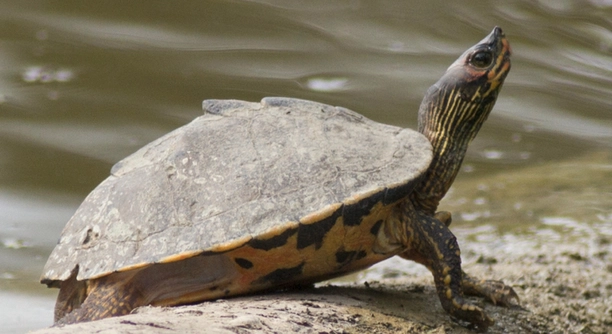
Is your Indian roofed tortoise looking a little too round or unusually thin? Maintaining a healthy weight is crucial for its overall well-being. Understanding the signs of an underweight or overweight tortoise can help you provide the best care.
An overweight Indian roofed tortoise may have excessive fat deposits around its limbs, making movement difficult. A too-thin tortoise may have a sunken appearance, visible bones, or lethargy. Proper diet, portion control, and monitoring activity levels are essential in maintaining a healthy weight balance.
Recognizing these signs ensures your tortoise stays in optimal health. Learning about proper diet, exercise, and habitat conditions will help prevent weight-related issues and promote a long, healthy life.
Signs Your Indian Roofed Tortoise Is Overweight
An overweight tortoise may have difficulty retracting its limbs into its shell. Fat deposits around the neck, legs, and tail can become noticeable. If the skin folds excessively when it moves, this can be a sign of excess weight. Reduced activity levels and labored breathing may also indicate obesity. A tortoise struggling to climb or walk as easily as before may need dietary adjustments. Overfeeding and a lack of exercise often contribute to excessive weight gain. Providing a balanced diet and ensuring proper enclosure space can help manage weight effectively.
Feeding too many high-calorie foods can quickly lead to weight gain. Fruits, while nutritious, should be offered in moderation. Leafy greens and vegetables should make up the majority of the diet. Avoid feeding protein-rich foods too often, as excessive protein can contribute to obesity and other health issues over time.
A spacious enclosure encourages movement, preventing weight-related problems. Providing climbing structures and obstacles can help promote activity. Regularly monitoring food intake and body condition ensures your tortoise maintains a healthy weight. Consistency is key when adjusting feeding habits. Simple changes, like reducing portions and offering more fibrous foods, can help. Encouraging natural foraging behavior also keeps your tortoise engaged while maintaining proper weight.
Signs Your Indian Roofed Tortoise Is Underweight
A tortoise that appears sunken with visible ribs or hip bones may be underweight. If the shell looks bony or lacks proper smoothness, it could indicate malnourishment. Weakness, lethargy, and reluctance to eat are also common signs of being too thin.
A poor diet or underlying health conditions can contribute to weight loss. Insufficient food intake or improper nutrition can lead to gradual weight decline. If a tortoise is not consuming enough fiber-rich foods, it may struggle to gain weight properly. Parasites or illness can also play a role, making veterinary care necessary in some cases. Ensuring proper habitat conditions, including correct temperature and humidity levels, is essential. If a tortoise is too cold, it may eat less and struggle with digestion.
Providing nutrient-dense foods can help an underweight tortoise regain its health. Dark leafy greens, hay, and calcium-rich vegetables should be the foundation of its diet. Soaking food in water can make it easier to eat for tortoises that struggle with chewing. If weight loss continues despite dietary improvements, seeking veterinary advice is crucial. Regular weight checks will help ensure steady progress.
Causes of Weight Issues in Indian Roofed Tortoises
Overfeeding and an unbalanced diet are common reasons for weight problems. Feeding too many high-calorie foods or offering excessive portions can lead to obesity. On the other hand, underfeeding or a lack of essential nutrients can result in weight loss and poor overall health.
Lack of physical activity can also contribute to weight issues. If a tortoise’s enclosure is too small or lacks enrichment, it may not move enough to maintain a healthy weight. Insufficient UVB lighting can lead to poor digestion and metabolism, making it difficult for the tortoise to process nutrients properly. Temperature fluctuations in the habitat can also affect appetite and energy levels, leading to weight imbalances. Ensuring a proper environment with adequate space, lighting, and temperature control is essential for maintaining a healthy weight.
Health conditions, such as parasites or infections, can cause sudden weight loss. Intestinal parasites can prevent a tortoise from absorbing nutrients properly, leading to malnourishment. Respiratory infections and metabolic bone disease may also affect appetite and overall weight. If a tortoise continues to lose weight despite a proper diet and environment, a veterinarian should assess for underlying health concerns. Regular check-ups help identify issues early, preventing severe health complications.
How to Maintain a Healthy Weight for Your Indian Roofed Tortoise
A balanced diet with the right portions is essential for weight management. Leafy greens like dandelion, collard greens, and mustard greens should be the primary food source. Vegetables such as squash and bell peppers provide additional nutrients. Fruits should be occasional treats, as too much sugar can lead to weight gain.
Providing a spacious enclosure with enrichment items encourages movement. Climbing structures, logs, and rocks create a stimulating environment that keeps a tortoise active. Regular outdoor time in a safe, enclosed area allows exposure to natural sunlight, improving digestion and metabolism. Ensuring a proper basking spot with adequate UVB lighting helps regulate energy levels and food absorption.
Monitoring weight regularly ensures early detection of imbalances. Weighing your tortoise monthly and checking for visible body condition changes can help track progress. Adjusting food intake based on activity levels prevents overfeeding or underfeeding. Consistency in feeding routines, habitat maintenance, and veterinary check-ups plays a crucial role in keeping your tortoise healthy and thriving.
Monitoring Your Tortoise’s Weight
Weighing your tortoise regularly helps track any changes in its body condition. Using a digital kitchen scale, record its weight every few weeks. A sudden increase or decrease may indicate dietary imbalances or health issues that need attention. Keeping a log ensures better monitoring over time.
Observing body shape and movement also helps assess weight. A healthy tortoise should have a smooth, well-formed shell and proportionate limbs. Excess fat deposits around the legs or a sunken appearance are signs of weight problems. Checking for these physical indicators allows adjustments to diet and care before serious issues develop.
Adjusting Diet Based on Weight
A tortoise gaining too much weight may need fewer high-calorie foods and more fibrous greens. Reducing fruit intake and offering smaller portions can help. For underweight tortoises, adding nutrient-dense foods like calcium-rich vegetables and hay encourages healthy weight gain without overloading the digestive system.
When to Seek Veterinary Care
If weight fluctuations continue despite dietary and environmental adjustments, veterinary care is necessary. Persistent weight loss, lethargy, or changes in eating habits may indicate an underlying health issue. A veterinarian can check for parasites, infections, or metabolic concerns that could be affecting your tortoise’s overall well-being.
FAQ
How often should I weigh my Indian roofed tortoise?
Weighing your tortoise once a month is ideal for tracking its health. Sudden weight changes may indicate dietary issues or illness. Keeping a weight log helps monitor trends over time, making it easier to adjust food intake or seek veterinary care if necessary.
What should I do if my tortoise is gaining too much weight?
Reduce high-calorie foods like fruits and protein-rich items. Increase fiber intake with leafy greens and low-calorie vegetables. Ensure the enclosure has enough space and enrichment to encourage movement. If weight gain continues despite adjustments, a veterinarian can check for metabolic issues or other underlying conditions.
What are the signs of an underweight tortoise?
A thin tortoise may have a sunken shell, visible bones, or loose skin. It may also be less active and eat less than usual. Persistent weight loss can signal a health problem, so adjusting the diet and ensuring proper habitat conditions is essential. Veterinary evaluation may be needed if issues persist.
Can a tortoise be overweight even if it eats healthy foods?
Yes, portion size and activity levels also affect weight. Even a diet of greens and vegetables can lead to weight gain if portions are too large. If a tortoise has limited space to move, it may store excess energy as fat. Encouraging exercise is just as important as diet.
How do I encourage my tortoise to be more active?
Provide a spacious enclosure with natural obstacles like rocks, logs, and tunnels. Outdoor time in a secure, supervised area can also promote movement. Placing food in different areas of the habitat encourages exploration. Keeping the enclosure temperature and lighting at optimal levels helps maintain energy and activity levels.
What are the risks of an overweight tortoise?
Excess weight can lead to difficulty walking, breathing issues, and organ strain. Overweight tortoises may also develop shell deformities over time. In severe cases, obesity can weaken the immune system, making the tortoise more susceptible to infections and other health problems. Maintaining a proper diet and environment helps prevent these risks.
How can I help my tortoise gain weight safely?
Increase feeding frequency while offering nutrient-rich greens, vegetables, and calcium supplements. Adding small amounts of protein, like occasional insects, can help. Ensure proper heating and UVB lighting, as cold or insufficient light can reduce appetite. Regular weight checks ensure the tortoise gains weight steadily without overfeeding.
Does temperature affect my tortoise’s weight?
Yes, temperature plays a crucial role in digestion and metabolism. If the habitat is too cold, the tortoise may eat less and lose weight. A proper basking area of 85–90°F and nighttime temperatures above 70°F help maintain a healthy appetite and digestion, preventing unwanted weight loss.
Can parasites cause weight loss in tortoises?
Yes, intestinal parasites can interfere with nutrient absorption, leading to weight loss even if the tortoise eats regularly. Other signs include lethargy, diarrhea, and a reduced appetite. A veterinarian can diagnose parasites through stool tests and prescribe appropriate treatment to restore health.
How can I tell if my tortoise’s diet is balanced?
A well-balanced diet includes leafy greens, vegetables, and occasional fruit. The shell should remain smooth, and the tortoise should have steady energy levels. Signs of imbalance include weight fluctuations, soft shell development, or changes in appetite. Adjusting food variety and portions ensures proper nutrition.
Should I be concerned if my tortoise’s weight fluctuates slightly?
Minor weight changes are normal and often depend on hydration and digestion. However, consistent weight loss or gain over several months requires attention. Monitoring trends rather than daily fluctuations helps determine if adjustments to diet or habitat are needed.
Can stress affect my tortoise’s weight?
Yes, stress from environmental changes, excessive handling, or enclosure disruptions can reduce appetite and cause weight loss. A calm, stable habitat with hiding spots and minimal disturbances promotes a healthy feeding routine and overall well-being.
How does hydration impact a tortoise’s weight?
Dehydration can lead to temporary weight loss and reduced appetite. Providing clean water and occasional shallow soaks helps maintain hydration. Fruits and vegetables with high water content, such as cucumbers and bell peppers, can also support proper hydration levels.
What should I do if my tortoise refuses to eat?
Check habitat conditions, including temperature and lighting, to ensure they are optimal. Offer a variety of foods to stimulate appetite. If the tortoise refuses to eat for an extended period or shows signs of illness, a veterinary visit may be necessary to rule out health issues.
Final Thoughts
Maintaining a healthy weight in an Indian roofed tortoise requires proper diet, exercise, and habitat conditions. Regular weight checks help track changes, making it easier to adjust feeding habits when needed. Providing a spacious enclosure with natural obstacles encourages movement, preventing unnecessary weight gain. A well-balanced diet with leafy greens, vegetables, and limited fruit supports steady growth without excess fat accumulation. Monitoring portion sizes is essential, as even healthy foods can contribute to weight problems if overfed. Ensuring proper hydration, UVB exposure, and temperature regulation also plays a crucial role in digestion and overall well-being.
Weight fluctuations are normal to some extent, but consistent weight gain or loss may indicate an issue. Adjustments in food intake, activity levels, or habitat conditions can often resolve minor imbalances. However, if concerns persist, a veterinarian can assess for underlying health problems such as parasites or metabolic disorders. Regular veterinary check-ups help ensure early detection of potential issues, improving long-term health. Providing a stress-free environment with minimal disturbances also supports consistent eating patterns and stable weight. Environmental factors like noise, sudden temperature changes, or excessive handling can affect appetite and digestion, leading to unwanted weight changes over time.
Caring for an Indian roofed tortoise requires attention to detail, but small efforts can make a big difference in maintaining health. A combination of proper nutrition, regular activity, and an optimal habitat creates a balanced lifestyle that prevents common weight-related problems. Keeping detailed records of weight, diet, and behavioral patterns helps identify trends, making it easier to provide the best possible care. Every tortoise is unique, and adjustments may be necessary based on individual needs. By focusing on a consistent routine and making gradual improvements, owners can ensure their tortoise remains healthy, active, and well-balanced throughout its life.

Hello,
If you enjoy the content that we create, please consider saying a "Thank You!" by leaving a tip.
Every little bit helps us continue crafting quality advice that supports the health, happiness, and well-being of pets around the world, for pets of all shapes, sizes, and species.
We really appreciate the kindness and support that you show us!