
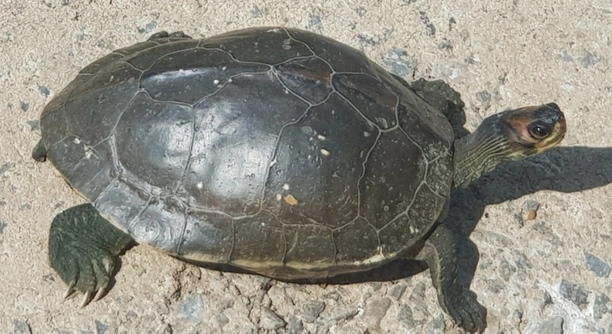
Cleaning a tortoise tank is essential to ensure a healthy environment for your Indian Roofed Tortoise. Regular maintenance helps prevent bacteria build-up and keeps your pet’s habitat clean. This guide will cover the best cleaning products for your tortoise’s tank.
To maintain an optimal habitat for your Indian Roofed Tortoise, it is important to use cleaning products that are safe, effective, and non-toxic. Products like reptile-safe disinfectants, substrate cleaners, and tank scrubbers help remove harmful bacteria without affecting your pet’s health.
Taking care of your tortoise’s environment will help keep them happy and healthy. Keep reading to discover the best cleaning products that will make tank maintenance easier.
Best Reptile-Safe Disinfectants for Tank Cleaning
When it comes to disinfecting your tortoise’s tank, using a reptile-safe disinfectant is essential. These products are designed to kill harmful bacteria without leaving harmful residues. A good disinfectant will clean surfaces thoroughly, reducing the risk of infections and promoting a healthier environment for your tortoise.
Most disinfectants made for reptiles are also safe to use on tanks, decor, and water dishes. Choose products that are non-toxic, easy to rinse off, and effective at removing dirt and bacteria. It’s important to follow the instructions carefully to avoid any harm to your pet. Also, opt for those that are fragrance-free, as strong scents can irritate your tortoise.
Reptile-safe disinfectants come in sprays or wipes and are easy to use during routine tank cleaning. Look for options with natural ingredients like citric acid or plant-based compounds. These ingredients work well without being harsh, offering a gentle solution for cleaning your pet’s tank.
Tank Scrubbers That Work
For stubborn grime, a good tank scrubber is necessary.
Tank scrubbers specifically designed for reptiles help remove tough dirt without damaging tank surfaces. Whether you use a soft sponge or a specialized scraper, these tools are gentle on the tank yet effective at eliminating accumulated waste.
Substrate Cleaners for a Healthy Tank
Substrate cleaners are essential for keeping your tortoise’s tank hygienic. These cleaners are specially formulated to remove waste and dirt from the substrate without disrupting the tank’s ecosystem. Regular use helps maintain a clean surface for your tortoise to roam freely.
Substrate cleaners are usually safe to use with a variety of bedding materials like coconut fiber, sand, or soil. Some even come with built-in brushes to help remove particles stuck deep within the substrate. Make sure to choose a cleaner that won’t affect your tortoise’s health while being effective at removing dirt and debris.
For best results, it’s important to clean the substrate regularly. A cleaner that removes waste and doesn’t leave behind residue is ideal. Using substrate cleaners helps maintain a healthy environment, which can reduce the risk of infections or health problems for your tortoise.
Tank Water Treatment Products
Maintaining clean water is just as important as cleaning the tank itself.
Tank water treatment products help remove impurities and harmful bacteria from your tortoise’s water. These treatments are often designed to neutralize chlorine and chloramines, making the water safe for your tortoise. Regularly using water treatment products ensures that your tortoise always has access to clean and safe water.
Many water treatments come in liquid form and can be easily added to the water. Some are also designed to help control algae growth, which can be a common issue in tanks. Make sure to choose a water treatment that suits your tortoise’s specific needs, especially if you keep multiple reptiles in the same tank.
Glass and Tank Surface Cleaners
Glass cleaners designed for reptile tanks help remove streaks and fingerprints, leaving the tank’s glass spotless. These products are gentle on the surface and safe for use around your tortoise. A clean tank also helps you monitor your pet’s activity more clearly.
It’s important to use glass cleaners that are free from ammonia and harsh chemicals. These can irritate your tortoise and affect their health. Look for reptile-safe formulas that are designed specifically for tanks. These options offer a safe, effective way to maintain clear glass without harmful residues.
Odor Control Products
Odor control products help keep your tortoise’s tank smelling fresh.
Using odor control products designed for reptiles ensures that your pet’s habitat doesn’t get unpleasant. These products absorb waste odors and keep the air around the tank clean. Be sure to choose odor control solutions that are safe for your tortoise’s sensitive environment.
Tank Cleaning Brushes
Tank cleaning brushes help you reach every corner of your tortoise’s habitat. These brushes are designed to be gentle yet effective at removing dirt. Proper cleaning helps maintain a healthier environment for your tortoise and can make cleaning much easier.
FAQ
What cleaning products are safe for Indian Roofed Tortoise tanks?
To ensure the safety of your tortoise, use cleaning products labeled as reptile-safe. Products like non-toxic disinfectants, substrate cleaners, and tank scrubbers designed for reptiles are ideal. Avoid harsh chemicals or products with artificial fragrances, as they can irritate your tortoise’s skin or lungs. Always check the label to ensure the product is safe for reptiles.
How often should I clean my Indian Roofed Tortoise’s tank?
It’s essential to clean your tortoise’s tank regularly to maintain a healthy habitat. Generally, you should clean the tank once a week, especially if you have a substrate that absorbs waste. If your tortoise is more active or the tank gets dirtier faster, you may need to clean it more often. Always remove waste and spot-clean the tank daily to keep the environment clean.
Can I use regular household cleaners for my tortoise’s tank?
Regular household cleaners, such as those containing bleach or ammonia, should never be used in a tortoise tank. These chemicals can be toxic to reptiles. Instead, use products that are specifically designed for reptile care. Many pet stores sell reptile-safe cleaners that are gentle yet effective at eliminating bacteria and germs.
How do I clean my tortoise’s water dish?
Cleaning your tortoise’s water dish is just as important as cleaning the tank. Remove any old water, wash the dish with warm water, and use a reptile-safe disinfectant or mild soap to scrub away any residue. Rinse thoroughly to ensure no cleaning products remain. Clean the water dish at least once a day to ensure your tortoise has access to fresh, clean water.
What type of substrate is easiest to clean for my tortoise?
Coconut coir, reptile carpet, and paper towels are some of the easiest substrates to clean. Coconut coir is absorbent and helps control odor, but it does need to be replaced or cleaned regularly. Paper towels are simple to remove and change, but they may not provide as natural an environment as other substrates. Choose a substrate that works best for your cleaning routine and the comfort of your tortoise.
Should I disinfect the tank between cleanings?
Yes, disinfecting the tank periodically is a good practice. It’s important to disinfect the tank thoroughly at least once a month to remove any buildup of harmful bacteria. Use a reptile-safe disinfectant to wipe down surfaces and decorations. After disinfecting, allow the tank to dry completely before adding new substrate or placing your tortoise back in the habitat.
How can I remove stubborn algae from my tortoise’s tank?
Stubborn algae can build up on tank surfaces if the lighting is too strong or water isn’t changed regularly. To remove algae, use a reptile-safe glass cleaner or a tank scrubber. For persistent algae, a diluted vinegar solution can help, but make sure to rinse thoroughly afterward. Avoid using harsh chemicals to prevent harming your tortoise.
Is it safe to use a pressure washer on a tortoise tank?
While a pressure washer can clean a tank quickly, it’s not recommended for tortoise tanks. The high pressure can damage delicate surfaces like glass or decorations. It could also be too harsh on the tank’s ecosystem. Instead, use a gentle scrub brush and safe cleaning solutions designed for reptiles.
How do I clean decorations and rocks in the tank?
To clean decorations, rocks, or other hard surfaces in the tank, remove them from the habitat and scrub them with warm water. Use a reptile-safe disinfectant to sanitize them, then rinse thoroughly. If there’s stubborn dirt or algae, let them soak in warm water to loosen debris. Be sure to dry them completely before placing them back in the tank.
Can I use vinegar to clean my tortoise’s tank?
Vinegar is a natural cleaner that can be used to clean your tortoise’s tank in small amounts. It’s effective at removing mineral deposits and stubborn stains. However, it’s important to dilute the vinegar with water and rinse the tank thoroughly afterward to avoid leaving any residue behind. Always ensure the tank is completely dry before reintroducing your tortoise.
How do I maintain proper humidity in the tank while cleaning?
Maintaining the correct humidity level in your tortoise’s tank is crucial for its health. When cleaning, be sure not to disrupt the tank’s humidity too much. If you replace the substrate or clean the water dish, check the humidity levels afterward. You can use a humidity gauge to monitor this. If necessary, mist the tank lightly or add a humidifier to help maintain proper levels.
What do I do if my tortoise has trouble eating after tank cleaning?
If your tortoise shows signs of stress or refuses to eat after cleaning, it may be due to changes in the environment. Ensure that the tank is cleaned and arranged in a way that is comfortable for your tortoise. Sometimes, the smell of cleaning products can cause distress, so make sure you use pet-safe cleaners and allow everything to dry and air out before your tortoise is placed back in the tank. If the issue persists, consult a vet.
Can I use a sponge to clean my tortoise’s tank?
Yes, using a soft sponge is a good option for cleaning your tortoise’s tank. It’s gentle on the surfaces and won’t scratch the glass or decorations. Make sure the sponge is clean and free from any chemicals. Avoid using rough sponges, as they may damage the tank’s surfaces or leave behind particles that can harm your tortoise.
Final Thoughts
Cleaning your Indian Roofed Tortoise’s tank is essential for maintaining a healthy environment. Regular cleaning helps prevent bacteria buildup, controls odors, and ensures your tortoise has a comfortable living space. By choosing the right cleaning products and following a consistent cleaning routine, you can create a safe and enjoyable habitat for your tortoise. Keeping their tank clean not only benefits their health but also helps you monitor their behavior and activity more effectively.
When selecting cleaning products, always opt for reptile-safe options that are free from harmful chemicals. Harsh cleaning agents can be dangerous to your tortoise, so it’s crucial to choose safe, non-toxic cleaners specifically designed for reptiles. Regular cleaning, such as wiping down surfaces and changing the water dish, is just as important as deep-cleaning the entire tank periodically. Consistency is key in maintaining a healthy environment.
In conclusion, while cleaning your tortoise’s tank may seem like a routine task, it plays a vital role in their well-being. With the right tools, products, and a consistent schedule, you can ensure your tortoise’s habitat remains clean and safe. Your tortoise will benefit from a tank that is free of debris, bacteria, and unpleasant odors, and you will enjoy the peace of mind knowing you’ve provided them with a comfortable and hygienic environment.

Hello,
If you enjoy the content that we create, please consider saying a "Thank You!" by leaving a tip.
Every little bit helps us continue crafting quality advice that supports the health, happiness, and well-being of pets around the world, for pets of all shapes, sizes, and species.
We really appreciate the kindness and support that you show us!