
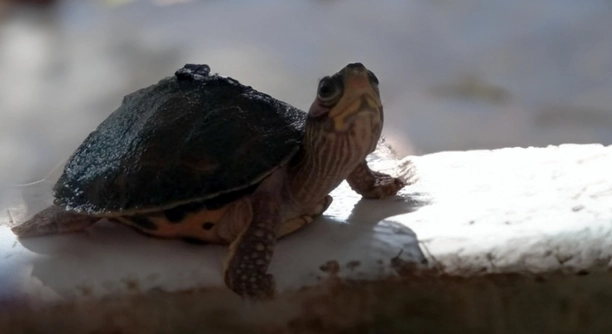
Is your Indian roofed tortoise living in a safe and healthy environment? Many factors can affect its lifespan, from diet to habitat conditions. Understanding these risks can help ensure your tortoise enjoys a long and thriving life.
Poor diet, inadequate UV exposure, and improper humidity levels are major factors that can shorten an Indian roofed tortoise’s lifespan. Stress, overcrowding, lack of clean water, and untreated illnesses can also contribute to premature health decline and reduced longevity.
Providing proper care is essential for your tortoise’s well-being. Recognizing these risks will help you make informed decisions to support its health and longevity.
Poor Diet
A balanced diet is essential for an Indian roofed tortoise to stay healthy. Feeding too many fruits, processed foods, or protein-rich items can lead to digestive issues and metabolic disorders. Lack of essential vitamins and minerals weakens the immune system, making the tortoise prone to illnesses. Leafy greens, vegetables, and calcium-rich foods should be the foundation of its diet. Overfeeding can also cause obesity, leading to mobility problems and stress. Freshwater should always be available to aid digestion and hydration. A proper diet supports growth, strengthens the shell, and prevents common health complications.
Inconsistent feeding habits can negatively impact the tortoise’s health. Sudden dietary changes may cause digestive discomfort and stress, affecting overall well-being.
Providing a variety of safe, nutritious foods is key to maintaining a healthy diet. Avoid feeding harmful items like citrus fruits, dairy products, and high-oxalate greens. Sticking to a well-balanced diet helps promote long-term health.
Inadequate UV Exposure
Indian roofed tortoises require proper UVB exposure to synthesize vitamin D3, which helps with calcium absorption. Without enough UVB light, they may develop metabolic bone disease, leading to weak shells, deformed limbs, and other skeletal issues. Indoor tortoises need artificial UVB lighting, while outdoor tortoises should have access to natural sunlight.
A lack of UVB light can result in serious health complications. Weak bones increase the risk of fractures, while shell deformities can cause mobility problems. Long-term deficiency may also lead to lethargy and decreased appetite, further impacting overall health. Regular exposure to appropriate UVB levels is necessary to maintain strong bones and a properly functioning immune system.
To prevent these issues, UVB bulbs should be placed in the enclosure and replaced every six months. For outdoor tortoises, a secure area with direct sunlight is ideal. Ensuring consistent UVB exposure will help maintain proper calcium metabolism and prevent life-threatening conditions.
Improper Humidity Levels
Humidity plays a crucial role in an Indian roofed tortoise’s health. Low humidity can lead to dehydration and respiratory problems, while excessive moisture increases the risk of shell rot and fungal infections. Keeping humidity levels balanced is necessary to prevent stress and long-term health issues.
A consistent humidity range of 60-80% is ideal. If the enclosure is too dry, the tortoise may struggle with shedding, leading to shell and skin damage. In contrast, a damp environment encourages bacterial growth, which can cause infections. Regularly monitoring humidity with a hygrometer helps maintain proper levels. Misting the enclosure, using a water dish, and providing a humid hide can help regulate moisture.
Sudden changes in humidity can cause respiratory infections, leading to wheezing, nasal discharge, and lethargy. If left untreated, these conditions can become severe. Maintaining a stable humidity level with proper ventilation and substrate choices will support a healthier living environment.
Stress and Overcrowding
A stressful environment can weaken a tortoise’s immune system, making it more susceptible to illnesses. Frequent handling, loud noises, and sudden changes in habitat conditions can cause anxiety. Overcrowding also leads to territorial disputes, competition for resources, and physical injuries, which negatively affect overall health and longevity.
Tortoises need personal space to feel secure. When too many are housed together, they may become aggressive, leading to fights and injuries. Additionally, stress from overcrowding can suppress appetite and disrupt normal behaviors. A spacious enclosure with hiding spots and proper basking areas helps reduce anxiety. Providing separate feeding stations minimizes competition and ensures all tortoises receive adequate nutrition.
To prevent stress-related health problems, keep handling to a minimum and create a peaceful environment. Avoid loud disturbances and sudden environmental changes. If housing multiple tortoises, ensure the space is large enough to prevent conflicts. Reducing stress levels contributes to a longer and healthier life.
Lack of Clean Water
Dirty water can expose an Indian roofed tortoise to harmful bacteria, leading to infections and digestive issues. Stagnant or contaminated water increases the risk of parasitic infestations, which can weaken the immune system and cause long-term health complications. Fresh, clean water should always be available.
Tortoises use water for drinking and soaking, so maintaining hygiene is essential. A shallow, easy-to-access water dish should be cleaned daily to prevent bacteria buildup. Changing the water frequently reduces the chances of contamination and helps keep the tortoise hydrated, supporting digestion and overall well-being.
Untreated Illnesses
Ignoring early signs of illness can shorten a tortoise’s lifespan. Respiratory infections, shell rot, and digestive problems require prompt attention. Lethargy, loss of appetite, and unusual behavior may indicate health issues. Regular check-ups with a reptile veterinarian ensure proper treatment and help prevent minor conditions from becoming severe.
Final Thoughts
Caring for an Indian roofed tortoise requires attention to diet, habitat conditions, and overall well-being. Addressing these common risks helps create a healthier environment, reducing the chances of illness. Small changes in care can significantly impact longevity, ensuring a happier and more active life for your tortoise.
FAQ
How often should I feed my Indian roofed tortoise?
Feeding your tortoise should be done every other day or every third day, depending on its age and size. Baby tortoises need to eat more frequently, ideally every day. The amount of food provided should be proportional to its size and activity level. A variety of leafy greens, vegetables, and a small amount of fruits can be offered. Avoid high-protein foods too often as it may lead to health issues.
Can my Indian roofed tortoise live with other tortoises?
Yes, but it’s important to ensure enough space and hiding spots to avoid territorial issues. If they are housed together, there should be no competition for food or basking areas. It’s best to observe their behavior closely to prevent fights and stress. In some cases, it might be better to keep them in separate enclosures.
What temperature should I maintain for my Indian roofed tortoise?
The ideal temperature range for an Indian roofed tortoise is between 80°F to 90°F during the day, with a basking area that reaches 95°F. At night, the temperature can drop to 70°F to 75°F. A heat lamp or a ceramic heat emitter can be used to regulate the temperature in the enclosure. Ensure that there is a gradient of temperature in the habitat so the tortoise can move to warmer or cooler areas as needed.
Is it necessary to provide a basking area for my tortoise?
Yes, a basking area is essential for your tortoise’s health. It helps regulate its body temperature and promotes the natural process of vitamin D3 synthesis, which is vital for calcium absorption. The basking area should be warmer than the rest of the enclosure, typically around 95°F.
How do I prevent shell rot in my tortoise?
To prevent shell rot, maintain proper humidity levels (around 60-80%) and provide clean, dry surfaces for your tortoise to bask. Regularly check for any signs of infection, such as soft or discolored areas on the shell. Avoid allowing the tortoise to stay in excessively wet conditions, as moisture can cause bacterial or fungal infections.
Can I let my Indian roofed tortoise roam outside?
Yes, but only under supervision. Your tortoise can benefit from exposure to natural sunlight and the outdoors. Make sure the area is safe and escape-proof, as tortoises can be slow but determined to find a way out. Also, monitor the temperature and humidity to ensure it remains in a comfortable range.
What should I do if my tortoise isn’t eating?
If your tortoise isn’t eating, the first step is to check the environmental conditions. Ensure the temperature, humidity, and lighting are optimal. Stress, illness, or even incorrect food choices can cause a loss of appetite. If the lack of appetite continues for more than a few days, consult a veterinarian to rule out any health issues.
How can I tell if my tortoise is sick?
Signs of illness in an Indian roofed tortoise include lethargy, loss of appetite, abnormal breathing, nasal discharge, swelling, or changes in behavior. If you notice any of these symptoms, it’s important to seek veterinary care promptly. Early detection can help prevent more serious complications.
What is the best substrate for my tortoise’s enclosure?
A good substrate for an Indian roofed tortoise includes coconut coir, cypress mulch, or a mixture of organic topsoil and sand. These options provide good drainage and allow for burrowing, which is essential for your tortoise’s mental and physical well-being. Avoid using cedar or pine shavings, as they contain oils that can be harmful to reptiles.
Do Indian roofed tortoises need to drink water?
Yes, water is crucial for your tortoise’s hydration and digestion. Always provide fresh, clean water in a shallow dish. It’s also important to offer a soaking area where the tortoise can hydrate, as they sometimes drink by soaking their bodies in water.
How long do Indian roofed tortoises live?
Indian roofed tortoises can live for 50 years or more in captivity with proper care. The lifespan of your tortoise largely depends on the environment, diet, and overall care it receives. Regular veterinary checkups and maintaining optimal habitat conditions can help extend their life.
What kind of light do I need for my Indian roofed tortoise?
UVB lighting is essential for your tortoise to synthesize vitamin D3 and maintain strong bones. If kept indoors, a UVB bulb should be placed in the enclosure to provide the necessary light. The bulb should be replaced every six months as its effectiveness diminishes over time.
How do I handle my tortoise safely?
When handling your Indian roofed tortoise, be gentle and avoid lifting it by the limbs or tail. Support its body evenly to avoid stress or injury. Tortoises don’t enjoy frequent handling, so it’s important to only handle them when necessary. Allow them time to explore their environment naturally.
Can I feed my tortoise fruits?
Yes, but fruits should be given sparingly. Offer fruits like berries, melons, or apples in moderation, as they are high in sugar and can upset the tortoise’s digestive system. Focus primarily on leafy greens and vegetables to maintain a balanced diet.
How do I keep my tortoise entertained?
Providing a variety of hiding spots, rocks to climb, and plants to explore will keep your tortoise mentally stimulated. Indian roofed tortoises enjoy foraging, so offering a mix of food types in different areas of the enclosure will encourage natural behavior. Make sure the space is large enough for exploration.
Should I take my tortoise to the vet regularly?
Regular veterinary visits are not required unless there is a specific health concern. However, a yearly checkup can help identify potential issues early and ensure that your tortoise is healthy. A reptile veterinarian can provide advice on diet, habitat, and general care.
Final Thoughts
Caring for an Indian roofed tortoise can be a rewarding experience, but it requires attention to detail and consistency. From providing the right diet to creating a proper habitat, every aspect of their care plays a crucial role in their overall health. Understanding their needs and respecting their natural behaviors will help them thrive. While they are relatively low-maintenance pets, they still rely on their owners to ensure their well-being. Proper lighting, heating, and a clean environment are essential for keeping them happy and healthy.
An Indian roofed tortoise has a long lifespan, often reaching over 50 years in captivity, so it’s important to be prepared for the commitment that comes with caring for one. Their diet should be varied, offering leafy greens and some fruits in moderation, and avoiding overfeeding. Regular soaking and access to fresh water will help maintain proper hydration. Monitoring their habitat conditions is just as crucial, with proper temperature, humidity, and UVB lighting necessary for their health. It’s also helpful to learn about their specific behaviors and how they interact with their surroundings. This will ensure a balanced and enriched life for your tortoise.
By staying informed and prepared, you can help your Indian roofed tortoise live a long and healthy life. Whether you are a first-time tortoise owner or have experience with reptiles, understanding these key elements of care is important. A healthy tortoise is one that enjoys a clean, safe environment with the right nutrition and the proper attention. With the right care, your tortoise will not only survive but thrive in your care for many years to come.

Hello,
If you enjoy the content that we create, please consider saying a "Thank You!" by leaving a tip.
Every little bit helps us continue crafting quality advice that supports the health, happiness, and well-being of pets around the world, for pets of all shapes, sizes, and species.
We really appreciate the kindness and support that you show us!