
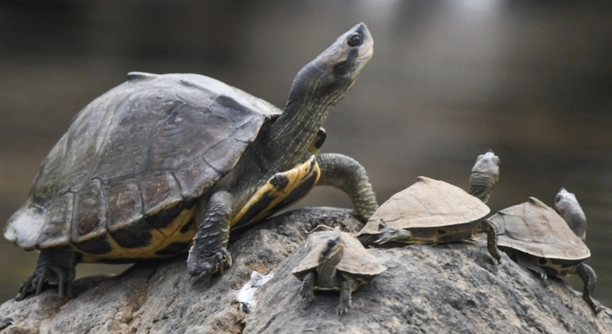
The Indian Roofed Tortoise is a popular pet, known for its unique shell and calm nature. As with any pet, it’s important to monitor its health, and this includes its weight. Knowing how to identify if your tortoise is too fat is key to maintaining its well-being.
To determine if your Indian Roofed Tortoise is overweight, observe its body shape and habits. A healthy tortoise should have a slightly rounded shell, but excessive fat can cause noticeable bulging. Regular weight checks and balanced diet are essential for its health.
Understanding the right diet and proper care will help you maintain your tortoise’s health and prevent weight-related problems.
Signs Your Indian Roofed Tortoise Might Be Overweight
When it comes to identifying whether your Indian Roofed Tortoise is too fat, there are a few key signs to look for. First, check its shell. A healthy tortoise has a slightly rounded shell, with no excessive bulging on the sides. If you notice that the shell looks overly smooth and lacks definition, it may be a sign of excess weight.
Another important indicator is its movement. An overweight tortoise tends to move slower, and you may notice it struggling to walk or right itself if flipped over. The legs may look less defined due to the extra weight, and the tortoise may also appear less active than usual.
Regular weighing can help track your tortoise’s weight and detect any sudden changes. Weight fluctuations can be influenced by diet or lack of exercise, so it’s essential to monitor this regularly. Additionally, the size of your tortoise’s head and neck can give hints. An unusually large head compared to its body is another indicator of excess weight.
Why Overweight Tortoises Are a Problem
When your tortoise carries too much weight, its overall health can be negatively impacted. Excess fat can cause strain on the organs, leading to respiratory issues and affecting the tortoise’s heart. Obesity also makes it difficult for tortoises to regulate their body temperature properly, since fat can prevent heat from reaching their internal systems.
A heavier tortoise is also more prone to joint problems due to the extra pressure placed on its limbs and spine. If left unchecked, this can result in pain, stiffness, and difficulty moving. In the long run, this can severely limit your tortoise’s mobility and quality of life.
Providing your tortoise with a well-balanced diet and ensuring it gets enough exercise is vital in preventing obesity. Overfeeding, especially with high-calcium or high-fat foods, can lead to weight gain. Be sure to offer a variety of vegetables and some fruit in moderation. When it comes to exercise, make sure your tortoise has a safe and spacious environment to move around freely.
How to Monitor Your Tortoise’s Weight
Weighing your tortoise regularly is the most effective way to monitor its health. Use a digital scale that can measure in grams, and weigh it once every few weeks. Keep track of its weight over time to spot any unusual changes.
Weight checks should be consistent to get an accurate picture of your tortoise’s health. Always weigh the tortoise in the same way, whether by placing it in a container or using a flat surface. Note down the weight on a calendar or tracking app for easy comparison. If you notice significant weight gain, it’s time to reassess its diet and exercise.
In addition to weight, check the tortoise’s overall body shape. You can easily spot excess fat by looking at the shell and limbs. A healthy tortoise’s legs should appear toned, not thick or overly rounded. The shell should not bulge excessively, indicating a good balance of weight.
Proper Diet to Avoid Overfeeding
An essential part of preventing obesity is feeding your tortoise the right types of food. A balanced diet should include dark leafy greens, such as kale, dandelion greens, and collard greens, with limited amounts of fruits and vegetables high in sugar.
Overfeeding high-calcium foods like spinach or excessive fruit can lead to weight gain. It’s important to avoid feeding your tortoise processed foods, as these are often high in unhealthy fats and sugars. Stick to natural and fiber-rich plants that mimic its wild diet. Fresh water should always be available, as hydration is crucial for digestion.
Make sure to offer food in small amounts, and remove any leftover food from the enclosure after a few hours to avoid spoilage. Monitor your tortoise’s eating habits closely, ensuring that it’s consuming the right portions. If you’re unsure about quantities, consult with a vet to establish a proper feeding routine.
The Importance of Exercise for Your Tortoise
Exercise helps keep your tortoise fit and prevent weight gain. A spacious enclosure with areas for climbing or walking encourages movement. The more your tortoise moves, the more calories it burns, helping maintain a healthy weight.
Providing a larger space for your tortoise can encourage exploration and natural behaviors. Adding some rocks, logs, or a small pool will also motivate your tortoise to stay active. Remember, tortoises need daily time outside their enclosure, if possible, to roam and get natural sunlight for both exercise and vitamin D.
How Temperature Affects Weight
Temperature plays a key role in your tortoise’s metabolism and activity levels. If the enclosure is too cold, your tortoise may become sluggish and inactive, which could lead to weight gain. A warmer environment encourages movement and proper digestion.
Maintain a temperature gradient in the enclosure, with a basking area that reaches 90°F. Cooler areas should stay around 75°F. This range will help your tortoise stay active and maintain a healthy metabolism. Ensure your tortoise has a proper heat source to stay warm and active.
Signs of Health Problems
If you notice that your tortoise is gaining weight rapidly, it may indicate a health issue. Excess fat can cause discomfort, leading to lethargy and poor mobility. If your tortoise is eating but not moving or seems to struggle with basic tasks, it’s time to consult a vet.
FAQ
How do I know if my tortoise is too fat?
You can tell if your tortoise is too fat by checking its body shape. A healthy tortoise has a slightly rounded shell with defined ridges. If the shell is excessively smooth and lacks definition, this could indicate weight gain. You should also notice whether the tortoise is moving slower or struggling to move, which is another sign of being overweight. Regularly weighing your tortoise and observing its behavior can help identify any weight issues early on.
What is the ideal weight for an Indian Roofed Tortoise?
The ideal weight for an Indian Roofed Tortoise depends on its age and size, but generally, it should weigh between 2 and 4 pounds when fully grown. The weight may vary depending on the individual tortoise’s size and environment, but it should be within a healthy range for its shell size. A healthy tortoise will have a slightly rounded shell without excessive fat, and its limbs should appear defined and not bloated.
What should I feed my Indian Roofed Tortoise?
An Indian Roofed Tortoise thrives on a diet of dark leafy greens, such as dandelion greens, collard greens, and kale. It’s also important to include other vegetables, such as zucchini, carrots, and bell peppers. Fruits should be given in moderation as they can be high in sugar. Avoid feeding your tortoise processed or fatty foods, and ensure fresh water is always available. A balanced diet will help your tortoise stay healthy and maintain a proper weight.
How often should I feed my tortoise?
Feeding frequency varies depending on your tortoise’s age and size. For young tortoises, it’s recommended to feed them daily, while adult tortoises can be fed every other day. The amount of food should be appropriate for their size. It’s important to avoid overfeeding, so keep portions manageable. Any leftover food should be removed after a few hours to prevent it from spoiling. Establishing a feeding schedule and sticking to it can help prevent weight gain.
Can I give my tortoise fruit every day?
Fruit should not be given to your tortoise every day, as it can be high in sugar, leading to weight gain and digestive issues. Fruits should only be offered as a treat once or twice a week. Stick to low-sugar options like strawberries, apples, or melons in moderation. The bulk of your tortoise’s diet should come from leafy greens and vegetables that are more fiber-rich and nutritious.
How can I encourage my tortoise to be more active?
To keep your tortoise active, provide a large enclosure with space for exploration. You can add items like rocks, logs, and a shallow pool to encourage movement and mimic a more natural environment. If possible, allow your tortoise to roam outside in a secure area where it can walk and explore freely. Daily exposure to sunlight is also crucial for their health and will encourage activity. If your tortoise is particularly inactive, you may need to assess the temperature in its enclosure.
Is it okay to let my tortoise roam outside?
Yes, it’s beneficial to let your tortoise roam outside, as long as the area is safe and secure. Make sure the space is free from predators, and be aware of any dangers such as pesticides or plants that could harm your tortoise. Outdoor exercise in natural sunlight helps your tortoise maintain a healthy weight and get the necessary UVB rays for proper calcium absorption. However, always supervise your tortoise to ensure it doesn’t wander off or get into dangerous situations.
What if my tortoise isn’t eating?
If your tortoise stops eating, it could be due to stress, illness, or an improper environment. Check the temperature and humidity levels in its enclosure, as extreme conditions can cause your tortoise to refuse food. Make sure your tortoise has a variety of fresh food options. If the problem persists for more than a few days, it’s important to consult a veterinarian to rule out any underlying health issues.
How do I create a healthy environment for my tortoise?
A healthy environment for your tortoise includes a spacious enclosure with both a warm basking area (90°F) and a cooler area (75°F). You’ll also need to provide proper lighting, such as UVB light, to ensure the tortoise gets the necessary rays for calcium absorption. The floor of the enclosure should have a suitable substrate, such as coconut coir or a mix of soil and sand, to allow for burrowing and natural behaviors. Ensure fresh water is available at all times, and clean the enclosure regularly to prevent bacteria buildup.
Can my tortoise lose weight naturally?
Yes, your tortoise can lose weight naturally if it’s placed on a proper diet and exercise routine. A balanced diet with the right portion sizes will prevent overfeeding, while regular exercise and outdoor time will help it burn excess calories. Gradual weight loss is the healthiest approach, so avoid restricting food drastically. Consult a veterinarian for guidance if you’re concerned about your tortoise’s weight or health.
Final Thoughts
Maintaining a healthy weight for your Indian Roofed Tortoise is crucial to its overall well-being. Just like any other pet, it’s essential to observe its behavior, diet, and physical appearance regularly. Being overweight can cause a range of health issues, from joint pain to organ stress, and can reduce its lifespan. By paying attention to the signs of excess weight and making necessary adjustments to its care routine, you can help your tortoise live a long, healthy life.
The most effective way to prevent obesity is by providing a balanced diet and a proper environment for exercise. You should feed your tortoise a variety of dark leafy greens, and avoid overfeeding fruits or high-calcium foods that could contribute to weight gain. Along with a healthy diet, creating a space where your tortoise can move freely is equally important. A larger enclosure with opportunities for climbing, swimming, or exploring will help keep your tortoise active and prevent it from becoming sedentary. Proper temperature and lighting are also key to maintaining your tortoise’s metabolism and overall health.
Lastly, regular check-ups, weight monitoring, and paying attention to changes in your tortoise’s behavior will help you identify problems early. If you notice any signs of weight gain or sluggishness, it’s best to consult a veterinarian. They can help assess your tortoise’s health and guide you on how to create the best care plan. By being proactive, you can ensure that your tortoise stays healthy and happy for many years.

Hello,
If you enjoy the content that we create, please consider saying a "Thank You!" by leaving a tip.
Every little bit helps us continue crafting quality advice that supports the health, happiness, and well-being of pets around the world, for pets of all shapes, sizes, and species.
We really appreciate the kindness and support that you show us!