
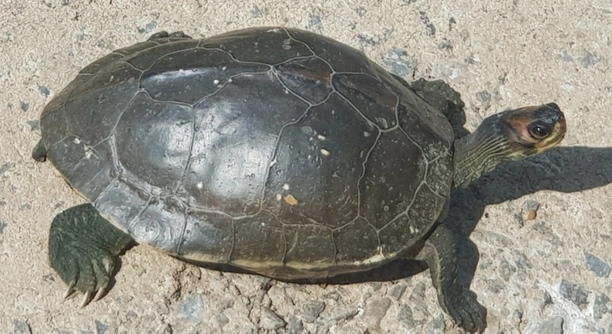
If you own an Indian Roofed Tortoise, you know how important it is to keep them healthy and happy. Calcium is essential to their well-being, and not getting enough can lead to health issues.
A lack of calcium in your Indian Roofed Tortoise can lead to weakened bones, shell deformities, and other serious health concerns. If you notice certain signs, it may be time to adjust their diet or environment to provide more calcium.
Understanding the key signs your tortoise needs more calcium will help you take action early and ensure they stay strong and healthy.
1. Soft Shell or Shell Deformities
When a tortoise is not getting enough calcium, its shell can become soft or show signs of deformation. Calcium is crucial for the development and maintenance of a strong, healthy shell. Without it, the shell may become pliable or develop indentations. If you notice these signs, it is an indicator that your tortoise’s calcium intake is insufficient. This condition can worsen over time, affecting their ability to move properly and leave them vulnerable to injury. If the problem persists, it could result in long-term damage, which can be difficult to reverse.
Tortoises need calcium to keep their shells hard and functional. Without it, the shells might soften, putting your pet at risk for infections or other health issues.
A proper calcium supplement or calcium-rich foods should be added to their diet immediately. Calcium carbonate or cuttlebone are common options, but you can also include dark leafy greens like collard greens, kale, and dandelion leaves. To help your tortoise absorb calcium efficiently, make sure it has access to UVB lighting, as it plays a crucial role in the metabolism of calcium. The UVB light will help the tortoise process and utilize the calcium, preventing further shell damage.
2. Weak or Wobbly Legs
Another common sign of calcium deficiency is weakness in the legs. Calcium supports proper bone growth and muscle function. If your tortoise is unable to move around as it usually does, or if you notice unsteady movement, this could be due to a lack of calcium. Weakness in the legs can lead to difficulty in walking or standing, and in severe cases, it might cause the tortoise to struggle with basic mobility tasks like climbing or resting properly.
This weakness is often the result of calcium depletion in the bones.
To prevent this issue, you should provide a balanced diet rich in calcium and ensure your tortoise has proper access to sunlight. If the legs remain weak despite dietary changes, it could indicate a more serious deficiency that requires attention. You can also incorporate calcium-rich foods, like alfalfa hay and clover, into their meals. Offering your tortoise a shallow water dish that allows them to soak will help in the digestion of calcium. With the right treatment, the tortoise can regain strength and continue moving normally.
3. Poor Appetite
A lack of calcium can also cause a tortoise to lose its appetite. If your tortoise has suddenly become disinterested in eating, it may be due to calcium deficiency. When calcium levels are low, your tortoise’s body may feel weak or lethargic, making it less likely to eat. This can lead to a vicious cycle where the lack of food worsens the deficiency. If this behavior continues, it can affect their overall health and cause weight loss or stunted growth.
Appetite loss can be a result of not enough calcium or an imbalance in their diet.
To encourage eating, try offering a variety of foods that are rich in calcium, like leafy greens or even some fruits in moderation. You can also dust their food with calcium powder, but make sure it is a reputable supplement. If the appetite does not return after dietary changes, it’s important to seek advice from a vet to rule out other potential health problems. Healthy eating habits are essential for tortoise health, so take action to address the lack of calcium as soon as possible.
4. Lethargy and Reduced Activity
When a tortoise isn’t getting enough calcium, it may become noticeably more sluggish. Lack of calcium can cause weakness and fatigue, making your tortoise less active than usual. It may spend more time in one spot or avoid moving altogether.
Calcium supports muscle function, and without it, the muscles can become weak, leading to tiredness. A tortoise that seems uninterested in its environment or refuses to explore may be signaling a deficiency.
You can help by ensuring your tortoise has access to proper UVB light to aid calcium absorption. Additionally, adding calcium-rich foods like spinach, dandelion greens, or calcium supplements can help them regain energy. Once their calcium levels improve, you’ll likely notice an increase in activity and engagement. If lethargy persists, it’s worth checking with a veterinarian to rule out other underlying health issues.
5. Abnormal Breathing or Wheezing
Abnormal breathing or wheezing in tortoises can be a sign of a calcium deficiency. If calcium is low, it affects the tortoise’s ability to regulate proper muscle function, including those that control the respiratory system. This can lead to irregular or labored breathing patterns.
Weak respiratory muscles can cause wheezing, and you might notice your tortoise making strange sounds when breathing. Along with calcium deficiency, respiratory issues can indicate other problems like infection, so it’s essential to act fast.
A well-balanced diet rich in calcium, along with proper hydration and UVB exposure, can help prevent these issues. If you notice any difficulty in breathing, ensure the environment is free from drafts and that your tortoise has access to a clean, dry space. If the wheezing or abnormal breathing continues, a visit to the vet is necessary. Prompt treatment is crucial to prevent further complications.
6. Jaw or Beak Deformities
Calcium deficiency can also lead to jaw or beak deformities. The lack of calcium affects the development and strength of the bones in these areas. You may notice abnormal growths or softening of the jaw or beak.
This can result in difficulty eating or closing the mouth properly.
To prevent this, ensure your tortoise gets enough calcium through its diet and supplements. Offer calcium-rich vegetables and provide a UVB light source for better calcium absorption. If you notice any deformities in the jaw or beak, it’s crucial to address the issue quickly before it worsens.
7. Delayed Growth or Stunted Development
When a tortoise is calcium deficient, growth can be significantly delayed. You might see a smaller size than expected or slower physical development, especially in young tortoises. Calcium is crucial for bone formation and overall growth.
A calcium-rich diet is key to supporting proper development.
Ensure your tortoise receives a variety of calcium-rich foods like dark leafy greens, and provide access to UVB light for optimal calcium absorption. The right balance of food and sunlight will encourage healthy growth. If delayed growth continues, consult a veterinarian for additional advice.
FAQ
What is the best source of calcium for my Indian Roofed Tortoise?
The best source of calcium for your Indian Roofed Tortoise includes cuttlebone, calcium carbonate, and calcium-rich vegetables like collard greens, dandelion greens, and kale. You can also use calcium powder as a supplement, dusting it over their food. UVB lighting is essential for calcium absorption, so make sure your tortoise has access to sunlight or a UVB bulb.
How much calcium does my tortoise need daily?
The amount of calcium required varies depending on the tortoise’s age and size. Generally, adult tortoises need less calcium compared to younger ones. For hatchlings and juveniles, a higher amount of calcium is necessary to support their growth. A good rule of thumb is to provide calcium in moderation but ensure they always have access to it. If you’re unsure, consult with a veterinarian for specific guidelines based on your tortoise’s age and health.
Can too much calcium harm my tortoise?
Yes, too much calcium can cause kidney problems, shell deformities, or organ damage. It’s essential to provide calcium in the correct amounts. Over-supplementation can lead to a condition called hypercalcemia, which causes high levels of calcium in the blood. To avoid this, always follow proper guidelines for calcium supplementation and be cautious of overusing calcium powder.
What should I do if my tortoise shows signs of calcium deficiency?
If your tortoise shows signs of calcium deficiency, such as a soft shell, weak legs, or lethargy, you should immediately increase their calcium intake. Offer calcium-rich foods, provide UVB lighting, and consider adding a calcium supplement to their diet. If the signs persist, it’s best to consult with a veterinarian for further diagnosis and treatment.
How long does it take to notice improvement after increasing calcium intake?
Improvements may take a few weeks to become visible after increasing calcium intake. Your tortoise may start showing signs of better activity and improved shell strength within a couple of weeks, but it may take longer for bone health to fully recover. Be patient and continue providing a balanced diet with calcium, UVB light, and proper care.
Should I be worried if my tortoise refuses to eat calcium-rich foods?
If your tortoise refuses to eat calcium-rich foods, it’s important to investigate the cause. It could be related to the food’s taste, or the tortoise might not be feeling well. Try offering a variety of leafy greens or using calcium powder to coat their food. If the refusal continues, check their environment for any stressors or consult a vet for advice.
Can my tortoise get enough calcium without UVB lighting?
UVB lighting is essential for calcium absorption. Without it, your tortoise may struggle to process the calcium it consumes, even if the diet is rich in calcium. UVB light helps the tortoise’s body synthesize vitamin D3, which is necessary for calcium absorption. If your tortoise doesn’t have access to natural sunlight, ensure they have a proper UVB light setup in their habitat.
How can I prevent calcium deficiency in my tortoise?
To prevent calcium deficiency, provide a diet rich in calcium, ensure your tortoise has access to UVB light, and use calcium supplements as needed. A well-balanced diet is crucial, with plenty of dark leafy greens, calcium-rich vegetables, and occasional cuttlebone. Also, maintain a proper environment for your tortoise with access to heat and light to promote overall health.
Can I use a calcium supplement for my tortoise?
Yes, calcium supplements can be used, but they should be used carefully. Use a high-quality calcium powder or a cuttlebone, and avoid supplements that contain phosphorus. Calcium should be given in moderation and should not replace a balanced diet. Regularly dust their food with calcium powder or offer cuttlebone for them to nibble on as needed.
How can I tell if my tortoise’s shell is too soft?
If your tortoise’s shell feels soft or is visibly deformed, it’s a clear sign of calcium deficiency. A healthy shell should be firm and solid. You can gently press on the shell to check for any softness or indentations. If the shell is not hard, it’s important to address calcium intake immediately and consult a veterinarian if necessary.
What are the long-term effects of calcium deficiency in tortoises?
Long-term calcium deficiency can lead to severe health issues, including weakened bones, deformed shells, and difficulty moving. In extreme cases, it can lead to paralysis or death. Ensuring that your tortoise gets adequate calcium from an early age can help prevent these issues. Regular monitoring of your tortoise’s diet and health is key.
Can a calcium deficiency affect my tortoise’s reproduction?
Yes, calcium deficiency can affect reproduction in female tortoises. Insufficient calcium can lead to problems during egg production, such as soft or malformed eggs. It can also increase the risk of egg retention, which is when the tortoise cannot lay eggs properly, leading to health complications. Proper calcium intake is crucial for reproductive health.
Calcium is a vital nutrient for the health and well-being of your Indian Roofed Tortoise. It plays a critical role in maintaining strong bones and a healthy shell, as well as supporting overall body functions. Without enough calcium, your tortoise can face several health problems, such as a soft shell, weak legs, or even difficulty breathing. Calcium deficiency can also lead to stunted growth in younger tortoises, which could affect their development over time. Therefore, ensuring your tortoise gets a proper amount of calcium in its diet is essential for its long-term health.
Providing the right sources of calcium is key. Offering calcium-rich foods like dark leafy greens, dandelion greens, and kale can be a great way to help your tortoise meet its calcium needs. In addition, you can use calcium supplements such as cuttlebone or calcium powder, which can be dusted over their food. However, it’s important to ensure that your tortoise also gets adequate UVB light, as it helps with the absorption of calcium. Without UVB light, your tortoise might not be able to properly process the calcium in its food, which could lead to health issues despite a proper diet.
Overall, keeping an eye on your tortoise’s behavior and physical condition can help you spot signs of calcium deficiency early. If you notice symptoms such as a soft shell, lethargy, or weak legs, it’s important to address the issue right away. By providing the right diet, proper UVB lighting, and supplements when necessary, you can help ensure that your Indian Roofed Tortoise remains healthy and strong. If you are unsure about your tortoise’s needs or if problems persist, consulting a veterinarian can help you better understand how to support your pet’s calcium requirements and overall health.

Hello,
If you enjoy the content that we create, please consider saying a "Thank You!" by leaving a tip.
Every little bit helps us continue crafting quality advice that supports the health, happiness, and well-being of pets around the world, for pets of all shapes, sizes, and species.
We really appreciate the kindness and support that you show us!