
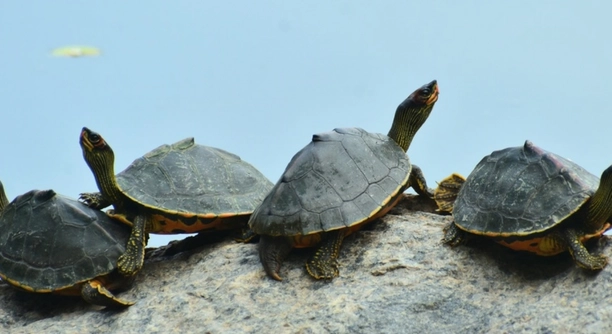
Creating a proper environment for your Indian roofed tortoise involves more than just a suitable tank size. Adequate ventilation is key to ensuring a healthy habitat for your pet. Without proper airflow, your tortoise’s living space could become damp or stuffy, which may lead to respiratory problems.
To provide proper ventilation in your tortoise tank, it’s essential to maintain air circulation, moisture control, and temperature balance. Using mesh lids, vents, or fans can help regulate airflow and reduce humidity, creating a healthier environment for your pet.
With just a few simple adjustments, you can make a huge difference in your tortoise’s well-being. Keep reading to find easy ways to improve airflow and ensure a comfortable tank for your shelled friend.
Mesh Lids for Effective Airflow
A mesh lid is one of the simplest and most effective ways to improve ventilation in your tortoise tank. These lids allow for proper air circulation while preventing your pet from escaping. They come in different sizes, so make sure to choose one that fits your tank perfectly. This simple addition can help prevent the buildup of excess humidity, which could lead to mold and health issues for your tortoise.
Mesh lids also prevent the tank from becoming too hot. They allow heat to escape, ensuring that your tortoise stays comfortable without overheating. Regularly checking the mesh for any blockages will help maintain its airflow and keep your tortoise’s environment safe.
By using a mesh lid, you are ensuring that the tank stays well-ventilated without compromising security. It’s a straightforward solution that benefits both your tortoise’s health and comfort.
Ventilation Vents for Controlled Airflow
Vents placed on the sides or top of your tank can significantly improve air circulation. These vents help keep the air inside from becoming stale, which can lead to bacteria growth and unpleasant odors. Ensure the vents are small enough to prevent escapes but large enough to allow airflow.
Adding ventilation vents in the right spots will help balance the humidity levels. If the humidity inside the tank gets too high, your tortoise could experience respiratory issues. Vents are an easy and affordable way to control airflow and humidity, so be sure to install them in well-thought-out locations.
This is a simple fix that can make a huge difference. Even a few small adjustments can go a long way in improving your tortoise’s living conditions. By ensuring the right amount of ventilation, your tortoise will stay happy and healthy.
Use of Fans for Added Air Circulation
Adding a fan to your tortoise tank can be a great way to improve airflow. It helps to keep the air moving, preventing stuffiness and moisture buildup. Just ensure the fan is positioned in a way that doesn’t blow directly onto your pet.
A small fan can work wonders for controlling humidity levels in the tank. The constant movement of air can prevent excessive moisture from settling, which is vital for your tortoise’s health. Be careful not to place the fan too close, as direct wind could stress your tortoise.
Another benefit of using a fan is that it helps regulate temperature. If the tank becomes too warm, the fan can help cool the air down, creating a more comfortable environment. Regularly clean the fan to avoid dust accumulation that could affect the airflow.
Placement of the Tank in the Room
Where you place your tortoise tank can also impact ventilation. Avoid placing it near windows or direct sunlight, as it could create hot spots and affect airflow. A location with indirect light is ideal for maintaining a stable temperature.
Try to position the tank in an area with natural air circulation. This will help promote a steady flow of air around the tank, ensuring that it stays fresh and well-ventilated. Avoid putting it in cramped spaces that might restrict airflow.
While tank placement is simple, it can make a big difference in the health of your tortoise. By keeping the tank in a well-ventilated room, you can reduce the risk of overheating and poor air quality, creating a more comfortable space for your pet.
Adjustable Humidifiers
An adjustable humidifier can help maintain the right level of moisture in your tortoise tank. It allows you to control humidity, ensuring the air doesn’t become too dry or too damp. Set it to the appropriate level to keep your tortoise comfortable.
Using a humidifier can prevent humidity spikes or drops. Too much moisture can cause mold growth, while too little moisture can dry out your tortoise’s skin. An adjustable humidifier ensures that the environment stays just right. Keep it clean to avoid mold buildup in the device itself.
Regular Tank Maintenance
Cleaning your tank regularly helps maintain proper ventilation. It reduces the chances of mold or dust buildup, both of which can hinder airflow. Cleaning is also essential for your tortoise’s health, as it helps prevent respiratory issues and other potential health problems.
By performing regular maintenance, you’ll ensure that your tortoise has a fresh, breathable environment. Wash surfaces, replace bedding, and check for any blockages that might obstruct airflow. This simple routine contributes to a healthier habitat for your pet.
Natural Ventilation from Openings
Consider using natural ventilation by leaving small openings or gaps around the tank. These can help air flow freely through the space without requiring extra equipment. Make sure these openings are secure to prevent your tortoise from escaping.
FAQ
What is the ideal humidity level for an Indian roofed tortoise tank?
The ideal humidity level for an Indian roofed tortoise tank should be around 50-60%. This range helps maintain proper hydration without promoting mold growth. It’s important to regularly monitor the humidity levels using a hygrometer. If the humidity is too high, it can lead to respiratory problems. If it’s too low, your tortoise may experience dry skin or dehydration.
To maintain the right humidity, consider using a humidifier or adjusting the ventilation. It’s also crucial to clean the tank frequently to remove any excess moisture or mold buildup. Ensuring the right balance is key to keeping your tortoise healthy and comfortable.
How do I prevent mold in my tortoise tank?
Mold can develop in your tortoise tank if the environment is too damp or if there isn’t enough airflow. To prevent mold, make sure you’re not overwatering plants and that bedding material is changed regularly. A well-ventilated tank is essential, so ensure your ventilation system is working properly.
If mold does appear, clean the tank thoroughly with a mild disinfectant and remove any moldy materials. Consider using a fan or mesh lid to improve airflow and reduce moisture buildup. A regular cleaning routine will keep your tank safe and healthy for your tortoise.
Can I use a heat lamp in my tortoise tank?
Yes, using a heat lamp in your tortoise tank is a good way to provide consistent warmth. Indian roofed tortoises are cold-blooded, so they rely on external heat sources to regulate their body temperature. A heat lamp can mimic sunlight and keep the tank warm enough for your tortoise.
However, be careful about the temperature you set. The basking spot should range from 90°F to 95°F, with the rest of the tank staying cooler. Make sure the heat lamp is positioned properly to prevent overheating. It’s also important to have a thermometer to monitor the tank’s temperature regularly.
How often should I clean my tortoise tank for proper ventilation?
You should clean your tortoise tank at least once a week to ensure proper ventilation. During cleaning, remove old food, waste, and any damp or moldy bedding. This helps keep the tank fresh and reduces the risk of respiratory problems due to poor air quality.
In addition to weekly cleaning, check the ventilation system regularly for blockages. If you’re using a fan or mesh lid, ensure they are free of dust or debris. Regular cleaning also allows you to check for any potential health hazards and maintain a safe environment for your tortoise.
Should I use a substrate in my tortoise tank?
Yes, using a substrate in your tortoise tank can help maintain humidity and provide a comfortable surface for your pet to move around. Substrates like coconut coir, cypress mulch, or organic soil are good options for an Indian roofed tortoise. They help retain moisture and promote a natural, comfortable environment.
Make sure to avoid substrates that are too dusty or too moist, as they can lead to respiratory issues or mold growth. It’s also important to replace the substrate regularly to maintain cleanliness and proper ventilation. A clean substrate also helps absorb odors and waste.
How can I ensure the tank doesn’t get too hot?
To prevent your tortoise tank from getting too hot, monitor the temperature with a thermometer. The tank should have a cooler side and a basking area with a heat source. Ensure the temperature on the cool side is around 75°F to 80°F, while the basking spot should be warmer, at 90°F to 95°F.
Good ventilation is essential to prevent overheating. A mesh lid or fan can help regulate the temperature by allowing hot air to escape. Avoid placing the tank in direct sunlight or near heat sources like radiators, as this could cause the tank to overheat quickly.
Can I use a water dish in my tortoise tank?
Yes, a water dish is essential for your tortoise’s hydration and overall health. It gives them a chance to drink and soak if needed. Make sure the water dish is shallow enough for your tortoise to enter easily but deep enough for them to drink comfortably.
It’s important to clean the water dish daily to prevent bacteria buildup. Also, make sure the water is fresh and free of debris. By providing a clean, accessible water dish, you help your tortoise stay hydrated and avoid health issues related to dehydration.
Do I need to worry about airflow at night?
Yes, airflow should be maintained even at night. Stagnant air can lead to increased humidity, which can cause respiratory issues or mold growth. If your tank is in a room with little airflow, consider using a low-powered fan or ensuring that vents remain open to allow air circulation throughout the night.
In most cases, a well-ventilated tank will have sufficient airflow both day and night. Just be sure to monitor the humidity levels and temperature, as nighttime cooling could cause the tank to become too cold if not balanced correctly.
How can I maintain proper air quality in the tank?
Maintaining proper air quality in your tortoise tank requires a combination of good ventilation, regular cleaning, and appropriate humidity levels. Regularly remove waste, food remnants, and soiled bedding to avoid any buildup of bacteria or mold.
Using mesh lids, vents, or fans will help ensure that fresh air flows through the tank. Keeping the humidity levels at the right range (50-60%) will prevent excessive moisture in the tank. Regular maintenance will ensure that the air quality remains safe and fresh for your tortoise.
Final Thoughts
Providing proper ventilation for your Indian roofed tortoise tank is essential for maintaining a healthy and comfortable environment. Without adequate airflow, the tank can become too humid or stuffy, which can cause a range of health issues for your tortoise. Ensuring proper ventilation will help prevent mold buildup, reduce the risk of respiratory problems, and promote a more stable temperature within the tank. By following simple steps like using mesh lids, installing vents, and adding fans, you can make sure your tortoise has the best living conditions possible.
It’s important to regularly check the tank for any blockages or changes in humidity. Keeping an eye on the air quality and ensuring the temperature stays within the ideal range will help your tortoise thrive. Maintaining a clean environment is also key. Make sure to clean the tank regularly, remove waste, and replace soiled bedding. This will prevent the buildup of harmful bacteria and mold, which can affect both the ventilation and your tortoise’s health. A healthy tank leads to a healthy tortoise, which is why consistent maintenance is crucial.
In the end, the small adjustments you make to improve ventilation can have a big impact on your tortoise’s overall well-being. Whether it’s through adding fans, placing vents, or adjusting the tank’s placement, every step counts. The more effort you put into ensuring proper ventilation, the more comfortable and safe your tortoise will be. It’s about creating a space that replicates natural conditions, where your tortoise can feel secure and healthy. By following these tips and staying consistent with your maintenance routine, your tortoise will have a long and healthy life in its well-ventilated home.

Hello,
If you enjoy the content that we create, please consider saying a "Thank You!" by leaving a tip.
Every little bit helps us continue crafting quality advice that supports the health, happiness, and well-being of pets around the world, for pets of all shapes, sizes, and species.
We really appreciate the kindness and support that you show us!