
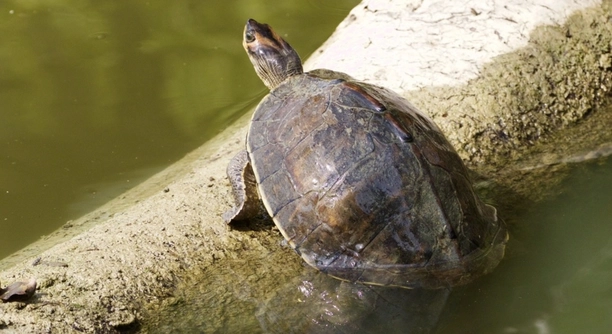
Indian Roofed Tortoises are fascinating reptiles, but like all pets, they need the right care to stay healthy. Temperature control plays an important role in their well-being, especially at night when it can get cooler.
If your Indian Roofed Tortoise is too cold at night, its body temperature will drop significantly, leading to slow movement, lack of appetite, and possible hibernation. Ensure their enclosure stays warm enough to maintain proper activity levels and health.
Keeping your tortoise comfortable during the night is key to its health. Learning how to adjust temperatures can make a big difference.
Why Temperature Matters for Your Indian Roofed Tortoise
The temperature at night can have a big impact on your Indian Roofed Tortoise’s health. These tortoises are cold-blooded, which means they rely on their environment to regulate their body temperature. If it gets too cold at night, they can become sluggish, stop eating, or even go into hibernation. In the wild, they experience natural temperature fluctuations, but in captivity, it’s important to keep their living space consistent.
A good temperature range for an Indian Roofed Tortoise is between 75°F and 85°F during the day, with a slight drop at night. However, it should never drop too low. In colder climates, it’s even more important to ensure their habitat is kept at a steady, warm temperature to avoid health issues. Monitoring the temperature will help you keep your tortoise comfortable and healthy.
If the temperature in your tortoise’s enclosure drops too low, you may notice changes in behavior. They might become less active, stop eating, or seem uninterested in exploring. These signs indicate that your tortoise is too cold, and it’s essential to fix the environment before it affects their well-being.
How to Check If Your Tortoise Is Too Cold
A thermometer is a simple way to check the temperature in your tortoise’s home. Placing it in the enclosure will help you ensure the warmth stays consistent.
When temperatures fall too low, your tortoise may begin showing signs of stress. If you notice your tortoise becoming inactive, or not eating, it’s important to act quickly. First, check the temperature. If it’s below 70°F, it’s likely too cold for your tortoise. An easy fix is adding a heat source like a heat lamp or ceramic heater. Make sure that heat is not too direct or it could cause burns. You should aim to provide warmth in one section of the enclosure, creating a gradient where your tortoise can choose to move towards the warmth or away from it if needed. It’s important to avoid drastic temperature changes, as they can stress the animal. Gradually adjusting the temperature back to a comfortable range will help your tortoise recover without harm.
Signs of a Cold Indian Roofed Tortoise
If your tortoise seems unusually inactive, it could be a sign that it’s too cold. Cold temperatures slow down their metabolism, making them less active.
Lack of appetite is another common sign of cold stress. When your tortoise is too cold, it may stop eating or drink less. This happens because a cold tortoise’s body cannot properly digest food. You may also notice them withdrawing into their shell more often. This behavior is their way of conserving body heat and protecting themselves from extreme conditions. If your tortoise is not responding to food or is staying in its shell for long periods, the temperature could be the issue.
In some cases, your tortoise may even show signs of lethargy, moving slower than usual or staying in one spot for an extended period. This indicates that it is too cold, and action should be taken to adjust the temperature quickly.
How to Fix a Cold Enclosure
First, make sure your tortoise’s enclosure is properly set up with heat sources, like a heat lamp or a ceramic heater.
Use a thermometer to monitor the temperature closely. Place the thermometer at the coldest part of the enclosure to ensure it stays in a healthy range. If the temperature is below 70°F, increase the heat gradually until it reaches a comfortable level. You can also use a reptile heating pad under one side of the enclosure to help create a warm spot. This allows your tortoise to move to a warmer area when needed. Keep in mind that the temperature should never exceed 90°F, as too much heat can also stress the tortoise. Adjusting the lighting and heating elements will help ensure your tortoise stays at the right temperature throughout the night, preventing unnecessary cold exposure.
Another way to maintain the correct temperature is by insulating the enclosure. This can help prevent heat loss during cooler nights. You can cover the enclosure with a thick blanket or place it in a room that stays warm overnight. Ensure that the heat source isn’t too close to the tortoise to avoid burns. Keeping your tortoise’s environment stable is key to its overall well-being.
Using Heat Sources Effectively
Heat lamps are a common way to keep your tortoise warm. Place the lamp on one side of the enclosure to create a heat gradient. This way, your tortoise can move to warmer or cooler areas based on its needs.
Make sure the heat lamp is the right wattage for the size of the enclosure. Too much heat can cause burns, while too little can make it difficult to reach the necessary temperatures. If you use a ceramic heat emitter, it provides steady heat without light, which is ideal for nighttime. Always monitor the temperature to avoid overheating.
Maintaining a Proper Temperature Range
Maintaining a proper temperature gradient in the enclosure is key to your tortoise’s health. A basking area should reach up to 85°F, while the cooler end can stay around 75°F to 80°F. At night, the temperature can drop to 70°F but should never go lower.
By using different heat sources or a combination of heat lamps and pads, you can create an environment that gives your tortoise a choice between warmer or cooler spots. This flexibility is important because it allows the tortoise to regulate its body temperature naturally. Never leave the enclosure unmonitored, as temperature fluctuations can harm your pet’s health.
FAQ
What temperature should my Indian Roofed Tortoise be kept at during the night?
At night, your Indian Roofed Tortoise should be kept in a temperature range of 70°F to 75°F. Temperatures below this can cause the tortoise to become too cold, leading to lethargy and potential health issues. Ensure the enclosure doesn’t drop too low, as sustained cold temperatures can slow down their metabolism. Keep in mind that tortoises need a temperature gradient in their enclosure, so they can move to a warmer area if needed.
Can I use a heat lamp at night for my tortoise?
Yes, you can use a heat lamp at night, but it’s important to choose one that doesn’t emit too much light, as it could disturb your tortoise’s natural sleeping patterns. Consider using a ceramic heat emitter, which provides warmth without light. This will keep the enclosure warm during the night without disturbing the tortoise’s rest. Ensure that the heat lamp is placed safely at an appropriate distance from your tortoise to avoid burns.
How can I tell if my tortoise is too cold?
If your tortoise is too cold, you’ll notice signs such as decreased activity, lack of appetite, or it withdrawing into its shell more than usual. The tortoise may appear lethargic and uninterested in moving around or eating. If the temperature in its enclosure is too low, these symptoms are a clear indication that the environment needs adjusting. Always check the temperature with a thermometer to make sure it’s within a safe range.
What should I do if my tortoise is too cold at night?
If your tortoise is too cold, the first step is to check the temperature in its enclosure. If it’s below 70°F, you need to raise it. You can adjust the temperature by adding a heat lamp or ceramic heat emitter. Ensure the heat source is positioned properly, creating a warm zone and a cooler zone in the enclosure. If the temperature is still too low, consider adding insulation to the enclosure or moving it to a warmer room.
Is it safe to let my tortoise roam freely at night?
It’s best to avoid letting your tortoise roam freely at night unless you have a secure, safe area for it to explore. Tortoises, especially at night, need a controlled environment to maintain their body temperature. Letting them roam freely might expose them to cold floors or unsafe conditions. Keep them in their enclosure to ensure they are safe and comfortable during the night.
How can I prevent temperature fluctuations in my tortoise’s enclosure?
To prevent temperature fluctuations, use a combination of heating methods and insulation. Ensure that heat sources like lamps or pads are placed correctly, and monitor the temperature regularly with a thermometer. Insulating the enclosure can also help, especially in cooler environments. You can cover parts of the enclosure with blankets or use foam insulation to prevent heat from escaping. Make sure there is still adequate ventilation to avoid humidity buildup.
Can a tortoise’s health be affected by being too cold at night?
Yes, if your tortoise is too cold for prolonged periods, it can lead to several health issues. Cold temperatures can slow down its metabolism, leading to loss of appetite and lethargy. If the temperature continues to drop, your tortoise may enter a state of hibernation, which can be dangerous in captivity. Hypothermia is another risk if temperatures remain too low for too long. It is essential to maintain a proper temperature to keep your tortoise healthy.
Should I provide a cooler area in the enclosure for my tortoise?
Yes, having a cooler area in the enclosure is beneficial for your tortoise. Tortoises are ectothermic, meaning they rely on the environment to regulate their body temperature. By providing a cool zone, your tortoise can move between the warm and cool areas, allowing it to choose where it feels most comfortable. This range of temperatures helps mimic its natural habitat and supports its health and well-being.
Can I use a heating pad for my tortoise at night?
Yes, a heating pad can be used to maintain warmth in the enclosure at night. Place it under one side of the enclosure to create a warm spot. It is essential to ensure that the heating pad is not too hot and that your tortoise can move away from it if needed. Always monitor the temperature to ensure that it stays within the ideal range for your tortoise.
Is it necessary to keep my tortoise warm during the night?
Yes, it is crucial to maintain warmth for your tortoise during the night. Since tortoises are cold-blooded, they rely on external heat sources to regulate their body temperature. If the temperature drops too low at night, it can slow their metabolism, leading to health problems. Keeping a consistent and safe temperature in their enclosure ensures they remain active, healthy, and able to properly digest food.
What other signs should I look out for if my tortoise is cold?
Other signs that your tortoise is cold include shallow breathing, excessive hiding in its shell, and a reluctance to move around the enclosure. It may also stop drinking water. Cold stress can lead to serious health issues like respiratory problems, so it’s important to address temperature concerns quickly. Always monitor your tortoise for these signs and act promptly to adjust the temperature in its habitat.
Final Thoughts
Ensuring that your Indian Roofed Tortoise stays warm enough at night is key to its overall health and well-being. These tortoises are naturally adapted to warm climates, and when they are kept in captivity, it’s essential to replicate those conditions as closely as possible. If the temperature drops too low, your tortoise may experience stress, become lethargic, or stop eating. This can lead to more serious health problems, so maintaining the right temperature in the enclosure is crucial. By using the right heat sources and monitoring the temperature, you can help your tortoise stay comfortable and healthy.
One of the most important things to remember is that tortoises are ectothermic animals, meaning their body temperature is regulated by their surroundings. When it’s too cold, their bodies cannot function properly. Cold temperatures can slow down their digestion, and in extreme cases, it can lead to hibernation or hypothermia. Keeping your tortoise’s environment stable, especially at night when temperatures tend to drop, will allow your pet to stay active and healthy. Using heat lamps, ceramic emitters, and proper insulation in the enclosure are all good ways to keep the temperature in check.
In conclusion, taking the necessary steps to ensure your tortoise is not too cold at night will make a significant difference in its health and happiness. Regularly monitor the temperature, observe your tortoise for any signs of discomfort, and adjust as needed. A comfortable and warm environment is essential for keeping your tortoise healthy, so investing in the right equipment to maintain that environment is worth it. With the right care and attention to temperature, your tortoise can thrive and live a long, healthy life.

Hello,
If you enjoy the content that we create, please consider saying a "Thank You!" by leaving a tip.
Every little bit helps us continue crafting quality advice that supports the health, happiness, and well-being of pets around the world, for pets of all shapes, sizes, and species.
We really appreciate the kindness and support that you show us!