
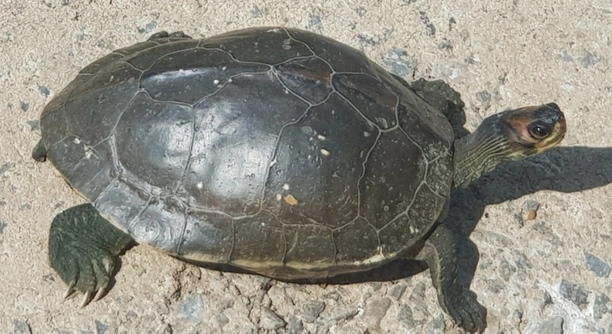
Keeping an Indian Roofed Tortoise’s tank clean is essential for its health and well-being. Regular maintenance ensures that your tortoise enjoys a safe, comfortable environment. Discovering natural ways to clean the tank can benefit both you and your pet.
Using natural methods to maintain a clean tank helps prevent harmful chemicals from affecting your tortoise. Regular cleaning through simple strategies like spot cleaning, using natural substrates, and maintaining proper filtration can make a significant difference in the tank’s cleanliness.
The following tips are easy to implement and effective for maintaining a healthy environment. These natural methods can make your cleaning routine simpler and more enjoyable.
Regular Spot Cleaning
Spot cleaning is one of the easiest and most effective ways to keep your tortoise’s tank clean. It involves removing any uneaten food, waste, or debris that may accumulate throughout the day. By doing this regularly, you can prevent dirt buildup and keep the environment fresh. This method not only improves the air quality in the tank but also helps reduce the growth of harmful bacteria. It’s best to spot clean every day to maintain a clean environment without too much effort. Make it a part of your routine, and you’ll notice an immediate difference.
While you’re spot cleaning, also check for any mold or mildew. These can grow in damp areas of the tank and pose a risk to your tortoise’s health. Keeping the substrate dry and fresh will discourage mold growth.
A simple tool like a small scoop or a hand broom can help with spot cleaning. Ensure you remove any waste or leftover food promptly. Over time, this habit will prevent odors and help maintain a healthier environment for your tortoise. Consistency is key for a cleaner tank.
Natural Substrates
Choosing the right substrate is another important step in keeping the tank clean. Natural substrates like coconut fiber or organic soil are perfect for tortoises. These materials help absorb moisture, control odor, and maintain a more natural environment. Avoid synthetic or chemically treated substrates as they can harm your pet.
These natural substrates are not only safer but also easier to clean. When you spot clean, you can simply remove and replace any soiled portions, making maintenance much simpler. Keep in mind that the right substrate can also help prevent the buildup of harmful bacteria in your tortoise’s tank.
Proper Filtration
A good filtration system is essential for keeping the water and overall tank clean. It removes waste and toxins that could harm your tortoise. A quality filter will reduce the frequency of full tank cleanings and help maintain a healthy habitat. Be sure to select a filter that suits the size of your tank.
Regularly check and clean the filter to ensure it’s working efficiently. Over time, filters can get clogged with waste, which decreases their effectiveness. If the filter is not cleaning the tank properly, it could lead to water pollution, affecting your tortoise’s health.
Consider a biological filter, which helps break down harmful substances in the water. These filters are better for long-term tank maintenance, especially if you have a water-loving tortoise or a setup with higher humidity. Proper filtration reduces your workload and keeps the water environment cleaner, creating a safer habitat.
Keep the Tank Dry
Humidity control plays a significant role in tank cleanliness. Excess moisture can lead to bacterial growth and mold. Maintaining the proper balance of humidity can help prevent these issues. If the humidity is too high, it can create an unhealthy environment.
Use a hygrometer to monitor humidity levels in the tank. Aim to keep the humidity in the recommended range for your tortoise species. If it gets too high, consider using a dehumidifier or adjusting the amount of water in the tank. Excess moisture can lead to a messy tank.
Drying the tank after cleaning is essential. Wipe down surfaces and ensure the substrate isn’t soaking wet. A dry tank will prevent mold growth and encourage a healthier living environment for your tortoise. Regularly adjusting the humidity is a simple way to maintain cleanliness.
Use Natural Cleaning Products
Avoid harsh chemicals when cleaning your tortoise’s tank. Natural cleaners, such as vinegar and water, can help sanitize without leaving toxic residues. This ensures your tortoise isn’t exposed to harmful substances. Natural products are safe and effective for regular use.
Vinegar is an excellent natural cleaner, as it helps break down dirt, remove odors, and disinfect. Mix one part vinegar with ten parts water to clean surfaces and decorations in the tank. Always rinse thoroughly afterward to ensure no vinegar residue remains.
Remove Leftover Food
Leftover food can quickly spoil and lead to bacteria growth. Make it a habit to remove uneaten food after every meal. This helps maintain a cleaner tank and prevents unwanted smells.
Regularly inspect the tank for food scraps, especially after your tortoise has eaten. Remove these pieces immediately to avoid attracting pests or causing contamination in the tank. This simple step can go a long way in maintaining a healthy environment.
FAQ
How often should I clean my Indian Roofed Tortoise’s tank?
Cleaning your tortoise’s tank should be done regularly. Spot cleaning can be done daily to remove waste and uneaten food. A full tank cleaning should be done every 2-4 weeks, depending on the size of the tank and the tortoise’s habits. This includes changing the substrate, cleaning decorations, and sanitizing surfaces.
What is the best substrate for my tortoise’s tank?
The best substrates for an Indian Roofed Tortoise’s tank are natural and safe options like coconut coir, organic soil, or cypress mulch. These substrates help absorb moisture, control odor, and create a more natural environment for your tortoise. Avoid substrates like sand or gravel, as they can be harmful if ingested.
Can I use sand in my tortoise’s tank?
While some tortoises may tolerate sand, it’s not the best choice for Indian Roofed Tortoises. Sand can lead to impaction if ingested, which can be harmful. Instead, use safer substrates like coconut coir or organic soil. These are less likely to cause health problems and provide a more suitable environment.
Should I use a water dish in the tank?
Yes, having a water dish is essential. Indian Roofed Tortoises need access to fresh water at all times. The dish should be shallow enough for your tortoise to drink and soak in. Make sure to change the water daily to prevent bacteria buildup and keep it clean.
How do I control the humidity in my tortoise’s tank?
Humidity is important for your tortoise’s health. Use a hygrometer to monitor humidity levels. If it’s too low, you can raise the humidity by lightly spraying the substrate with water. If it’s too high, reduce moisture levels by increasing ventilation or using a dehumidifier.
Can I use chemical cleaners in my tortoise’s tank?
No, chemical cleaners should be avoided. Many chemicals can leave residues that are harmful to your tortoise. Use natural alternatives, like vinegar and water, for cleaning. These products are safe, effective, and will not harm your tortoise’s health when properly rinsed and dried.
What is the best way to clean my tortoise’s tank decorations?
To clean tank decorations, remove them from the tank and scrub them with a mixture of vinegar and water. This will help disinfect the surfaces without using harmful chemicals. Make sure to rinse the decorations thoroughly before placing them back in the tank.
How can I prevent odors in my tortoise’s tank?
To prevent odors, remove uneaten food daily, spot clean the tank regularly, and change the water dish frequently. Also, consider using a natural deodorizer like activated carbon, which can help reduce smells. Keeping the tank dry and free of waste will significantly help with odor control.
How do I know if my tortoise’s tank needs a full cleaning?
You’ll know it’s time for a full cleaning when the tank starts to look dirty or there’s a noticeable buildup of waste, food, or substrate debris. If the water is cloudy or has an odor, it’s also a good sign that a full cleaning is necessary.
Can I use a filter for my tortoise’s tank?
Yes, a filter can be beneficial for maintaining clean water in your tortoise’s tank, especially if you have a water-loving species. Make sure the filter is designed for the size of your tank. Clean the filter regularly to ensure it continues to work effectively in removing waste and debris.
What temperature should my tortoise’s tank be?
Indian Roofed Tortoises need a warm environment, with temperatures ranging from 75°F to 85°F during the day. The basking area should be slightly warmer, around 90°F to 100°F. At night, temperatures can drop to around 70°F. Use a thermometer to monitor the tank’s temperature and make adjustments as needed.
How often should I replace the substrate in my tortoise’s tank?
Replace the substrate every 2-3 months or when it becomes soiled. If you notice that the substrate is retaining too much moisture or starting to smell, it’s time to replace it. Regular spot cleaning can help prolong the lifespan of the substrate, but replacing it periodically is necessary to maintain a healthy tank environment.
Can I use a UVB light in my tortoise’s tank?
Yes, providing UVB lighting is important for your tortoise’s health. UVB light helps with calcium absorption and overall well-being. Set up a UVB light to mimic natural sunlight, and make sure your tortoise has access to it for about 10-12 hours a day.
How can I reduce the amount of waste in my tortoise’s tank?
The key to reducing waste is feeding your tortoise only what it can consume. Overfeeding can lead to more waste and unnecessary mess. Additionally, providing your tortoise with a clean, dry area to eat will help keep food from spilling into other parts of the tank.
Should I add plants to my tortoise’s tank?
Adding safe, non-toxic plants can enhance your tortoise’s tank. They provide hiding places and can also help maintain humidity levels. Choose plants that are safe for tortoises, such as succulents, spider plants, and grass varieties. Avoid plants with sharp edges or toxic properties.
Can I use a heating pad in my tortoise’s tank?
A heating pad can be used, but it should not be the primary source of heat. It’s important to provide a basking area with a heat lamp as well. The heating pad can be used as a secondary heat source, especially for creating a warm spot for your tortoise to rest.
Final Thoughts
Keeping your Indian Roofed Tortoise’s tank clean is essential for its health and well-being. A clean tank helps prevent the growth of harmful bacteria and mold, reduces odors, and ensures your tortoise has a safe, comfortable living environment. Regular spot cleaning, using natural substrates, and maintaining proper humidity levels are simple but effective steps in creating a healthier habitat. By following these tips, you can make the task of tank maintenance more manageable and create a space where your tortoise can thrive.
Using natural products to clean the tank and avoiding harsh chemicals is a crucial part of maintaining a safe environment. Cleaning decorations, spot cleaning waste, and changing the water regularly can help reduce harmful contaminants. Also, choosing the right substrates for your tortoise can make a big difference in tank cleanliness. Natural substrates like coconut coir or organic soil are not only safer but also help in controlling odor and moisture levels. These small adjustments in your cleaning routine can go a long way in keeping your tortoise happy and healthy.
Finally, don’t forget the importance of a proper filtration system and the right temperature. A good filtration system helps keep the water clean, reducing the need for frequent water changes. Additionally, maintaining the correct temperature and humidity levels is essential for your tortoise’s comfort. With the right care, your tortoise’s tank can stay clean, functional, and enjoyable for both you and your pet. Regular maintenance might seem like a chore, but with the right approach, it becomes a manageable task that benefits your tortoise’s long-term health.

Hello,
If you enjoy the content that we create, please consider saying a "Thank You!" by leaving a tip.
Every little bit helps us continue crafting quality advice that supports the health, happiness, and well-being of pets around the world, for pets of all shapes, sizes, and species.
We really appreciate the kindness and support that you show us!