
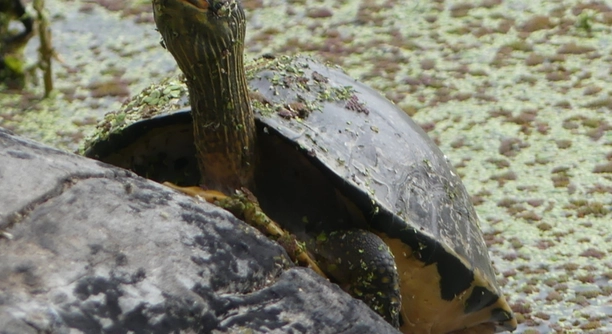
Your Indian Roofed Tortoise is a unique and fascinating pet, but like all animals, it can experience stress. Knowing the signs of stress can help you ensure its well-being. Understanding these signals is essential for providing proper care.
Stress in Indian Roofed Tortoises can be caused by several factors, such as environmental changes, improper diet, or inadequate space. Observing their behavior, such as hiding, lack of appetite, or lethargy, is key to identifying stress.
By recognizing these signs early, you can take steps to improve their environment. Proper care will not only relieve stress but also enhance your tortoise’s health and happiness.
Signs Your Indian Roofed Tortoise Is Stressed
Indian Roofed Tortoises are creatures of habit. If their environment changes or they feel unwell, they can show signs of stress. Common symptoms include hiding more than usual, lack of appetite, and moving less. A stressed tortoise might also become more aggressive or appear withdrawn. These signs are often subtle, but when you know what to look for, it’s easier to spot the issue early.
If your tortoise is stressed, it’s crucial to act quickly. Stress can lead to health issues, so addressing it promptly is important.
Overheating is another factor that can stress your tortoise. They need a warm, but not overly hot, environment. If they’re exposed to temperatures that are too high or low, they will become agitated. Ensure that their enclosure has both a warm and a cool spot. Tortoises also require proper lighting to maintain a healthy sleep-wake cycle, so it’s important to provide UVB light. Without it, their stress can increase significantly. Check the humidity levels too, as dryness can cause discomfort.
How a Poor Diet Can Contribute to Stress
A poor diet can cause your tortoise to feel stressed and unwell.
Indian Roofed Tortoises need a variety of fresh vegetables, fruits, and leafy greens. If they aren’t getting proper nutrition, their immune system weakens. This not only leaves them more susceptible to illness but also increases stress. A balanced diet will help reduce anxiety and boost overall health.
Feeding your tortoise too much high-protein food can be harmful. It can lead to kidney problems and, in some cases, cause excessive growth. Make sure the food is well-balanced and reflects their natural diet. Fresh, organic greens like dandelion leaves, clover, and grass are good choices. However, avoid overfeeding them with fruit, as it can lead to digestive problems. Proper nutrition will keep your tortoise strong, calm, and healthy.
Inadequate Space for Movement
Your Indian Roofed Tortoise needs enough space to move around freely. A cramped environment can cause stress and lead to unhealthy behaviors.
Ensure that their enclosure is spacious enough for them to roam and explore. A small or overcrowded enclosure can lead to frustration and agitation. A general rule is to have at least 40 square feet of space for an adult tortoise. Make sure there are places to hide, climb, and bask, which mimics their natural environment.
Provide enough room for them to move in different directions, as it encourages a more active lifestyle. If their enclosure is too small, they may become lethargic or show signs of aggression. Add various textures like rocks or logs to make the space more enriching. Tortoises enjoy exploring, and creating a more dynamic space will help keep them calm.
Environmental Stress Factors
Changes in the environment can greatly stress your tortoise.
Indian Roofed Tortoises thrive in stable conditions. Any sudden change, such as moving their habitat or altering temperature levels, can make them anxious. Even small fluctuations in lighting or humidity can cause discomfort. It’s important to maintain a consistent environment to keep them stress-free.
Make sure your tortoise’s enclosure has the right temperature gradient—cool, warm, and basking areas. Also, avoid placing their habitat in areas of high foot traffic or in spots where they might get startled easily. Tortoises prefer peace and quiet. If your tortoise is stressed by noise or movement, consider moving the enclosure to a more secluded spot.
Lack of Proper Lighting
Without proper lighting, your tortoise can easily become stressed.
Indian Roofed Tortoises need UVB light to help them process calcium and maintain strong bones. If their lighting isn’t right, they might become lethargic or have trouble eating.
Ensure that their enclosure has a good UVB light source for 10–12 hours a day. This helps regulate their sleep-wake cycle and ensures their health. Consider using a combination of UVB light and heat lamps to create a natural day and night cycle.
Improper Temperature Control
Temperature plays a huge role in your tortoise’s health.
Maintaining the right temperatures is crucial to keeping your Indian Roofed Tortoise comfortable. They need a warm basking spot (95°F to 100°F) and a cooler area (70°F to 80°F) to regulate their body temperature. Without this, they may become stressed and suffer from health problems.
Social Isolation
Tortoises can also feel stressed if they don’t have enough social interaction.
Indian Roofed Tortoises are solitary animals, but they do benefit from seeing other animals or having some interaction with their owners. A lack of stimulation, especially in a barren environment, can lead to stress. Allowing them to observe other pets or providing them with a variety of activities may help.
FAQ
How can I tell if my Indian Roofed Tortoise is stressed?
Stress in your tortoise can show up in different ways. The most common signs are hiding, lack of appetite, lethargy, or an overall change in behavior. If they start avoiding basking areas, don’t eat as usual, or seem to move less, these could be stress signals. You may also notice them becoming more aggressive or, conversely, retreating from social interactions. Keeping an eye on these behaviors can help you spot stress early.
What can I do if my tortoise seems stressed?
If you notice your tortoise is stressed, the first step is to check its environment. Ensure it has enough space to roam and that the temperature and lighting are correct. Look for any changes in their habitat, such as sudden noise or a shift in the type of bedding. It’s important to restore calmness by addressing these factors. Also, check if their diet is well-balanced and that they’re not being overfed. If the stress persists, consider a visit to a vet to rule out any medical conditions.
Can stress cause long-term health problems in my tortoise?
Yes, prolonged stress can lead to serious health problems, including weakened immune systems, digestive issues, and even behavioral problems. Constant stress can make it harder for your tortoise to fight off infections. It can also cause long-term depression-like symptoms. It’s essential to act quickly and make adjustments to their care to prevent lasting health impacts.
How do I make my tortoise’s habitat more comfortable?
To make your tortoise’s habitat more comfortable, provide a variety of spaces, such as hiding spots, basking areas, and cool zones. They need different temperature gradients to regulate their body heat, so ensure your enclosure has both a hot and a cool area. Make sure to include some enrichment, like rocks or logs, so your tortoise has things to explore and climb. Also, keep the habitat clean and ensure they always have access to fresh water and food.
Can a tortoise’s diet impact its stress levels?
Yes, diet plays a huge role in how your tortoise feels. An improper diet can lead to stress and health problems. If your tortoise is overfed with high-protein foods or is not getting enough variety, they may feel stressed or uncomfortable. Offering a mix of leafy greens, vegetables, and fruits will help. Also, be sure to avoid feeding your tortoise too much fruit, as it can lead to digestive issues. Keep their diet balanced and aligned with their natural eating habits to reduce stress.
What are common causes of stress for Indian Roofed Tortoises?
Several factors can stress out an Indian Roofed Tortoise. Environmental changes, like moving their enclosure or fluctuating temperatures, can cause anxiety. A lack of space or poor lighting can also be a problem. Additionally, poor diet or insufficient social interaction may lead to stress. Tortoises thrive in stable, predictable environments, so any changes to these factors could disrupt their well-being.
Is it okay to keep an Indian Roofed Tortoise with other pets?
While Indian Roofed Tortoises are generally solitary, some can live in the same enclosure with other non-aggressive animals, like certain reptiles. However, they should not be kept with other tortoises unless you’re sure they get along. Sometimes, different pets may disturb them or stress them out. Always monitor their interactions closely to ensure no harm comes from sharing space.
How do I prevent my tortoise from becoming stressed due to changes in the weather?
Changes in the weather, like extreme heat or cold, can stress your tortoise. To prevent this, you should be able to adjust their habitat conditions. During cooler weather, provide supplemental heat through lamps or a space heater to ensure they stay warm. In hotter weather, make sure there are cool areas in their enclosure and that they have access to shade. If you take them outside, ensure the temperature is within a safe range.
Can handling my tortoise too much stress it out?
Yes, handling your tortoise too much can stress it out. While they may tolerate brief interactions, constant handling can make them feel anxious and uncomfortable. It’s best to allow your tortoise to explore its environment on its own terms. If you need to handle your tortoise, keep it short and gentle. Always approach them calmly and avoid sudden movements.
How do I know if my tortoise is sick or just stressed?
It can be difficult to tell if your tortoise is sick or simply stressed, as some symptoms overlap. However, signs like weight loss, abnormal stool, or labored breathing are more likely to be related to illness. If your tortoise is not eating, becoming lethargic, or acting unusually for an extended period, a vet visit is recommended to rule out health issues. Stress usually improves once environmental factors are addressed, but illness requires medical attention.
Are there any specific things I should avoid doing to reduce stress for my tortoise?
To reduce stress, avoid frequent changes in their environment, such as moving their habitat or rearranging furniture. Loud noises and high-traffic areas should also be avoided. Don’t overcrowd their enclosure or provide poor lighting and heating. Overfeeding or feeding the wrong foods can also cause unnecessary stress. Keeping their habitat stable, clean, and enriched will help maintain a stress-free environment.
Final Thoughts
Caring for your Indian Roofed Tortoise involves understanding its needs and creating an environment that promotes its health and well-being. Stress can have serious effects on these reptiles, affecting their physical health and behavior. It’s important to recognize the signs of stress early and make changes to reduce it. Whether it’s adjusting the temperature in their enclosure, providing the right lighting, or offering a balanced diet, small changes can make a big difference.
By observing your tortoise closely, you can identify the root causes of stress and address them before they lead to more serious issues. Stress might come from things like poor diet, incorrect temperatures, lack of space, or even excessive handling. Each of these factors can be adjusted to help your tortoise feel more comfortable and relaxed. For example, ensuring they have a proper basking area, enough room to move around, and the right kind of food can all contribute to reducing stress. Providing a stable and predictable environment is key, as sudden changes can trigger anxiety in your tortoise.
Taking the time to learn about your tortoise’s natural needs and behaviors will help you provide the best care possible. It’s also important to remember that every tortoise is different. What works for one may not always work for another, so paying attention to individual needs is crucial. If you’re ever unsure about what’s causing your tortoise stress or how to fix it, don’t hesitate to consult a veterinarian with experience in reptiles. They can offer advice and guidance to ensure your tortoise is as happy and healthy as possible.

Hello,
If you enjoy the content that we create, please consider saying a "Thank You!" by leaving a tip.
Every little bit helps us continue crafting quality advice that supports the health, happiness, and well-being of pets around the world, for pets of all shapes, sizes, and species.
We really appreciate the kindness and support that you show us!