
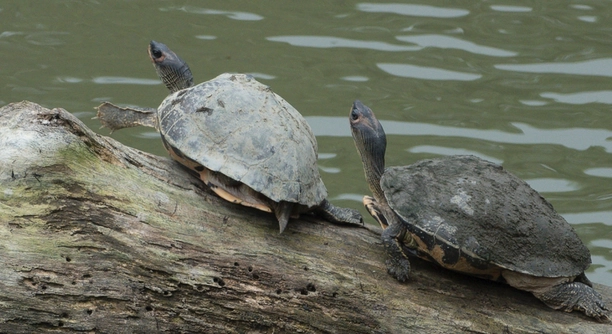
Lighting plays an essential role in the well-being of Indian Roofed Tortoises, but it can be easy to make mistakes. Understanding proper lighting will help you create a healthier environment for these fascinating creatures.
Improper lighting can cause harm to your Indian Roofed Tortoise, leading to health issues like vitamin D deficiency or shell problems. Common lighting mistakes include incorrect bulb placement, poor UVB exposure, and not providing the right heat gradient.
Knowing how to create the right lighting setup is crucial for your tortoise’s health. Addressing these lighting mistakes will help ensure that your tortoise thrives in a safe and comfortable environment.
Incorrect UVB Exposure
UVB light is crucial for the health of your Indian Roofed Tortoise. Without it, they cannot produce vitamin D3, which is necessary for absorbing calcium. A lack of UVB can lead to metabolic bone disease, a serious condition that weakens their bones and shells. Too little UVB light, or the wrong type of light, can make it difficult for them to thrive.
It’s essential to have a UVB bulb that emits the right spectrum of light for tortoises. The intensity of UVB light diminishes over time, so you should replace bulbs regularly, even if they still seem to be working.
Place the UVB bulb at an appropriate distance from your tortoise’s basking area. Too far away, and they won’t get enough exposure; too close, and they could get burned. Make sure the bulb provides UVB light for at least 10 to 12 hours each day. Keep in mind that window glass blocks UVB rays, so avoid placing the tortoise near a window for natural sunlight. Providing the correct UVB exposure is vital for your tortoise’s health.
Poor Heat Gradient
A proper heat gradient is needed for your tortoise to regulate its body temperature. Without it, they can suffer from stress, digestive problems, and weakened immune systems.
The basking area should be between 90-95°F, while the cooler side of the habitat should stay around 75-80°F. This range allows your tortoise to move between the warm and cool spots to regulate its body temperature.
Wrong Type of Bulb
Using the wrong type of bulb can impact your tortoise’s health. Standard incandescent bulbs don’t emit the proper UVB light and can generate excessive heat, leading to overheating. Choosing the right bulb that provides both UVB and the necessary heat is essential.
For tortoises, you should use a combined UVB and heat bulb or separate bulbs for each function. A UVB bulb should be used for its specific light spectrum, while a basking light can help create the warm areas they need. Avoid using bulbs that only provide heat or those that lack UVB altogether.
You should replace UVB bulbs every 6 to 12 months, as their effectiveness decreases over time, even if the light still appears to be working. Ensure that the wattage of the bulb is suitable for the size of the enclosure, as too high a wattage can cause heat stress. Keep in mind that tortoises need both warmth and UVB exposure for optimal health and proper bone growth.
Overheating the Habitat
If the temperature in your tortoise’s enclosure is too high, it can cause dehydration, stress, and heatstroke. You must maintain proper heat levels while ensuring there’s always a cool spot for your tortoise to retreat to.
Overheating can be a result of improper bulb placement or using a bulb that generates too much heat for the size of the enclosure. This can make the environment uncomfortable for your tortoise, leading to poor health. Always monitor the temperature with a reliable thermometer to avoid fluctuations that could harm your pet.
It’s essential to create a heat gradient by placing a basking lamp at one end of the enclosure. This allows your tortoise to move to cooler areas when it feels overheated. If you notice signs of excessive heat, such as your tortoise becoming lethargic, remove the heat source or adjust its distance from the enclosure. Monitoring the temperature regularly is crucial in preventing overheating.
Improper Light Duration
Tortoises need a regular light cycle to stay healthy. A lack of consistency can disrupt their circadian rhythm, causing stress and potential health problems. It’s important to provide around 10 to 12 hours of light each day.
Ensure your tortoise has access to UVB light for the recommended duration each day. Too much or too little exposure can impact their digestion, metabolism, and shell health. Using a timer for your light system will help maintain consistency, which is key for keeping your tortoise in good health.
Light cycles should be similar to natural daylight, with a clear distinction between day and night. This helps your tortoise maintain a natural sleep pattern and regulates its biological functions.
Direct Sunlight
While some sunlight can be beneficial, direct sunlight through glass can be harmful to your tortoise. Glass blocks UVB rays, limiting its exposure and effectiveness.
If you plan to let your tortoise enjoy some natural sunlight, ensure they are placed in an area without glass or use a UVB light that simulates natural sunlight. This ensures they receive the full benefits of UVB rays, helping with their vitamin D production.
FAQ
How much UVB light does my Indian Roofed Tortoise need?
Indian Roofed Tortoises require UVB light for about 10 to 12 hours a day. This helps them produce vitamin D3, which is essential for calcium absorption and overall bone health. Make sure to use a UVB light that provides the right spectrum for tortoises. Replace the bulb every 6 to 12 months, even if it still appears to be working, as the UVB output diminishes over time.
Can I use a regular light bulb for my tortoise?
No, regular light bulbs do not provide UVB light, which is necessary for your tortoise’s health. A standard incandescent bulb only produces heat, not the UVB spectrum that tortoises need. You should use a UVB bulb or a combined UVB and basking bulb to provide both heat and UVB light in your tortoise’s enclosure.
How do I know if my tortoise is getting enough heat?
Your tortoise needs a basking area that reaches between 90-95°F, while the cooler side of the habitat should stay around 75-80°F. Use a thermometer to measure the temperature in both the basking and cooler areas. This will help you monitor if your tortoise has a suitable environment to regulate its body temperature. Too high or too low a temperature can cause stress or health issues.
Can I place my tortoise near a window for sunlight?
It is not recommended to place your tortoise near a window for natural sunlight. Glass blocks UVB rays, meaning your tortoise won’t get the benefits of sunlight. If you want to provide natural sunlight, you should place them outside in a safe, enclosed space where they can get direct sunlight. Alternatively, use a UVB light designed for reptiles to ensure proper exposure.
How often should I change the UVB bulb?
UVB bulbs lose their effectiveness over time, even if they still seem to be working. You should replace UVB bulbs every 6 to 12 months, depending on the brand and usage. Always check the manufacturer’s instructions, as some UVB bulbs last longer than others. Regular replacement is essential to ensure your tortoise receives the necessary UVB exposure for health.
Is a heat lamp necessary for my tortoise?
Yes, a heat lamp is necessary to create a proper basking area for your tortoise. Tortoises rely on heat from a basking light to regulate their body temperature. Without a heat source, your tortoise can become too cold, which affects its digestion and overall health. The heat lamp should be positioned above the basking area to create the right temperature gradient.
Can too much light harm my tortoise?
Yes, excessive light or heat can harm your tortoise. Overheating can lead to dehydration, stress, and other health problems. Make sure your tortoise has access to both a warm basking spot and a cooler area in its enclosure so it can regulate its body temperature. A timer for the UVB light can help maintain a consistent day/night cycle, avoiding excessive exposure.
How long should the light be on each day?
The light cycle for your tortoise should be 10 to 12 hours of light, followed by 12 to 14 hours of darkness. This mimics the natural day and night cycle, helping your tortoise maintain a regular sleep pattern and promoting its overall health. A timer is helpful to keep the light on for the correct amount of time each day.
Can I use a heat mat instead of a heat lamp?
While heat mats are commonly used for reptiles, they should not be the sole heat source for your tortoise. Heat mats provide warmth from below, but tortoises need a basking spot that provides heat from above. The basking light simulates natural sunlight, offering both heat and light. A combination of a heat mat for background warmth and a basking lamp for the right temperature gradient is ideal.
What should I do if my tortoise is not basking?
If your tortoise isn’t basking, it could be due to several factors. The basking spot might be too hot or too cold, or the UVB light may not be strong enough. Check the temperature in the basking area and ensure the UVB bulb is providing the correct spectrum of light. If everything seems in order, try relocating your tortoise to a different part of the enclosure or adjusting the setup to encourage basking behavior.
How do I create a heat gradient in my tortoise’s enclosure?
To create a heat gradient, place a basking lamp at one end of the enclosure, ensuring the temperature reaches between 90-95°F. The other side of the enclosure should be kept cooler, around 75-80°F. This temperature range allows your tortoise to move between warmer and cooler areas to regulate its body temperature. A thermometer at both ends will help ensure the gradient is correct.
What kind of light is best for a tortoise’s enclosure?
The best light for a tortoise’s enclosure is a combination of UVB and heat. Use a UVB bulb that provides the correct light spectrum and a heat lamp to create a basking spot. Some bulbs combine UVB and heat, while others may require separate bulbs. Make sure the bulb covers enough area for your tortoise’s size and is replaced regularly.
Final Thoughts
Proper lighting is essential for the health and well-being of your Indian Roofed Tortoise. UVB light helps them produce vitamin D3, which is necessary for calcium absorption and strong bones. Without it, tortoises can develop serious health issues, including metabolic bone disease. Similarly, the correct temperature gradient allows your tortoise to regulate its body temperature, which is important for its digestion and overall vitality. Failing to provide the right lighting and heat can lead to stress and weakened immunity, making it harder for your tortoise to thrive.
When setting up your tortoise’s habitat, it’s important to be mindful of the type of light bulbs you use. Regular household bulbs do not provide the necessary UVB rays for your tortoise. Instead, opt for a UVB bulb or a combined heat and UVB bulb. Make sure to replace UVB bulbs regularly to ensure they are still effective. Additionally, the distance between the bulb and the basking area matters. Too far, and your tortoise won’t get enough exposure; too close, and it could become overheated. It’s also important to use a thermometer to monitor the temperature on both the basking side and the cooler side of the enclosure to create a proper heat gradient.
Consistency is key when it comes to lighting and temperature. Your tortoise needs a set light cycle, with about 10 to 12 hours of light each day, followed by 12 to 14 hours of darkness. This mimics natural conditions and helps your tortoise maintain a healthy sleep-wake cycle. Using a timer for the lights can make this easier to manage. Keeping track of the lighting setup and adjusting as needed will help prevent common mistakes that could harm your tortoise. By providing a proper environment with the right lighting, temperature, and care, your tortoise will have a better chance of living a long, healthy life.

Hello,
If you enjoy the content that we create, please consider saying a "Thank You!" by leaving a tip.
Every little bit helps us continue crafting quality advice that supports the health, happiness, and well-being of pets around the world, for pets of all shapes, sizes, and species.
We really appreciate the kindness and support that you show us!