
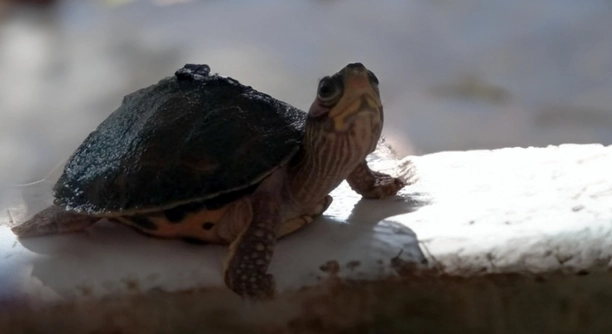
Indian Roofed Tortoises are fascinating creatures, but their diet requires careful attention. Knowing what to feed them and what to avoid is essential for their health and well-being. In this article, we will discuss seven foods you should never give them.
Feeding your Indian Roofed Tortoise the wrong foods can lead to health issues like digestive problems, obesity, or even poisoning. Some common human foods, plants, and treats are toxic or unsuitable for their diet. Always prioritize safe, nutritious options.
Understanding which foods are harmful to your tortoise is crucial. The list will guide you in keeping your pet safe and healthy, ensuring they thrive under your care.
1. Dairy Products
Dairy products like milk, cheese, and yogurt are not suitable for your Indian Roofed Tortoise. These foods can cause digestive issues, including diarrhea and stomach discomfort. Tortoises are lactose intolerant, meaning their bodies cannot process lactose properly. If given dairy, they can suffer from bloating or dehydration.
It’s important to avoid offering dairy as part of their diet, as it doesn’t provide the nutrients they need. Instead, focus on leafy greens, vegetables, and occasional fruits. Their digestive system is designed to break down high-fiber foods, not milk-based products.
Feeding dairy regularly can result in long-term health problems, including nutritional imbalances. Stick to proper tortoise food like dandelion greens, kale, and other safe vegetables that mimic their natural diet. Keep dairy products out of their reach to avoid any potential harm, and always choose tortoise-friendly alternatives. Remember, what may seem like a treat to you could lead to serious issues for your pet.
2. Processed Foods
Processed foods, such as chips, bread, or anything high in salt and sugar, should never be fed to a tortoise. These items are not only nutritionally poor but can be harmful to their health.
Tortoises need food that aligns with their natural diet, primarily consisting of plants and vegetables. Processed foods are too rich in additives and preservatives, which can disrupt their digestion and metabolism. The excessive salt can also cause kidney damage over time.
While it may be tempting to share a snack with your tortoise, it’s crucial to remember that they do not digest processed foods well. This kind of diet can lead to dehydration, metabolic disorders, and other severe health issues. Keep these foods far from your pet and opt for fresh, whole foods instead. Regularly offering the wrong foods can lead to malnutrition, which might show through a dull shell or a decrease in activity. Stick to natural foods to ensure their health and longevity.
3. Avocados
Avocados contain a toxin called persin, which can be dangerous for tortoises. Even small amounts can lead to heart problems, breathing difficulties, or death. It’s best to avoid feeding them avocados altogether.
While humans enjoy avocados for their healthy fats, tortoises cannot process this fruit properly. Persin can build up in their system and cause serious damage. Symptoms of poisoning can include lethargy, swelling, or difficulty breathing. It’s crucial to ensure that tortoises don’t have access to avocado, whether it’s the flesh, skin, or pit.
If you suspect your tortoise has eaten avocado, monitor them closely. If any unusual symptoms arise, take them to the vet immediately. Keeping toxic foods like avocado out of their diet will keep your tortoise happy and healthy, avoiding unnecessary risks. Stick to safer, recommended foods instead.
4. Rhubarb
Rhubarb leaves contain oxalic acid and anthraquinone glycosides, which are highly toxic to tortoises. Even small amounts can be fatal. Never offer rhubarb to your tortoise.
Though rhubarb stalks are sometimes used in cooking for humans, the leaves should never be fed to any animal, especially a tortoise. If consumed, it can lead to kidney failure, digestive problems, and severe dehydration. The leaves contain a much higher concentration of toxins than the stalks. It’s essential to remove any rhubarb plants from your garden to ensure your tortoise is safe.
In addition to rhubarb, be cautious about other plants that might grow in your yard. Some plants can be toxic to tortoises without obvious signs, so it’s important to double-check that everything in their environment is safe for consumption. Stick with proven, safe foods to prevent poisoning.
5. Iceberg Lettuce
Iceberg lettuce lacks the nutritional value needed for a healthy tortoise diet. It’s mostly water and offers very little fiber or vitamins.
Feeding iceberg lettuce to your tortoise can fill them up without providing any real benefits. It can cause digestive problems due to its high water content and lack of nutrients. It’s better to choose darker, leafy greens like kale or collard greens, which are rich in vitamins and fiber.
While it might seem like a refreshing treat, iceberg lettuce doesn’t promote your tortoise’s overall health. Stick with more nutrient-dense greens for a well-balanced diet.
6. Meats
Tortoises are herbivores and should never be fed meat. They do not have the digestive system to process animal protein properly.
Feeding meat to your tortoise can cause them to experience digestive distress and imbalanced nutrient levels. Meats can also introduce harmful bacteria into their system, which can lead to infections. Avoid all forms of animal-based protein, such as cooked or raw meat, insects, or eggs.
Maintaining a strictly plant-based diet for your tortoise ensures their long-term health. Offer them a variety of vegetables, fruits, and leafy greens that meet their dietary needs. Stick with what’s natural for them.
FAQ
Can I feed my Indian Roofed Tortoise fruits?
Yes, but only in moderation. Fruits like strawberries, mangoes, and papayas are safe for tortoises, but they should not be a regular part of their diet. Fruits are high in sugar and can cause digestive problems or weight gain if fed too often. Offer fruits occasionally as a treat, not as a staple. Always ensure the fruit is fresh and free from pesticides or chemicals. The majority of their diet should consist of leafy greens, vegetables, and safe plants.
Is it okay to feed my tortoise spinach?
Spinach can be fed to your tortoise, but it should only be offered occasionally. It contains oxalates, which can bind with calcium and lead to health issues like kidney stones over time if consumed too frequently. If you do choose to feed spinach, pair it with other, calcium-rich vegetables to maintain a balanced diet. There are better, more calcium-rich leafy greens that should be prioritized for regular feeding, like kale or collard greens.
What about feeding my tortoise flowers?
Many flowers are safe and nutritious for tortoises, but you must be careful with which ones you choose. Flowers like dandelions, hibiscus, and marigolds are great options and can provide vitamins and variety in their diet. However, avoid flowers that may have been treated with pesticides or chemicals. Always make sure the flowers are safe and non-toxic before offering them to your tortoise. Be cautious of potentially harmful flowers like lilies or chrysanthemums.
Can I give my tortoise cooked vegetables?
It’s best to feed your tortoise raw vegetables rather than cooked ones. Cooking can destroy the vitamins and nutrients that are essential to their health. Additionally, some vegetables, when cooked, may lose their fiber content, which is critical for proper digestion. Stick with fresh, raw vegetables like carrots, bell peppers, and leafy greens to provide your tortoise with the best nutrition.
Are there any plants I should avoid in my garden?
Yes, there are several plants that are toxic to tortoises and should be kept out of their reach. These include oleander, azaleas, and foxglove, which can cause severe poisoning if ingested. Some common garden plants like daffodils or tulips are also dangerous for tortoises. Always research any plant before allowing your tortoise to have access to it. If you’re unsure, it’s safer to keep plants out of their environment or use tortoise-safe ones in your garden.
Can I feed my tortoise nuts and seeds?
Nuts and seeds should not be part of your tortoise’s diet. While some nuts might seem like a healthy snack, they are high in fats, which are not suitable for tortoises. These high-fat foods can cause weight gain and disrupt their digestive system. Seeds may also be hard for tortoises to digest and could lead to intestinal blockages. Stick to a diet rich in vegetables, leafy greens, and fruits that are safe for tortoises.
How often should I feed my Indian Roofed Tortoise?
Indian Roofed Tortoises should be fed daily, but the amount will depend on their age, size, and activity level. Juvenile tortoises typically need to eat more frequently than adults, who may require less food. Offer them a variety of leafy greens, vegetables, and occasional fruits. Provide fresh food daily, ensuring it is clean and free of pesticides. Fresh water should always be available, and it’s essential to avoid overfeeding to prevent obesity. Monitor their weight and adjust portions as necessary.
Can I feed my tortoise lettuce?
Yes, but avoid iceberg lettuce, as it has little nutritional value. Romaine or other darker, leafy lettuces can be fed in moderation. Lettuce is high in water and fiber, but not much else. Therefore, it should only be an occasional part of their diet. Stick with a variety of leafy greens and vegetables to ensure they get a well-rounded mix of nutrients.
Are commercial tortoise foods a good option?
Commercial tortoise foods can be convenient but should not be the main part of your tortoise’s diet. These foods often contain additives and preservatives that might not be suitable for your pet. If you choose to use commercial food, make sure it is specifically formulated for tortoises and check the ingredient list for harmful substances. Use it as a supplement to fresh vegetables, not as a replacement for a healthy, natural diet.
Can I feed my tortoise grass from outside?
Yes, grass from your yard can be a safe and nutritious option for your tortoise, but make sure it has not been treated with chemicals, pesticides, or fertilizers. Fresh, untreated grass is a great source of fiber and can be an excellent addition to their diet. Just be cautious of where you are sourcing the grass, as some lawns are treated with harmful substances that can make your tortoise sick. Always wash any grass thoroughly before feeding it to your tortoise.
Should I supplement my tortoise’s diet with calcium?
Yes, tortoises need calcium to keep their shells and bones strong. It’s important to provide a calcium supplement, especially if your tortoise is not getting enough from its diet. You can dust their food with a calcium powder or offer cuttlebone, which is a natural source of calcium. Calcium supplementation is particularly important for growing tortoises and females who are laying eggs. However, always consult a vet to ensure you are providing the right amount, as excess calcium can also cause health problems.
Final Thoughts
Taking care of an Indian Roofed Tortoise involves more than just feeding them the right foods. Understanding which foods are harmful is essential to keeping your tortoise healthy and safe. Tortoises have specific dietary needs that differ from other pets, so it’s important to know what to avoid. By avoiding foods like dairy, avocados, and processed snacks, you can prevent health issues that might otherwise arise. Keeping their diet full of fresh vegetables, safe fruits, and leafy greens is the best way to ensure they live a long and happy life.
It’s easy to make mistakes, especially when you’re unsure about what foods are safe. However, once you learn about the harmful foods, it becomes much easier to make better decisions for your tortoise. While some human foods may seem harmless, they can cause serious problems for your pet’s digestive system. If you ever have doubts about a particular food item, it’s better to be cautious and not feed it to your tortoise. When in doubt, always stick to foods that are recommended for their specific dietary needs.
Lastly, always monitor your tortoise’s overall health. If you notice any changes in their behavior, appetite, or shell condition, it’s important to consult with a vet who specializes in reptiles. Regular check-ups can help prevent long-term health problems and ensure that your tortoise is thriving. By providing a balanced, well-rounded diet and keeping track of their well-being, your Indian Roofed Tortoise will enjoy a healthy and fulfilling life under your care.

Hello,
If you enjoy the content that we create, please consider saying a "Thank You!" by leaving a tip.
Every little bit helps us continue crafting quality advice that supports the health, happiness, and well-being of pets around the world, for pets of all shapes, sizes, and species.
We really appreciate the kindness and support that you show us!