
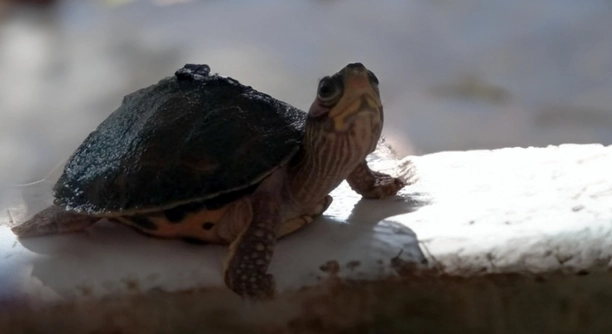
Is your Indian roofed tortoise spending long hours basking under the sun, and you’re unsure if it’s getting too hot?
The easiest way to tell if your Indian roofed tortoise is overheating is by observing signs like lethargy, excessive panting, or seeking shade frequently. Overheating can quickly lead to serious health issues, including heatstroke.
Recognizing these signs early will help you keep your tortoise safe, comfortable, and thriving under the right conditions.
Common Signs Your Indian Roofed Tortoise Is Overheating
Indian roofed tortoises can tolerate warmth, but too much sun can overwhelm them. One of the first signs is lethargy; they might stop moving around and appear unusually still. Another clear sign is heavy breathing or open-mouth panting. Their shell and skin may feel hotter than usual to the touch. Sometimes, you’ll notice them repeatedly retreating to shaded areas, trying to cool off. Dehydration can also occur, causing sunken eyes or dry skin. If left unaddressed, overheating may progress to more serious conditions like heatstroke. It’s essential to recognize these signals early and act quickly by moving the tortoise to a cooler space and providing water. Prolonged exposure without relief can be dangerous, leading to long-term health issues or even death. Knowing these signs helps prevent harm and keeps your tortoise safe.
Lethargy, panting, and persistent shade-seeking are key indicators that your tortoise may be struggling with excessive heat.
Monitoring their behavior during hot days ensures you can intervene before the situation becomes serious. Keeping your tortoise comfortable starts with understanding how they react to temperature changes.
How to Prevent Overheating in the First Place
Limiting direct sun exposure is the simplest way to prevent your tortoise from overheating.
Providing a shaded area in their enclosure is crucial. You can use plants, shelters, or artificial shade structures to block out harsh sunlight. Ensure fresh water is always available, as hydration plays a key role in regulating body temperature. Avoid placing their habitat in areas with reflective surfaces like concrete, which can amplify heat. It’s helpful to check the ground temperature regularly—what feels warm to you can be dangerously hot for them. If temperatures are expected to be high, consider bringing your tortoise indoors or into a cooler, well-ventilated space during peak heat hours. Another useful method is to lightly mist their enclosure or offer a shallow soaking dish, allowing them to cool themselves naturally. Taking these small precautions keeps your tortoise healthy and stress-free during warmer months.
What to Do If Your Indian Roofed Tortoise Is Overheating
Move your tortoise to a shaded or cooler spot immediately. Offer clean, fresh water and avoid handling it too much, as this may cause additional stress. Monitor its breathing and behavior closely for any signs of continued distress.
If your tortoise continues to pant or act lethargic after being moved to a cooler place, try giving it a shallow soak in lukewarm water. This helps lower its body temperature gently without shocking its system. Keep the water shallow, just enough to cover its legs. Avoid using cold water, as a sudden drop in temperature can do more harm than good. Make sure the environment stays calm and quiet. After soaking, let it rest in a shaded area and keep observing it. If signs don’t improve, contacting a reptile veterinarian is the safest next step.
Always monitor the tortoise’s condition for the next few hours after cooling measures. Watch for normal behaviors like slow walking, regular breathing, and steady alertness returning. Prevent further overheating by keeping it indoors or under shelter for the remainder of the day. Keep water accessible at all times. Overheating recovery is gradual, so don’t rush the process. Taking these steps helps ensure your tortoise returns to normal safely.
Ideal Temperature Range for Indian Roofed Tortoises
Indian roofed tortoises do best in temperatures between 75°F to 85°F during the day. Night temperatures can safely drop to around 65°F. Anything above 90°F puts them at risk of overheating, especially without shade or water access.
Maintaining the proper temperature balance is essential for their health. Outdoor enclosures should always have both sunny spots and shaded areas, allowing them to regulate their body heat naturally. On extremely hot days, you may need to limit outdoor time to early mornings or late evenings. Indoors, use thermometers to ensure basking spots don’t exceed 85°F. At night, avoid heating elements unless temperatures drop below 60°F, as they prefer cooler conditions while resting. Being consistent with temperature management supports not only their comfort but also their immune system, appetite, and overall behavior.
How Long Can Indian Roofed Tortoises Stay in Direct Sun
Indian roofed tortoises can safely stay in direct sun for about 20 to 30 minutes at a time, depending on the heat intensity. Any longer without access to shade or water increases the risk of dehydration and overheating.
Always provide a shaded area nearby when they are basking. Monitor them closely, especially during peak afternoon hours. If they appear restless or try to hide, it’s a sign they’ve had enough sun exposure and need a break.
Best Shade Options for Outdoor Enclosures
Using natural plants like broad-leafed shrubs or low trees creates great shaded spots in an outdoor tortoise enclosure. Additionally, artificial options like wooden shelters, plastic hideouts, or shade cloths stretched over part of the enclosure can block direct sunlight effectively. It’s best to mix both natural and artificial shade to ensure coverage throughout the day. Make sure shade spots are large enough for the tortoise to move freely and stay cool. Always check throughout the day to ensure that as the sun moves, there’s still enough shaded space available.
Importance of Fresh Water Availability
Fresh water helps regulate your tortoise’s body temperature. Always keep a shallow, clean dish of water in the enclosure, especially on warmer days. Proper hydration reduces the risk of overheating and supports their overall health.
FAQ
How can I tell if my Indian roofed tortoise is too hot?
Your tortoise may show signs like heavy panting, lethargy, or attempting to hide in shaded areas. Its shell and skin might feel unusually warm when touched. Some tortoises will stop eating or become restless. These are all clear signals of overheating and should be taken seriously.
What should I do immediately if my tortoise is overheating?
First, move your tortoise to a shaded, cooler area. Avoid any direct sun exposure. Provide fresh, cool (not cold) water. You can also give a shallow lukewarm soak to help lower body temperature gently. Keep it calm and observe closely for improvement over the next few hours.
How often should I check on my tortoise during hot days?
It’s best to check every 30 minutes to an hour when temperatures are high. This helps you spot early signs of overheating before they become serious. Regularly monitor their behavior, breathing, and position in the enclosure to ensure they’re not staying in the sun too long.
Can I leave my tortoise outside all day in the summer?
Only if the enclosure has ample shade, fresh water, and temperatures stay within the safe range of 75°F to 85°F. If the day’s temperature exceeds 90°F, it’s safer to limit outdoor time to early morning or evening hours and bring them inside during peak heat.
What is the safest way to set up shade in the enclosure?
Use natural plants like low trees, bushes, or broad-leafed shrubs. You can also use wooden shelters, large flat rocks, or shade cloth secured above part of the enclosure. Make sure shaded areas shift with the sun’s movement, providing continuous coverage throughout the day.
Should I mist my tortoise if it seems hot?
Yes, a light misting can help cool your tortoise down. Use clean, room-temperature water. Avoid soaking the enclosure, but lightly misting the tortoise’s shell and surrounding area provides some relief. Always pair misting with access to shade and water to keep it comfortable.
Is it normal for my tortoise to stop eating in the heat?
It’s common for tortoises to eat less when they’re overheated. However, this is a sign you need to intervene. Move them to a cooler, shaded area, offer water, and let them rest. Once their body temperature stabilizes, their appetite usually returns to normal.
What temperature is too cold for my tortoise at night?
Indian roofed tortoises can tolerate cooler night temperatures, down to about 60°F. Anything consistently lower may cause stress or make them more prone to illness. Avoid using heating elements unless absolutely necessary, as they prefer a natural drop in temperature at night.
How much water should I leave in their enclosure?
Always provide a shallow dish of clean, fresh water. It should be large enough for your tortoise to drink from and, if desired, soak its legs. Refill and clean it daily, especially during hot weather, to prevent bacteria growth and ensure proper hydration.
What happens if my tortoise overheats repeatedly?
Repeated overheating can cause serious health issues like heatstroke, dehydration, organ stress, and even long-term damage. Consistent exposure to unsafe temperatures weakens their immune system and increases vulnerability to illnesses. Preventative care—shade, water, and temperature monitoring—is the best way to keep them healthy.
Final Thoughts
Keeping your Indian roofed tortoise safe from overheating is all about paying close attention to its environment and behavior. These tortoises enjoy basking, but too much sun can harm them quickly. Watching for signs like heavy breathing, lethargy, or constant shade-seeking will help you catch overheating early. Simple actions, such as moving them to a cooler area, offering fresh water, or providing a shallow soak, can make a big difference. Setting up their outdoor space with plenty of shade and checking the temperature regularly also plays an important role. These small steps prevent unnecessary stress and keep your tortoise comfortable, especially during warmer months.
Understanding the ideal temperature range is key. Indian roofed tortoises thrive best when daytime temperatures stay between 75°F and 85°F, with slightly cooler nights. Anything above 90°F without relief puts them at risk. Always give them options to cool down naturally—whether through shaded areas, water dishes, or shelter. Limiting sun exposure to about 20 or 30 minutes at a time, particularly when the sun is strongest, helps avoid dangerous overheating. Monitoring the enclosure closely, adjusting shade throughout the day, and keeping water available all contribute to a balanced, healthy environment. These practices not only prevent overheating but also support their long-term well-being.
By staying observant and making a few adjustments, you can easily create a safe habitat for your tortoise. Heat stress is preventable with the right care and attention. Watching how your tortoise behaves during hot weather helps you recognize when to step in. Offering shade, fresh water, and the ability to cool down gives your tortoise the comfort and security it needs. Over time, these habits become routine, ensuring your tortoise remains happy and healthy year-round. Keeping their needs in mind, especially during summer, leads to fewer risks and more peace of mind for you.

Hello,
If you enjoy the content that we create, please consider saying a "Thank You!" by leaving a tip.
Every little bit helps us continue crafting quality advice that supports the health, happiness, and well-being of pets around the world, for pets of all shapes, sizes, and species.
We really appreciate the kindness and support that you show us!