
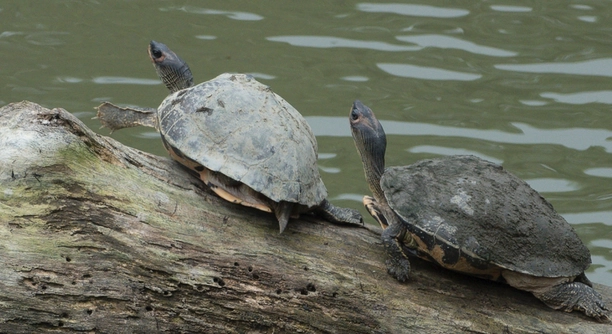
The Indian Roofed Tortoise is a unique and fascinating pet, but it can be challenging to know when they are truly happy and healthy. Observing their behavior and physical signs is key to understanding their well-being.
Healthy and happy Indian Roofed Tortoises exhibit active behavior, clear eyes, and a good appetite. Proper hydration, a balanced diet, and a suitable habitat that mimics their natural environment contribute to their overall health and happiness.
Understanding the signs of a healthy tortoise ensures that you can properly care for it, supporting its well-being and longevity.
Key Signs of a Happy Indian Roofed Tortoise
When your tortoise is content, you’ll notice certain behaviors. They tend to be more active, moving around their enclosure regularly. A healthy tortoise will bask in the warmth of their habitat, stretch their limbs, and explore. Their shell should appear firm and smooth, without cracks or damage. Eating well is another key indicator—if your tortoise is nibbling on a varied, nutritious diet, it’s a good sign they are feeling good. Healthy tortoises also display curiosity and are eager to explore their surroundings.
Their eyes should be bright and clear, free from discharge. If your tortoise is withdrawn, spends too much time hiding, or has cloudy eyes, it may be a signal that something is off. These behaviors should not be ignored, as they can be indicators of stress or illness.
Overall, observing your tortoise’s routine and making sure their environment is comfortable and stimulating helps in keeping them happy and healthy.
Essential Care for a Healthy Habitat
Your tortoise’s habitat plays a huge role in its happiness and health. A proper tank setup includes appropriate lighting, temperature, and humidity levels.
A spacious enclosure allows your tortoise to move freely. Be sure to provide basking spots where they can absorb warmth and hideaways for comfort. If the environment is too cold or too dry, they could suffer health issues. Always maintain clean water for hydration and a consistent feeding schedule.
Healthy Eating Habits
A balanced diet contributes greatly to your tortoise’s overall well-being. They thrive on a mix of leafy greens, fruits, and occasional proteins. Avoid offering too many fruits, as the sugar content may disrupt their digestion.
You should also ensure they are receiving enough fiber. Fresh, leafy vegetables like dandelion greens, collard greens, and turnip greens are great for digestion and hydration. As herbivores, they primarily rely on plants for nutrition, so variety is key to keeping them healthy. Always provide fresh food, as spoiled vegetables can lead to digestive issues.
Regularly checking their weight and appetite will help you determine if their diet is right.
Common Health Issues to Watch For
Respiratory infections and shell problems are common issues in tortoises. If your tortoise has labored breathing, nasal discharge, or a change in appetite, these are signs that something might be wrong.
Shell problems, such as soft or deformed shells, can occur due to calcium deficiencies or improper care. Always ensure they have access to UVB lighting and a calcium supplement, which helps with shell health. Additionally, if your tortoise is lethargic or stops eating, it may be due to improper temperature or stress in their environment. Promptly addressing these issues can prevent them from becoming serious.
It’s important to stay on top of routine checks and promptly address any health concerns. Regular veterinary visits are a good idea to ensure your tortoise’s long-term health. Keeping an eye on their behavior, shell condition, and overall energy levels will guide you in detecting problems early on.
Temperature and Lighting Needs
The proper temperature and lighting are essential for your tortoise’s health. Ensure they have access to both a basking area with higher heat and a cooler area to regulate their body temperature.
UVB lighting plays a critical role in vitamin D3 production, which is necessary for calcium absorption. Without proper UVB light, your tortoise could develop metabolic bone disease, leading to weak bones and shell deformities. It’s crucial to replace UVB bulbs every 6 to 12 months to maintain effectiveness.
Maintaining an optimal temperature range of 75-85°F in the cooler areas and 90-95°F in the basking zone will keep your tortoise active and comfortable. Ensure their environment allows them to regulate their body temperature naturally by having both hot and cool spots available.
Regular Shell Maintenance
Your tortoise’s shell should be checked regularly for any signs of injury, soft spots, or cracks. A healthy shell is firm and smooth.
Clean the shell gently with a soft brush and warm water. Never scrub too hard, as this can damage the shell or remove important layers. Keeping it clean helps prevent infections and other health issues.
Hydration is Key
Proper hydration is vital for your tortoise’s overall well-being. Provide clean water for drinking and soaking, as it helps maintain their health.
Tortoises need access to fresh water at all times. A shallow dish is ideal for them to soak in, as it helps with digestion and keeps their skin moist. Be sure to change the water regularly to avoid contamination.
Enclosure Size Matters
The size of your tortoise’s enclosure affects its physical and mental health. A larger space allows them to roam and explore, keeping them active.
Ensure your tortoise’s home has ample space for movement and hides for comfort. A confined space may stress them out, leading to inactivity or other health issues. The larger the enclosure, the better, as it can mimic their natural environment more closely.
FAQ
How often should I feed my Indian Roofed Tortoise?
Feeding your tortoise depends on its age and size. Juveniles need daily feeding, while adults typically eat every two to three days. Offer a variety of leafy greens, vegetables, and occasional fruits. Make sure to provide food that’s fresh and free from pesticides. Also, offer food in moderation to avoid overfeeding, which can lead to obesity.
Can I keep my Indian Roofed Tortoise in a small tank?
While a small tank may seem convenient, it’s not ideal for long-term care. Your tortoise needs space to move around, explore, and exercise. A minimum tank size of 40 gallons is recommended for an adult tortoise, though larger enclosures are even better. Make sure the enclosure has both heat and cool areas for temperature regulation.
What kind of substrate is best for my tortoise’s enclosure?
A mix of substrates works best, like coconut coir, organic topsoil, and cypress mulch. These materials help maintain humidity levels and are soft on your tortoise’s limbs. Avoid using sand, as it can cause impaction if ingested. Regularly clean the substrate to prevent bacteria buildup.
How can I tell if my tortoise is sick?
Signs of illness include lethargy, a lack of appetite, cloudy eyes, nasal discharge, or abnormal behavior. If your tortoise stops eating, becomes less active, or seems to struggle with breathing, it’s time for a vet visit. Pay close attention to changes in their shell, as soft spots or cracks may indicate nutritional deficiencies or infections.
How do I provide proper UVB lighting for my tortoise?
UVB lighting is essential for your tortoise’s health. A UVB bulb should be placed within 12-18 inches of your tortoise’s basking area. Replace the bulb every 6 to 12 months to ensure it’s still effective. UVB helps them produce vitamin D3, which is crucial for calcium absorption and shell health.
What should I do if my tortoise is not eating?
If your tortoise is not eating, check the temperature of its enclosure. If it’s too hot or cold, your tortoise may refuse food. Additionally, stress, improper diet, or health issues can cause a loss of appetite. Keep the enclosure clean, maintain a stable environment, and offer a variety of fresh foods. If they continue to refuse food, consult a veterinarian.
Can I handle my tortoise?
Yes, but with care. Handling should be gentle and not excessive. Tortoises are more comfortable when left alone to explore their environment. When you do handle them, support their body fully to avoid causing stress. Never pick them up by the tail or legs, as this can harm them.
Is it safe to let my tortoise roam outside?
It’s safe to let your tortoise roam outside, but only in a secure, enclosed space. Make sure the area is free of predators and harmful plants. Always supervise your tortoise when outside, as they can easily get lost or injured. Provide shade and fresh water while they roam.
How do I clean my tortoise’s shell?
Clean your tortoise’s shell regularly to prevent bacteria buildup. Use a soft brush and warm water to gently scrub the shell. Avoid harsh chemicals or cleaners, as they can irritate the tortoise’s skin. Be gentle, as the shell is delicate, and scrubbing too hard can damage it.
What temperature should I maintain in my tortoise’s enclosure?
The basking area should be between 90-95°F, while the cooler side of the enclosure should be around 75-80°F. Temperature regulation is important for digestion and overall health. If the environment is too cold, your tortoise may become lethargic or develop health issues. A reliable thermometer will help ensure proper temperature levels.
Final Thoughts
Caring for an Indian Roofed Tortoise requires attention to detail, patience, and the right environment. These tortoises can live a long and healthy life when provided with the proper care. A well-maintained habitat with the right temperature, UVB lighting, and appropriate food is essential for their well-being. It’s also important to monitor their behavior and health regularly. Early detection of any health issues can prevent them from becoming serious problems down the road.
Their diet should consist of a variety of leafy greens, vegetables, and occasional fruits. Proper hydration is also crucial, as it aids in digestion and overall health. The shell must be regularly checked for any signs of damage, and regular cleaning of their enclosure helps reduce the risk of infections. Additionally, providing your tortoise with ample space to roam will help them stay active, which is important for both physical and mental health.
Remember that each tortoise has its own personality and needs, so taking the time to understand your tortoise’s specific behavior and preferences is key to building a strong bond with them. Whether you’re a first-time tortoise owner or someone who has cared for them for years, staying informed and adapting to their needs is essential. With the right care, your Indian Roofed Tortoise will thrive and become a rewarding companion for many years.

Hello,
If you enjoy the content that we create, please consider saying a "Thank You!" by leaving a tip.
Every little bit helps us continue crafting quality advice that supports the health, happiness, and well-being of pets around the world, for pets of all shapes, sizes, and species.
We really appreciate the kindness and support that you show us!