
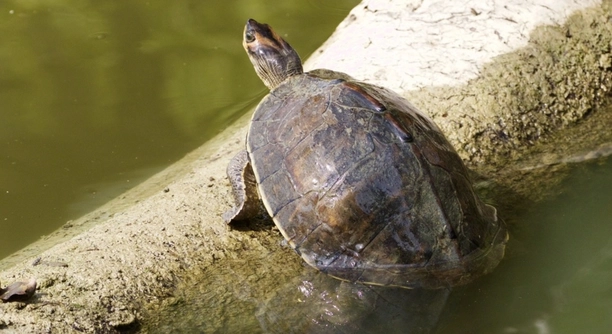
Indian Roofed Tortoises are fascinating creatures, but like all pets, they can face dietary challenges. It’s essential to be aware of the common nutritional deficiencies they may experience. Knowing these issues can help provide better care.
Several common dietary deficiencies in Indian Roofed Tortoises include a lack of calcium, vitamin D3, protein, and certain essential minerals. These deficiencies can lead to various health issues, such as shell deformities, weak bones, and poor growth. Proper supplementation is vital.
By understanding these common deficiencies, you can ensure that your tortoise stays healthy and happy for years to come.
Calcium Deficiency in Indian Roofed Tortoises
Calcium is essential for the healthy development of an Indian Roofed Tortoise, particularly for strong bones and a solid shell. A deficiency in calcium can lead to shell deformities, soft shells, and even fractures. Without adequate calcium, the tortoise’s skeletal structure may become weakened, making them more prone to injury. In severe cases, this deficiency can also cause metabolic bone disease, a condition that impairs bone development and function.
One way to prevent calcium deficiency is by providing a calcium supplement. You can also ensure their diet includes foods rich in calcium, such as dark leafy greens like kale and collard greens. Providing calcium via a cuttlebone is also a good option.
The most common sign of calcium deficiency is soft or deformed shells. To address this, a well-balanced diet and proper lighting, such as UVB light, are necessary. Regularly monitor your tortoise’s health to prevent calcium-related problems from worsening.
Vitamin D3 Deficiency and Its Effects
Vitamin D3 helps your tortoise absorb calcium, making it just as vital as the mineral itself. Without adequate Vitamin D3, even if calcium is available, it won’t be absorbed efficiently.
A lack of Vitamin D3 can result in weak bones and poor shell health. This can occur if your tortoise is not getting enough natural sunlight or UVB exposure. Vitamin D3 can be obtained through UVB rays or a dietary supplement designed for reptiles.
To avoid deficiencies, make sure your tortoise has access to natural sunlight or proper UVB lighting. This will help them metabolize calcium correctly and maintain a healthy shell and bones.
Protein Deficiency in Indian Roofed Tortoises
Protein is necessary for healthy growth and tissue repair in Indian Roofed Tortoises. Without sufficient protein, your tortoise may have stunted growth or even a weakened immune system. Protein is crucial for their overall vitality and development.
Tortoises can get their protein from plant-based sources like leafy greens, but you can also supplement their diet with insects, worms, or high-quality pellets made specifically for tortoises. It’s important to keep the protein levels balanced, as too much protein can also cause health issues like kidney problems.
Keep in mind that younger tortoises need more protein to support their growth, while adult tortoises should have a diet with less protein. A mix of plant matter and occasional protein will help meet their needs without causing harm.
Vitamin A Deficiency in Indian Roofed Tortoises
Vitamin A supports the immune system, skin health, and vision in Indian Roofed Tortoises. Without enough vitamin A, your tortoise could face respiratory issues, skin problems, and difficulty seeing. It’s an essential nutrient that ensures proper body function.
Sources of Vitamin A include dark leafy greens, carrots, and yellow vegetables. Tortoises can also benefit from high-quality supplements designed for reptiles. However, be cautious with supplementation, as excessive amounts of Vitamin A can lead to toxicity.
Incorporating a variety of colorful vegetables into their diet is a simple way to provide this vitamin naturally. Just make sure you avoid overfeeding them on any one type of food, as a balanced diet is key to overall health.
Iron Deficiency in Indian Roofed Tortoises
Iron is essential for carrying oxygen throughout the body. Without enough iron, your tortoise may become lethargic and weak, and could have trouble with growth. Iron also supports healthy blood circulation, so its deficiency can affect overall health.
Foods like dark leafy greens, such as spinach and dandelion greens, can provide an excellent source of iron. If your tortoise is not getting enough from their diet, supplements designed for reptiles can help. Be careful, though, as too much iron can cause problems like organ damage.
Providing a mix of iron-rich vegetables along with proper supplementation will help ensure a balanced diet for your tortoise’s overall health.
Fiber Deficiency in Indian Roofed Tortoises
Fiber helps with digestion and ensures your tortoise has regular bowel movements. Without enough fiber, they can suffer from constipation, and their digestive system may become sluggish.
Fiber is found in a variety of plant-based foods, such as hay, grasses, and leafy greens. This dietary fiber aids in maintaining proper gut health and helps prevent digestive issues. Regular access to fresh, fibrous plants is a simple and effective way to prevent fiber-related issues.
A diet with plenty of fresh, fibrous vegetables, combined with occasional grass or hay, will promote healthy digestion.
Zinc Deficiency in Indian Roofed Tortoises
Zinc plays a role in maintaining the tortoise’s immune system and skin health. A deficiency in zinc can lead to poor shell quality, skin shedding issues, and reduced ability to fight infections.
To provide zinc, offer foods like pumpkin seeds, nuts, and leafy greens, which contain the necessary amounts. If you’re concerned about your tortoise’s zinc intake, reptile supplements can also help meet their nutritional needs. However, it’s essential not to over-supplement zinc, as it can be toxic in large amounts.
A balanced diet including these zinc-rich foods will support a healthy immune system and improve your tortoise’s overall well-being.
FAQ
How can I tell if my Indian Roofed Tortoise has a dietary deficiency?
Signs of a dietary deficiency can vary depending on the nutrient in question. Common signs include poor shell growth, lethargy, soft or deformed shells, and issues with mobility. If your tortoise shows any of these signs, it’s important to adjust their diet and possibly consult a vet to rule out specific deficiencies.
What foods should I feed my Indian Roofed Tortoise to prevent nutritional deficiencies?
A well-balanced diet for your Indian Roofed Tortoise should include a variety of leafy greens such as collard greens, kale, and dandelion greens. You can also feed them vegetables like carrots, bell peppers, and squash. Occasional protein, like worms or insects, and some fruits like papaya or berries can provide essential nutrients. A diet with this mix will help prevent common deficiencies like calcium, vitamin A, and iron.
Can I give my tortoise fruits? If so, which ones are safe?
Yes, fruits can be offered to your tortoise but in moderation. Safe fruits include papaya, mango, strawberries, and blueberries. These fruits contain vitamins and antioxidants that are beneficial but should not be overfed due to their high sugar content. Too much fruit can cause digestive problems or lead to obesity. Always remove seeds from fruits like apples or peaches, as they can be harmful.
How often should I supplement my Indian Roofed Tortoise’s diet?
Supplements should only be used when necessary. If you notice signs of nutritional deficiencies or if your tortoise isn’t getting enough of a particular nutrient from its food, supplements can help. Calcium and vitamin D3 supplements are commonly needed. It’s recommended to dust their food with calcium powder every 2-3 days and offer a Vitamin D3 supplement if they’re not getting enough UVB exposure. Be cautious, though, as over-supplementing can cause harm.
Is it necessary for my tortoise to get UVB light?
Yes, UVB light is crucial for your tortoise’s health. UVB helps them produce vitamin D3, which is essential for calcium absorption. Without proper UVB exposure, your tortoise could suffer from metabolic bone disease, which weakens bones and shells. If your tortoise isn’t getting natural sunlight, you should use a UVB lamp. Make sure the light is positioned correctly and replaced every 6 months as it loses effectiveness over time.
How do I prevent my Indian Roofed Tortoise from becoming overweight?
Overfeeding and lack of exercise are common causes of obesity in tortoises. Ensure your tortoise’s diet consists mainly of low-calorie vegetables and leafy greens. Avoid offering too many high-calorie foods like fruits and high-protein items. Regular outdoor time to explore and graze naturally helps with maintaining a healthy weight. If you’re unsure about your tortoise’s weight, consult a vet for proper guidance.
Can I feed my Indian Roofed Tortoise commercial tortoise food?
Commercial tortoise food can be used as a supplement to their diet but should not be the primary food source. These foods often lack the variety and nutrients that fresh vegetables and leafy greens offer. If you do use them, make sure they are high-quality and provide essential nutrients like fiber and protein. Always offer fresh foods alongside to maintain a balanced diet.
What should I do if my tortoise isn’t eating?
If your tortoise refuses to eat, it could be a sign of stress, illness, or improper environmental conditions. Check if the temperature and humidity levels are suitable for your tortoise. Also, ensure they have access to UVB light. If the environment is correct and they still refuse food, it may be a health issue, so consult a vet for further evaluation.
How can I help my Indian Roofed Tortoise’s shell grow properly?
Shell growth is directly tied to proper nutrition, particularly calcium, and vitamin D3. Ensure your tortoise is getting enough calcium through their diet and supplements. Provide UVB light to help them absorb calcium properly. If the shell growth appears slow or deformed, a vet visit may be necessary for further guidance.
What are the risks of over-supplementing my tortoise’s diet?
Over-supplementing can lead to toxicities or imbalances in your tortoise’s system. For example, too much calcium can cause kidney issues, while excessive vitamin A can cause skin and liver damage. It’s essential to follow proper supplementation guidelines and use supplements as directed by a vet or based on specific deficiencies.
How can I ensure my tortoise is getting enough fiber?
Fiber is crucial for healthy digestion in your tortoise. The best way to provide fiber is through hay, grasses, and fibrous vegetables like dandelion greens, which should be included regularly in their diet. You can also add some high-fiber plant foods like cactus pads or flowers to help them get the fiber they need.
Are there any foods I should avoid giving my Indian Roofed Tortoise?
Yes, avoid feeding your tortoise foods high in oxalates, like spinach and beet greens, which can interfere with calcium absorption. Also, refrain from feeding them iceberg lettuce, which has little nutritional value and can cause diarrhea. Additionally, avoid feeding them processed or sugary foods, as these can lead to digestive problems or obesity.
Can my tortoise live on just one type of food?
No, feeding your tortoise just one type of food can lead to nutrient deficiencies and poor health. A variety of leafy greens, vegetables, and occasional fruits ensures they get a broad spectrum of nutrients. A balanced diet is key to maintaining their overall health and preventing deficiencies.
How much water should my Indian Roofed Tortoise drink?
Tortoises generally don’t drink much water, but it’s essential that they have access to fresh water daily. Some may drink from a shallow water dish, while others may get most of their hydration from the vegetables they eat. Keep their water clean, and ensure it’s easily accessible at all times. If your tortoise isn’t drinking, it may be a sign of an issue with its environment or diet.
Should I bathe my tortoise?
Bathing your tortoise can help with hydration and promote healthy skin shedding. Use lukewarm water and make sure your tortoise is supervised during bath time. Some tortoises may not enjoy baths, so make sure to avoid stressing them out. Bathing also provides an opportunity to check for any signs of health issues.
Final Thoughts
In summary, the health and well-being of an Indian Roofed Tortoise depend heavily on the proper diet and care. A varied and balanced diet filled with the right mix of leafy greens, vegetables, and occasional fruits is essential. These tortoises are herbivores, so offering them food that mimics their natural diet will help ensure they get the nutrients they need to thrive. Ensuring access to UVB light for calcium absorption, along with occasional supplements, helps keep them healthy and active. Understanding their specific nutritional needs and adjusting their diet accordingly will go a long way in preventing deficiencies.
The importance of maintaining a healthy environment for your tortoise cannot be overstated. Temperature, humidity, and the right kind of substrate for their enclosure are just as critical as their diet. Providing them with a space that feels secure and allows them to move around naturally will support their physical and mental well-being. While feeding your tortoise is essential, ensuring they have the right habitat will promote their long-term health. Regularly checking their behavior, eating habits, and overall condition will help you spot any signs of illness or stress early on.
Finally, always remember that each tortoise is unique, and their needs may vary slightly based on age, size, and health condition. Regular veterinary checkups can help ensure your tortoise is on the right track. By providing a well-rounded diet, the proper care, and attention to detail in their environment, you can support their long-term health and happiness. With the right knowledge and care, your Indian Roofed Tortoise can live a fulfilling life.

Hello,
If you enjoy the content that we create, please consider saying a "Thank You!" by leaving a tip.
Every little bit helps us continue crafting quality advice that supports the health, happiness, and well-being of pets around the world, for pets of all shapes, sizes, and species.
We really appreciate the kindness and support that you show us!