
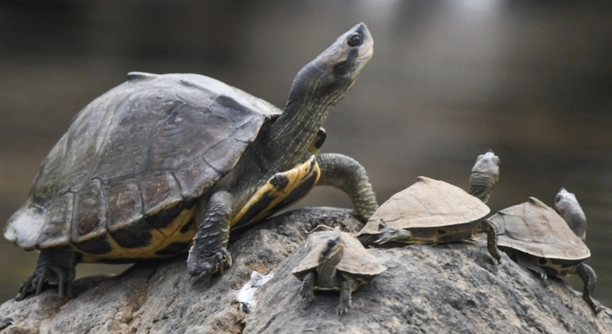
Is your Indian roofed tortoise looking a little rounder than usual? Maintaining a healthy weight is important for its overall well-being. Excess weight can lead to health problems, making it essential to recognize the signs early.
The most reliable way to determine if your Indian roofed tortoise is overweight is by observing its shell and limbs. If its limbs appear too large for its shell, or if fat bulges around its legs and neck, it may be overweight.
Weight management is crucial for your tortoise’s health and longevity. Understanding the causes of excess weight and how to prevent it will help keep your pet happy and active for years to come.
Signs Your Indian Roofed Tortoise Is Overweight
A healthy tortoise should have a smooth shell and limbs that fit proportionally within it. When a tortoise becomes overweight, excess fat will be visible around its legs, neck, and tail. You may notice difficulty retracting its limbs fully into its shell. Another sign is reduced mobility—an overweight tortoise may struggle to move as easily as before. If your tortoise appears lethargic or shows reluctance to walk, excess weight could be the reason. Overfeeding and a lack of exercise are common causes. Paying attention to changes in appearance and behavior is key to maintaining good health.
A tortoise should feel firm and balanced when picked up. If it feels overly heavy or has difficulty supporting itself, it may be time to adjust its diet. Regularly checking its body condition can prevent further weight gain and potential health issues.
Weight gain can cause serious health risks, including organ stress and difficulty breathing. A tortoise that carries too much weight may develop shell deformities or metabolic problems. It’s important to recognize these warning signs early to prevent long-term issues. Making adjustments to diet and activity levels can help your tortoise regain a healthy weight and improve its overall well-being.
Causes of Excess Weight in Tortoises
Overfeeding is the main reason a tortoise gains excess weight. Feeding too many high-calorie foods, such as fruits, can lead to fat accumulation. A diet that lacks variety and is too rich in protein can also contribute to unhealthy weight gain.
Indian roofed tortoises need a balanced diet consisting mostly of leafy greens, vegetables, and small amounts of fruit. Feeding too often or providing excessive portions can cause weight issues over time. Lack of exercise is another factor—tortoises that spend too much time in small enclosures without room to roam may struggle to maintain a healthy weight. A slow metabolism means they don’t burn calories as quickly as other pets. Keeping them active is essential for preventing weight problems.
Temperature and lighting also play a role. A habitat that is too cold can slow digestion, leading to weight gain. Ensuring proper UVB lighting and temperature regulation helps maintain a tortoise’s metabolism. Monitoring their diet, habitat, and activity level can prevent obesity and keep them in good health.
How to Help Your Tortoise Lose Weight
Feeding smaller portions is the first step in managing weight. Offer leafy greens and vegetables in controlled amounts, avoiding excess fruits and high-calorie foods. Spacing out meals properly ensures your tortoise gets enough nutrients without overeating. A well-balanced diet helps prevent further weight gain.
Encouraging movement is just as important as adjusting food intake. Provide a spacious enclosure with plenty of obstacles to climb over and explore. Outdoor time in a safe environment allows natural foraging behavior, keeping your tortoise active. If it seems inactive, gentle encouragement, such as placing food slightly farther away, can help stimulate movement. Avoid overhandling, as stress can sometimes contribute to unhealthy behaviors.
Environmental factors also play a role in weight management. Ensure proper temperatures in the enclosure, as colder environments slow metabolism. A UVB light source helps regulate digestion and activity levels. Regular monitoring of your tortoise’s weight and behavior will ensure steady progress toward a healthier lifestyle.
Best Foods for a Healthy Tortoise
Dark, leafy greens should make up most of your tortoise’s diet. Collard greens, mustard greens, dandelion greens, and turnip greens are excellent choices. Vegetables like squash, bell peppers, and carrots provide variety. Limiting fruit intake prevents unnecessary sugar consumption, which can lead to weight gain.
Calcium-rich foods support shell health and overall wellness. Cactus pads, hibiscus flowers, and occasional calcium supplements help maintain strong bones. Avoid high-protein foods like excessive legumes or animal-based proteins, as these can cause kidney issues. Feeding a mix of fresh, natural ingredients ensures a balanced and nutritious diet. A consistent feeding schedule prevents overfeeding and keeps your tortoise at a healthy weight.
Foods to Avoid
Avoid feeding excessive fruits, as they contain high sugar levels that contribute to weight gain. Bananas, grapes, and mangoes should be given sparingly. High-protein foods like dog food or excessive legumes can cause kidney issues and should never be part of a tortoise’s diet.
Processed foods and human snacks are harmful to tortoises. Bread, dairy products, and salty foods can disrupt digestion and lead to health complications. Iceberg lettuce lacks nutrients and should be avoided. A natural, plant-based diet with minimal processed ingredients is the best way to maintain a healthy weight.
Importance of Hydration
Proper hydration supports digestion and overall health. A shallow water dish should always be available for drinking and soaking. Regular soaking helps prevent dehydration, especially in warmer climates. Some tortoises absorb water through their skin, so providing a clean and accessible water source is essential.
Monitoring Progress
Keep track of weight and shell condition regularly. Weighing your tortoise monthly ensures any changes are noticed early. Observing mobility and eating habits can help determine if adjustments to diet or activity levels are needed. A steady, gradual approach to weight management is the best way to maintain long-term health.
FAQ
What are the signs that my Indian roofed tortoise is overweight?
Overweight tortoises often have visible fat around their neck, limbs, or tail. Their shell may appear less firm, and they could struggle to retract their limbs fully into their shell. You may also notice that they are less active and might move slower than usual. If your tortoise appears lethargic or has difficulty walking, it might be carrying extra weight.
How much should I feed my tortoise each day?
Tortoises should be fed a variety of leafy greens and vegetables in moderate amounts. Generally, you can offer enough food for your tortoise to consume in 30 minutes, after which any leftover food should be removed. Make sure to avoid overfeeding high-calorie items like fruits. The exact amount depends on the tortoise’s size, age, and activity level, but a good guideline is to provide food that’s about the size of its shell daily.
Can I give my tortoise fruits every day?
Fruits should be offered sparingly due to their high sugar content. While they are a healthy treat in small amounts, daily feeding of fruits can lead to obesity and other health problems. Stick to giving fruit once or twice a week, and make sure to vary it to prevent overconsumption of any particular type of fruit.
What are the best foods for a tortoise’s weight loss?
To help with weight loss, focus on high-fiber, low-calorie foods such as dandelion greens, clover, and dark leafy vegetables like collard greens. Vegetables like bell peppers, squash, and cucumbers are also excellent. Avoid high-calcium or high-protein foods like dairy or excessive fruit. Maintaining a balanced diet with these foods ensures your tortoise loses weight gradually and safely.
How can I get my tortoise to exercise more?
Providing a large, enriched environment encourages your tortoise to move more. Create a habitat with obstacles, ramps, or hideouts, where they can explore and climb. Outdoor time in a safe, enclosed area encourages natural foraging behavior. Keep the space large enough so they don’t feel restricted. Regular interaction and providing some food out of their usual reach can also motivate them to move more.
Is it normal for my tortoise to stop eating if it’s overweight?
Sometimes overweight tortoises may lose interest in food, especially if they are stressed or unhealthy. If your tortoise is overeating and then becomes lethargic or disinterested in food, it could be a sign of digestive problems or metabolic issues related to obesity. If this happens, consult a vet to ensure there are no underlying health problems.
How can I help my tortoise maintain a healthy weight?
To maintain a healthy weight, it’s essential to balance diet and activity. Feed your tortoise mostly leafy greens and vegetables, avoiding sugary fruits and excessive protein. Ensure that your tortoise has enough space to roam and climb. Regularly monitor its weight, shell condition, and behavior to identify any changes early.
What are some common mistakes people make when feeding their tortoises?
Common mistakes include overfeeding high-calorie foods like fruits, giving processed foods (such as bread or dairy), or offering too much protein. Another mistake is not providing enough variety in their diet, which can lead to nutrient imbalances. Overfeeding and under-exercising are other factors that lead to obesity. Ensuring a balanced diet and adequate exercise space will help avoid these issues.
Should I give my tortoise calcium supplements?
Calcium is essential for your tortoise’s shell and bone health. If your tortoise isn’t getting enough calcium from its diet (e.g., from dark leafy greens or calcium-rich foods like cactus pads), then supplementation may be necessary. However, be cautious with calcium supplements; an excessive amount can cause problems. You should consult your vet to determine the appropriate calcium supplementation amount.
Can I use a treadmill or wheel to exercise my tortoise?
Tortoises are not suited to exercise on a treadmill or wheel. Their bodies aren’t built for such activities, and it may cause stress or harm. Instead, create an enriched environment with plenty of space for them to roam and explore naturally. Natural movement is best for their health.
How often should I weigh my tortoise?
It’s a good idea to weigh your tortoise monthly to monitor its weight. This can help you track changes and adjust its diet or exercise routine if necessary. If you notice sudden weight gain or loss, it’s a good idea to consult with a vet for advice on how to address the issue.
Are there any health risks if my tortoise is overweight?
Yes, obesity in tortoises can lead to several health problems, such as shell deformities, liver disease, and metabolic bone disease. Overweight tortoises may also struggle with movement, causing muscle atrophy and digestive issues. Excess weight puts strain on their internal organs, making it essential to keep them at a healthy weight.
Can I put my tortoise on a diet like a human would?
While a tortoise’s diet should be controlled to avoid obesity, it is not the same as a human diet. The focus should be on the right types of foods (leafy greens and vegetables) in appropriate amounts, rather than calorie counting. Making sure the food is well-balanced with calcium and fiber, along with encouraging movement, will help your tortoise lose weight in a healthy manner.
Final Thoughts
Keeping your Indian roofed tortoise at a healthy weight is important for its overall well-being. Overweight tortoises are at risk of various health issues, such as shell deformities, metabolic problems, and reduced mobility. Recognizing the signs of weight gain early and taking action to manage it can help prevent long-term problems. By offering a balanced diet with plenty of leafy greens, vegetables, and minimal fruit, you can help your tortoise maintain a healthy weight. Consistently monitoring their behavior, shell condition, and mobility is crucial in spotting any changes that could indicate weight-related issues.
Another key aspect of maintaining your tortoise’s health is ensuring they get enough exercise. Tortoises need space to roam and explore, so it’s important to provide a large, enriched habitat that encourages movement. Offering obstacles and climbing opportunities can help your tortoise stay active, which is essential for weight management. Outdoor time is also beneficial, as it allows your tortoise to engage in natural foraging and movement, helping them burn off excess calories. Encouraging your tortoise to move more and keeping its environment stimulating will ensure they stay active and engaged.
In conclusion, managing your tortoise’s weight requires attention to both diet and exercise. While it may take time for your tortoise to shed excess weight, gradual changes are the safest way to achieve a healthy balance. Avoid drastic diet changes or over-restriction of food, as this can lead to malnutrition or other health problems. Instead, focus on making small, consistent adjustments and observing your tortoise’s progress. With proper care and attention, your tortoise will remain healthy, active, and happy for years to come.

Hello,
If you enjoy the content that we create, please consider saying a "Thank You!" by leaving a tip.
Every little bit helps us continue crafting quality advice that supports the health, happiness, and well-being of pets around the world, for pets of all shapes, sizes, and species.
We really appreciate the kindness and support that you show us!