
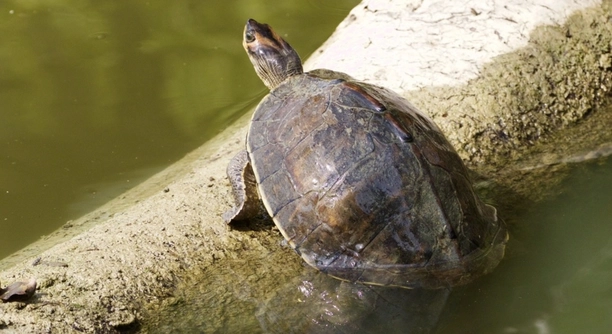
Is your Indian Roofed Tortoise’s shell developing cracks, leaving you concerned about its health? Shell damage can be alarming, and understanding the causes is essential to keeping your tortoise safe and well-cared for.
The most common reasons for a cracked shell include improper humidity levels, malnutrition, physical trauma, fungal infections, and inadequate UVB exposure. Identifying the specific cause allows for appropriate intervention, ensuring your tortoise maintains a strong, healthy shell throughout its life.
From environmental factors to dietary deficiencies, several issues can contribute to shell problems. Learning more about these potential causes can help you take proactive steps to protect your tortoise from further harm.
Low Humidity Levels
Indian Roofed Tortoises need a humid environment to maintain a strong and healthy shell. If the humidity is too low, their shell can dry out, making it more prone to cracking. Dehydration weakens the scutes, causing them to lose flexibility and become brittle over time. In the wild, these tortoises thrive in humid regions, so replicating their natural habitat is essential. A dry enclosure can also lead to improper shedding, which further increases the risk of cracks. Maintaining appropriate humidity levels will help prevent these issues and support overall shell health.
A humidity level of around 70% is ideal for these tortoises. If the enclosure is too dry, consider misting it regularly and adding a shallow water dish. Using a substrate that retains moisture, such as coconut fiber or sphagnum moss, can also help maintain proper humidity.
Neglecting humidity can lead to long-term shell damage that may be difficult to reverse. If your tortoise’s enclosure is too dry, making adjustments quickly can prevent further harm. Regularly monitoring humidity with a hygrometer ensures the environment stays within a safe range. Simple changes, like increasing misting or using a humid hide, can make a significant difference in keeping your tortoise’s shell in good condition.
Poor Diet
A lack of essential nutrients can weaken your tortoise’s shell. Without proper nutrition, the shell may become fragile, increasing the chances of cracks. A balanced diet is necessary for strong shell growth and overall health.
Indian Roofed Tortoises need a diet rich in calcium, vitamin D3, and other essential minerals. Calcium is vital for shell strength, while vitamin D3 helps absorb calcium efficiently. Without these nutrients, the shell can become weak and brittle. Leafy greens such as collard greens, dandelion greens, and mustard greens provide good sources of calcium. Additionally, feeding them cuttlebone or calcium powder supplements ensures they receive enough. A lack of these nutrients can lead to metabolic bone disease, a serious condition that weakens the shell and bones.
Protein intake should also be moderate. Excess protein can cause shell deformities, while too little can lead to poor growth. A varied diet with fresh vegetables, occasional fruits, and appropriate protein sources will support a strong and resilient shell.
Physical Injuries
A cracked shell can result from falls, rough handling, or attacks from other animals. Even minor impacts can cause small fractures that worsen over time. Providing a safe and secure environment is crucial to preventing these injuries.
Sharp objects, unstable climbing surfaces, or hard enclosures increase the risk of damage. If a tortoise falls from a height, the impact can lead to deep cracks. Other pets, like dogs or cats, may also pose a threat if they attempt to bite or scratch the shell. Ensuring the enclosure has soft bedding and secure barriers helps minimize accidents. Supervised outdoor time is also important, as an unprotected tortoise is vulnerable to predators.
If an injury occurs, immediate care is necessary. Cleaning the wound with an antiseptic and keeping the tortoise in a separate recovery enclosure can help prevent infections. In severe cases, veterinary treatment may be needed to repair the shell and prevent further complications.
Fungal Infections
Fungal infections weaken a tortoise’s shell, making it more likely to crack. These infections thrive in damp, unclean environments. If left untreated, the fungus can spread, causing soft spots and structural damage to the shell. Keeping the enclosure clean reduces the risk of infections.
A dirty habitat encourages fungal growth. Standing water, soiled bedding, and poor ventilation create the perfect conditions for fungi to develop. Regularly cleaning the enclosure, replacing substrate, and providing clean water help prevent these issues. A dry basking area allows the shell to stay strong and resistant to fungal damage. If you notice white patches, soft areas, or a foul smell, a fungal infection may already be present.
Treating fungal infections involves keeping the affected area dry and applying antifungal treatments. Mild cases can be managed with diluted betadine soaks, while severe infections may require veterinary care. Addressing infections early helps prevent further shell damage and supports long-term health.
Inadequate UVB Exposure
Without enough UVB light, a tortoise’s body cannot properly absorb calcium. This leads to a weak shell that is more likely to crack. A high-quality UVB bulb should be used to replicate natural sunlight.
UVB bulbs should be replaced every six months to maintain effectiveness. Providing access to natural sunlight whenever possible also helps. A lack of UVB can cause metabolic bone disease, further weakening the shell and bones.
Overly Dry Enclosure
A dry habitat causes a tortoise’s shell to lose moisture, making it brittle and prone to cracking. Using moisture-retaining substrate and misting the enclosure can help maintain proper humidity levels.
Lack of Proper Hiding Spots
Without hiding spots, a tortoise may feel stressed, leading to poor health and shell issues. Providing shaded areas and hides helps create a secure and comfortable environment.
FAQ
Can a cracked shell heal on its own?
Minor cracks can heal with proper care, but severe damage requires medical attention. A tortoise’s shell is made of living tissue, and with the right conditions, it can repair itself over time. Keeping the enclosure clean, maintaining proper humidity, and ensuring a balanced diet help with the healing process. For larger cracks, a veterinarian may need to apply special bonding agents or bandages to protect the shell while it heals. Ignoring a cracked shell can lead to infections, which can be life-threatening. If there is bleeding or deep damage, seek professional treatment immediately.
How can I prevent my tortoise’s shell from cracking?
Providing a well-maintained enclosure with the right humidity, a balanced diet, and UVB lighting is essential for shell health. Avoid keeping the habitat too dry, as dehydration can weaken the shell. Make sure your tortoise has access to calcium-rich foods and a UVB light source to help with calcium absorption. Keep the enclosure free from sharp objects or high ledges that could lead to injuries. If your tortoise spends time outside, supervise it to prevent attacks from other animals. Regular health checkups can also help detect issues before they become severe.
What should I do if my tortoise’s shell is cracked?
Clean the affected area with a mild antiseptic and keep your tortoise in a separate, clean environment to prevent infection. If the crack is small, monitoring the healing process while maintaining optimal humidity and diet may be enough. For larger cracks, a vet may use a resin or epoxy to seal the damage and prevent bacteria from entering. If you notice swelling, discharge, or a bad odor, seek veterinary care immediately, as these are signs of infection. Acting quickly can make a significant difference in the healing process.
Can stress cause a tortoise’s shell to crack?
While stress itself does not directly crack a shell, it can weaken a tortoise’s overall health. A stressed tortoise may eat less, avoid basking, or experience metabolic imbalances that contribute to poor shell development. Lack of hiding spots, improper handling, and an unbalanced diet can all increase stress levels. Over time, a weakened shell becomes more susceptible to damage from external factors. Creating a calm and stable environment with plenty of hiding spaces and proper care reduces stress-related health issues.
How do I know if my tortoise’s shell is unhealthy?
An unhealthy shell may appear dry, brittle, or discolored. Soft spots, foul smells, and visible cracks are also warning signs of poor shell health. A healthy shell should be firm, smooth, and free of flaking or indentations. Regularly checking your tortoise’s shell for abnormalities can help you catch potential issues early. If you notice any concerning changes, adjusting diet, humidity, or UVB exposure may help. If problems persist, a vet can diagnose any underlying conditions.
Can a poor diet permanently damage a tortoise’s shell?
Long-term malnutrition can cause irreversible shell deformities and structural weaknesses. Without enough calcium and vitamin D3, a tortoise’s shell may grow unevenly or become soft, increasing the risk of fractures. Once significant damage occurs, it can be difficult to reverse. However, improving diet and lighting conditions can prevent further deterioration and strengthen the shell over time. Feeding a varied diet that includes leafy greens, calcium supplements, and occasional protein sources supports proper growth. Ensuring your tortoise gets enough UVB exposure helps with calcium absorption, promoting a strong and healthy shell.
How long does it take for a cracked shell to heal?
The healing process depends on the severity of the crack. Minor cracks can take a few months to heal, while more serious damage may require several months to over a year. Proper diet, humidity, and veterinary care all play a role in how quickly a shell recovers. Keeping the tortoise’s environment clean and stress-free can also speed up healing. Deep cracks that affect the internal structure may require medical intervention and long-term monitoring. Regular checkups help ensure the shell is healing properly without complications.
Final Thoughts
Caring for an Indian Roofed Tortoise requires attention to its environment, diet, and overall health. A cracked shell is a serious issue, but with the right care, it can often be prevented. Factors like low humidity, poor nutrition, and physical injuries all contribute to shell damage. Ensuring a well-balanced diet rich in calcium and vitamin D3, maintaining proper humidity levels, and providing a safe enclosure can help keep your tortoise’s shell strong and healthy. Regularly checking for signs of damage and making necessary adjustments to their care routine can prevent small problems from turning into major health concerns.
If a crack does occur, acting quickly is important. Cleaning the affected area, monitoring the tortoise’s behavior, and making sure its environment is optimal can help promote healing. In cases of severe cracks, professional veterinary care may be needed to prevent infections and further complications. Providing proper lighting, hydration, and a stress-free environment can also make a difference in recovery. Prevention is always better than treatment, so keeping an eye on humidity levels, enclosure safety, and overall tortoise health is essential. Small changes in care can have a big impact on your tortoise’s well-being and shell condition.
A strong and healthy shell is a sign of a well-cared-for tortoise. By understanding the common causes of shell cracks and taking the right steps to prevent them, you can ensure your tortoise lives a long, happy life. Regular monitoring, proper nutrition, and a safe habitat will help reduce the risk of shell damage. While some issues may be unavoidable, early detection and prompt care can make a significant difference. Taking the time to provide the best possible care for your tortoise will help it stay healthy and active for years to come.

Hello,
If you enjoy the content that we create, please consider saying a "Thank You!" by leaving a tip.
Every little bit helps us continue crafting quality advice that supports the health, happiness, and well-being of pets around the world, for pets of all shapes, sizes, and species.
We really appreciate the kindness and support that you show us!