
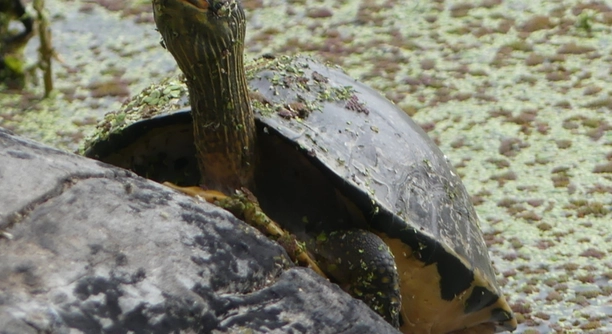
Many pet owners often wonder if their Indian Roofed Tortoise is getting enough vitamin D for healthy growth and shell development. Vitamin D plays an important role in their well-being, so it’s vital to keep an eye on their intake.
To ensure your tortoise is getting enough vitamin D, provide access to natural sunlight or UVB lighting. This helps their body process calcium, which is essential for shell health and bone strength. A balanced diet also supports vitamin D absorption.
Taking care of your tortoise’s vitamin D levels will help them live a healthier life. It’s easy to implement changes that can make a big difference.
How Vitamin D Helps Your Indian Roofed Tortoise
Vitamin D is vital for your tortoise’s overall health. It helps them absorb calcium from their food, which is necessary for strong bones and a healthy shell. Without enough vitamin D, your tortoise may develop soft shells or weak bones, which can lead to long-term health problems. While they do need some vitamin D in their diet, exposure to natural sunlight or UVB light is just as important. Sunlight provides the UVB rays necessary for their body to produce this vitamin. As a pet owner, you should make sure your tortoise has access to these light sources to prevent deficiencies. Keeping their habitat well-lit with UVB lighting will mimic the natural sunlight they would receive in the wild, ensuring they get the vitamin D they need.
An easy way to monitor your tortoise’s vitamin D intake is by observing their behavior. If they seem less active or show signs of shell deformities, it could be linked to a deficiency.
If you’re using UVB lighting, check that the bulb is the correct type for reptiles and replace it every 6-12 months, as the UVB rays can weaken over time. Additionally, offering a variety of foods rich in vitamin D, such as dark leafy greens or calcium supplements, can further support their vitamin D levels. Avoid over-supplementing, though, as this can cause other health issues.
Signs of Vitamin D Deficiency in Tortoises
If your Indian Roofed Tortoise isn’t getting enough vitamin D, you may notice certain signs. These can include lethargy, difficulty moving, and a soft or deformed shell.
Vitamin D deficiency can also cause bone deformities and weaken the tortoise’s immune system. You might see your tortoise having trouble lifting its head or struggling to move around. Without sufficient vitamin D, their bones may not develop properly, leading to painful conditions. To prevent this, make sure they have both UVB exposure and proper nutrition. If you notice any of these symptoms, take action immediately.
Another way to ensure your tortoise is getting enough vitamin D is by creating a consistent feeding and lighting schedule. Make sure they are in a place with ample sunlight or under the right UVB light for several hours each day. Keeping their habitat warm with the correct lighting will allow them to absorb the vitamin D they need for proper growth and bone strength. Along with good nutrition, this will help them lead a healthier, happier life.
How to Provide UVB Light for Your Tortoise
UVB lighting is essential for your Indian Roofed Tortoise to produce vitamin D. Place the light above their habitat, ensuring they can bask under it for several hours a day.
Choose a good-quality UVB bulb designed for reptiles, and position it about 12-18 inches above their basking area. This will allow them to absorb the necessary UVB rays for vitamin D production. Make sure the light is on for 10-12 hours daily to mimic natural sunlight.
It’s important to replace the UVB bulb every 6-12 months because the UVB output decreases over time, even if the light is still on. Keep the basking area warm, as warmth will help them absorb the vitamin D from the UVB light. Regularly monitor the temperature and light intensity to ensure your tortoise is getting the full benefits of the UVB exposure. This will support their calcium absorption and overall health.
Diet and Vitamin D for Your Indian Roofed Tortoise
A balanced diet plays a big part in making sure your tortoise gets enough vitamin D. Offering a mix of leafy greens, like collard greens, and vegetables can help meet their needs.
Along with greens, you can supplement their diet with calcium powder. This adds extra support for their bones and shell development. Be cautious about over-supplementing, though, as this can lead to other health issues. Stick to a schedule for feeding, and avoid too many high-oxalate foods, as they can prevent calcium absorption.
Make sure the foods are fresh and free of pesticides. If possible, provide a mix of both indoor-grown and natural plants. Combining proper diet with good UVB exposure will help maintain a healthy balance for your tortoise’s vitamin D needs.
Checking for Vitamin D Deficiency Symptoms
Look out for signs that your tortoise might not be getting enough vitamin D. Lethargy, soft or deformed shells, and difficulty moving are common indicators.
If you notice your tortoise struggling to walk or seems unusually inactive, check their diet and UVB light setup. These symptoms can point to a vitamin D deficiency.
Importance of a Proper Basking Spot
Your tortoise needs a basking spot with proper warmth to help them absorb vitamin D. Set up a spot where they can bask for several hours in a warm environment.
Ensure the temperature is around 90-95°F under the basking light. Without the right heat, your tortoise won’t be able to properly process the vitamin D from the UVB light.
Using Supplements Safely
Vitamin D and calcium supplements can support your tortoise’s health, but overuse can be harmful. Stick to recommended amounts to avoid toxicity.
Too much vitamin D can lead to kidney damage or other health problems. It’s essential to combine supplements with proper UVB exposure and diet for optimal results.
FAQ
How much UVB light does my Indian Roofed Tortoise need each day?
Your tortoise should receive around 10-12 hours of UVB light each day. This simulates natural sunlight and allows them to produce enough vitamin D for healthy shell and bone growth. If you’re using artificial UVB lighting, ensure it is the correct type for reptiles and that it’s positioned about 12-18 inches above your tortoise’s basking spot. Without proper exposure, they may not be able to absorb calcium effectively.
Can I give my tortoise vitamin D supplements instead of UVB light?
While vitamin D supplements are helpful, they cannot fully replace UVB light. UVB rays help your tortoise’s body naturally produce vitamin D, which is crucial for absorbing calcium. If your tortoise doesn’t have enough UVB light, even supplements might not be as effective. It’s best to combine both UVB exposure and supplements, following the recommended dosage to avoid toxicity.
How do I know if my tortoise’s shell is too soft due to vitamin D deficiency?
If your tortoise’s shell feels soft or pliable when you gently press on it, they may have a vitamin D deficiency. A healthy shell should be firm and hard. Softness or deformities could indicate that their bones aren’t developing correctly, which can be linked to insufficient vitamin D. If you notice these signs, improve their UVB light exposure and diet.
What should I do if my tortoise seems lethargic?
Lethargy in tortoises can be caused by several factors, including vitamin D deficiency. Ensure that your tortoise has access to proper UVB lighting for at least 10-12 hours a day. Check that the temperature in their habitat is also within the proper range (around 90-95°F under the basking light). A lack of proper lighting and warmth can cause them to become inactive and sluggish. Review their diet to make sure they’re getting the right nutrition.
Can I use a regular light bulb instead of a UVB bulb for my tortoise?
No, a regular light bulb will not provide the necessary UVB rays for your tortoise. Regular bulbs only produce visible light and heat, but UVB light is essential for your tortoise to produce vitamin D. You should use a specially designed UVB bulb that is suitable for reptiles, and replace it every 6-12 months to ensure it’s still effective.
How can I balance my tortoise’s diet to support vitamin D absorption?
To support vitamin D absorption, make sure your tortoise’s diet includes leafy greens like collard greens, dandelion greens, and kale. These are high in calcium, which works in tandem with vitamin D for healthy bones and shell. Offering a variety of vegetables also helps prevent any nutrient imbalances. Avoid feeding them too many high-oxalate foods, such as spinach, which can interfere with calcium absorption. Supplements can be used but only sparingly, as excessive calcium can cause other health issues.
What is the best temperature for my tortoise’s basking spot?
The ideal temperature for your tortoise’s basking area should be between 90-95°F (32-35°C). This heat helps them digest food and absorb the vitamin D from UVB light. If the basking spot is too cool, they may not process the vitamin D effectively, which could lead to deficiencies. Use a thermometer to monitor the temperature and adjust it as necessary to maintain optimal conditions for your tortoise.
Can I keep my tortoise outside for sunlight exposure?
Yes, if you live in a suitable climate, you can allow your tortoise to spend time outdoors for natural sunlight. Make sure the environment is safe and free from predators. Always supervise your tortoise when outdoors, as they can wander off or be exposed to dangers. A secure, shaded area with some sunny spots will allow your tortoise to get the UVB they need, but remember to bring them inside when it gets too hot or cold.
Is it possible to overdo UVB exposure for my tortoise?
It’s unlikely that your tortoise will get too much UVB light from proper lighting setups. However, extended exposure to high-intensity UVB bulbs can lead to burns or stress. To avoid this, ensure the bulb is not too close to your tortoise, and provide shaded areas in the habitat where they can retreat from the light if needed. Balance is key for their well-being.
How often should I replace my UVB bulb?
UVB bulbs lose their effectiveness over time, even if they still produce light. It’s recommended to replace the UVB bulb every 6 to 12 months, depending on the type of bulb and how often it’s used. Regular replacement ensures that your tortoise continues to receive the necessary UVB rays for vitamin D production and calcium absorption.
Can vitamin D deficiency cause other health problems for my tortoise?
Yes, a vitamin D deficiency can lead to a variety of health problems in your tortoise. The most common issue is metabolic bone disease, which causes soft, deformed bones and shells. In severe cases, it can lead to paralysis or even death. Ensuring proper UVB light exposure and a balanced diet will help prevent these problems.
Final Thoughts
Ensuring your Indian Roofed Tortoise is getting enough vitamin D is essential for their overall health. Vitamin D plays a critical role in helping them absorb calcium, which is necessary for strong bones and a healthy shell. Without enough vitamin D, your tortoise could face bone deformities, soft shells, or even severe health problems. UVB light, either from natural sunlight or specialized bulbs, is the best way for your tortoise to produce vitamin D. This UVB exposure should be part of their daily routine for 10-12 hours, especially if they are housed indoors.
A proper diet is equally important to support vitamin D absorption. Offering calcium-rich foods like leafy greens and vegetables ensures that your tortoise gets the nutrition it needs. Be cautious with supplements, though. Too much calcium or vitamin D can be harmful, so it’s essential to follow guidelines and avoid over-supplementing. Make sure their diet includes a variety of foods that help them stay healthy and active. Also, providing a proper basking spot with the right warmth is necessary for your tortoise to digest food and absorb vitamin D effectively.
Monitoring your tortoise for signs of vitamin D deficiency can help catch issues early. Look for behaviors like lethargy, difficulty moving, or changes in their shell. These can indicate problems with their calcium or vitamin D levels. By maintaining the right lighting, diet, and temperature, you can ensure that your tortoise stays healthy. Regular checks on their setup and behavior will help you address any potential issues and give your tortoise the best chance at a long, healthy life.

Hello,
If you enjoy the content that we create, please consider saying a "Thank You!" by leaving a tip.
Every little bit helps us continue crafting quality advice that supports the health, happiness, and well-being of pets around the world, for pets of all shapes, sizes, and species.
We really appreciate the kindness and support that you show us!