
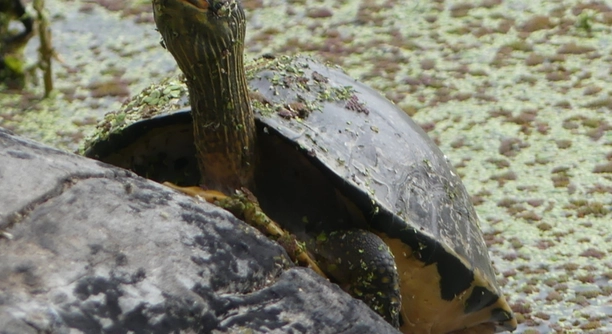
Maintaining proper ventilation is crucial for a healthy and comfortable tortoise enclosure. This becomes especially important for Indian roofed tortoises, as they need the right balance of air circulation to thrive.
Improving ventilation in your Indian roofed tortoise enclosure involves simple steps like adding air holes, using mesh screens, and controlling humidity. These methods promote a healthier environment, preventing mold and excessive moisture, and ensuring adequate airflow.
Creating a more breathable habitat for your tortoise will enhance its well-being. Implementing these easy steps will make a big difference in maintaining an optimal environment for your pet.
Adding Ventilation Holes to the Enclosure
One of the simplest and most effective ways to improve ventilation is by adding ventilation holes to the sides of the enclosure. Small holes or slits can be drilled into the walls to allow air to flow freely. It’s important to place them at various heights to create a cross-flow of air. This will help reduce the buildup of moisture and stale air, both of which can lead to mold or health issues for your tortoise.
Make sure the holes are not too large, as they may allow your tortoise to escape or introduce drafts. Instead, aim for smaller, well-placed holes that won’t compromise security. Always ensure the holes are smooth, without any sharp edges, to prevent injury to your tortoise.
Additionally, placing the enclosure in a well-ventilated room will help ensure that air circulates more effectively. By adding a few ventilation holes and adjusting the placement of the enclosure, you’ll notice an improvement in airflow and overall air quality inside the habitat.
Using Mesh Screens
Mesh screens are a simple yet effective addition to your tortoise enclosure. They allow for better air circulation while still providing a barrier to keep your pet safe. The screens can be added to the top or sides of the enclosure.
The mesh helps air move through the enclosure more easily and reduces humidity levels. Be sure to choose a screen that’s fine enough to prevent your tortoise from getting stuck or injured. This method is particularly helpful for preventing stagnant air, especially during the warmer months.
Installing an Exhaust Fan
An exhaust fan can work wonders for improving airflow in your tortoise enclosure. The fan helps pull out warm, stale air and allows fresh air to enter, promoting better circulation.
While installing an exhaust fan, make sure it’s positioned so it doesn’t blow directly on your tortoise, as drafts can cause stress. The fan should be placed high up, near the roof, to expel hot air that tends to rise. Choosing a fan that’s quiet and low energy will ensure it’s effective without disrupting the habitat’s peace.
Ensure that the fan is regularly cleaned to prevent dust or debris from clogging it. A clean, functioning exhaust fan will ensure that air flows freely without disrupting the temperature or humidity in your tortoise’s habitat. Check the fan’s settings and airflow every few weeks to ensure it’s operating as intended.
Controlling Humidity Levels
Humidity is a key factor when it comes to proper ventilation in your tortoise enclosure. Too much moisture can create a damp environment, encouraging mold growth and possibly leading to respiratory issues.
You can maintain the right humidity levels by monitoring the temperature and adjusting the water sources inside the enclosure. Using a hygrometer can help you track the moisture levels. Be sure to provide a shallow water dish for drinking and humidity, but avoid excessive water pooling inside the habitat. Regularly change the water and wipe down any excess moisture to keep the humidity in check.
An enclosure that’s too dry can also cause problems, like dehydration or shell issues. Balancing humidity is important to mimic natural conditions and provide a comfortable environment for your tortoise. Consider adding a small humidifier for more control over the moisture levels.
Using Natural Ventilation
Natural ventilation can be an easy and effective way to improve airflow in your tortoise enclosure. Placing the enclosure near a window or in an area where natural breezes can circulate will help keep the air fresh.
However, be mindful of direct sunlight, which could overheat the enclosure. Keep the enclosure out of direct sunlight but near an open window or breezy area. This helps regulate the temperature and ensures your tortoise enjoys a natural air flow.
Regularly check if the ventilation through natural means is sufficient, especially during the warmer months when heat buildup can happen quickly.
Using Activated Charcoal
Activated charcoal can be a helpful addition to your tortoise’s enclosure to maintain air quality. It absorbs moisture and odors, preventing stale or damp air from becoming a problem.
Place small bags or containers of activated charcoal in corners or areas that may accumulate excess moisture. It’s a great way to maintain a dry and fresh atmosphere in the enclosure, reducing the risk of mold growth. You should replace the charcoal every couple of months to keep it effective.
Ensuring Proper Enclosure Size
The size of the enclosure directly affects the airflow. A larger enclosure will allow for better circulation, preventing the buildup of humidity and warm air. Make sure your tortoise’s habitat is spacious enough to allow air to move freely.
FAQ
How do I know if the ventilation is good enough for my tortoise?
Good ventilation is crucial for your tortoise’s health. If you notice a musty smell or signs of mold in the enclosure, it’s an indication that the airflow isn’t sufficient. You can also check if your tortoise seems lethargic or has respiratory issues, as poor air quality can lead to these problems. Keep an eye on the humidity levels too; if they are consistently high, the ventilation may need improvement.
Is it safe to use an exhaust fan near my tortoise?
Yes, using an exhaust fan is safe as long as it’s positioned correctly. Place it near the top of the enclosure to avoid blowing directly onto your tortoise. The fan should pull out hot, stale air without causing drafts. Make sure it’s low-powered, quiet, and regularly cleaned for best results. It’s important to balance ventilation with temperature and humidity control.
How often should I clean the ventilation system in my tortoise enclosure?
Cleaning the ventilation system is essential to maintain proper airflow. Clean the mesh screens or ventilation holes once a week to prevent dust or debris buildup. If you’re using an exhaust fan, check it every month for dirt and clean it accordingly. Keeping everything clean ensures maximum airflow and a healthier environment for your tortoise.
Can too much ventilation harm my tortoise?
Excessive ventilation, especially if it causes drafts, can harm your tortoise. It may lead to stress or illness, particularly if the airflow is too cold. However, proper ventilation, when balanced with the right temperature, will promote better air quality without causing harm. It’s important to monitor your tortoise’s behavior and adjust ventilation if needed.
What’s the ideal humidity for an Indian roofed tortoise?
Indian roofed tortoises thrive in a moderate humidity level of around 60-70%. Too much humidity can cause respiratory problems or mold growth, while too little can lead to dehydration. Use a hygrometer to monitor humidity and adjust it by adding or removing water sources, or by using a humidifier or dehumidifier as needed.
Can I use a humidifier in the tortoise’s enclosure?
Yes, a humidifier can help regulate the moisture level in your tortoise’s habitat. It’s particularly useful during dry seasons or in homes with air conditioning. However, make sure the humidity does not rise above the ideal level of 60-70%. You can use a hygrometer to track changes and avoid over-humidifying the enclosure.
Is it necessary to put my tortoise’s enclosure by a window?
Placing the enclosure near a window can improve natural ventilation by allowing fresh air in. However, avoid placing it in direct sunlight, as this can overheat the enclosure. A window with proper airflow can help maintain a healthy balance of temperature and humidity, but always check that the area is safe and comfortable for your tortoise.
What materials should I avoid when setting up ventilation?
Avoid using materials that are not breathable or are too dense, like thick plastic or solid wood, as these can trap moisture and limit airflow. Instead, opt for materials like mesh or wire that allow air to circulate freely. Ensure any ventilation holes or mesh are small enough to keep your tortoise secure but large enough to allow proper airflow.
How do I control temperature while improving ventilation?
It’s essential to balance ventilation with temperature control. While increasing airflow helps prevent overheating and humidity buildup, it can also lead to a drop in temperature. Use a thermostat and heat lamps to maintain the appropriate temperature in the enclosure, ensuring it’s warm enough without making the environment too humid or dry.
What’s the best type of mesh to use for ventilation?
Choose a fine-wire mesh or a mesh screen with small holes to prevent your tortoise from getting stuck or injured. The mesh should be durable and rust-resistant, as exposure to humidity can cause metal to corrode. Stainless steel mesh is a good choice for long-lasting results. Avoid plastic mesh, which can tear easily.
Should I use a fan all the time?
No, using a fan all the time is not necessary. A fan should only be used if you notice poor airflow or if the humidity and temperature levels are difficult to control. You can turn it on for a few hours a day to help maintain the air quality, but always monitor the effects it has on your tortoise.
Can natural ventilation work in an indoor enclosure?
Yes, natural ventilation can work indoors if the room has proper airflow. Placing the enclosure near a window or in a well-ventilated room helps to create a natural breeze that can circulate fresh air. Be cautious of drafts or direct sunlight, as these could cause temperature fluctuations that harm your tortoise.
What should I do if the humidity is too high in the enclosure?
If the humidity is too high, try adjusting the water sources in the enclosure. Reduce the water bowls or move them further from the ventilation openings. Ensure that the enclosure is not too wet by drying off surfaces that gather moisture. A dehumidifier can help control excess moisture in the air.
Can ventilation affect my tortoise’s behavior?
Yes, poor ventilation can lead to a variety of behavioral changes in your tortoise. If the enclosure is too stuffy or humid, your tortoise may become lethargic or show signs of stress. You may notice your tortoise breathing heavily or hiding more than usual, which could indicate discomfort from the air quality.
How do I make sure my tortoise doesn’t escape through the ventilation holes?
To prevent your tortoise from escaping, ensure the ventilation holes are small enough to keep them secure. Use fine mesh or small slits that are too narrow for your tortoise to fit through. Check the enclosure regularly for any signs of wear or gaps in the mesh, and make necessary adjustments.
Should I consider using a humidistat to regulate humidity?
A humidistat can be a useful tool for regulating the humidity in your tortoise’s enclosure. It automatically adjusts humidity levels by controlling a humidifier or dehumidifier. This is especially helpful in regions with extreme weather conditions, ensuring that your tortoise stays in a stable, comfortable environment year-round.
Final Thoughts
Improving the ventilation in your Indian roofed tortoise’s enclosure is a simple but effective way to ensure its health and well-being. Proper airflow helps prevent humidity from becoming too high, which can lead to mold and respiratory issues. By implementing a few key changes, such as adding ventilation holes, using mesh screens, or installing an exhaust fan, you can create a healthier environment for your tortoise. Always keep an eye on humidity levels and temperature to maintain a balanced habitat that promotes comfort and stability.
Remember, ventilation doesn’t just prevent issues; it also enhances the overall quality of life for your tortoise. A well-ventilated enclosure will provide better air circulation, which helps reduce the risk of harmful bacteria and parasites. It also ensures that your tortoise can breathe freely and comfortably, preventing stress. When you combine good airflow with proper humidity control, you give your tortoise the best chance to thrive in its enclosure.
Lastly, maintaining the enclosure by regularly cleaning ventilation systems, adjusting the humidity levels, and ensuring that airflow is steady is an ongoing task. You should monitor the conditions frequently to ensure everything stays in balance. Simple adjustments, like moving the enclosure to a better-ventilated spot or using a fan when needed, can make a big difference. Your tortoise will thank you for providing a more natural and comfortable space to live in.

Hello,
If you enjoy the content that we create, please consider saying a "Thank You!" by leaving a tip.
Every little bit helps us continue crafting quality advice that supports the health, happiness, and well-being of pets around the world, for pets of all shapes, sizes, and species.
We really appreciate the kindness and support that you show us!